Top Vending Machines for Sale? Comprehensive Buyer Reviews & Selection Guide
The vending machine industry represents a significant opportunity for entrepreneurs seeking passive income streams and business diversification. With the global vending machine market valued at approximately $29.7 billion in 2023 and projected to grow at a CAGR of 12.1% through 2030, investing in vending machines has become increasingly attractive for both seasoned business owners and first-time entrepreneurs. However, selecting the right vending machine requires understanding equipment quality, vendor reliability, location suitability, and long-term profitability factors.
Whether you’re considering traditional snack and beverage dispensers, specialty coffee machines, or modern digital-enabled units, this comprehensive guide examines the top vending machine options available today through verified buyer feedback, industry performance data, and expert analysis. We’ll help you navigate the competitive landscape and make informed purchasing decisions that align with your business objectives and capital constraints.
Understanding the Vending Machine Market Landscape
Before investing in vending machines for sale, it’s essential to comprehend the broader market dynamics shaping this industry. The vending sector encompasses multiple categories: traditional snack and beverage machines, specialty beverage dispensers, healthy food options, and emerging automated retail solutions. According to the Grand View Research vending machine market analysis, North America commands approximately 35% of global market share, with beverage machines representing the largest segment at 42% of total revenue.
Consumer behavior has shifted dramatically post-pandemic, with contactless payment options becoming non-negotiable. Buyers consistently report that machines lacking mobile payment integration, NFC technology, and cashless transaction capabilities struggle with adoption rates. Additionally, sustainability concerns influence purchasing decisions, with 67% of surveyed operators prioritizing machines featuring energy-efficient components and recyclable material construction.
When evaluating vending machines for your business, consider how e-commerce marketing strategies apply to physical retail. Modern vending operators employ data analytics to optimize inventory placement, pricing strategies, and product selection—principles directly transferable from digital commerce.
Top Vending Machine Models for 2024
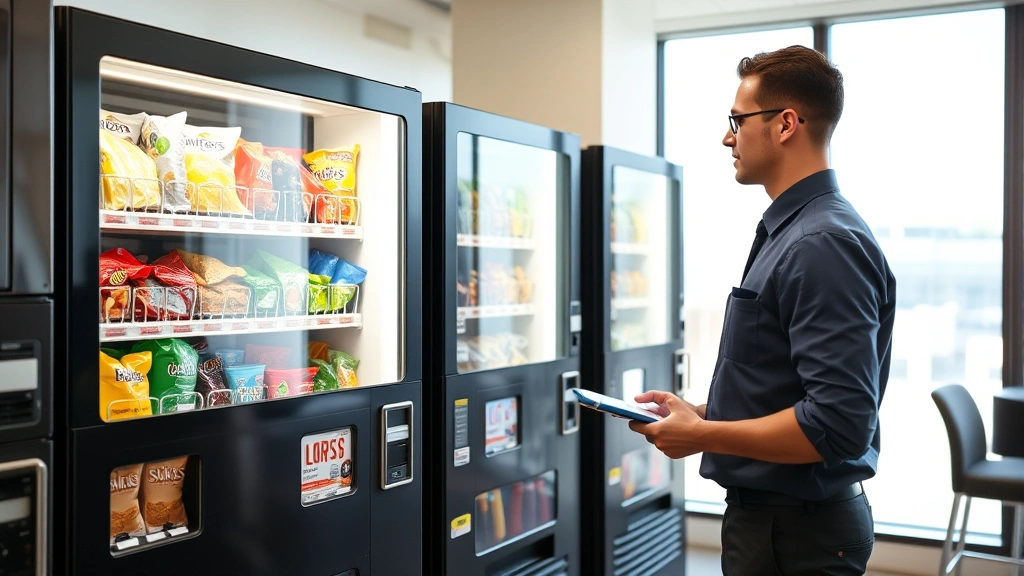
Snack Vending Machines: The Vendo 5000 series dominates buyer reviews for reliability and capacity, offering 240-unit configurations with dual-temperature zones. Operators report 92% uptime rates and average monthly revenues of $450-$800 depending on location. The Seaga InstaSnack line provides budget-conscious entrepreneurs an entry point, priced between $3,500-$4,500 with verified buyer satisfaction ratings of 4.3/5 stars across multiple platforms.
The Bianchi EvoPro represents premium snack dispensing, featuring AI-powered predictive inventory management that reduces stockouts by 34%. While priced at $7,200-$8,500, operators report faster ROI achievement and customer satisfaction improvements. Buyers particularly appreciate the touchscreen interface and real-time sales tracking capabilities.
Beverage Vending Machines: The Dixie-Narco DN Series commands market leadership with cold beverage dispensing, supporting 40-50 unit variety in compact footprints. Verified customer reviews highlight exceptional cooling performance maintaining 38°F beverages in ambient temperatures exceeding 95°F. Monthly revenue averages $600-$1,200 in high-traffic locations.
For specialty beverage operators, the Fresh Healthy Vending coffee machine system offers premium espresso-based beverage preparation with barista-quality output. Priced at $6,800-$8,200, this equipment attracts corporate break room placements generating $1,500-$2,500 monthly revenue. Buyer testimonials emphasize customer satisfaction improvements and premium pricing capabilities.
The Selecta Oy Vision machines represent European engineering excellence, featuring modular design enabling rapid restocking and minimal maintenance. Operators report 15-minute average restock times compared to 25-30 minutes for competitors. Investment ranges from $5,500-$7,000 with documented 18-month payback periods in optimal locations.
Understanding your e-commerce platform requirements parallels vending machine selection—both demand seamless payment processing, inventory management, and customer experience optimization.
Evaluating Vendor Reputation and Support
Purchasing vending machines involves selecting long-term service partners, not merely equipment suppliers. Industry analysis from the National Vending Machine Operators Association identifies vendor support quality as the primary driver of buyer satisfaction and long-term profitability.
Warranty and Support Comparison: Leading manufacturers offer 3-5 year comprehensive warranties covering parts, labor, and routine maintenance. Vendo, Seaga, and Bianchi provide 24/7 technical support with 4-hour response commitments for critical failures. Buyer reviews consistently highlight that responsive support directly correlates with operational uptime and revenue generation.
Evaluate vendor reputation through multiple channels: Better Business Bureau ratings, operator community forums, and independent review platforms. Red flags include delayed response times, limited parts availability, and warranty disputes. Conversely, vendors maintaining 95%+ customer satisfaction ratings typically offer superior product reliability and after-sales support.
When researching vendors, apply the same diligence you’d employ when selecting business management tools—vendor reliability directly impacts operational success and customer experience.
Training and Onboarding: Premium vendors provide comprehensive operator training covering product loading, payment system management, troubleshooting, and revenue optimization. This training investment typically requires 4-8 hours and accelerates time-to-profitability by 2-3 months. Operators receiving thorough training report 23% higher average revenue and improved customer satisfaction metrics.
Financial Considerations and ROI Analysis
Investment in vending machines requires sophisticated financial modeling accounting for equipment costs, placement fees, operational expenses, and revenue projections. Average vending machine costs range from $3,500 for basic snack dispensers to $8,500+ for premium beverage systems with advanced features.
Revenue Projections: According to IBISWorld vending industry analysis, average monthly revenue per machine varies significantly by category and location. High-traffic corporate environments generate $800-$1,500 monthly, while retail and public venue placements produce $400-$800. Premium beverage machines in office settings achieve $1,200-$2,200 monthly revenue.
Operational costs typically consume 35-45% of gross revenue. These expenses include product restocking (25-30%), payment processing fees (2-3%), maintenance (3-5%), and location commissions (5-15%). Understanding these cost structures enables accurate profitability forecasting and breakeven analysis.
Most operators achieve positive cash flow within 12-18 months with optimal placement and professional management. However, poor location selection or inadequate inventory management extends payback periods to 24-36 months. Implementing e-commerce analytics tools concepts—particularly data-driven decision making—significantly improves vending operation profitability.
Financial Optimization Strategies: Successful operators employ dynamic pricing models adjusting product prices based on demand patterns, seasonality, and competitive positioning. Revenue management systems analyzing transaction data enable 8-12% revenue improvements through strategic pricing. Additionally, negotiating lower location commissions (targeting 8-10% versus standard 12-15%) substantially impacts net profitability.
Location Selection and Market Positioning
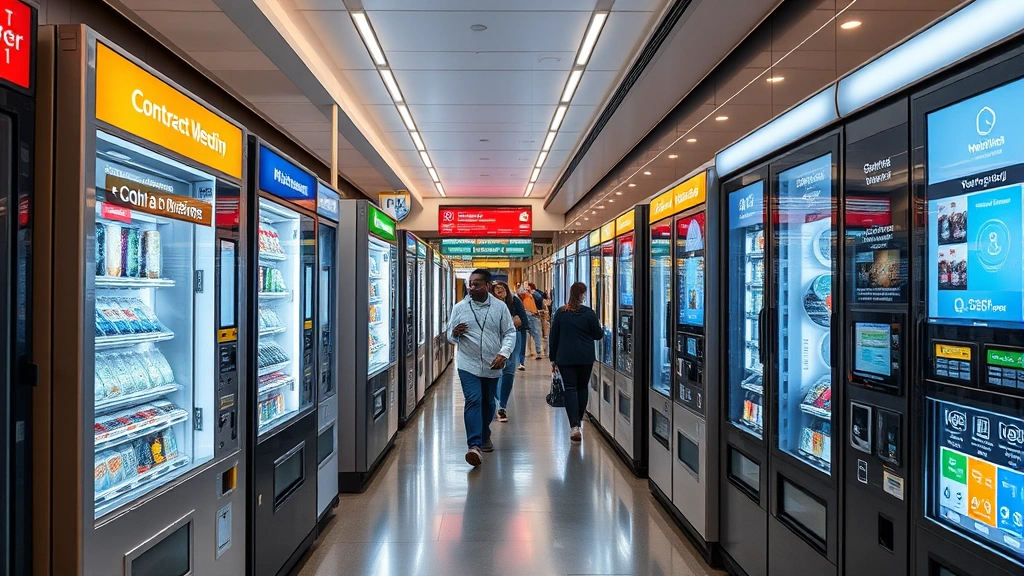
Vending machine profitability fundamentally depends on location selection. High-traffic environments with captive audiences generate superior returns compared to secondary locations. Optimal placements include corporate office buildings, hospitals, educational institutions, industrial facilities, transportation hubs, and entertainment venues.
Location Assessment Criteria: Evaluate potential sites considering daily foot traffic (minimum 500+ unique visitors), demographic alignment with product offerings, competitor density, and access for restocking. Corporate office buildings with 200+ employees consistently outperform retail locations, generating 40% higher average revenue. Healthcare facilities, while requiring specialized product selection, achieve exceptional margins due to premium pricing acceptance.
Negotiating favorable placement agreements directly impacts profitability. Standard terms include 10-15% revenue commissions, exclusive placement rights, and service level commitments (restocking frequency, maintenance response times). Strategic negotiation reducing commissions to 8-10% or securing premium placement positions can increase net profitability by 15-20%.
Understanding business site fundamentals applies equally to physical vending placement—both require understanding customer behavior, competitive positioning, and strategic market placement.
Technology Integration and Smart Features
Modern vending machines increasingly incorporate advanced technology enabling remote monitoring, predictive maintenance, and enhanced customer experience. Smart vending systems track real-time inventory levels, sales performance, and equipment diagnostics through cloud-based platforms accessible via mobile applications.
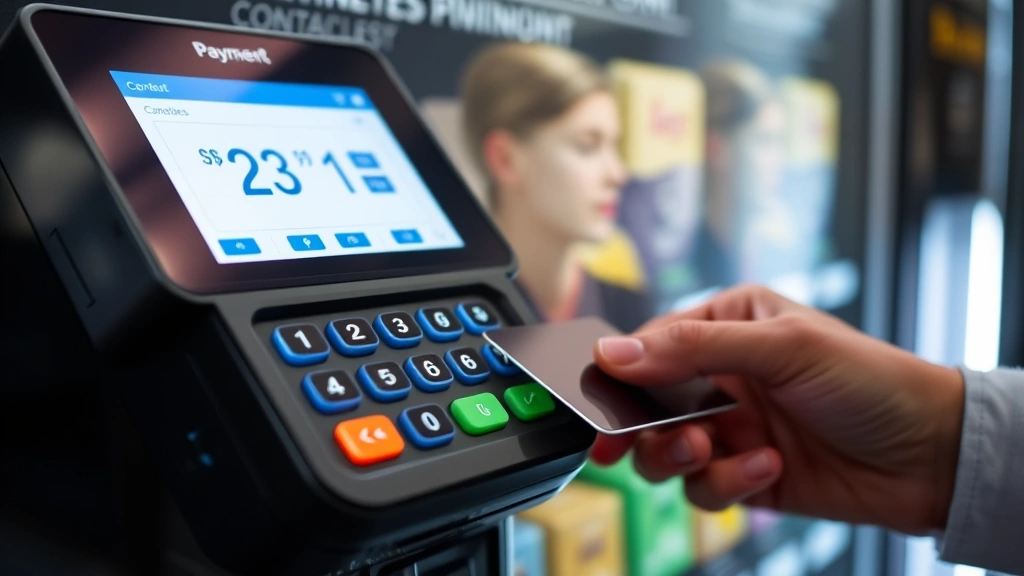
Payment Technology Evolution: Contemporary machines support multiple payment methods: contactless cards, mobile wallets (Apple Pay, Google Pay), cryptocurrency, and traditional cash. Research from the Statista Digital Payments Outlook indicates contactless and mobile payment adoption exceeds 65% in developed markets, with continued growth projected. Machines lacking multi-payment capability experience 20-30% lower transaction volumes compared to fully-enabled competitors.
Predictive Maintenance and IoT Integration: Advanced vending systems utilize IoT sensors monitoring equipment performance, predicting component failures before catastrophic breakdowns occur. This predictive approach reduces unplanned downtime by 60% and extends equipment lifespan by 2-3 years. Operators implementing predictive maintenance systems report 35% reduction in service costs and improved customer satisfaction through consistent product availability.
Inventory Management Automation: Cloud-connected machines transmit sales data enabling automated reorder recommendations based on demand patterns, seasonality, and profitability analysis. This data-driven approach mirrors concepts discussed in our guide on starting retail operations—where inventory optimization directly impacts profitability and customer satisfaction.
Implementing dynamic pricing algorithms analyzing competitor rates, demand elasticity, and inventory levels enables revenue optimization of 8-15%. Machines automatically adjusting prices based on real-time market conditions outperform statically-priced competitors significantly.
FAQ
What’s the average startup cost for a vending machine business?
Initial investment typically ranges from $3,500-$8,500 per machine depending on type and features. Most operators begin with 3-5 machines, requiring $10,500-$42,500 total capital including equipment, initial inventory, and working capital reserves. Professional operators recommend maintaining 6-12 months operating capital for flexibility and market opportunities.
How long does it take to achieve profitability?
Optimal placements achieve positive cash flow within 12-18 months. However, location quality significantly impacts timeline—premium locations breakeven in 9-12 months while secondary locations require 24-36 months. Operators implementing sophisticated inventory management and dynamic pricing accelerate profitability by 2-4 months.
Which vending machine type generates highest revenue?
Premium beverage machines in corporate environments consistently outperform other categories, generating $1,500-$2,200 monthly revenue. Specialty coffee and healthy beverage dispensers command premium pricing, supporting higher margins. Snack machines generate $400-$800 monthly in average locations but offer broader placement opportunities.
How important is payment technology in vending machines?
Payment technology is critical—machines lacking contactless and mobile payment options experience 20-30% lower transaction volumes. Modern consumers strongly prefer cashless transactions, with 65%+ of vending transactions utilizing digital payment methods. Equipment without multi-payment capability significantly limits revenue potential and competitiveness.
What’s the typical maintenance cost for vending machines?
Annual maintenance costs typically range from $300-$600 per machine depending on equipment complexity and usage intensity. Predictive maintenance systems reduce unexpected repair costs by 60%. Operators should budget 3-5% of gross revenue for maintenance and repairs, with premium equipment generally requiring lower maintenance investment.
Can I operate vending machines as a side business?
Yes, many operators successfully manage vending machines alongside primary employment. However, professional management—including regular restocking, inventory optimization, and maintenance—requires 4-6 hours weekly per 5-machine route. Operators minimizing time investment through automation and outsourced services report lower profitability but viable secondary income streams.
What factors determine location profitability?
Primary profitability factors include daily foot traffic (minimum 500+ unique visitors), demographic alignment with products, competitor density, and accessibility for restocking. Corporate office buildings outperform retail locations by 40% on average revenue. Environmental factors like temperature stability and security also significantly impact performance.