
4Runner for Sale? Complete Buyer’s Guide from Auto Experts
The Toyota 4Runner remains one of the most sought-after SUVs in the automotive market, commanding strong resale values and attracting both first-time buyers and seasoned off-road enthusiasts. Whether you’re searching for a 4Runner for sale through dealerships, private sellers, or online marketplaces, understanding the market dynamics, pricing trends, and vehicle specifications is essential to making an informed purchase decision. This comprehensive buyer’s guide provides expert insights into evaluating 4Runner listings, negotiating prices, and identifying the best value in today’s competitive market.
The 4Runner’s popularity stems from its legendary reliability, robust towing capacity, and versatile platform that handles everything from daily commuting to serious off-road adventures. However, the competitive demand for these vehicles means that buyers must approach the purchasing process strategically. By understanding what factors influence pricing, how to evaluate vehicle history, and what features justify premium pricing, you’ll be better equipped to find the right 4Runner for your needs and budget.
Understanding 4Runner Market Dynamics
The 4Runner marketplace operates differently than typical vehicle markets due to sustained demand and limited supply in certain model years and configurations. According to Cars.com market research, 4Runner inventory levels remain consistently tight, particularly for newer model years with lower mileage. This supply-demand imbalance directly influences pricing, often resulting in 4Runners selling at or above manufacturer’s suggested retail price, even in the used market.
Several factors contribute to the strong 4Runner market: Toyota’s reputation for durability, the vehicle’s capability in diverse driving conditions, and its strong resale value proposition. Buyers shopping for a 4Runner for sale should recognize that these vehicles appreciate differently than typical depreciating assets. A well-maintained 4Runner from five to ten years ago may retain 60-70% of its original purchase price, compared to the industry average of 40-50% for similar-aged vehicles.
Economic conditions, fuel prices, and consumer preferences for larger SUVs all influence 4Runner availability and pricing. When considering a 4Runner for sale, monitor broader market trends through industry publications and dealer inventory reports. This contextual understanding helps you recognize whether a particular listing represents fair market value or an inflated asking price.
Model Years and Generations Explained
Toyota has produced the 4Runner across five distinct generations since 1984, each with unique characteristics, capabilities, and market values. Understanding generational differences is crucial when evaluating any 4Runner for sale, as model year significantly impacts price, reliability profile, and available features.
The fifth generation (2010-present) represents the most modern 4Runner platform, featuring updated technology, improved fuel efficiency compared to earlier generations, and enhanced safety features. These vehicles command premium prices in the used market due to their newness and lower likelihood of major mechanical issues. A 2015-2020 4Runner typically ranges from $30,000 to $50,000 depending on mileage and condition, while newer models push toward $60,000 or higher.
Fourth generation 4Runners (2003-2009) offer excellent value propositions for budget-conscious buyers willing to accept higher mileage. These vehicles are known for exceptional durability and have established track records of reaching 200,000+ miles with proper maintenance. Used fourth-generation models typically sell between $15,000 and $30,000, making them attractive to buyers prioritizing affordability while maintaining Toyota reliability standards.
Earlier generations (first through third) appeal primarily to collectors, enthusiasts, and buyers seeking classic 4Runner characteristics. These vehicles require more extensive maintenance and may present unexpected repair costs. When evaluating older 4Runners for sale, budget accordingly for potential mechanical work and have pre-purchase inspections performed by specialists familiar with vintage Toyota platforms.
Pricing Strategies and Fair Value
Determining fair market value for any 4Runner for sale requires consulting multiple pricing resources and comparing similar vehicles across different sales channels. Kelley Blue Book (KBB) and Edmunds provide baseline pricing estimates based on model year, mileage, condition, and optional features. However, these estimates may undervalue 4Runners compared to current market conditions, particularly for vehicles with desirable configurations.
Several variables influence 4Runner pricing beyond basic model year and mileage metrics. Color preferences, transmission type (manual versus automatic), drive configuration (two-wheel versus four-wheel drive), and specific trim levels significantly impact market value. A 4Runner for sale equipped with premium packages, navigation systems, and advanced safety features may command 10-20% premiums over base models with similar mileage.
Regional market variations also affect pricing. 4Runners in regions with active off-road communities or harsh winter climates often maintain higher values than those in temperate areas. A vehicle available for sale in Colorado or Alaska may carry a premium compared to an identical model in Florida or California, reflecting regional demand patterns and perceived utility.
When shopping for a 4Runner for sale, use AutoTrader’s extensive inventory database to identify pricing patterns across your region. Analyze at least ten comparable vehicles before determining whether a specific listing represents fair value. Document asking prices, mileage, condition ratings, and any notable features to build a comprehensive pricing profile.
Evaluating Vehicle History and Condition
A vehicle history report is non-negotiable when evaluating any 4Runner for sale, regardless of whether you’re purchasing from a dealership or private seller. Services like CARFAX and AutoCheck provide documented records of accidents, title issues, service records, and ownership history. These reports reveal critical information that influences both safety and long-term reliability.
When reviewing a 4Runner for sale history report, prioritize identifying accident damage, frame damage, or structural repairs. Even minor collisions can compromise vehicle integrity and safety. Title issues—salvage titles, rebuilt titles, or flood damage declarations—significantly reduce vehicle value and may indicate problems not immediately apparent during physical inspection.
Service records demonstrate whether previous owners maintained the 4Runner according to manufacturer specifications. Regular oil changes, transmission fluid replacements, and scheduled maintenance indicate responsible ownership and suggest the vehicle has been properly cared for. Gaps in service history or evidence of deferred maintenance raise red flags about potential underlying mechanical issues.
The 4Runner’s construction quality and durability mean that even higher-mileage examples can represent excellent purchases if properly maintained. A 120,000-mile 4Runner with complete service records and no accidents often represents better value than a 60,000-mile example with unknown history and inconsistent maintenance patterns.
Essential Inspection Checklist
Before committing to any 4Runner for sale, conduct a thorough physical inspection covering mechanical, structural, and cosmetic elements. This systematic approach helps identify issues that could become expensive problems post-purchase.
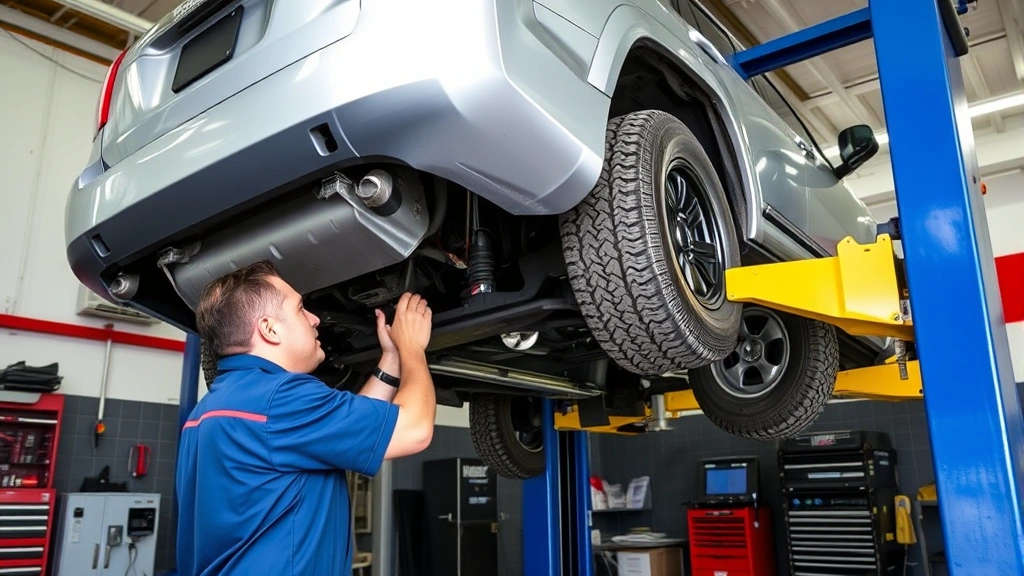
Mechanical Systems: Start the engine and listen for unusual noises, rough idling, or warning lights. Check all fluid levels—oil, coolant, transmission fluid, brake fluid, and power steering fluid. Inspect hoses for cracks or deterioration. Test the transmission by shifting through all gears, confirming smooth engagement and no grinding sounds. Examine the undercarriage for signs of leaks, rust, or damage.
Brake System: Inspect brake pads and rotors for wear. Test braking response during a test drive, confirming firm pedal feel and straight-line stopping without pulling. Listen for squeaking or grinding sounds indicating pad wear.
Suspension and Steering: Check for uneven tire wear suggesting alignment issues. Inspect shock absorbers and springs for leaks or damage. Test steering responsiveness and feel for excessive play in the steering wheel.
Tires and Wheels: Examine tire tread depth and condition. Look for uneven wear patterns, cracking, or bulges indicating potential failure. Verify all lug nuts are present and properly secured.
Electrical Systems: Test all exterior and interior lighting, including headlights, taillights, brake lights, and interior cabin lights. Verify power windows, locks, and seat adjustments function correctly. Check climate control systems for proper heating and cooling.
Cosmetic Condition: Inspect the paint for chips, scratches, or evidence of repainting. Check for rust, particularly around wheel wells, undercarriage, and door edges. Examine interior upholstery for tears, stains, or excessive wear. Verify all glass is intact without cracks or chips.
Test Drive Protocol: Take any 4Runner for sale on a comprehensive test drive covering various road conditions. Listen for unusual noises, vibrations, or handling issues. Test acceleration, braking, and steering response. Drive over rough surfaces to evaluate suspension performance.

Financing Options for 4Runner Purchases
When purchasing a 4Runner for sale, explore multiple financing avenues to secure the best rates and terms. Traditional bank loans, credit union financing, and dealership financing each offer distinct advantages depending on your credit profile and financial situation.
Bank financing typically offers competitive rates for buyers with strong credit histories, though approval processes may take longer than dealership options. Credit unions frequently provide lower rates than banks and may offer more flexible terms for members. Dealership financing offers convenience and speed, though rates may be higher than alternative sources.
Pre-approval before shopping for a 4Runner for sale strengthens your negotiating position by demonstrating financial capacity and allowing you to focus on vehicle selection rather than financing logistics. Compare annual percentage rates (APRs) across multiple lenders, as even small rate differences significantly impact total interest paid over loan terms.
Consider the impact of down payment size on both monthly payments and total interest. Larger down payments reduce financed amounts and often qualify for better interest rates. However, balance this against maintaining adequate emergency savings for unexpected expenses.
If trading in your current vehicle, obtain independent valuations before negotiating with dealerships. Dealers may undervalue trade-ins to offset negotiated discounts on 4Runner for sale pricing. Selling your trade-in privately often yields higher value, though this approach requires additional time and effort.
Negotiation Tactics and Closing the Deal
Effective negotiation requires preparation, market knowledge, and clear understanding of your priorities and budget limits. When pursuing a 4Runner for sale, approach negotiations professionally while advocating for fair pricing.
Research Foundation: Establish your maximum acceptable price based on comparable vehicle analysis, condition assessment, and market trends. Document your research with specific examples of similar 4Runners for sale at various price points. This documentation strengthens your negotiating position by providing objective justification for your offers.
Initial Offer Strategy: Begin negotiations with an offer 5-10% below asking price, providing room for counteroffers while signaling serious interest. Justify your offer with specific references to comparable vehicles, identified maintenance needs, or market conditions. Avoid emotional language or aggressive tactics that may alienate sellers and damage negotiating relationships.
Inspection-Based Negotiation: Use inspection findings to justify price reductions. If your pre-purchase inspection identifies needed repairs, obtain repair estimates from independent mechanics. Present these estimates to sellers, proposing price reductions equivalent to anticipated repair costs.
Walk-Away Readiness: Maintain willingness to abandon negotiations if asking prices exceed your maximum acceptable levels. The 4Runner market includes sufficient inventory that overpaying for one vehicle means missing better opportunities. Sellers recognize genuine buyers willing to walk away, often prompting more favorable final offers.
Documentation and Final Steps: Once you’ve negotiated acceptable terms for your 4Runner for sale purchase, ensure all agreements appear in written contracts before funds exchange hands. Verify that the title is clear, free of liens, and properly transferred to your name. Request copies of all service records, warranty documentation, and owner’s manuals.
Consider purchasing extended warranty coverage or vehicle service contracts, particularly for higher-mileage 4Runners. These protections provide peace of mind regarding unexpected repair costs and can prove valuable if major mechanical issues develop post-purchase.
Understanding these purchasing strategies—combined with knowledge about effective marketing strategies for reaching buyers if you’re selling a 4Runner—ensures successful transactions whether you’re purchasing or listing vehicles. The same data-driven approaches that optimize e-commerce platform selection for small businesses apply to vehicle purchasing decisions: research multiple options, compare data systematically, and make informed choices based on comprehensive analysis.
FAQ
What mileage is considered high for a used 4Runner?
4Runners are known for durability and frequently exceed 200,000 miles with proper maintenance. Mileage above 150,000 is considered higher, but doesn’t necessarily indicate poor value if service records demonstrate regular maintenance. A well-maintained 150,000-mile 4Runner often represents better value than a poorly-maintained 80,000-mile example.
Should I purchase an extended warranty for a used 4Runner?
Extended warranties provide valuable protection for higher-mileage vehicles or those outside manufacturer warranty coverage. Evaluate warranty costs against potential repair expenses. For newer 4Runners still under manufacturer warranty, extended coverage may be less critical unless you anticipate major repairs.
What’s the best time of year to purchase a 4Runner for sale?
Inventory and pricing fluctuate seasonally. Winter months typically see reduced buyer activity and more motivated sellers, potentially offering negotiating advantages. However, specific 4Runner availability depends more on individual listings than seasonal trends. Monitor market consistently rather than waiting for specific seasons.
How do I verify a 4Runner’s off-road capability?
Check vehicle specifications for four-wheel drive systems, approach/departure angles, ground clearance, and terrain response technology. Research owner forums and reviews discussing real-world performance. If off-road capability is important, test drive vehicles on varied terrain to personally assess handling and responsiveness.
What maintenance should I prioritize immediately after purchasing a 4Runner?
Prioritize fluid changes—oil, transmission, coolant, and differential fluid—to establish baseline maintenance. Inspect and replace worn brake pads or tires. Address any items identified during your pre-purchase inspection. Following manufacturer maintenance schedules ensures reliability and preserves resale value.
Can I negotiate price on dealer-listed 4Runners for sale?
Yes, dealer pricing typically includes negotiating room. Present comparable vehicle data, inspection findings, and market evidence supporting your offers. Dealerships expect negotiation and often build flexibility into initial asking prices. Professional, data-supported negotiation typically yields 3-8% reductions from asking prices.