Where to Buy Honey Bee Queens? Top Supplier List for Beekeepers
Starting or expanding a beekeeping operation requires access to quality honey bee queens, the foundation of any productive hive. Whether you’re a commercial beekeeper managing multiple apiaries or a hobbyist tending backyard colonies, finding reliable suppliers of honey bee queens for sale is critical to your success. The queen bee determines colony genetics, productivity, temperament, and overall hive health, making supplier selection one of the most important decisions you’ll make.
The market for honey bee queens has evolved significantly over the past decade, with suppliers ranging from small family operations to large-scale commercial producers. Understanding where to source queens, what to expect in terms of quality and pricing, and how to evaluate suppliers will help you build stronger colonies and achieve better long-term outcomes. This comprehensive guide explores the top suppliers, key considerations when purchasing, and best practices for integrating new queens into your operations.
Understanding the Honey Bee Queen Market
The commercial honey bee queen market represents a significant segment of the beekeeping industry, valued at millions of dollars annually. Queens are typically produced during spring and early summer months when demand peaks, though some suppliers maintain year-round production capabilities. The market operates on both wholesale and retail levels, with pricing and availability fluctuating based on seasonal demand, queen genetics, and supplier capacity.
When considering honey bee queens for sale, you’ll encounter several breeding lines and genetics. Italian queens remain the most popular choice for North American beekeepers due to their gentle temperament and reliable brood production. Carniolan queens offer excellent overwintering characteristics and strong foraging instincts. Russian genetics provide superior disease resistance and varroa mite tolerance. Buckfast queens combine desirable traits from multiple genetic lines. Your choice depends on your climate, beekeeping goals, and management preferences.
The timing of queen purchases directly impacts colony establishment and honey production. Spring purchases allow colonies to build population throughout the active season. Summer purchases can salvage underperforming hives or prepare nucleus colonies for fall. Fall purchases support overwintering success but offer limited production potential in their first year. Understanding these seasonal dynamics helps you plan purchases strategically and maximize your return on investment.
If you’re exploring broader business opportunities in the agricultural sector, consider reviewing options like business for sale owner financing arrangements that might support beekeeping ventures or related agricultural enterprises.
Top Domestic Honey Bee Queen Suppliers
Koehnen Queens stands as one of America’s largest queen producers, operating in California with capacity to produce thousands of queens annually. They specialize in Italian and Carniolan genetics with reputation for consistent quality and reliable shipping. Their website provides detailed information about available genetics, pricing tiers based on order volume, and seasonal availability windows.
Olivarez Honey Bees, also based in California, maintains extensive breeding programs focused on disease resistance and productivity. They offer multiple genetic lines including Italians, Carniolans, and Russian-cross hybrids. Their operation emphasizes sustainability and genetic diversity, appealing to beekeepers concerned with long-term colony health.
Sunshine Bee operates in Florida and specializes in producing queens during winter months when most northern suppliers are dormant. This unique positioning allows beekeepers to source queens year-round. They maintain Italian and Carniolan lines and offer both individual queens and bulk orders at competitive wholesale rates.
Bees & More provides queens alongside complete beekeeping supplies, making them convenient for beekeepers who prefer integrated purchasing. Located in Georgia, they source from multiple genetics and offer consultation services to help match queens with your specific needs.
Pendell Apiaries in New York serves the northeastern market with queens specifically selected for cold-climate performance. Their focus on regional adaptation makes them valuable for beekeepers in areas with harsh winters and short active seasons.
Strachan Apiaries in California focuses on Buckfast genetics and hybrid lines designed for specific environmental conditions. Their research-backed approach appeals to commercial operators prioritizing productivity metrics and disease resistance profiles.
When evaluating these suppliers, verify their certifications, health testing protocols, and customer reviews. Most reputable producers maintain social media presence, participate in beekeeping conferences, and publish regular updates about queen availability and genetics. Contact multiple suppliers to compare pricing, shipping options, and post-purchase support before committing to larger orders.
Regional and Specialty Producers
Beyond the major national suppliers, numerous regional producers offer valuable alternatives, particularly for beekeepers seeking locally-adapted genetics or supporting small businesses. Regional suppliers often maintain deeper knowledge of local climate conditions, pest pressures, and forage patterns, enabling them to produce queens specifically optimized for their geographic areas.
The Midwest region hosts several respected producers who specialize in cold-hardy genetics. Michigan, Ohio, and Minnesota beekeepers often source from regional producers who understand the demands of short seasons and severe winters. These suppliers typically offer Italian lines selected for rapid spring buildup and Carniolan lines valued for winter cluster strength.
The Southeast features producers like Rossman Apiaries in North Carolina, which combines commercial-scale production with educational resources. They offer genetics selected for the region’s humid climate and longer active season while maintaining quality standards competitive with national producers.
Western region suppliers beyond the California giants include operations in Washington, Oregon, and Utah. These producers often emphasize sustainable practices and genetic diversity, appealing to environmentally-conscious beekeepers. Many western suppliers participate in organic certification programs and offer queens from organic-managed apiaries.
Specialty producers focus on specific genetics or management philosophies. Some operations breed exclusively for horizontal genetics (similar behavioral traits across worker populations), while others emphasize vertical genetics (genetic diversity to support disease resistance). Nuanced producers cater to specific customer segments including organic beekeepers, commercial honey producers, and pollination service providers.
Local beekeeping associations often maintain supplier directories and can provide recommendations based on member experiences. These connections prove invaluable for understanding supplier reputation, reliability, and customer service quality within your region.
International Sources and Import Considerations
International suppliers offer access to genetics unavailable domestically and sometimes provide competitive pricing on volume orders. However, importing honey bee queens involves complex regulatory requirements, quarantine procedures, and health certifications that vary by state and country of origin.
The United States Department of Agriculture (USDA) Animal and Plant Health Inspection Service (APHIS) regulates honey bee imports with specific requirements for health certificates, origin documentation, and quarantine periods. Most imports require advance permitting and inspection by state apiary inspectors before queens can be legally introduced to domestic apiaries.
Popular international sources include suppliers in New Zealand and Australia, known for producing disease-free queens from isolated geographic regions. European suppliers in Germany, France, and Poland offer access to genetics with specific regional characteristics. Canadian suppliers provide convenient alternatives with fewer regulatory barriers and similar climate adaptation to northern United States operations.
Before pursuing international sources, contact your state’s department of agriculture to understand specific import requirements, prohibited genetics, and permitting procedures. The regulatory compliance costs and extended timelines often make international importing viable only for large-scale operations or specialty genetics unavailable domestically. Most hobbyist and small commercial beekeepers find domestic sources more practical and cost-effective.
Alternatively, if you’re interested in exploring other agricultural business models, review our guide on gas station for sale opportunities that might generate revenue complementary to beekeeping operations.
Evaluating Queen Quality and Health
Queen quality directly impacts colony performance, longevity, and productivity. Understanding how to evaluate queens before purchase and after receipt ensures you invest in birds that will deliver expected returns. Quality indicators include genetic purity, health certifications, mating success rates, and post-shipment viability.
Genetic purity verifies that queens match their advertised breeding line. Reputable suppliers maintain detailed genetic records and can provide documentation about queen parentage and breeding history. Some suppliers offer wing measurement data or genetic testing results that confirm queen genetics.
Health certifications prove that queens originate from apiaries screened for major diseases including American foulbrood, European foulbrood, and Nosema. Request documentation of health inspections performed by state apiary inspectors or equivalent regulatory authorities. Health certificates typically expire annually, so verify current certification status before purchase.
Mating success rates reflect the percentage of queens that successfully mated and began egg-laying after receipt. Quality suppliers achieve mating success rates exceeding 90 percent, with premium genetics sometimes reaching 95+ percent. Ask suppliers about their documented success rates rather than relying on marketing claims.
Post-shipment viability depends on shipping method, transit duration, and handling during delivery. Request information about shipping containers, temperature control measures, and insurance coverage. Some suppliers include complimentary replacement queens if viability falls below specified thresholds upon arrival.
Upon receiving queens, inspect packaging for damage and verify queen presence before opening mailing cages. Check that queens appear active and responsive. Some suppliers include instructions for introducing queens to colonies; follow these guidelines precisely to maximize acceptance and minimize rejection rates.
Pricing and Volume Discounts
Queen pricing fluctuates seasonally and based on genetics, order volume, and market conditions. Retail prices for individual Italian queens typically range from $25 to $50, with premium genetics or specialty lines commanding $50 to $100+ per queen. Wholesale pricing for bulk orders often provides 15-40 percent discounts compared to retail rates.
Retail pricing applies to small orders (typically 1-5 queens) and includes higher per-unit costs reflecting individual packaging, handling, and customer service. Many suppliers establish minimum order quantities of 3-5 queens for shipping viability.
Wholesale pricing tiers typically activate at 10-25 queen orders, with further discounts for 50, 100, and 500+ queen purchases. Commercial beekeepers managing multiple apiaries benefit significantly from wholesale relationships, which can reduce per-queen costs by 30-40 percent compared to retail pricing.
Seasonal pricing variation reflects supply and demand dynamics. Peak-season pricing (April-June) often exceeds off-season rates by 20-30 percent. Early-season purchases (March-April) sometimes command premiums for assured availability, while late-season purchases (July-September) may feature discounts as suppliers liquidate remaining inventory.
Volume commitment discounts reward customers who commit to purchasing specific quantities in advance. Some suppliers offer pre-season pricing for beekeepers willing to place orders 60-90 days before delivery, locking in favorable rates and ensuring allocation during high-demand periods.
Beyond direct pricing, consider total cost of ownership including shipping fees, insurance, and replacement guarantees. Some suppliers include free replacement for non-viable queens, effectively reducing your true cost if viability issues occur. Compare total landed costs rather than focusing solely on per-queen pricing.
Shipping and Handling Best Practices
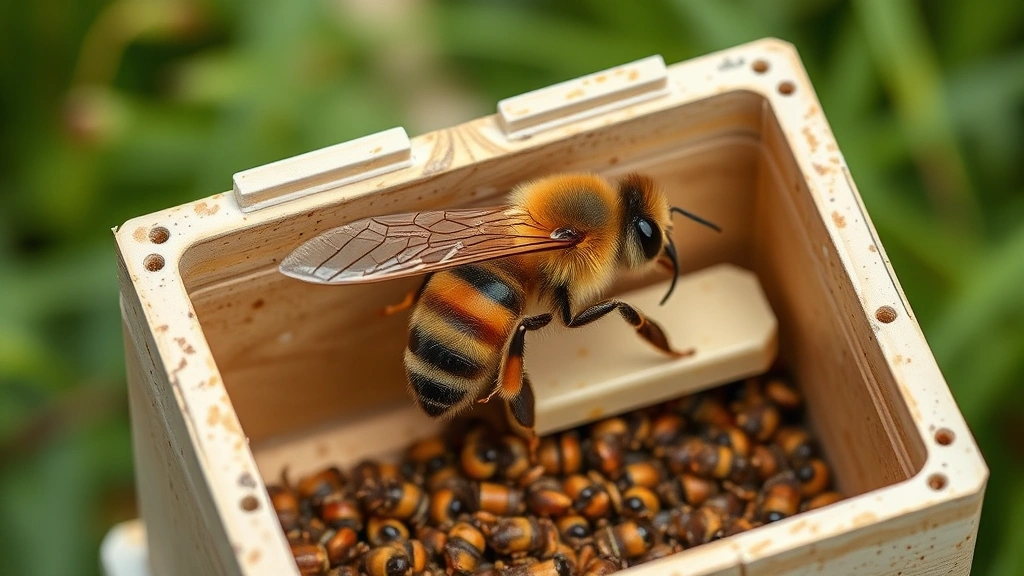
Proper shipping and handling critically impact queen viability and colony acceptance. Most suppliers ship queens in specialized mailing cages designed to protect them during transit while allowing adequate ventilation and food availability. Understanding shipping methods and post-receipt handling ensures queens arrive in optimal condition.
Shipping methods vary between standard mail service and expedited options. Most suppliers use USPS Priority Mail Express or similar expedited services ensuring 2-3 day delivery. Slower shipping methods increase stress, reduce viability, and may violate supplier guarantees. Verify that your supplier uses temperature-controlled shipping containers during summer months when heat poses significant risk.
Timing considerations affect survival rates. Avoid scheduling shipments during extreme weather (excessive heat or cold) or holiday periods when packages might sit in distribution centers. Most suppliers ship Monday-Thursday to prevent weekend delays that extend transit times.
Upon arrival, immediately inspect packaging for damage and verify queen presence before opening cages. Place mailing cages in cool, dark locations away from direct sunlight. If introducing queens immediately, follow supplier instructions precisely regarding cage placement, candy plugs, and introduction timing. If delaying introduction, maintain queens at cool temperatures (55-65 degrees Fahrenheit) and provide regular food and water checks.
Acceptance rates improve with proper introduction techniques. Worker bees naturally resist foreign queens, requiring careful gradual introduction procedures. Most suppliers provide detailed introduction instructions; alternatively, consult beekeeping references or local association resources for proven introduction methods matching your management style.
For comprehensive guidance on managing inventory and supply chain operations, explore our resource on e-commerce inventory management software which contains applicable principles for tracking queen orders and colony records.
FAQ
What is the best time to purchase honey bee queens?
Spring (April-May) represents the ideal purchase window when queens are readily available and colonies have maximum time for population buildup and honey production. Summer purchases (June-July) work for replacing failed queens or establishing nucleus colonies. Fall purchases should occur by August to allow adequate population growth before winter. Winter purchases are generally impractical except in southern regions with extended seasons.
How long do honey bee queens typically live?
Quality queens usually remain productive for 2-3 years, with some exceptional individuals lasting 4-5 years. Most commercial beekeepers replace queens annually to maintain consistent genetics, vigor, and disease resistance. Older queens gradually reduce egg-laying rates, resulting in smaller colony populations and reduced honey production.
Can I legally breed my own queens?
Yes, beekeepers can legally breed their own queens using established techniques including grafting larvae into queen cups or allowing colonies to naturally raise emergency queens. However, commercial queen production requires specialized knowledge, equipment, and careful genetic management. Most beekeepers find purchasing from established suppliers more practical and cost-effective than attempting home production.
What guarantees do suppliers typically offer?
Reputable suppliers guarantee queen viability upon arrival, with most offering free replacements for non-viable queens within 30-60 days of receipt. Some suppliers provide additional guarantees regarding mating success or laying performance. Verify guarantee terms before purchase and understand what documentation or evidence is required to claim replacements.
Should I purchase from local suppliers or larger operations?
Both options offer advantages. Local suppliers often provide genetics specifically adapted to your region and may offer personal consultation. Larger operations provide wider genetic selection, consistent quality, and sometimes more competitive pricing. Consider sourcing from both depending on your specific needs, budget, and preferences.
How do I verify supplier reputation and reliability?
Check online reviews on beekeeping forums and social media, contact local beekeeping associations for recommendations, verify health certifications and regulatory compliance, and request references from existing customers. Attend regional beekeeping conferences where suppliers often exhibit and can discuss their operations directly.
What should I do if my queen fails after installation?
Contact your supplier immediately with documentation of the issue. Provide photos if possible and follow supplier instructions for replacement claims. Most suppliers require timely notification (within 30-60 days) and may request return of the failed queen or evidence of the problem. Maintain detailed records of purchase dates, queen identification numbers, and colony performance to support claims.