
Where to Buy a Hearse? Trusted Seller Guide
Purchasing a hearse represents a significant investment for funeral homes, cemetery operators, event planners, and specialty vehicle collectors. Whether you’re establishing a new funeral service business or upgrading your existing fleet, finding the right hearse from a trusted seller requires understanding the market landscape, evaluating dealer credibility, and knowing what specifications matter most for your operational needs.
The hearse market has evolved considerably over the past decade, with sellers ranging from traditional funeral equipment distributors to automotive auction platforms and specialized commercial vehicle dealers. This comprehensive guide walks you through the most reliable channels for purchasing a hearse, what to expect during the buying process, and critical factors that distinguish legitimate sellers from questionable operations.
Unlike purchasing Ford trucks for sale, hearse acquisitions demand specialized knowledge about regulatory compliance, vehicle modification standards, and industry-specific requirements. Understanding these nuances protects your investment and ensures your vehicle meets all necessary licensing and operational standards.
Primary Hearse Sellers and Distributors
The most reliable hearse purchases originate from established funeral equipment manufacturers and authorized distributors who specialize exclusively in professional funeral service vehicles. Companies like The Funeral Service Inc. and Pinnacle Coach Works maintain decades of industry experience and offer new and certified pre-owned hearses with full warranties and technical support.
Major hearse manufacturers include Cadillac (historically the premium brand), Superior Coach Works, Eureka Coach Works, and Miller Coach. These manufacturers typically sell through authorized funeral equipment dealers rather than direct-to-consumer channels. Identifying authorized dealers in your region ensures you’re purchasing vehicles that meet industry standards and come with proper documentation.
Funeral supply cooperatives and industry purchasing groups often provide member access to wholesale hearse pricing and exclusive inventory. Organizations like the National Funeral Directors Association (NFDA) maintain directories of vetted suppliers and can recommend reputable hearse dealers in your geographic area. Membership in these organizations provides additional buyer protections and access to industry-specific resources.
Regional hearse dealers frequently maintain larger inventories than national distributors and offer personalized service tailored to local market conditions. These dealers typically have established relationships with funeral homes and can provide insights into which models perform best in your specific region. Building relationships with local dealers often results in better pricing and priority access to newly available inventory.

Evaluating Seller Credibility and Reputation
Legitimate hearse sellers maintain active licensing with state motor vehicle departments, carry appropriate business insurance, and provide transparent ownership history documentation. Before committing to any purchase, verify the seller’s business registration, check their Better Business Bureau rating, and review customer testimonials from funeral industry professionals.
Red flags that indicate questionable sellers include reluctance to provide vehicle history reports, pressure to complete transactions quickly, pricing significantly below market rates, and inability to provide references from established funeral homes. Professional hearse dealers welcome third-party inspections and encourage potential buyers to verify all claims independently.
Industry certification and membership in professional organizations signal seller legitimacy. Dealers who belong to the Specialty Equipment Market Association (SEMA) or regional automotive dealer associations demonstrate commitment to industry standards and ethical business practices. These affiliations often include dispute resolution mechanisms and buyer protection programs.
Online reviews and reputation metrics provide valuable insights into seller performance. Examine feedback from other funeral home operators, funeral directors, and commercial vehicle buyers. Pay particular attention to comments regarding vehicle condition upon delivery, post-sale support, warranty claims processing, and overall customer service quality. Consistent positive feedback across multiple platforms indicates a trustworthy seller.
Direct communication with the seller reveals professionalism and industry knowledge. Reputable dealers can answer detailed technical questions about vehicle specifications, maintenance requirements, regulatory compliance, and customization options. They should provide written documentation of all verbal agreements and maintain transparent pricing structures without hidden fees.
New vs. Used Hearse Considerations
New hearse purchases offer full manufacturer warranties, the latest safety and emission compliance features, and customization options tailored to your specific operational requirements. However, new hearses typically cost between $75,000 and $150,000, depending on manufacturer and specifications. The extended timeline for new vehicle delivery (often 6-12 months) may not suit businesses needing immediate capacity.
Used hearses present significant cost savings, with quality examples available between $25,000 and $60,000 depending on age, mileage, and condition. Purchasing used vehicles allows immediate operational deployment and provides flexibility for businesses testing new service lines or expanding capacity during peak seasons. However, used hearse purchases require thorough mechanical inspection and verification of maintenance history.
Mileage considerations differ substantially for hearses compared to standard vehicles. Many funeral service hearses accumulate 8,000-12,000 miles annually due to the ceremonial nature of funeral processions and cemetery services. A 10-year-old hearse with 80,000 miles represents reasonable wear, while the same mileage on a 5-year-old vehicle might indicate heavy commercial use in high-volume funeral service operations.
Certified pre-owned programs offered by major dealers provide middle-ground solutions, combining used vehicle pricing with manufacturer-backed warranties and certified inspection standards. These programs typically include vehicle reconditioning, extended warranties, and roadside assistance, reducing the risk associated with independent used vehicle purchases.
Seasonal market fluctuations affect hearse availability and pricing. Winter months typically see reduced inventory as funeral homes maintain stable operations without expansion plans. Spring and early summer present more selection as businesses plan annual capital improvements. Understanding seasonal patterns helps you time purchases strategically and negotiate better pricing during slower sales periods.
Auction Platforms and Alternative Sources
Commercial vehicle auction platforms like Copart and Insurance Auto Auctions (IAA) occasionally feature hearses from fleet liquidations, repossessions, and insurance settlements. These platforms offer potential bargains but require careful due diligence regarding vehicle history, mechanical condition, and title clarity.
Government surplus auctions, particularly from state and county funeral service facilities, represent alternative sourcing channels. These vehicles typically feature well-documented maintenance histories and transparent ownership records. Contact your state’s surplus property office or visit GovDeals to identify available inventory in your region.
Private sales from retiring funeral home operators or businesses closing operations can yield significant savings and provide opportunities to acquire well-maintained vehicles from knowledgeable sellers. However, private sales require heightened due diligence regarding title transfer, vehicle history verification, and mechanical inspection. Always engage a pre-purchase inspection by qualified automotive technicians before finalizing private transactions.
Online marketplaces like eBay Motors and specialized commercial vehicle sites occasionally list hearses, though quality varies considerably. These platforms provide broad exposure to national inventory but offer limited buyer protections compared to dealer purchases. Verify seller ratings, request extensive photographic documentation, and arrange independent inspections before committing to purchases through general-purpose marketplaces.
Networking within funeral industry circles often reveals off-market opportunities before public listing. Building relationships with funeral directors, cemetery operators, and industry suppliers provides early access to vehicles becoming available through retirements, business transitions, or fleet consolidations. These relationships frequently yield better pricing and vehicles from known, reliable sources.
Pricing, Negotiation, and Financing
Hearse pricing reflects multiple factors including vehicle age, mileage, condition, manufacturer, customization level, and current market demand. New Cadillac hearses command premium pricing ($120,000-$150,000), while established brands like Superior Coach and Eureka offer competitive alternatives ($90,000-$120,000). Used hearses typically depreciate 15-20% annually during the first five years, with depreciation rates stabilizing thereafter.
Market research through multiple dealers establishes realistic pricing expectations and strengthens negotiating positions. Request quotes from at least three different sellers for comparable vehicles, noting variations in warranty coverage, delivery costs, and included services. Documentation of competitive pricing provides leverage during negotiations and helps identify overpriced offerings.
Negotiation tactics for hearse purchases differ from standard vehicle transactions. Dealers typically maintain firmer pricing on specialty vehicles due to limited inventory and specific buyer pools. However, bundled service packages, extended warranties, and included maintenance plans provide negotiation opportunities without requiring direct price reductions. Traders purchasing multiple vehicles may access fleet pricing discounts not available to single-vehicle buyers.
Financing options for hearse purchases include traditional commercial auto loans, equipment financing through funeral industry lenders, and lease-to-own arrangements. Commercial lenders familiar with funeral service operations understand industry cash flow patterns and offer flexible terms. Organizations like the NFDA maintain lists of preferred lending partners offering competitive rates for funeral service equipment.
Cash purchases eliminate financing costs but consume working capital needed for operational expenses. Most successful funeral service businesses utilize equipment financing to preserve cash reserves while spreading costs across multiple budget periods. Compare annual percentage rates (APRs) across multiple lenders before committing, as rates vary significantly based on borrower creditworthiness and loan structure.
Inspection and Verification Standards
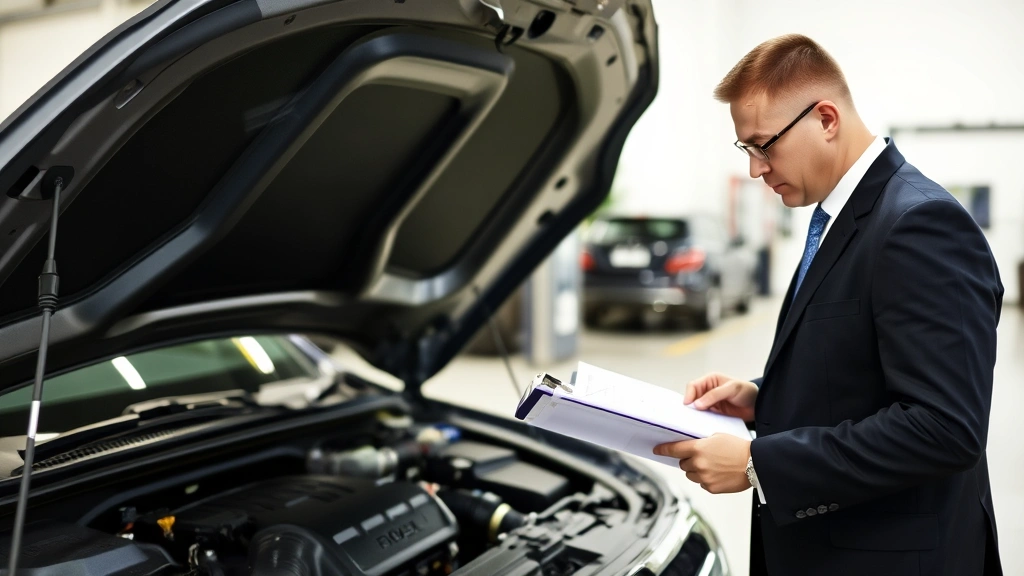
Pre-purchase inspections represent non-negotiable requirements for any hearse acquisition, regardless of seller reputation or vehicle apparent condition. Engage certified automotive technicians specializing in commercial vehicles to conduct comprehensive mechanical evaluations covering engine, transmission, brake systems, electrical systems, and structural integrity. Professional inspections typically cost $300-$500 but prevent vastly more expensive problems post-purchase.
Vehicle history reports obtained through Carfax or AutoCheck provide documented ownership history, accident records, title status, and service records. These reports identify salvage titles, flood damage, and prior major repairs that might affect vehicle reliability or resale value. Legitimate sellers readily provide these reports and encourage independent verification.
Physical inspections should include detailed examination of the hearse’s specialized components: hydraulic systems controlling casket mechanisms, interior lighting and climate control, sound systems, and structural modifications. Many hearses undergo significant customization during manufacturing, and verifying proper installation and functionality of these systems is essential before purchase.
Test driving a hearse reveals operational characteristics impossible to assess through static inspection. Evaluate braking performance, steering responsiveness, engine power delivery, and overall handling. Listen for unusual noises suggesting mechanical problems and assess visibility from the driver’s position, particularly important for funeral procession safety. Document all observations and discuss findings with your inspection technician.
Title verification and lien searches protect against purchasing vehicles with outstanding claims or unclear ownership. Conduct title searches through your state’s motor vehicle department and verify no outstanding liens exist before transferring funds. Legitimate sellers provide clear titles and cooperate fully with verification processes.
Legal and Regulatory Compliance
Hearse registration and licensing requirements vary by state but typically involve standard commercial vehicle registration with additional funeral service designations. Contact your state’s Department of Motor Vehicles to understand specific requirements, including vehicle inspection standards, emissions compliance, and funeral service licensing prerequisites.
Professional licensing for funeral service operations varies by jurisdiction. Many states require funeral directors and funeral home operators to maintain active professional licenses before purchasing operational vehicles like hearses. Verify all licensing requirements before purchase to ensure your acquisition aligns with regulatory obligations.
Accessibility and ADA compliance considerations apply to hearses used for public funeral services. Vehicles must accommodate mobility-impaired individuals and comply with federal accessibility standards. Discuss ADA compliance features with sellers and verify that any customizations meet current regulatory requirements.
Insurance requirements for hearses differ from standard commercial vehicles due to their specialized operational context. Obtain quotes from insurers specializing in funeral service operations, as standard commercial vehicle policies may exclude funeral-specific uses. Professional funeral service insurers understand industry risks and provide appropriate coverage at competitive rates.
Environmental compliance standards govern hearse emissions and fuel efficiency. Verify that any used hearse meets current emissions standards for your state and complies with fuel efficiency requirements. Older vehicles may require emissions modifications or face registration restrictions in states with stringent environmental regulations.
When exploring business expansion opportunities similar to gas station for sale acquisitions, hearse purchases require equivalent regulatory diligence. Understanding these compliance frameworks prevents costly legal issues and ensures operational legitimacy from day one.
FAQ
What is the average cost of a hearse?
New hearses typically range from $75,000 to $150,000 depending on manufacturer and specifications. Used hearses cost between $25,000 and $60,000 based on age, condition, and mileage. Certified pre-owned models fall in the $40,000-$80,000 range with warranty protection.
How long does it take to receive a new hearse?
New hearse delivery typically requires 6-12 months from order placement. This timeline reflects custom manufacturing, specialized component installation, and regulatory compliance verification. Used vehicle purchases allow immediate deployment, making them suitable for urgent capacity needs.
Are online hearse purchases safe?
Online purchases from established dealers with strong reputations are generally safe, particularly when combined with independent inspections and title verification. Avoid private sales through general marketplaces without thorough due diligence. Specialized funeral equipment sites offer safer online purchasing experiences than general-purpose platforms.
What maintenance do hearses require?
Hearses require standard automotive maintenance including oil changes, fluid checks, and brake servicing. Additionally, hydraulic systems controlling casket mechanisms need regular inspection and servicing. Specialized funeral equipment dealers can provide maintenance guidance and connect you with qualified service technicians.
Can I finance a hearse purchase?
Yes, commercial auto loans and equipment financing specifically for funeral service vehicles are widely available. Funeral industry lenders understand business cash flow patterns and offer competitive rates. Compare multiple lenders to secure optimal terms for your financial situation.
What should I look for in a used hearse?
Priority considerations include complete service history documentation, mileage appropriate for vehicle age, structural integrity free from accident damage, functional hydraulic and electrical systems, and clear title. Professional inspection by qualified technicians is essential before purchase.
Are there seasonal patterns in hearse availability?
Yes, winter months typically feature reduced inventory as funeral homes maintain stable operations. Spring and early summer present greater selection as businesses plan annual capital improvements. Understanding seasonal patterns helps time purchases strategically for better pricing and selection.
How do I verify a hearse seller’s legitimacy?
Check business registration, Better Business Bureau ratings, professional organization memberships, customer testimonials, and online reviews. Legitimate sellers maintain transparent pricing, welcome independent inspections, and provide comprehensive documentation. Request references from established funeral homes and verify all claims independently.


