Top Ford Trucks for Sale? Consumer Reviews and Buying Guide
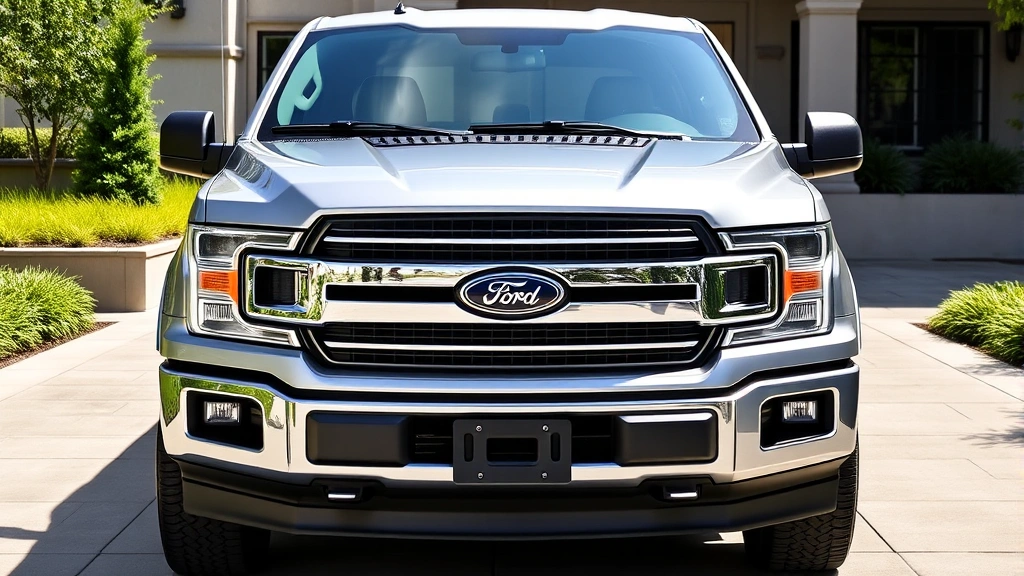
Ford trucks have dominated the American automotive market for decades, consistently ranking among the most reliable and sought-after vehicles for both personal and commercial use. Whether you’re searching for Ford trucks for sale in your local market or exploring options through online platforms, understanding consumer feedback and performance metrics is essential to making an informed purchase decision. The truck market has evolved significantly, with modern Ford models offering advanced technology, improved fuel efficiency, and enhanced safety features compared to earlier generations.
When evaluating Ford trucks for sale, buyers face numerous choices across multiple generations and trim levels. The used truck market presents exceptional opportunities for cost-conscious consumers who want proven reliability without the steep depreciation hit of new vehicles. This comprehensive guide examines the most popular Ford truck models based on consumer reviews, market data, and real-world performance insights to help you identify which option best suits your needs and budget.
Ford F-150: The Market Leader
The Ford F-150 remains the best-selling truck in America and consistently achieves top marks from consumer review platforms. This iconic vehicle has earned its reputation through exceptional durability, versatile capabilities, and strong resale value. The F-150 lineup spans multiple generations, each introducing significant improvements in technology, comfort, and performance metrics that appeal to diverse buyer demographics.
Recent F-150 models (2015-2024) feature aluminum bodies that reduce weight while maintaining structural integrity, improving fuel economy without sacrificing towing capacity. Consumers consistently praise the F-150 for its comfortable cabin, intuitive infotainment systems, and smooth ride quality compared to older generations. The truck’s towing capacity ranges from 5,000 to 14,000 pounds depending on configuration, making it suitable for both light hauling and serious commercial applications.
When searching for Ford trucks for sale in the F-150 category, you’ll discover options across multiple cab styles including regular cab, SuperCab, and SuperCrew configurations. SuperCrew models dominate the used market, offering superior rear-seat comfort and accessibility. Consumer reviews highlight the F-150’s reliability, with many owners reporting 200,000+ miles without major mechanical issues. The truck’s modular engine options—including EcoBoost turbocharged variants and traditional naturally aspirated engines—provide flexibility for buyers prioritizing fuel efficiency or raw power.
Extended cab F-150s offer a practical middle ground between hauling capability and passenger comfort. These models feature smaller rear doors and more cargo bed space than SuperCrew versions, appealing to buyers who occasionally transport passengers but prioritize utility. The standard bed length of 5.5 feet combined with the truck’s 133-inch wheelbase creates a balanced package that navigates urban environments more easily than longer configurations.
F-250 and F-350 Super Duty Trucks
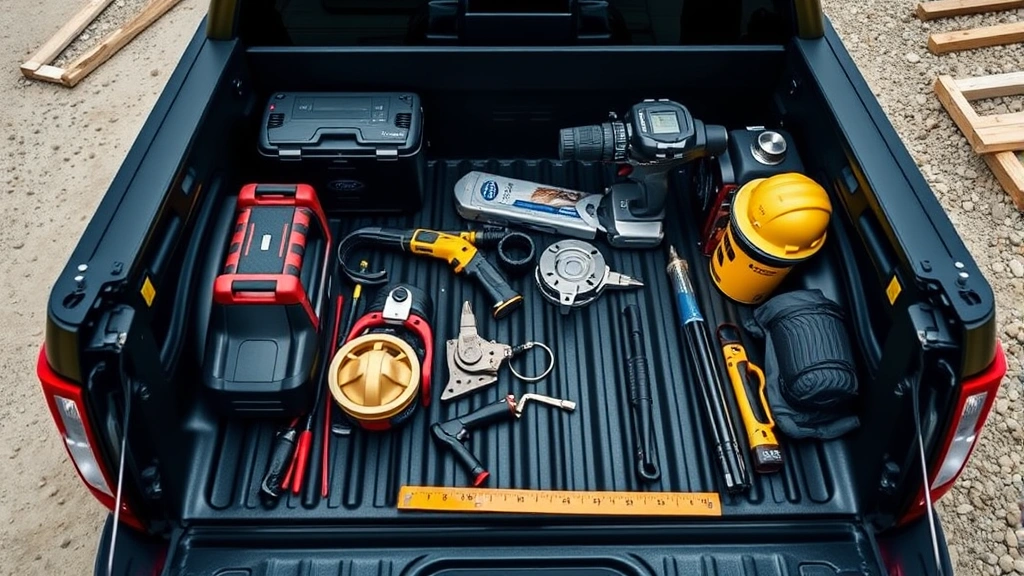
Ford’s Super Duty lineup represents the premium tier of heavy-duty trucks, designed for serious work applications and commercial operations. The F-250 and F-350 models feature reinforced frames, diesel engine options, and significantly higher towing and payload capacities than the F-150. These trucks dominate contractor fleets and commercial use scenarios, though consumer reviews increasingly reflect personal ownership among enthusiasts and rural property owners.
The Super Duty’s 6.7-liter Power Stroke diesel engine delivers exceptional torque—up to 1,050 lb-ft in recent models—enabling towing capacities exceeding 35,000 pounds when properly equipped. This capability distinguishes Super Duty trucks in the heavy-hauling segment, where traditional pickup trucks fall short. Consumer reviews emphasize the diesel engine’s longevity and reliability, with documented examples of vehicles exceeding 300,000 miles in commercial service.
F-250 models serve as the practical entry point to the Super Duty lineup, offering substantial capability increases over the F-150 while maintaining more reasonable fuel consumption and purchase prices. The F-350 provides maximum payload capacity and frame reinforcement, making it ideal for commercial upfitting with utility bodies, crane installations, or specialized equipment. When evaluating Ford trucks for sale in the Super Duty category, consider the specific work requirements and usage patterns that will justify the premium pricing over lighter-duty alternatives.
Recent Super Duty generations (2017-2024) introduced significant technological upgrades including advanced driver assistance systems, integrated backup cameras, and smartphone connectivity. The cabin comfort levels rival luxury vehicles, addressing consumer feedback that heavy-duty trucks previously sacrificed interior quality for capability. Crew cab configurations dominate the used Super Duty market, reflecting the increasing prevalence of these trucks in personal ownership rather than purely commercial fleets.
Ranger: Compact Truck Excellence
The Ford Ranger represents a return to the compact truck segment, reintroduced in 2019 after a lengthy absence from the American market. Consumer reviews have embraced the Ranger as a practical alternative for buyers who find the F-150 oversized for their needs while desiring modern technology and reliability. The Ranger splits the difference between the discontinued Maverick’s minimalist approach and the F-150’s full-size capabilities, creating a compelling middle-ground option.
The Ranger’s 3.0-liter EcoBoost engine provides adequate performance for most applications while delivering better fuel economy than comparable F-150s. Towing capacity reaches 5,600 pounds, sufficient for most personal trailers and recreational equipment. The truck’s 5-foot bed fits standard parking spaces more easily than the F-150, addressing consumer concerns about maneuverability in urban environments and residential driveways.
Consumer reviews consistently highlight the Ranger’s comfortable cabin, responsive steering, and refined driving dynamics compared to larger trucks. The SuperCrew configuration offers genuine rear-seat comfort without the excessive wheelbase length of full-size alternatives. Used Ranger inventory remains limited compared to F-150 options, as the model’s recent reintroduction means most available examples are relatively newer with higher mileage for their age than comparable F-150s.
The Ranger’s value proposition strengthens in regional markets where compact trucks command strong demand. Buyers prioritizing fuel efficiency, ease of parking, and manageable size often find the Ranger’s pricing premium justified by these practical advantages. When searching for Ford trucks for sale, the Ranger deserves consideration if your hauling needs fall within its capability envelope and you value urban usability alongside traditional truck functionality.
Where to Find Ford Trucks for Sale
Finding quality Ford trucks for sale requires understanding the diverse marketplace channels where private sellers, dealers, and commercial operations list inventory. Facebook Marketplace has emerged as a significant platform for private truck sales, enabling direct communication between buyers and sellers while reducing middleman costs. This channel particularly benefits buyers in rural areas where traditional dealerships may have limited inventory.
Major automotive platforms including AutoTrader, Cars.com, and Edmunds aggregate listings from dealerships and private sellers, enabling comprehensive market comparison across geographic regions. These platforms provide essential tools including price history analysis, vehicle history reports, and consumer review aggregation that inform purchasing decisions. According to Edmunds market data, Ford trucks consistently represent 25-30% of the used truck market, ensuring healthy inventory availability across price points.
Certified Pre-Owned (CPO) programs offered by Ford dealerships provide additional consumer protections including extended warranties and comprehensive inspections. While CPO trucks command price premiums compared to private sales, the warranty coverage and dealer accountability appeal to risk-averse buyers prioritizing peace of mind over maximum savings. Understanding proper contracts and documentation becomes essential when purchasing directly from private sellers, protecting both parties through clear terms and condition documentation.
Auction platforms including Copart and IAA provide access to insurance salvage trucks and fleet vehicles, occasionally offering exceptional value for mechanically-inclined buyers capable of addressing damage or wear. However, these channels require thorough inspection expertise and carry higher risk than traditional retail channels. Commercial truck dealers specializing in heavy-duty vehicles often maintain extensive F-250 and F-350 inventory, particularly in agricultural and construction-focused regions.
Consumer Review Insights
Analyzing aggregated consumer reviews reveals consistent themes regarding Ford truck ownership satisfaction and performance reliability. J.D. Power’s automotive consumer satisfaction studies consistently rank Ford trucks in the top tier for reliability and ownership experience, particularly across F-150 and Super Duty lineups. Consumer feedback emphasizes the trucks’ durability in demanding work environments, with many owners reporting satisfaction after 150,000+ miles of service.
Negative consumer reviews frequently cite transmission issues in certain model years, particularly 2011-2014 F-150s equipped with six-speed automatic transmissions. Prospective buyers evaluating vehicles from this era should prioritize pre-purchase inspections and transmission condition assessments. Modern transmission designs in 2015+ models have largely resolved these concerns according to consumer feedback, though individual vehicle history varies considerably.
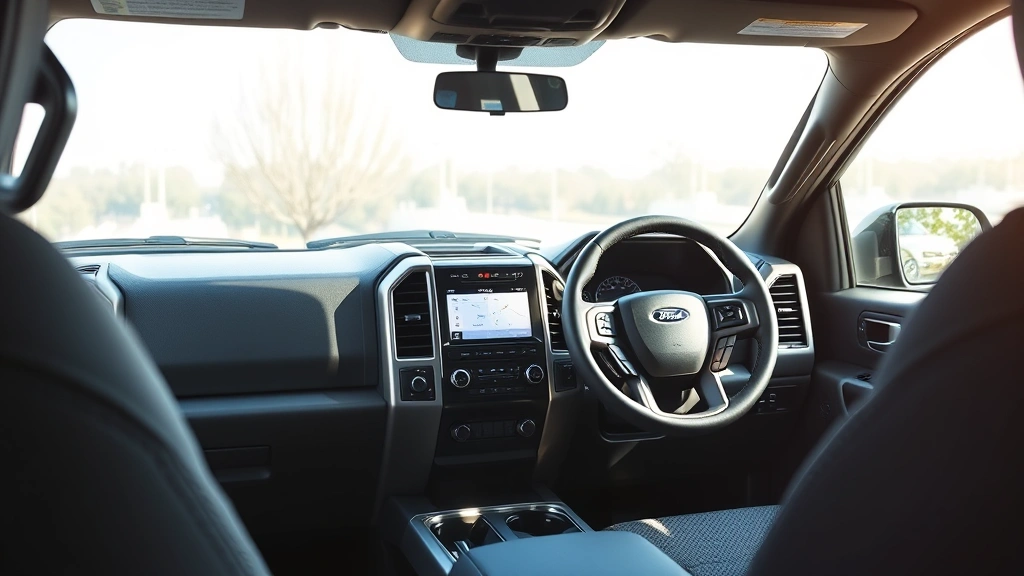
Interior quality and comfort improvements in recent Ford truck generations have generated particularly positive consumer sentiment. Buyers upgrading from older trucks consistently praise modern cabin ergonomics, infotainment responsiveness, and material quality. However, some consumers note that plastic interior components in base trim levels show wear more quickly than expected, suggesting consideration of higher trim levels if long-term durability matters.
Consumer reviews highlight exceptional towing and payload experiences with Super Duty models, with owners reporting confident hauling of heavy equipment and trailers without mechanical strain. The diesel engine’s characteristic sound and vibration receive mixed reviews—some enthusiasts appreciate the mechanical character while others find it fatiguing during extended highway driving. Fuel economy in real-world conditions typically ranges 15-18 mpg for F-150s and 12-16 mpg for Super Duty models, slightly below manufacturer estimates according to consumer reports.
Pricing and Value Considerations
Ford truck pricing in the used market reflects strong demand, with values holding considerably better than comparable non-truck vehicles. According to Kelley Blue Book market analysis, three-year-old F-150s typically retain 60-70% of original purchase price, substantially better retention than sedan or SUV alternatives. This strong resale value makes Ford trucks attractive investments even for buyers planning relatively short ownership periods.
Mileage impacts pricing significantly, with trucks under 100,000 miles commanding substantial premiums over higher-mileage examples. However, consumer reviews consistently report Ford trucks’ ability to deliver reliable service well beyond 150,000 miles, suggesting that moderately high-mileage examples may offer exceptional value for buyers prioritizing affordability. Service history documentation strengthens pricing justification, as trucks with complete maintenance records command 10-15% premiums compared to undocumented examples.
Regional pricing variations reflect local demand patterns and economic conditions. Rural agricultural regions typically offer lower truck prices due to higher local supply, while urban areas often command premiums reflecting limited availability. Exploring local market conditions and private seller options can reveal pricing advantages over distant dealership inventory requiring transportation logistics.
Trim level selection significantly impacts value retention, with popular middle-tier trims (Lariat, King Ranch, Platinum) maintaining stronger resale premiums than base or ultra-luxury variants. Buyers prioritizing resale value should focus on mainstream configurations reflecting broad market preferences rather than highly specialized trim combinations with limited secondary market appeal.
Maintenance and Ownership Costs
Ford truck ownership costs extend beyond initial purchase price, encompassing routine maintenance, repairs, and operational expenses. Consumer reviews indicate that regular oil changes, fluid top-offs, and filter replacements represent predictable maintenance expenses across all Ford truck models. The F-150’s accessible engine compartment and straightforward service procedures make routine maintenance relatively economical compared to some competitors.
Diesel-equipped Super Duty trucks incur higher fuel costs but lower overall maintenance expenses in many cases, as diesel engines typically require service less frequently than gasoline alternatives. However, diesel fuel prices fluctuate based on crude oil markets, potentially offsetting maintenance savings during periods of elevated petroleum costs. EPA fuel economy data provides baseline consumption estimates, though real-world performance varies based on driving patterns and load conditions.
Tire replacement represents a significant ownership cost for trucks, particularly for work-oriented vehicles regularly operating in demanding conditions. Consumer reviews suggest budgeting $200-400 per tire for quality replacements, with trucks requiring new rubber every 40,000-60,000 miles depending on driving patterns. Brake service costs typically range $300-800 per axle, with heavy-duty trucks requiring more frequent brake maintenance due to towing loads.
Extended warranty coverage from Ford dealerships can mitigate unexpected repair costs, particularly for buyers planning to exceed 100,000 miles. These warranties typically cost $1,500-3,000 depending on coverage terms and remaining vehicle lifespan. For buyers maintaining vehicles beyond 150,000 miles, warranty coverage may provide valuable financial protection against catastrophic failures.
FAQ
What Ford truck model offers the best fuel economy?
The Ford Ranger with EcoBoost engine delivers the best fuel economy among Ford trucks, achieving 18-24 mpg depending on driving conditions. F-150 models with EcoBoost engines typically achieve 16-22 mpg, while Super Duty diesel trucks range 12-16 mpg. Actual fuel economy varies significantly based on load, driving patterns, and terrain.
Are older Ford trucks still reliable for daily driving?
Consumer reviews confirm that Ford trucks from the 2000s and earlier generally remain reliable for daily driving when properly maintained. However, electronic components, transmission performance, and interior durability decline noticeably in vehicles exceeding 150,000 miles. Pre-purchase inspections become increasingly important for older trucks to identify wear and needed repairs.
Should I buy from a dealership or private seller?
Dealership purchases offer warranty protection and documented vehicle history, justifying premium pricing for risk-averse buyers. Private sales typically offer lower prices but require personal inspection expertise and place responsibility for vehicle condition entirely on the buyer. Understanding your risk tolerance and inspection capabilities should guide this decision.
What mileage should I avoid when buying a used Ford truck?
Consumer reviews suggest avoiding trucks in the 80,000-120,000 mile range if possible, as this period often requires expensive suspension and transmission service. Trucks under 80,000 miles typically have more remaining service life, while examples over 150,000 miles have depreciated to levels justifying their higher maintenance risk.
How do I verify a truck’s work history?
Request complete service records from the seller and obtain a vehicle history report through Carfax or AutoCheck. These reports reveal accident history, title problems, and service records in many cases. Professional pre-purchase inspections by independent mechanics can identify evidence of heavy work use including transmission strain and suspension wear.
Which Ford truck generation offers the best value?
Consumer reviews consistently recommend 2015-2017 F-150s as offering excellent value, as these models incorporate modern technology while depreciating below newer generations. Super Duty trucks from 2011-2013 similarly offer strong value for buyers prioritizing capability over latest features, though transmission inspection becomes critical for this generation.