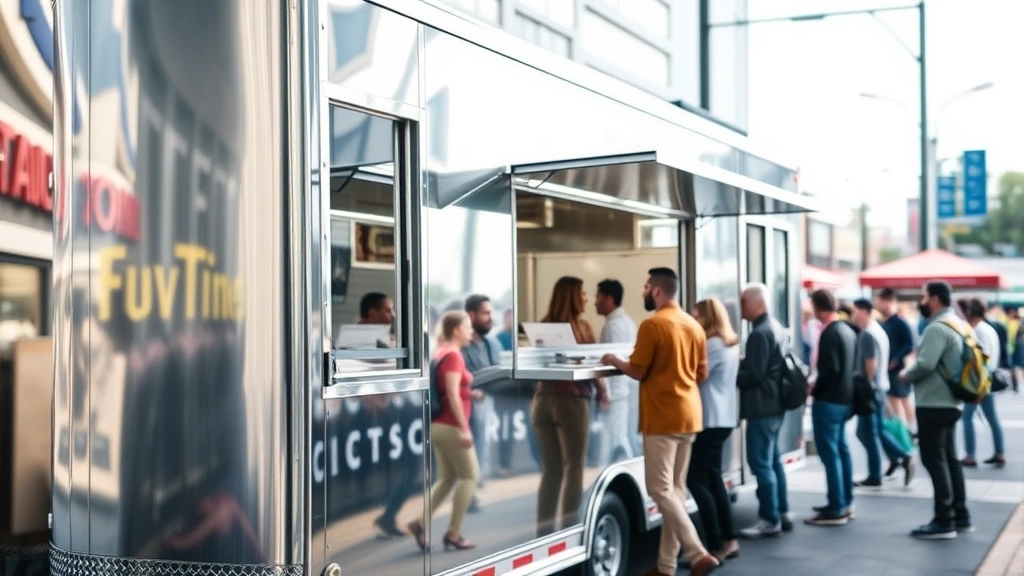
Buying a Food Trailer? Insider’s Tips & Tricks for Success
The food trailer business has exploded over the past decade, transforming from a niche venture into a mainstream entrepreneurial opportunity. With lower startup costs compared to brick-and-mortar restaurants and greater flexibility in location, a food trailer for sale represents an attractive entry point for aspiring food entrepreneurs. However, purchasing the right trailer requires careful planning, thorough inspections, and strategic financial considerations.
Whether you’re dreaming of serving gourmet tacos, artisanal coffee, or BBQ to hungry crowds, understanding the ins and outs of food trailer ownership is critical to your success. This comprehensive guide will walk you through everything you need to know before making this significant investment.
Understanding the Food Trailer Market
The mobile food industry has grown substantially, with the global food truck market valued at approximately $1.5 billion and projected to expand at a compound annual growth rate of 12.6% through 2030, according to Grand View Research. This growth reflects changing consumer preferences toward convenience, variety, and experiential dining.
When searching for a food trailer for sale, you’ll encounter various configurations: concession trailers, full-service mobile kitchens, specialized trailers for specific cuisines, and converted vintage trailers. Each type serves different market segments and requires different operational approaches. Understanding your target market, cuisine type, and operational goals will determine which trailer style suits your business vision.
The food trailer industry offers several advantages over traditional restaurants. You can test menu items, explore different neighborhoods, build a customer base, and operate with significantly lower overhead costs. However, success requires understanding local competition, seasonal demand patterns, and consumer preferences in your target areas.
Consider researching your local market thoroughly. Visit existing food trailers, speak with operators, and analyze foot traffic patterns in potential locations. This groundwork helps you make an informed decision about whether a food trailer investment aligns with market demand in your area.
Key Financial Considerations
The cost of a food trailer varies dramatically based on size, condition, equipment, and customization level. New custom-built trailers typically range from $20,000 to $100,000 or more, while used trailers can cost between $5,000 and $50,000. Budget-friendly options exist, but remember that the cheapest option often comes with hidden costs in repairs and equipment upgrades.
When evaluating financial aspects, consider these critical expenses:
- Initial Purchase Price: The trailer itself represents only one component of your investment
- Equipment and Setup: Commercial-grade cooking equipment, POS systems, and serving stations can add $5,000 to $30,000
- Permits and Licenses: Food service permits, business licenses, and health department certifications vary by location but typically cost $500 to $5,000 annually
- Insurance: Commercial liability and vehicle insurance run $1,500 to $3,000 yearly
- Maintenance and Repairs: Budget 5-10% of purchase price annually for upkeep
- Operational Costs: Fuel, food costs, utilities, and labor represent ongoing expenses
Understanding owner financing options can help make your purchase more manageable. Many sellers offer financing arrangements that reduce the burden of upfront capital requirements.
Develop a detailed financial projection covering your first 12-24 months of operation. Include realistic revenue estimates based on average transaction values, daily customer counts, and operational days per year. This projection helps secure funding and guides your operational decisions.
Inspecting and Evaluating Trailers
Never purchase a food trailer without conducting a thorough inspection. This step separates savvy entrepreneurs from those who inherit costly problems. Request a pre-purchase inspection from a qualified commercial trailer technician who can identify structural issues, mechanical problems, and equipment defects.
During your inspection, evaluate these critical components:
- Frame and Structure: Check for rust, corrosion, dents, and structural integrity. Rust indicates water damage and potential safety hazards
- Roof and Sealing: Inspect for leaks, gaps, and deterioration. Water intrusion causes extensive damage to equipment and interiors
- Electrical System: Verify all outlets function properly, grounding is adequate, and the system meets commercial requirements
- Plumbing: Test all water connections, check for leaks, and ensure water pressure is adequate for commercial use
- Cooking Equipment: Run all appliances, verify proper function, and confirm they’re certified for commercial use
- Ventilation System: Ensure hood systems work properly and meet health department standards
- Flooring: Check for damage, proper drainage, and compliance with food safety standards
- Tires and Chassis: Verify tire condition, brake function, and overall vehicle safety
Request maintenance records and service history documentation. A well-maintained trailer with documented upkeep indicates responsible ownership and suggests fewer hidden problems. Ask about any repairs made, equipment replacements, or modifications the previous owner completed.
Legal and Licensing Requirements
Operating a food trailer involves navigating a complex regulatory landscape that varies significantly by location. Before purchasing, research your specific jurisdiction’s requirements to ensure compliance is feasible and affordable.
Essential licenses and permits typically include:
- Food Service License: Proves your trailer meets health and safety standards
- Business License: Required to legally operate your business
- Health Department Permit: Verifies compliance with food safety regulations
- Mobile Food Facility License: Specific to food trailers and mobile food units
- Vehicle Registration: Commercial registration for the trailer and tow vehicle
- Parking Permits: Required for each location where you operate
- Music and Entertainment Permits: If you plan to play music or host events
Contact your local health department, business licensing office, and city planning department to understand specific requirements. Some jurisdictions have strict regulations limiting food trailer operations, while others actively encourage mobile food businesses. Understanding these regulations before purchasing prevents costly surprises.
For tax considerations, consult with a business accountant familiar with food service operations. Understanding sales tax requirements, particularly if you operate in multiple jurisdictions, helps you maintain compliance. For example, understanding state-specific sales tax requirements is crucial if you operate in those regions.
Location Strategy and Permits
Location determines success more than almost any other factor in the food trailer business. A great trailer in a poor location will struggle, while an average trailer in a high-traffic area can thrive. Develop a location strategy before making your purchase.
Identify potential operating locations by considering:
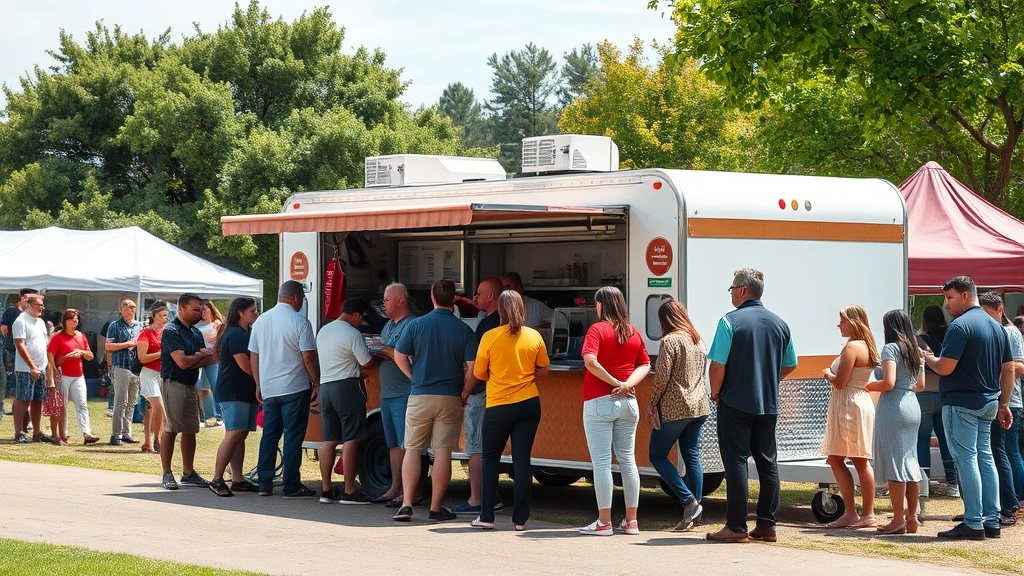
- Foot Traffic: High-traffic areas like parks, festivals, business districts, and entertainment venues provide consistent customer flow
- Demographics: Understand the income levels, age groups, and preferences of people in potential locations
- Competition: Evaluate existing food options and identify underserved niches
- Zoning Regulations: Verify that food trailers are permitted in your target locations
- Weather Patterns: Consider seasonal variations affecting customer demand
- Parking Availability: Ensure adequate space for your trailer and customer parking
Many successful food trailer operators use a multi-location strategy, rotating between established spots on different days. This approach maximizes exposure, serves different customer bases, and optimizes operational efficiency. However, this requires securing permits for multiple locations and managing logistics across various sites.
Negotiate location agreements carefully. Whether renting space from property owners, securing festival contracts, or obtaining parking permits, clarify all terms, costs, and duration. Verbal agreements aren’t sufficient; obtain written contracts protecting both parties’ interests.
Equipment and Kitchen Setup
The equipment you choose directly impacts your operational capacity, menu flexibility, and profitability. When evaluating a food trailer for sale, carefully assess the kitchen equipment and determine whether upgrades or replacements are necessary.
Essential equipment for most food trailers includes:
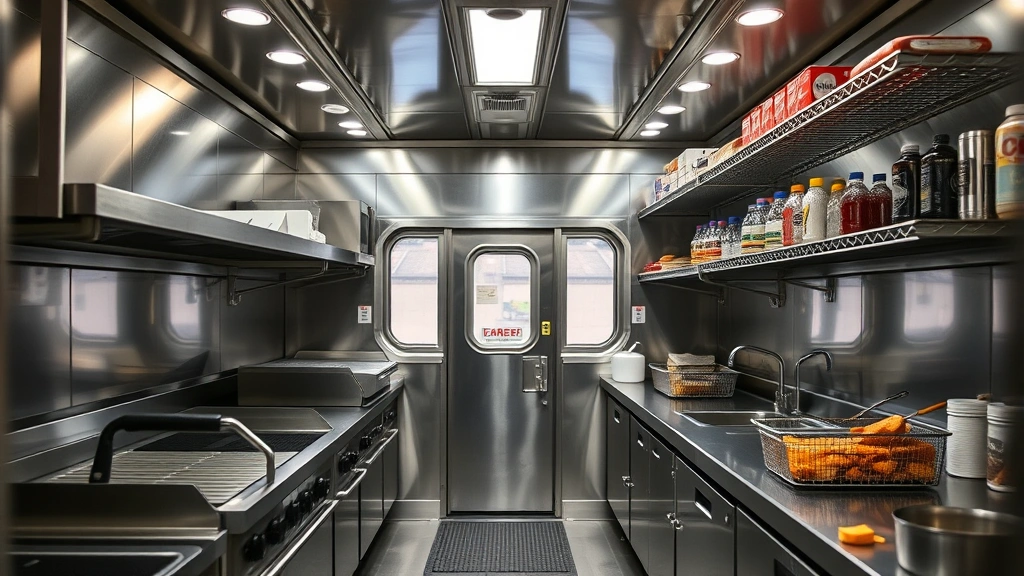
- Cooking Equipment: Griddles, fryers, grills, ovens, or steamers depending on your menu
- Refrigeration: Adequate cold storage for ingredients and finished products
- Prep Tables: Stainless steel surfaces for food preparation
- Sink Systems: Multiple compartment sinks for washing, rinsing, and sanitizing
- Point of Sale System: Modern POS technology for efficient transactions and inventory tracking
- Storage: Organized dry storage and shelving for supplies
- Safety Equipment: Fire suppression system, first aid kit, and emergency supplies
Commercial-grade equipment costs more than consumer alternatives but offers durability, reliability, and compliance with health department standards. Investing in quality equipment prevents operational disruptions and customer satisfaction issues.
Consider equipment efficiency and sustainability. Energy-efficient appliances reduce operating costs, while water conservation systems lower utility expenses. These investments pay dividends over time through reduced operational costs.
Financing Your Purchase
Financing a food trailer purchase offers several options beyond traditional bank loans. Understanding available financing mechanisms helps you make strategic decisions about funding your venture.
Common financing approaches include:
- Owner Financing: The seller finances part or all of the purchase price, often with more flexible terms than banks. This option works well when sellers are motivated to sell quickly or when you have limited traditional financing options. Explore owner financing options that may be available through private sellers or dealers
- SBA Loans: Small Business Administration loans offer favorable terms and lower interest rates for qualified borrowers
- Equipment Financing: Specialized lenders provide financing specifically for food service equipment and trailers
- Personal Loans: Using personal credit or collateral can fund your purchase, though typically at higher interest rates
- Partnerships and Investors: Bringing on business partners or investors provides capital while sharing ownership and risk
- Grants and Programs: Some municipalities and organizations offer grants or subsidized financing for small food businesses
Before pursuing financing, ensure your financial projections and business plan demonstrate viability. Lenders want evidence that your business will generate sufficient revenue to service debt payments. Develop a comprehensive business plan including market analysis, competitive positioning, financial projections, and operational details.
Consider comparing your food trailer investment to other small business opportunities. Reviewing alternative business models like vending machines or other mobile commerce options might provide perspective on relative costs and profit potential.
Negotiate financing terms carefully. Compare interest rates, repayment periods, and fees across multiple lenders. Even small differences in interest rates significantly impact total costs over the loan term. A professional accountant can help you evaluate different financing scenarios.
If you’re considering other small business ventures alongside a food trailer, exploring e-commerce platforms for small businesses could provide complementary revenue streams or business insights. Many food trailer operators use online ordering and delivery services to expand their reach beyond physical locations.
FAQ
What’s the average cost of a food trailer for sale?
New custom food trailers typically range from $20,000 to $100,000, while used trailers cost between $5,000 and $50,000. Prices vary based on size, condition, equipment quality, and customization. Budget for additional equipment, permits, and setup costs beyond the trailer purchase price.
How long does it take to get a food trailer business operational?
Timeline varies by location but typically ranges from 2-6 months. This includes purchasing the trailer, obtaining permits and licenses, securing insurance, setting up equipment, and negotiating location agreements. Some jurisdictions move faster than others, so research your specific area’s timeline.
Do I need a commercial driver’s license to operate a food trailer?
Requirements depend on your trailer’s weight and local regulations. Many food trailers fall under passenger vehicle classification and don’t require a commercial license, but heavier trailers may. Verify requirements with your local Department of Motor Vehicles before purchasing.
What’s the difference between a food truck and a food trailer?
Food trucks are self-propelled vehicles with built-in kitchens, while food trailers are towed behind a separate vehicle. Trailers typically offer lower initial costs, don’t require commercial driver’s licenses in most cases, and allow you to use the towing vehicle for other purposes when the trailer isn’t operating.
How much profit can a food trailer business generate?
Profit margins vary widely based on location, menu, operational efficiency, and market conditions. Most established food trailers report gross margins of 60-70% on food sales, with net profit margins of 15-25% after operating expenses. High-traffic locations and efficient operations achieve better results.
What insurance do I need for a food trailer?
You’ll need commercial general liability insurance, vehicle insurance for towing, and potentially workers’ compensation if you have employees. Many insurers offer packages specifically designed for mobile food businesses. Typical annual costs range from $1,500 to $3,000.
Can I operate a food trailer from home?
Most jurisdictions prohibit operating commercial food businesses from residential properties due to health and zoning regulations. You’ll typically need to operate from approved commercial locations, permitted parking areas, or events. Check local regulations before planning your operations.
What are common mistakes when buying a food trailer?
Common mistakes include: skipping professional inspections, underestimating startup costs, failing to research location regulations, purchasing without a solid business plan, ignoring equipment maintenance, and not securing permits before operating. Thorough preparation prevents costly errors.


