Top Salad Greens for Health? Nutritionist Insights
The fresh produce market has experienced unprecedented growth over the past decade, with leafy greens commanding a significant share of consumer purchasing decisions. According to recent data from the produce industry, salad greens represent one of the fastest-growing categories in both retail and foodservice channels. This surge reflects a broader consumer shift toward health-conscious eating, preventative wellness, and plant-based nutrition.
Understanding which salad greens deliver the most nutritional value has become essential for retailers, food service operators, and health-conscious consumers alike. The commercial viability of premium greens like arugula, microgreens, and specialty lettuces demonstrates that consumers are willing to invest in superior nutritional profiles. This article examines the top salad greens from a nutritionist’s perspective, exploring their health benefits, commercial availability, and market positioning.
Spinach: The Nutritional Powerhouse
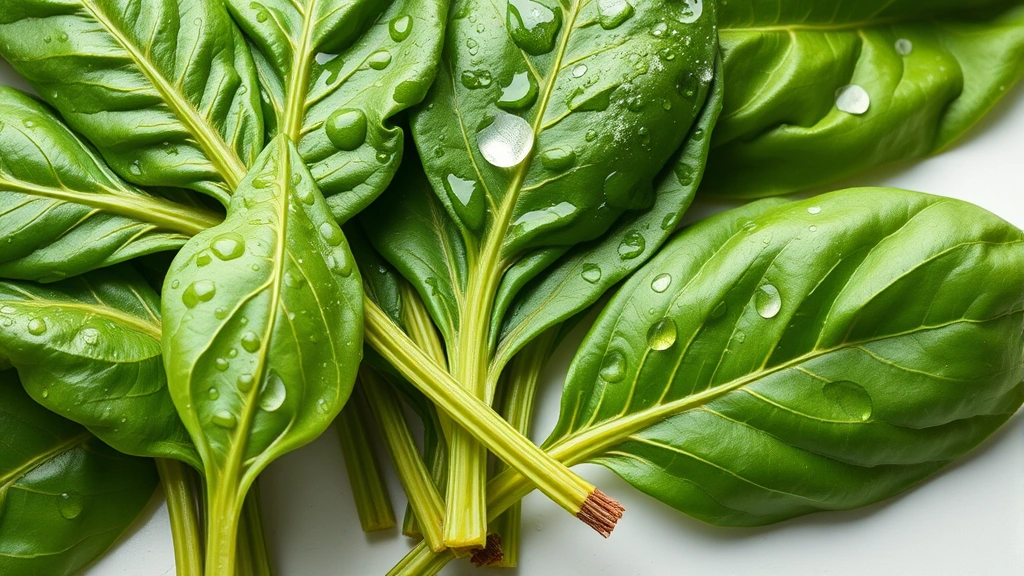
Spinach consistently ranks at the top of nutritionist recommendations for salad greens due to its exceptional nutrient density and versatility. This leafy green contains substantial amounts of iron, calcium, magnesium, potassium, and vitamins A, C, K, and folate. A single cup of raw spinach provides approximately 141% of the daily recommended value of vitamin K, essential for bone health and blood clotting mechanisms.
From a commercial perspective, spinach remains the most widely cultivated salad green globally. The fresh spinach market generated over $2.5 billion in 2023, with projections indicating steady growth through 2030. Retailers stock spinach year-round due to consistent supply chains and consumer familiarity. The presence of oxalic acid in spinach has been subject to considerable nutritional debate, though research demonstrates that moderate consumption poses minimal concern for most populations.
The bioavailability of nutrients in spinach improves significantly when consumed with healthy fats or light heat treatment. Nutritionists recommend pairing spinach with olive oil-based dressings to enhance absorption of fat-soluble vitamins. When sourcing spinach for commercial operations, look for reliable supply chains near me that can maintain proper cold chain logistics from farm to table.
Kale: Superfood Status and Market Growth
Kale has transformed from an obscure vegetable to a mainstream superfood phenomenon, representing one of the most significant commercial success stories in fresh produce. Nutritional analysis confirms kale’s legitimacy, with one cup providing over 1000% of daily vitamin K requirements and substantial amounts of vitamins A, C, calcium, and manganese. The cruciferous compound sulforaphane in kale demonstrates anti-inflammatory and potential cancer-preventative properties according to peer-reviewed nutritional research.
The kale market experienced explosive growth from 2010-2020, with consumption increasing over 500% in the United States alone. This growth reflects both nutritional merit and successful marketing strategies that positioned kale as a lifestyle choice. Curly kale, Lacinato (dinosaur) kale, and Red Russian kale each offer distinct nutritional profiles and culinary applications. Food service operators and retailers have capitalized on kale’s premium positioning to justify higher price points compared to conventional lettuces.
Consumers purchasing kale demonstrate higher average transaction values and greater willingness to explore specialty produce categories. This purchasing behavior creates opportunities for cross-selling complementary products and building customer loyalty within the health-conscious demographic segment.
Arugula: Bioactive Compounds and Flavor
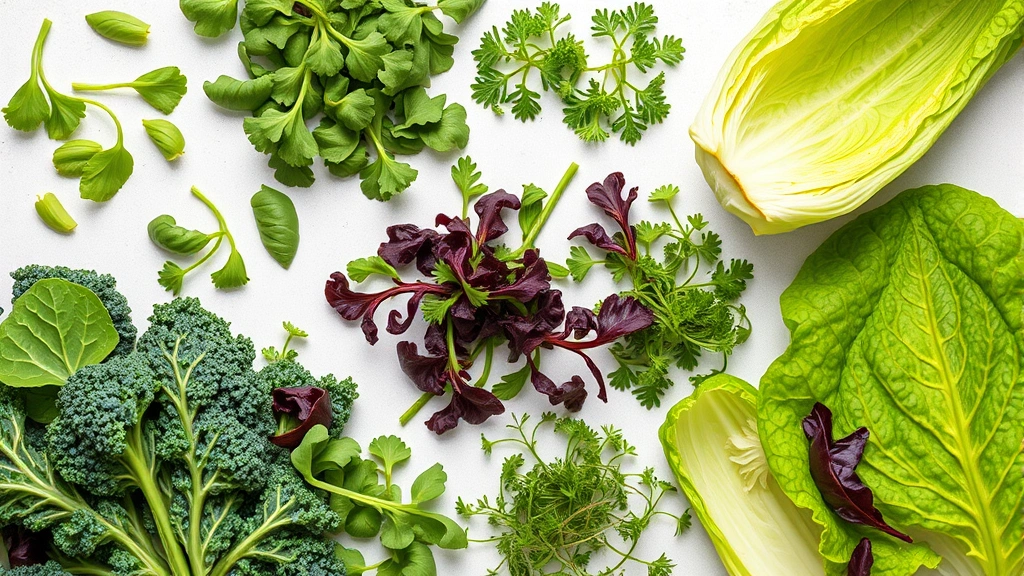
Arugula delivers a distinctive peppery flavor profile alongside impressive nutritional credentials. This cruciferous green contains glucosinolates, compounds that research suggests may possess anti-cancer properties. Arugula also provides significant amounts of vitamins K and C, folate, and calcium, with a notably low caloric density of approximately 5 calories per cup.
The commercial success of arugula demonstrates consumer willingness to embrace more sophisticated produce options. Premium salad mixes increasingly feature arugula as a key component, justifying price premiums of 40-60% compared to basic iceberg lettuce. Arugula’s short shelf life of 5-7 days creates inventory management challenges but also drives consistent consumer demand for fresh product.
Nutritionists particularly recommend arugula for its bioavailability of micronutrients and lack of significant antinutrients. The flavor intensity means smaller portions deliver substantial taste satisfaction, making arugula economically efficient for food service operations managing ingredient costs.
Romaine Lettuce: Classic Nutrition
Romaine lettuce maintains its position as the most consumed salad green in commercial foodservice, particularly within the quick-service restaurant segment. While less nutrient-dense than darker leafy greens, romaine provides meaningful amounts of vitamins A, K, C, and folate alongside beneficial fiber content. The high water content makes romaine an excellent choice for hydration-focused meal planning.
The commercial appeal of romaine derives from its extended shelf life (10-14 days), consistent availability, and consumer familiarity. Romaine’s crisp texture and mild flavor make it an ideal base for diverse dressing applications. Quality romaine sourcing requires attention to proper washing protocols and cold chain maintenance to prevent foodborne pathogen contamination, particularly following historical E. coli incidents that affected market perception.
Nutritionists recognize romaine as a reliable foundational green that pairs well with more nutrient-dense varieties, creating balanced salad compositions that maximize both nutrition and consumer acceptance.
Microgreens: Concentrated Nutrients
Microgreens represent the most nutrient-dense salad option available, containing concentrations of vitamins, minerals, and phytonutrients up to 40 times higher than their mature plant equivalents. These seedlings harvested at 7-14 days of growth deliver exceptional nutritional value in small portions. Research published in the Journal of Agricultural and Food Chemistry demonstrates that microgreens contain significantly elevated levels of polyphenols and glucosinolates compared to mature vegetables.
The commercial microgreens market remains relatively nascent but experiences rapid growth, with projections indicating 15-20% annual expansion through 2028. Premium restaurants and health-focused establishments command substantial price points for microgreens, often $25-40 per pound at wholesale. The controlled growing environment allows year-round production independent of seasonal variations, providing supply chain advantages.
Sourcing microgreens requires partnership with specialized growers operating controlled environment agriculture (CEA) facilities. The extended shelf life of 7-10 days provides operational flexibility compared to traditional field greens. For retailers exploring specialty produce expansion, microgreens represent a high-margin category attracting health-conscious consumer segments.
Swiss Chard: Underrated Nutritional Benefits
Swiss chard remains underutilized in commercial salad applications despite exceptional nutritional credentials. This leafy green provides abundant vitamin K, vitamin A, magnesium, manganese, and potassium. The colorful varieties (rainbow chard) add visual appeal to salad compositions while delivering identical nutritional benefits to traditional green chard.
Nutritionists emphasize that chard’s betalain pigments offer antioxidant and anti-inflammatory properties distinct from other common salad greens. The slightly stronger flavor profile requires complementary dressing strategies but appeals to consumers seeking more complex taste experiences. Chard’s robust structure maintains textural integrity longer than delicate lettuces, supporting extended shelf life and operational efficiency.
Commercial adoption of chard remains limited compared to kale or spinach, creating market opportunity for differentiation. Retailers introducing Swiss chard to conventional salad mixes can position themselves as offering superior nutritional sophistication to health-conscious demographics.
Sourcing and Commercial Availability
The salad greens supply chain encompasses regional growers, national distributors, and international suppliers competing on freshness, price, and consistency. Understanding sourcing options enables retailers and food service operators to optimize both nutritional offerings and cost management. USDA regulations and organic certification requirements significantly impact sourcing decisions and pricing structures.
Local and regional sourcing of salad greens provides competitive advantages including extended freshness, reduced transportation costs, and community relationship building. Many markets now feature local produce sections specifically highlighting regional growers. The farm-to-table movement has created premium market segments where consumers accept higher prices in exchange for traceability and local economic support.
When evaluating supply logistics and distribution requirements, consider that fresh produce demands specialized refrigerated transportation. Cold chain maintenance directly impacts product quality, food safety, and shelf life extension. Establishing relationships with reliable distributors who prioritize temperature control ensures consistent product quality reaching consumer tables.
Organic certification commands premium pricing, typically 30-50% above conventional greens. Consumer willingness to pay these premiums reflects both health consciousness and environmental values. Retailers stocking both organic and conventional options can serve diverse customer segments while maximizing category profitability.
Seasonal availability patterns should inform purchasing and promotional strategies. Spring and fall typically offer peak supply and lower pricing for most salad greens, while winter and summer require either imported product or premium-priced greenhouse production. Planning promotional calendars around seasonal abundance optimizes inventory turnover and margin management.
For operations requiring consistent year-round supply, establishing relationships with multiple regional growers provides resilience against weather disruptions and individual farm capacity limitations. Reliable distribution partners with proper transportation infrastructure prove essential for maintaining cold chain integrity during transit.
Food safety compliance represents a critical sourcing consideration. Implementing supplier verification protocols, traceability systems, and periodic testing ensures compliance with FDA regulations and protects against liability exposure. The cost of contamination incidents—including recalls, reputation damage, and potential legal consequences—far exceeds investments in proper sourcing protocols.
Emerging technologies including blockchain-based traceability systems and real-time cold chain monitoring devices enable unprecedented supply chain transparency. Early adopters of these technologies position themselves as industry leaders while building consumer trust through verifiable quality assurance.
FAQ
Which salad green provides the highest nutritional density?
Microgreens deliver the most concentrated nutrition, containing 40 times higher nutrient levels than mature plants. Among traditional salad greens, kale and spinach rank highest for nutrient density, particularly regarding vitamins K, A, and minerals. Dark leafy greens consistently outperform lighter varieties like iceberg lettuce in virtually all micronutrient categories.
How should salad greens be stored to maximize shelf life?
Proper storage requires maintaining temperature between 32-40°F with 95% humidity levels. Keep greens in sealed containers or high-humidity drawers, avoiding ethylene-producing fruits. Most salad greens remain fresh 5-14 days depending on variety, with heartier types like romaine and chard lasting longer than delicate lettuces. Avoid washing until immediately before consumption.
Are organic salad greens nutritionally superior to conventional options?
Research demonstrates minimal nutritional differences between organic and conventional salad greens. The primary advantages of organic production relate to pesticide residue reduction and environmental sustainability rather than inherent nutritional superiority. Consumer preference for organic reflects values alignment and perceived safety rather than measurable nutritional advantages.
What combinations of salad greens provide optimal nutrition?
Nutritionists recommend combining dark leafy greens (spinach, kale) with lighter varieties and cruciferous options (arugula) to create diverse micronutrient profiles. Adding microgreens to conventional salad mixes significantly boosts overall nutritional density. Pairing greens with healthy fats from nuts, seeds, or oil-based dressings enhances absorption of fat-soluble vitamins.
How do salad greens compare nutritionally to cooked vegetables?
Raw greens retain heat-sensitive vitamins like vitamin C more effectively than cooked preparations. However, cooking increases bioavailability of certain compounds like lycopene and beta-carotene. The optimal approach incorporates both raw and lightly cooked greens, providing complementary nutritional benefits and preventing nutrient loss from excessive heat exposure.
What market trends are emerging in the salad greens category?
Growth trends include microgreens expansion, specialty blend premiumization, locally-sourced positioning, and convenience-focused pre-washed options. Produce industry reports indicate sustained demand for premium and specialty varieties with consumers increasingly willing to pay for perceived health benefits and traceability. Sustainability and regenerative agriculture practices increasingly influence purchasing decisions among younger demographics.