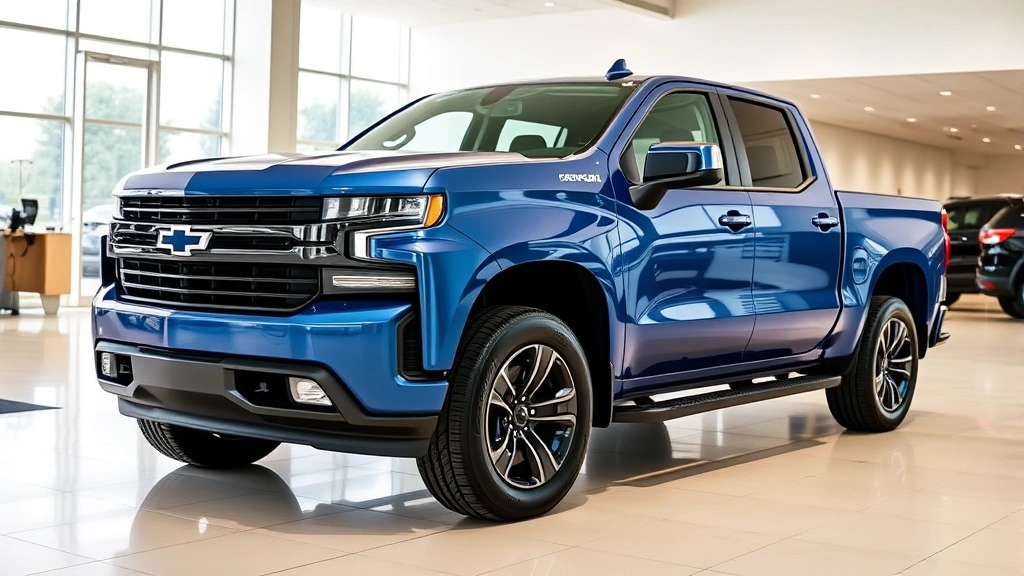
Chevy Trucks for Sale: Comprehensive Buyer’s Guide 2023
The truck market in 2023 continues to experience unprecedented demand, with Chevrolet maintaining its position as one of America’s leading truck manufacturers. Whether you’re a commercial operator, contractor, or individual buyer seeking a reliable workhorse, understanding the current Chevy truck landscape is essential. The automotive market has evolved significantly with inventory challenges, pricing fluctuations, and technological advancements reshaping buyer expectations and dealer strategies.
Chevrolet’s truck lineup offers something for virtually every buyer profile, from the iconic Silverado to specialized commercial variants. This comprehensive guide examines the available options, pricing trends, financing considerations, and strategic buying approaches for 2023. By understanding dealer inventory management practices and market dynamics, you’ll be better positioned to negotiate effectively and secure the right vehicle for your needs.
Understanding the 2023 Chevy Truck Market
The 2023 automotive year presents unique opportunities and challenges for truck buyers. Supply chain normalization has improved inventory availability compared to previous years, though demand remains robust. According to Cox Automotive market analysis, full-size truck sales continue to represent a significant portion of the overall vehicle market, with Chevrolet commanding approximately 28% of the segment.
Pricing dynamics have shifted considerably. While 2021-2022 saw unprecedented markups due to scarcity, 2023 offers more competitive pricing as manufacturers increase production and inventory levels stabilize. However, popular configurations and high-demand colors may still command premiums. Understanding dealer inventory management software principles helps explain why certain models move quickly while others linger on lots.
The market has also seen increased electrification discussions, though traditional gasoline and diesel powertrains remain dominant. The upcoming Chevy Silverado EV and Blazer EV signal the manufacturer’s commitment to electric vehicles, but buyers in 2023 primarily choose from proven internal combustion options. Fleet buyers and commercial operators continue relying on diesel variants, particularly the 6.6L Duramax engine.
Chevy Silverado: The Flagship Option
The Chevrolet Silverado remains the centerpiece of Chevy’s truck portfolio, competing directly with the Ford F-150 and Ram 1500. The 2023 Silverado offers multiple generations and configurations, creating both opportunities and potential confusion for buyers navigating options.
Silverado 1500 (Current Generation): The redesigned 1500 features enhanced styling, improved interior technology, and refined powertrains. Three gasoline engines are available: a 5.3L EcoTec3, a 6.2L engine, and a 3.0L Duramax diesel. The 1500 serves general consumers, weekend warriors, and light commercial users. Towing capacity reaches 13,000 pounds depending on configuration, while payload capacity tops out around 3,500 pounds.
Trim levels include Work Truck, Custom, RST, LT, and High Country, each targeting different buyer segments. Work Truck models appeal to commercial buyers and budget-conscious consumers, while High Country variants cater to luxury-oriented truck enthusiasts willing to pay premium prices. The mid-range RST and LT trims represent sweet spots for many buyers, offering substantial features without excessive cost.
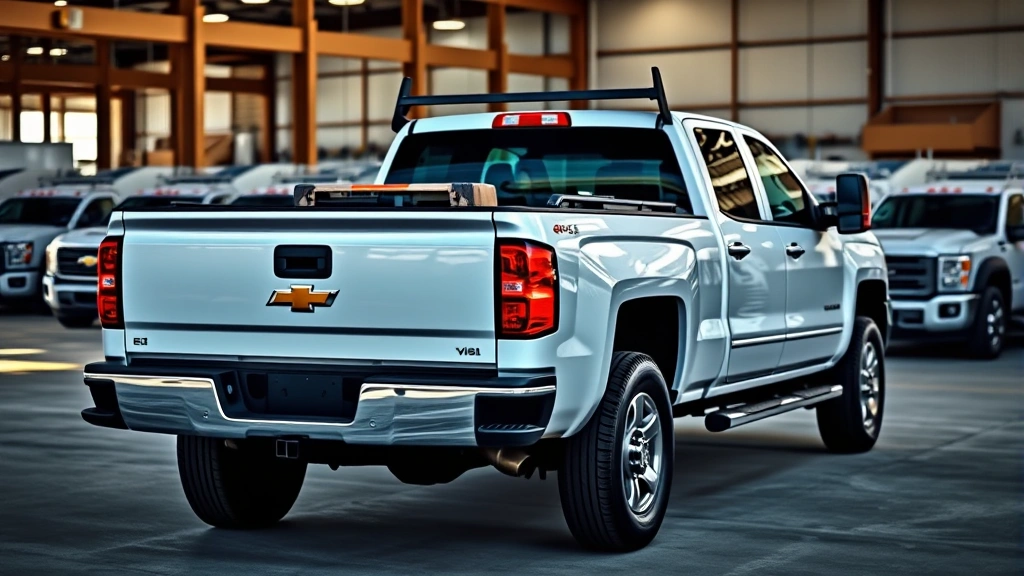
Silverado 2500HD and 3500HD: Heavy-duty variants serve contractors, fleet operators, and serious towing enthusiasts. The 2500HD and 3500HD feature the legendary 6.6L Duramax diesel as the primary engine, though gasoline options exist. Towing capacity for properly equipped 3500HD models exceeds 35,000 pounds, making these vehicles essential for commercial operations. These trucks command higher prices but deliver unmatched capability for demanding applications.
The 2023 Silverado lineup benefits from General Motors’ investment in truck technology, including updated infotainment systems, improved safety features, and enhanced connectivity. Buyers should evaluate whether these features justify the price premium, particularly if used primarily for work applications.
Colorado and ZR2: Midsize Solutions
For buyers seeking maneuverability without sacrificing capability, the Chevrolet Colorado offers compelling value. The midsize truck category has exploded in popularity, and the Colorado competes effectively against the Toyota Tacoma and Ford Ranger. The 2023 Colorado received significant updates, including a refreshed interior and available all-terrain capabilities.
The Colorado is available with a 2.7L EcoBoost-equivalent EcoTec3 turbo engine or a 3.0L Duramax diesel option. Both powertrains deliver adequate performance for most applications while maintaining reasonable fuel economy compared to full-size trucks. Towing capacity reaches 7,700 pounds, sufficient for many recreational and commercial purposes.
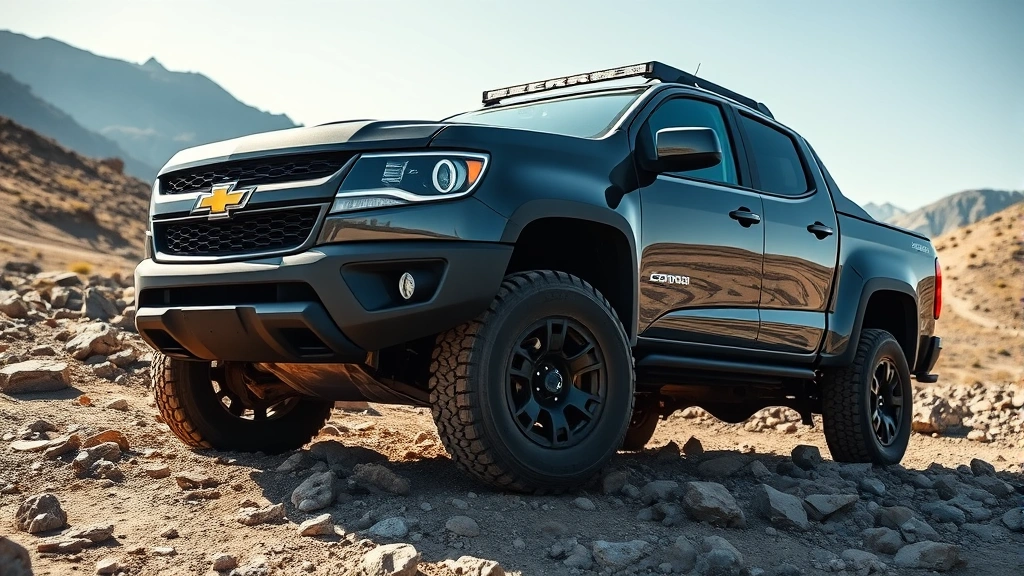
Colorado ZR2 Performance Variant: Chevrolet’s ZR2 represents a significant statement in the midsize truck segment, featuring aggressive styling, advanced off-road capabilities, and premium pricing. The ZR2 targets buyers seeking adventure-ready trucks with serious terrain prowess. Multimatic DSSV dampers, underbody protection, and all-terrain tires come standard, differentiating this model from standard Colorado offerings.
The Colorado’s compact footprint makes it ideal for urban and suburban environments where full-size trucks prove unwieldy. However, towing and payload capacities lag behind larger siblings, so buyers with serious commercial needs should consider Silverado options. The Colorado’s pricing advantage and operational efficiency appeal to buyers prioritizing value and versatility.
Pricing, Incentives, and Financing
Navigating truck pricing requires understanding current market conditions and manufacturer incentives. Base 2023 Silverado 1500 Work Truck models start around $28,000-$30,000, though realistic pricing for equipped vehicles typically ranges $35,000-$45,000 depending on powertrain and features. High Country variants exceed $60,000, positioning these trucks in premium territory.
Colorado models start lower, with base prices around $24,000-$26,000, making them attractive entry points for truck buyers. The ZR2 variant commands approximately $45,000-$50,000, reflecting its specialized positioning. Heavy-duty Silverado 2500HD and 3500HD models start around $35,000-$38,000 for base Work Truck configurations but easily exceed $70,000 for premium diesel variants.
General Motors regularly offers financing incentives, rebates, and special promotions. Current incentives typically include 0% APR financing for qualified buyers, cash rebates ranging $1,000-$5,000 depending on configuration, and trade-in bonuses. However, these incentives fluctuate based on inventory levels and sales goals. Monitoring e-commerce marketing strategies and dealer promotions reveals how manufacturers communicate these offers.
Financing considerations extend beyond interest rates. Loan terms of 60-84 months are standard, though longer terms increase total interest paid. Putting down 15-20% reduces monthly payments and improves loan-to-value ratios. Certified pre-owned Silverados and Colorados offer potential savings while providing manufacturer-backed warranties, though inventory varies seasonally.
Leasing options exist for buyers preferring lower monthly payments and warranty coverage, though mileage restrictions and wear-and-tear policies apply. Commercial operators often prefer leasing for fleet management purposes, while individual buyers typically benefit more from purchasing, particularly if they keep vehicles long-term.
Where to Find Chevy Trucks for Sale
Finding Chevy trucks for sale involves multiple channels, each with distinct advantages and considerations. Authorized Chevrolet dealerships remain the primary source, offering new vehicles with manufacturer warranties, financing options, and service capabilities. Dealerships typically have the broadest selection and can special-order specific configurations, though pricing may be less negotiable than private sales.
Online platforms have revolutionized truck shopping. Websites like Cars.com, Edmunds, and Autotrader allow buyers to search inventory across multiple dealerships, compare prices, read reviews, and schedule test drives. These platforms incorporate e-commerce analytics tools helping buyers understand market trends and pricing patterns. Many dealerships now offer virtual showrooms and delivery services, expanding accessibility.
Certified pre-owned (CPO) programs provide secondary market options with warranty coverage. Chevrolet’s CPO program includes extended warranties, roadside assistance, and vehicle history reports, reducing risk compared to private party purchases. CPO trucks typically cost 15-25% less than new equivalents while offering reliability assurance.
Private party sales offer potential savings but require careful vetting. Vehicle history reports (Carfax, AutoCheck), independent pre-purchase inspections, and thorough testing are essential. Private sellers typically have less negotiating flexibility than dealerships but may offer lower prices if motivated.
Fleet and commercial marketplaces cater to business buyers. Auctions, fleet liquidators, and commercial truck dealers specialize in volume sales. These channels often provide better pricing for commercial buyers purchasing multiple units or those seeking specific fleet configurations.
Negotiation Strategies and Best Practices
Effective negotiation requires preparation, market knowledge, and strategic approach. Research extensively before visiting dealerships. Understanding fair market pricing, available incentives, and your credit score positions you advantageously. Websites like Kelley Blue Book and NADA Guides provide pricing baselines for comparison.
Time your purchase strategically. End-of-month, end-of-quarter, and end-of-year periods typically offer better incentives as dealers pursue sales quotas. Weekdays generally provide more attentive service than weekends when dealerships are busy. Shopping during model year transitions (when new years arrive) can yield discounts on remaining previous-year inventory.
Get pre-approved financing. Obtaining pre-approval from banks or credit unions before dealership visits strengthens your negotiating position. Knowing your exact borrowing capacity prevents overspending and enables comparison shopping for financing rates. Dealers often offer competitive rates to match external offers.
Focus on total deal value. Rather than fixating on individual prices, evaluate total costs including trade-in value, financing terms, extended warranties, and service packages. Sometimes accepting slightly higher vehicle prices while securing favorable financing terms results in better overall value.
Don’t overlook extended warranties and protection packages. While dealer-offered warranties often carry markups, coverage for powertrain, wear items, and roadside assistance provides genuine value, particularly for trucks used commercially or in demanding conditions.
Walk away if negotiations stall. Multiple dealerships and online inventory mean you have alternatives. Patience often results in better deals as salespeople become motivated to close sales rather than lose customers.
Maintenance and Long-Term Ownership
Purchasing a truck represents significant investment, and ownership costs extend far beyond the purchase price. Understanding maintenance requirements and expected longevity informs buying decisions and budgeting.
Routine maintenance schedules include oil changes every 3,000-7,500 miles depending on engine type and oil, air filter replacements, transmission fluid services, and coolant flushes. Chevy recommends specific intervals detailed in owner’s manuals. Following these schedules preserves warranty coverage and maintains vehicle reliability.
Trucks experiencing heavy use require more frequent maintenance. Commercial vehicles, towing operations, and off-road use accelerate wear on brakes, suspensions, and powertrains. Budgeting for more frequent service intervals is essential for these applications. Diesel engines, while durable, require specialized maintenance including fuel filter changes and emissions system service.
Common maintenance costs: Brake service typically runs $300-$600 per axle, tire replacement ranges $800-$1,500 for a full set depending on quality, and transmission fluid services cost $150-$300. Diesel fuel filter replacements and emissions work add expense compared to gasoline engines.
The truck’s lifespan depends heavily on maintenance practices and use conditions. Well-maintained Silverados and Colorados routinely exceed 200,000 miles, though heavy commercial use may reduce longevity. Resale values reflect maintenance history, so detailed service records enhance future sale prices.
Understanding dealer B2B sales principles helps commercial operators negotiate fleet maintenance programs with dealerships, potentially reducing service costs through volume agreements.
Insurance costs for trucks vary based on model, age, and usage. Commercial insurance generally costs more than personal use coverage. Obtaining insurance quotes before finalizing purchases ensures total ownership costs remain within budget.
Frequently Asked Questions
What is the best Chevy truck for towing?
For maximum towing capacity, the Silverado 3500HD with diesel engine and proper configuration exceeds 35,000 pounds. For general consumers, the Silverado 1500 with 6.2L gasoline or 3.0L diesel engines provides excellent towing capability around 13,000 pounds. Midsize buyers should consider the Colorado with diesel engine, which tows up to 7,700 pounds.
Are 2023 Chevy trucks good investments?
Trucks generally retain value better than cars, and Chevy’s reputation supports resale values. However, trucks are depreciating assets. Proper maintenance, reasonable mileage, and timely purchases during incentive periods optimize value retention. Commercial trucks used heavily depreciate faster than personal vehicles.
Should I buy new or certified pre-owned?
New trucks offer full warranties, latest technology, and customization options. CPO trucks provide 15-25% savings with warranty coverage and vehicle history verification. Commercial buyers with heavy usage patterns often prefer new vehicles for warranty support, while personal users may find CPO options more cost-effective.
What financing terms are typical for trucks?
Standard truck financing ranges 60-84 months at interest rates between 3-8% depending on credit scores and current market conditions. Down payments of 15-20% are typical, though some dealers offer zero-down promotions. Longer loan terms reduce monthly payments but increase total interest paid.
How do I compare truck prices across dealerships?
Use online platforms like Cars.com and Edmunds to search inventory and pricing across multiple dealerships. Request quotes from several dealers for identical configurations, accounting for destination charges and dealer-specific fees. Pre-approval financing enables comparison shopping without dealer pressure.
What is the difference between Work Truck and other trim levels?
Work Truck trims emphasize functionality with basic features, vinyl seating, and minimal technology. RST and LT trims add comfort features, better interiors, and technology packages. High Country trims prioritize luxury with premium leather, advanced technology, and distinctive styling. Choose based on intended use and budget.