Where to Buy 2JZ Engines? Trusted Sources for Quality Performance Parts
The Toyota 2JZ engine has become legendary in the automotive aftermarket community, renowned for its robust inline-six architecture, exceptional tuning potential, and bulletproof reliability. Whether you’re building a high-performance sports car, restoring a classic Supra, or swapping an engine into a custom project vehicle, sourcing a quality 2JZ engine is one of the most critical decisions you’ll make. The market for used and rebuilt 2JZ engines has expanded significantly in recent years, creating both opportunities and challenges for buyers seeking authentic, dependable powerplants.
Finding a legitimate 2JZ engine for sale requires understanding where to look, how to evaluate quality, and what red flags to watch for. This comprehensive guide walks you through trusted sources, vetting procedures, pricing expectations, and essential considerations that will help you make an informed purchase decision. From specialty engine suppliers to online marketplaces, we’ll explore the landscape of 2JZ acquisition and equip you with the knowledge needed to secure the right engine for your project.
Understanding the 2JZ Engine Market
The 2JZ engine market has evolved into a sophisticated ecosystem with multiple supply channels, price tiers, and quality grades. Whether you’re seeking a complete engine or specific components, understanding the current landscape helps you navigate purchasing decisions more effectively. The demand for these engines continues to grow as automotive enthusiasts recognize their exceptional performance characteristics and modification ceiling.
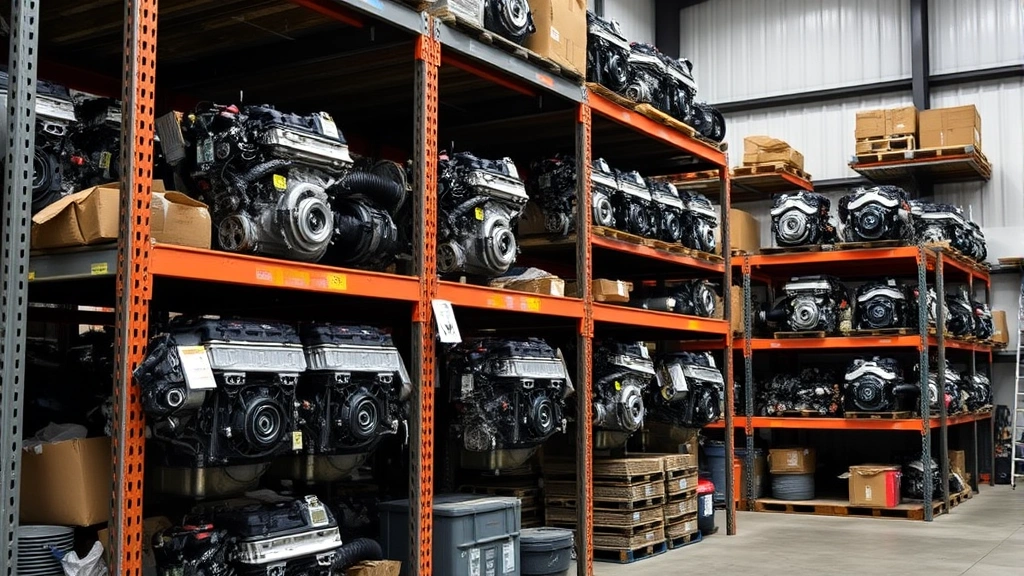
The market distinguishes between several engine categories: original equipment manufacturer (OEM) used engines imported directly from Japan, professionally rebuilt engines with warranties, custom-built high-performance variants, and lower-cost salvage yard units with minimal service history. Each category serves different budgets and project requirements. OEM used engines typically command premium pricing due to their original condition and documented heritage, while salvage yard units offer budget-friendly options for builders with mechanical expertise and access to diagnostic equipment.
Market pricing fluctuates based on engine variant (naturally aspirated 2JZ-GE versus turbocharged 2JZ-GTE), mileage, condition documentation, and current demand trends. Understanding these market dynamics prevents overpaying and helps you identify genuine value propositions from opportunistic sellers.
Specialty Engine Suppliers and Importers
Dedicated engine importers and specialty suppliers represent the most reliable source for quality 2JZ engines. These businesses maintain relationships with Japanese dismantlers, manage importation logistics, perform quality inspections, and provide warranty coverage. They’ve invested significantly in building reputation and customer trust, making them the preferred choice for serious builders.
Leading specialty suppliers typically maintain inventory of multiple engine variants, complete engine packages, and associated components. They provide detailed condition reports, compression testing results, photographic documentation, and often include installation support or consultation services. Many specialists offer core exchange programs, allowing customers to return old engines for credit toward their purchase, similar to how you’d evaluate options when looking for birds for sale through established retailers rather than unknown sources.
When evaluating specialty suppliers, verify their business registration, customer reviews across multiple platforms, warranty terms, return policies, and technical expertise. Legitimate suppliers typically have established websites, respond promptly to inquiries, provide comprehensive product information, and maintain transparent communication throughout the transaction. They often belong to industry associations and maintain certifications demonstrating their commitment to quality standards.
Request references from previous customers and examples of completed installations. Many reputable suppliers maintain photo galleries of successful engine swaps and can connect you with other builders who’ve purchased from them. This peer validation provides confidence that your purchase will meet expectations.
Online Marketplaces and Platforms
Online platforms like eBay Motors, Facebook Marketplace, Craigslist, and specialized automotive forums have become significant channels for 2JZ engine transactions. These platforms offer broader selection and sometimes competitive pricing, but require significantly more diligence during the evaluation process.
eBay Motors provides buyer protection mechanisms and seller rating systems that add accountability to transactions. Successful purchases on this platform typically involve sellers with established track records, detailed item descriptions, comprehensive photographs, and documented shipping procedures. Request seller histories, read customer feedback carefully, and ask specific questions about engine documentation, testing procedures, and warranty terms before committing to a purchase.
Facebook Marketplace and Craigslist offer direct peer-to-peer transactions that can yield exceptional deals but carry elevated risk. These platforms lack formal buyer protection mechanisms, making it essential to inspect engines in person, verify seller information, conduct thorough mechanical inspections, and never send payment before physically examining the product. Meeting in safe, public locations and bringing a knowledgeable friend familiar with engine specifications provides additional security.
Specialized automotive forums and communities dedicated to 2JZ swaps often feature classified sections where members buy and sell engines. These communities typically enforce higher standards through reputation systems and peer accountability. Forum-based transactions often involve more transparent communication and greater willingness to answer technical questions, though you still must exercise appropriate caution.
When using online platforms, be suspicious of prices significantly below market rates, sellers unwilling to provide multiple detailed photographs, requests for wire transfer or cryptocurrency payments, and vague condition descriptions. Legitimate sellers welcome technical questions and provide comprehensive documentation supporting their asking price.
Local Salvage Yards and Dismantlers
Regional salvage yards and engine dismantlers represent accessible local sources for 2JZ engines, particularly if you can inspect vehicles in person before purchasing. Many yards maintain inventory systems allowing you to search for specific engine variants and specifications. The advantage of purchasing locally includes avoiding shipping costs, immediate inspection capabilities, and quick acquisition timelines.
However, salvage yard inventory and quality standards vary considerably. Some yards maintain rigorous documentation and testing procedures, while others offer minimal information about engine history, mileage, or condition. Before purchasing from a salvage yard, ask specific questions: What vehicle did this engine come from? What was the vehicle’s total mileage? Do you have compression test results? Has the engine been pressure tested? What warranty or return policy do you offer?
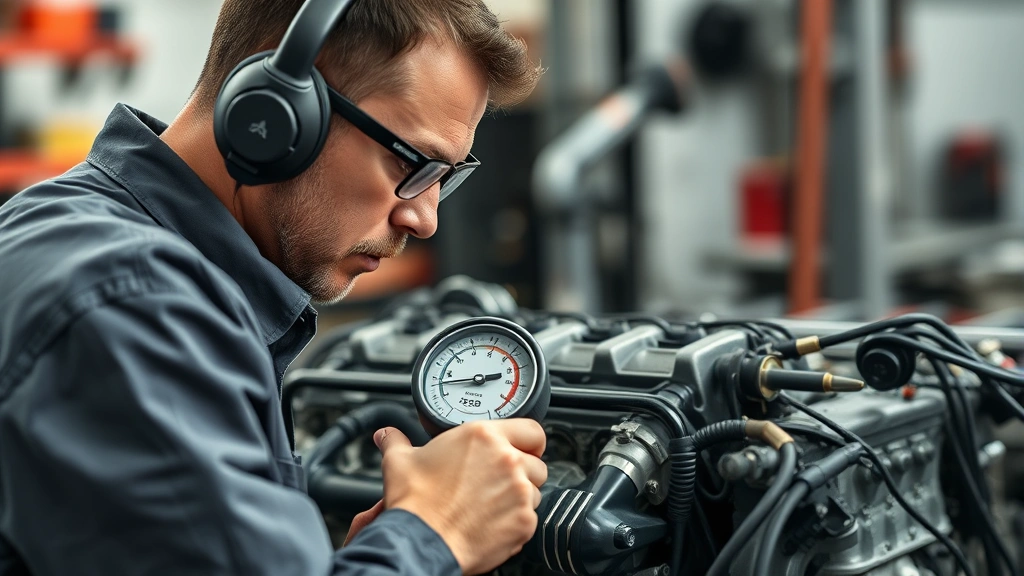
Bring diagnostic equipment to salvage yard inspections. Compression testing, leak-down testing, and visual inspection of internal components can reveal issues that aren’t apparent from external examination. Many salvage yards charge nominal fees for diagnostic testing but provide invaluable information preventing costly mistakes. If the yard refuses to allow testing or seems evasive about engine history, consider purchasing elsewhere.
Establish relationships with local salvage yards specializing in Japanese imports. These facilities typically understand 2JZ specifications, maintain better documentation, and can provide valuable consultation regarding engine selection and installation requirements. They’re also more likely to source replacement components if you discover issues post-purchase.
Direct International Sources
Purchasing directly from Japanese engine suppliers and dismantlers offers access to large inventories and sometimes competitive pricing, though it requires navigating international logistics, import regulations, and communication barriers. Several established import brokers specialize in facilitating these transactions for North American buyers.
Direct international sourcing requires understanding import regulations, tariffs, and shipping logistics. Working with established import specialists handles these complexities and ensures compliance with regulations. They manage customs documentation, arrange international shipping with proper packaging and insurance, and handle import duties transparently. While this approach adds service fees, it provides security and professional handling that direct purchasing often lacks.
Japanese suppliers typically require advance payment, offer limited return options, and may have language barriers affecting communication clarity. Working through established import brokers eliminates many of these complications. These brokers maintain relationships with Japanese suppliers, provide English-language communication, handle logistics professionally, and often offer limited warranties covering the transaction.
Verify that international suppliers and brokers are registered businesses with verifiable contact information, physical addresses, and legitimate business operations. Request references, check online reviews on international commerce platforms, and understand all terms before committing to payment. The lowest price isn’t always the best value when international shipping, potential complications, and limited recourse are considered.
Evaluating Engine Condition and Authenticity
Distinguishing between high-quality engines and problematic units requires systematic evaluation procedures. Before purchasing any 2JZ engine, conduct thorough inspections and request specific documentation demonstrating engine condition.
Visual Inspection and Documentation: Examine the engine thoroughly, looking for signs of previous damage, poor repairs, or corrosion. Check that all identifying numbers match documentation. 2JZ engines have specific casting numbers, serial numbers, and identification marks that should be documented. Request photographic proof of these identifiers and verify they match the specifications you’re purchasing.
Compression Testing: Compression tests reveal cylinder condition and piston ring integrity. All cylinders should show similar readings within acceptable ranges. Significant variations between cylinders indicate worn rings, damaged pistons, or valve issues. Request compression test results before purchasing, or plan to conduct testing yourself during inspection.
Leak-Down Testing: This diagnostic procedure identifies specific leak sources and provides detailed information about internal condition. Professional leak-down testing costs $50-150 but provides invaluable data preventing costly mistakes. Reputable sellers often provide these results proactively.
Photographic Documentation: Request comprehensive photographs showing the engine from multiple angles, intake manifold interior condition, valve cover condition, block exterior, and any areas of concern. These photographs document the engine’s condition at sale and provide evidence if disputes arise later.
Service History: Legitimate sellers provide documentation of the vehicle the engine came from, maintenance records, and any known issues. Complete service histories indicate well-maintained engines more likely to perform reliably in your project. Engines from vehicles with spotty maintenance histories warrant additional scrutiny.
Verify authenticity by confirming the engine variant matches your specifications. The 2JZ-GE (naturally aspirated) and 2JZ-GTE (turbocharged) are distinctly different engines. Confirm which variant you’re purchasing and verify it matches documentation. Unscrupulous sellers sometimes misrepresent engine variants, significantly affecting performance and compatibility.
Pricing and Budget Considerations
2JZ engine pricing varies significantly based on variant, condition, mileage, and market conditions. Understanding typical price ranges helps identify fair deals and avoid overpaying. Current market data from industry sources provides realistic benchmarks.
Used OEM 2JZ-GE engines typically range from $800-1,500 depending on condition and mileage. Turbocharged 2JZ-GTE engines command higher prices, typically $1,500-2,500 for used units in good condition. Professionally rebuilt engines with warranties generally cost $2,000-3,500 for naturally aspirated variants and $3,000-5,000 for turbocharged models. High-performance custom-built engines can exceed $6,000 depending on specifications and modifications.
Budget considerations should include more than the engine purchase price. Factor in shipping costs ($300-800 depending on distance), installation labor ($1,500-3,500 depending on complexity), necessary gaskets and seals ($200-400), cooling system components ($300-500), and potential unexpected repairs ($500-2,000 contingency). Comprehensive budgeting prevents project delays and financial surprises.
Compare total cost of ownership across different purchase options. The cheapest engine option may result in higher total costs if it requires extensive repairs or diagnostic work. Mid-range professionally rebuilt engines often provide better overall value by combining reasonable pricing with warranty coverage and documented condition. This approach parallels how wise consumers evaluate options when considering bearded dragon for sale through reputable breeders rather than unknown sources, balancing initial cost against long-term value and support.
Warranty and Support Options
Warranty coverage and post-purchase support significantly influence long-term satisfaction with your 2JZ engine purchase. Different sellers offer varying levels of protection and assistance.
Warranty Terms: Reputable specialty suppliers typically offer 30-90 day warranties covering manufacturing defects and mechanical failures. Some premium suppliers extend warranties to six months or one year. Understand warranty specifics: Does it cover labor costs or only parts replacement? Are there mileage limitations? What constitutes warranty-eligible failure?
Return Policies: Legitimate sellers establish clear return policies allowing customers to return engines within specified timeframes if they don’t meet expectations or arrive damaged. Understand restocking fees, return shipping costs, and condition requirements for returns. Core exchange programs offering credit for returned engines provide additional flexibility.
Technical Support: Quality suppliers provide technical consultation regarding installation, diagnostics, and troubleshooting. This support proves invaluable when issues arise or questions emerge during installation. Specialists familiar with 2JZ engines can provide guidance that generic mechanics might not possess.
Documentation and Records: Request all documentation provided with the engine, including compression test results, photographs, shipping documentation, and warranty papers. Maintain these records throughout ownership, as they document engine condition and support future resale value.
Establish communication channels with your seller before purchasing. Responsiveness to pre-purchase inquiries predicts post-purchase support quality. Sellers who answer questions thoroughly and promptly are more likely to provide excellent service if issues arise.
Consider purchasing from sellers offering extended warranty options, even at slightly higher prices. The peace of mind and protection provided by comprehensive warranty coverage often justifies modest price premiums, particularly for complex automotive components like complete engines.
FAQ
What’s the difference between 2JZ-GE and 2JZ-GTE engines?
The 2JZ-GE is a naturally aspirated engine producing approximately 220 horsepower in stock form, while the 2JZ-GTE features twin turbochargers producing 320+ horsepower stock. The GTE includes reinforced internals, different pistons, turbocharger systems, and intercooler components. Both share similar displacement (3.0 liters) but have distinctly different characteristics and applications. Verify which variant you’re purchasing, as they’re not interchangeable without significant modifications.
How can I verify a 2JZ engine is authentic?
Verify authenticity by checking casting numbers, serial numbers, and identification marks against documentation. Cross-reference these numbers with Toyota’s specifications and confirm they match the variant you’re purchasing. Request photographs of these identifiers and compare them against known authentic examples. Reputable sellers provide this documentation proactively without hesitation. Be suspicious of sellers unable or unwilling to provide detailed identification verification.
Should I purchase from international sources directly?
Direct international purchasing offers potential cost savings but involves complications including language barriers, limited recourse, customs documentation, and extended timelines. Using established import brokers adds service fees but provides professional handling, English-language communication, and liability protection. For first-time buyers or those unfamiliar with international commerce, working through established brokers typically provides better overall value despite slightly higher costs.
What should compression test results look like?
Healthy 2JZ engines typically show compression readings between 140-170 PSI across all cylinders. Variations of more than 10-15 PSI between cylinders indicate wear or damage. Readings below 120 PSI suggest significant wear, while extremely high readings might indicate carbon buildup. Request compression test results before purchasing, or plan to conduct testing during inspection. Professional mechanics can explain results and identify specific issues indicated by the data.
What’s a reasonable price for a used 2JZ engine?
Used 2JZ-GE engines typically cost $800-1,500 depending on condition and mileage. Turbocharged 2JZ-GTE engines range from $1,500-2,500. Professionally rebuilt engines with warranties cost $2,000-5,000 depending on the variant. Prices fluctuate based on market demand, availability, and condition. Compare multiple sources to understand current market rates. Prices significantly below market range warrant additional investigation regarding authenticity and condition.
Can I install a 2JZ engine myself?
2JZ engine installation requires mechanical expertise, specialized tools, and significant time commitment. Most installations require 40-80 hours of labor depending on the host vehicle and desired integration level. If you lack experience with engine swaps, budget for professional installation labor ($1,500-3,500) alongside the engine purchase. Even experienced builders often benefit from professional guidance during complex installations involving wiring, cooling system integration, and emissions compliance.
What additional components do I need for installation?
Beyond the engine itself, you’ll typically need engine mounts, exhaust manifolds or headers, cooling system components, radiator, water pump, alternator, starter motor, engine wiring harness, fuel injectors, intake manifold, valve covers, gaskets, seals, and various fasteners. Many of these components must be compatible with both the engine and your specific vehicle. Some components may be sourced separately, while complete engine packages often include essential items. Consult installation guides specific to your vehicle to identify all necessary components before purchasing.