
Find Yard Sales Near Me: Local Shopper’s Tips
Yard sales remain one of America’s most popular ways to find bargains, declutter neighborhoods, and build community connections. Whether you’re hunting for vintage furniture, children’s clothes, or hidden collectibles, knowing how to locate and navigate yard sales near me can transform your shopping experience and help you save significantly on everyday items. This comprehensive guide provides actionable strategies for finding the best local sales, maximizing your savings, and making the most of your yard sale hunting adventures.
The yard sale market continues to thrive as both buyers and sellers recognize the value proposition. Sellers benefit from clearing unwanted items while generating quick cash, while buyers access quality merchandise at fraction of retail prices. Understanding current trends, preparation techniques, and negotiation strategies positions you to succeed in this dynamic marketplace where timing, location awareness, and smart shopping habits determine your success.
How to Find Yard Sales in Your Area
Finding yard sales near me requires multiple search strategies since no single resource captures all local sales. The most effective approach combines digital tools with traditional methods to create comprehensive coverage of your target area. Start by checking community bulletin boards, local newspapers, and neighborhood social media groups where residents regularly post upcoming sales.
Facebook Marketplace has become the dominant platform for yard sale listings, offering real-time updates, seller contact information, and detailed descriptions with photos. Local Buy/Sell/Trade groups specific to your city or neighborhood provide curated listings from community members. Nextdoor, another neighborhood-focused platform, features a dedicated yard sale section where neighbors post sales happening within walking distance of your home.
Traditional methods remain surprisingly effective in 2024. Many yard sales still advertise through classified sections in local newspapers, community newsletters, and printed flyers posted at grocery stores, libraries, and community centers. Early morning drives through residential neighborhoods on weekends often reveal hand-painted signs directing traffic to active sales. Building relationships with neighbors creates informal networks where you hear about upcoming sales before public announcements.
Craigslist’s “For Sale” section continues functioning despite reduced activity, particularly in suburban and rural areas where digital adoption happens more slowly. Dedicated yard sale websites like YardSaleSearch.com, GarageSaleTracker.com, and Craigslist aggregators compile listings from multiple sources, saving you time on research. Many cities maintain official community websites with event calendars listing organized yard sale weekends where multiple households participate simultaneously.
Best Online Platforms and Apps
Understanding which platforms deliver the most reliable yard sale information helps you allocate search time effectively. Facebook Marketplace dominates the market, particularly for sellers targeting younger demographics and urban areas. Its algorithm prioritizes listings based on proximity, allowing you to filter results by distance from your location. The platform’s messaging system enables direct communication with sellers regarding timing, pricing, and specific items before you visit.
Dedicated yard sale apps like OfferUp, Letgo (now merged with OfferUp), and 5Miles focus specifically on local commerce and include yard sale categories. These apps prioritize proximity-based results and often feature verified seller ratings that help identify trustworthy hosts. Push notifications alert users to new listings matching saved searches, ensuring you discover fresh opportunities immediately.
Google Maps deserves consideration for location-based yard sale discovery. Searching “yard sales near me” or “garage sales today” generates map results showing active sales with business hours, ratings, and directions. While Google’s yard sale results aren’t always comprehensive, the mapping integration streamlines route planning for multi-location shopping trips.
Local community apps like Nextdoor excel at hyperlocal listings, particularly for neighborhood-specific sales. The platform’s verification system ensures listings come from genuine community members, reducing fraud risk. Nextdoor users often provide detailed descriptions and scheduling information that help you plan efficient shopping routes.
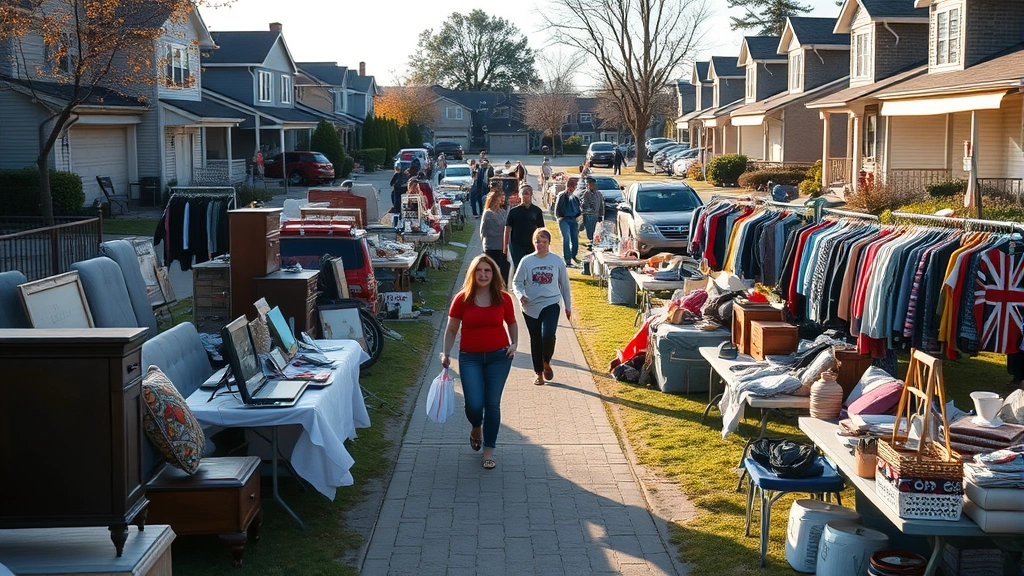
Email newsletters from local newspapers and community organizations frequently announce organized yard sale events, garage sale weekends, and community-wide sales. Subscribing to these resources ensures you never miss major events in your area. Many municipalities organize spring and fall community yard sale weekends that generate dozens of simultaneous sales across neighborhoods.
Strategic Planning and Route Optimization
Successful yard sale shopping requires planning that maximizes your time and purchasing power. Before leaving home, compile a comprehensive list of all available sales in your area using the research methods discussed above. Use mapping tools to identify geographic clusters, allowing you to visit multiple sales in sequence without excessive driving.
Prioritize sales based on stated inventory descriptions, seller ratings, and proximity. Sales advertising specific items you seek deserve priority visits, while those with vague descriptions represent longer-shot opportunities. Early arrival at sales typically yields the best selection, particularly for popular categories like vintage furniture, designer clothing, and collectibles. Many experienced yard sale shoppers arrive 15-30 minutes before official start times, catching sellers still organizing merchandise.
Create a tiered search strategy distinguishing between primary targets and secondary opportunities. Primary targets are sales matching your specific wish list or featuring categories you consistently seek. Secondary opportunities represent nearby sales worth quick visits while traveling between primary locations. This approach prevents decision paralysis while maintaining flexibility to discover unexpected treasures.
Physical organization matters significantly for efficient shopping. Bring comfortable walking shoes, cash in various denominations, reusable bags, and a small notebook for tracking prices and locations. Wear clothing with pockets for keeping cash and phone secure. Bring a measuring tape for furniture purchases and a flashlight for examining items in poor lighting conditions, common at early morning sales.
Consider implementing a digital tracking system where you photograph interesting items and note prices and locations. This approach proves particularly valuable when shopping multiple sales simultaneously, allowing you to compare similar items across locations before committing to purchases. Some experienced shoppers use spreadsheets tracking sale locations, hours, and inventory categories to optimize return visits later in the day.
What to Look For and Negotiation Tips
Understanding what represents genuine value versus inflated pricing determines your yard sale success. Quality indicators include brand names, manufacturing dates, condition assessment, and market demand. Furniture should have solid construction, stable joints, and upholstery free from major stains or damage. Electronics should power on reliably, though some sellers price items “as-is” for repair projects.
Common yard sale categories offering exceptional value include vintage kitchen equipment (often underpriced by sellers unaware of collector demand), children’s clothing and toys (minimal wear before outgrowth makes them nearly new), and books (often priced at $0.25-$0.50 each regardless of original cost). Designer clothing, vintage jewelry, and collectibles frequently appear at prices far below resale value, particularly when sellers lack market knowledge.
Negotiation represents a crucial skill for yard sale shopping, though approach varies by context. Most sellers expect negotiation, particularly later in the sale when they prefer clearing inventory to transporting unsold items. Bundles offer excellent negotiation opportunities—offering $50 for five items priced at $15 each frequently succeeds. Approaching sellers respectfully, expressing genuine interest, and pointing out minor condition issues creates leverage for price reductions.
Timing significantly impacts negotiation success. Sales concluding in late afternoon often feature more flexible pricing as sellers face storage decisions. However, inventory selection diminishes substantially by late afternoon, so balance selection quality against negotiation flexibility. Many experienced shoppers make initial selections during morning visits, then negotiate final prices as they approach checkout.
Payment methods affect negotiation outcomes. Offering cash creates immediate incentives for sellers to reduce prices, while requesting payment plans or checks may generate resistance. Some sellers explicitly advertise “cash only” to avoid check fraud and payment processing fees. Bringing adequate cash in small denominations prevents situations where you must overpay because you lack correct change.
Safety and Logistics Considerations
Yard sale shopping involves personal safety considerations often overlooked by casual shoppers. Always visit sales during daylight hours, preferably mid-morning when foot traffic is established. Inform someone of your shopping route and expected return time. Keep your vehicle doors locked while shopping, and don’t display purchases prominently—criminals sometimes follow yard sale shoppers to steal items from their cars.
Assess seller credibility before committing to large purchases or visits to unfamiliar neighborhoods. Established sellers with positive community feedback, detailed listings with multiple photos, and professional communication typically represent lower risk. Be cautious of prices dramatically below market rates, which sometimes indicate stolen merchandise or counterfeit items.
Bring adequate transportation capacity for anticipated purchases. Vehicles with rear cargo space, roof racks, or trailers accommodate larger furniture purchases. When shopping without adequate space, photograph items and negotiate delivery arrangements directly with sellers. Many yard sale sellers appreciate avoiding transportation costs and willingly deliver for reasonable distances.
Inspect items thoroughly before purchasing, as most yard sales operate on “as-is” bases with no returns. Check electronics functionality, test furniture stability, examine clothing for stains or damage, and verify all components are present. Ask sellers about item history, previous repairs, and reasons for selling—this context often reveals condition issues or reliability concerns.
Payment and documentation matters deserve attention, particularly for high-value purchases. Request receipts for expensive items, which sometimes facilitate warranty claims or provide documentation for insurance purposes. For valuable antiques or collectibles, photograph items at point of purchase to document condition and establish ownership records.
Seasonal Timing and Market Trends
Yard sale activity follows predictable seasonal patterns that influence inventory, pricing, and competition. Spring represents peak yard sale season across most of America, with warm weather and tax season financial circumstances motivating sellers. March through May typically offers the largest selection and most competitive pricing due to high shopper volume.
Summer maintains strong yard sale activity, particularly in July and August, though reduced selection and increased pricing occur as competition from other summer activities intensifies. Fall, particularly September through October, represents a secondary peak as sellers prepare for winter and holiday seasons. Winter sees dramatically reduced activity in northern climates, though southern regions maintain consistent sales year-round.
Understanding sales tax implications varies by jurisdiction, though most yard sales operate informally without tax collection. Some states treat yard sales as personal property transactions exempt from sales tax, while others require collection on certain categories. Familiarizing yourself with local regulations, particularly when buying in volume, prevents unexpected tax obligations.
Market trends significantly impact what items appear at sales and their pricing. As digital commerce transforms retail, vintage and tangible items gain appeal to collectors and nostalgia-driven shoppers. Sustainable living trends increase demand for secondhand furniture and home goods. Understanding these broader trends helps identify underpriced items likely to appreciate or offer exceptional practical value.
Community events and organized yard sale weekends concentrate inventory and shopper traffic. Many municipalities coordinate community-wide yard sale weekends with centralized advertising and coordination. These events offer advantages of guaranteed multiple sales, established hours, and reduced risk compared to hunting individual sales. However, competition intensifies significantly, requiring earlier arrival and more aggressive negotiation strategies.

The yard sale market reflects broader consumer behavior shifts toward secondhand shopping and sustainability. According to recent secondhand retail research, the resale market continues expanding as consumers prioritize budget-conscious shopping and environmental responsibility. Yard sales represent the most accessible entry point to secondhand commerce, requiring no membership fees or app downloads beyond free platforms.
Technology integration increasingly influences yard sale success for both buyers and sellers. Professional sellers utilize photography, detailed descriptions, and strategic pricing to attract serious buyers willing to pay premium prices. Meanwhile, sophisticated shoppers use apps and mapping tools to optimize shopping routes and track inventory across multiple sales simultaneously.
Understanding buyer psychology helps identify exceptional value opportunities. Sellers often dramatically underprice items they don’t understand, particularly vintage collectibles, brand-name goods, or items with specialized appeal. Developing expertise in specific categories—vintage kitchenware, designer fashion, antique furniture—positions you to recognize underpriced treasures others overlook.
Advanced Strategies for Serious Yard Sale Shoppers
Experienced yard sale shoppers employ sophisticated strategies maximizing returns on time investment. Building relationships with regular sellers creates early notification of upcoming sales and opportunities to preview inventory before public opening. Some sellers, recognizing serious shoppers, contact regular customers about new acquisitions or upcoming sales.
Developing expertise in resale channels enhances your ability to identify profitable purchases. Understanding high ticket sales principles helps you recognize valuable items and negotiate effectively. Familiarity with online resale platforms like eBay, Mercari, and Facebook Marketplace allows you to quickly assess resale potential while shopping.
Networking with other yard sale enthusiasts creates information-sharing opportunities. Local buying and selling groups often share sale tips, coordinate group shopping trips, and alert members to exceptional opportunities. These communities frequently discuss market trends, share negotiation strategies, and provide support for building resale businesses based on yard sale sourcing.
Documentation and organization systems separate casual shoppers from serious practitioners. Maintaining spreadsheets tracking sellers, locations, hours, and inventory categories streamlines future shopping. Recording which sales offered exceptional value guides future route planning. Some professional resellers maintain detailed purchase records, tracking profit margins and category performance to optimize sourcing strategies.
Photography skills enhance both shopping efficiency and resale potential. Photographing items before purchase provides documentation and facilitates quick resale. Learning product photography fundamentals helps you accurately represent items when listing them for resale, directly impacting selling prices and customer satisfaction.
Understanding B2B sales principles applies when scaling yard sale sourcing into business operations. Developing relationships with estate sale companies, consignment shops, and antique dealers creates wholesale sourcing opportunities. These channels often provide inventory leads that lead to exceptional yard sale finds before public announcement.
Financial management becomes increasingly important as yard sale shopping grows beyond casual hobby. Tracking cash expenditures, maintaining separate shopping budgets, and monitoring return on investment ensures sustainable practice. Some serious shoppers establish separate bank accounts for yard sale funds, streamlining expense tracking and income documentation.
Legal considerations deserve attention when yard sale shopping transitions toward resale business. Understanding sales agent regulations and business licensing requirements ensures compliance. Some jurisdictions require business licenses for regular resale activity, even when conducted from home or through online platforms.
FAQ
What time should I arrive at yard sales to get the best selection?
Arriving 15-30 minutes before official start time typically yields the best selection, particularly for popular categories. Early birds often catch items before general crowds arrive. However, some sellers become annoyed by extremely early arrivals, so respect posted times while arriving as early as feasible.
How much should I negotiate at yard sales?
Negotiation expectations vary by context. Offering 70-80% of asking price represents a reasonable starting point for items priced above $10. Bundles often accept steeper discounts—negotiating $50 for items totaling $75-100 frequently succeeds. Approach negotiations respectfully and accept refusals gracefully.
Are yard sale items returnable?
Most yard sales operate on “as-is” bases with no returns. Inspect items thoroughly before purchasing, test electronics functionality, and ask sellers about condition and history. Payment typically indicates acceptance of items in their current condition.
What payment methods do yard sales accept?
Cash remains the preferred payment method at most yard sales. Some sellers accept Venmo, PayPal, or other digital payment apps, though this represents minority practice. Bring adequate cash in various denominations to avoid overpaying due to change limitations.
How can I find yard sales in rural areas?
Rural yard sale discovery requires different strategies than urban shopping. Driving through neighborhoods on weekends reveals hand-painted signs directing traffic. Local newspapers, community bulletin boards, and community Facebook groups provide reliable listings. Building relationships with neighbors creates informal networks sharing sale information.
What items typically offer the best yard sale value?
Vintage kitchen equipment, children’s clothing and toys, designer fashion, books, and furniture frequently appear at exceptional prices. Items sellers lack market knowledge about—vintage collectibles, brand-name goods, specialty items—often represent the best value opportunities.
Is it safe to shop at yard sales alone?
Yard sales conducted during daylight hours in established neighborhoods represent generally safe activities. However, inform someone of your shopping route, keep vehicles locked while shopping, and avoid displaying purchases prominently. Use common sense regarding unfamiliar neighborhoods and suspicious circumstances.
How do I know if vintage items are authentic?
Developing expertise in specific categories helps identify authentic items. Research manufacturing dates, examine construction quality, check for maker’s marks or signatures, and compare to online references. Building relationships with antique dealers provides learning opportunities about authentication and valuation.
Can I negotiate prices at community-wide yard sale events?
Negotiation remains possible at community events, though success rates may decline due to higher foot traffic and seller expectations. Early arrival provides better negotiation opportunities when sellers haven’t yet experienced high traffic. Later in the day, as closing approaches, negotiation flexibility typically increases.
What should I do if I find stolen merchandise at a yard sale?
If you suspect stolen merchandise, contact local law enforcement rather than confronting sellers directly. Provide detailed descriptions and seller information. Avoid purchasing suspicious items, as possession could create legal complications despite good intentions.