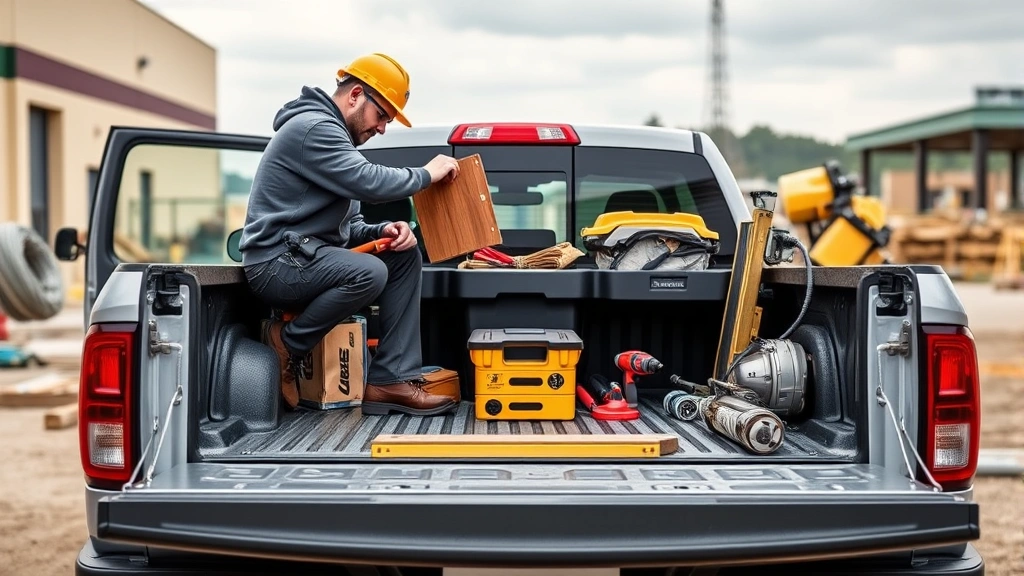
Top Work Trucks for Sale: Dealer Insights and Market Analysis
The commercial vehicle market has experienced significant transformation over the past five years, with work trucks becoming increasingly sophisticated and specialized. Dealers across North America report unprecedented demand for heavy-duty and medium-duty trucks designed for construction, landscaping, logistics, and service industries. This surge reflects broader economic recovery patterns and increased capital expenditure by businesses modernizing their fleets.
Understanding the current landscape of work trucks for sale requires analyzing multiple factors: manufacturer offerings, pricing trends, feature specifications, and dealer inventory strategies. Whether you’re a fleet manager seeking to expand your operation or an independent contractor evaluating equipment investments, the decision involves substantial financial commitment and operational implications. Modern work trucks now integrate advanced telematics, safety systems, and fuel-efficient powertrains that directly impact total cost of ownership and productivity metrics.
This comprehensive guide draws insights from dealer networks, industry analysts, and market research to help you navigate the work truck purchasing process with confidence and strategic foresight.
Current Market Overview for Work Trucks
The work truck segment represents one of the most dynamic sectors within the automotive industry. According to Cox Automotive’s latest market analysis, commercial truck sales have increased by approximately 12-15% year-over-year, driven by supply chain recovery and infrastructure investment initiatives. Dealer inventories, which were critically low during 2021-2022, have normalized, providing buyers with substantially more options and negotiating flexibility.
The average selling price for work trucks has increased modestly, reflecting both inflationary pressures and enhanced feature packages. Dealers report that customers increasingly prioritize total cost of ownership over initial purchase price, leading to greater interest in fuel efficiency ratings, maintenance warranties, and telematics integration. This shift represents a fundamental change in how commercial buyers evaluate vehicle investments, moving beyond simple acquisition cost analysis to comprehensive lifecycle economics.
Regional variations significantly impact availability and pricing. Dealers in construction-heavy markets (Southwest, Southeast, and Midwest regions) maintain tighter inventory levels due to sustained demand, while coastal markets show more inventory depth with competitive pricing. Understanding these regional dynamics becomes crucial when planning procurement strategies, particularly for organizations operating across multiple states.
Leading Manufacturers and Their Offerings
Ford F-Series Lineup continues to dominate the work truck category, with the F-150, F-250, and F-350 models commanding approximately 35-40% of the heavy-duty segment. Dealers consistently cite the F-Series’ reliability, aftermarket support, and resale value as primary selling points. The latest generation incorporates Ford’s PowerStroke diesel engines, advanced towing packages, and integrated fleet management systems that appeal to large-scale operators.
Chevrolet Silverado and GMC Sierra models represent the second-largest market share, offering competitive payload capacity and innovative bed configurations. Dealers highlight these trucks’ superior interior technology and driver comfort features, which influence retention rates among commercial drivers. The availability of multiple engine options—including the Duramax diesel—provides flexibility for operators with varying performance requirements.
Ram Heavy Duty trucks have gained significant market share through aggressive dealer incentive programs and innovative features like the innovative bed storage system. Ram’s emphasis on cab comfort and driver ergonomics resonates particularly well with long-haul operators and service professionals who spend extended periods in their vehicles. Dealers report strong interest in Ram’s commercial-grade warranty packages.
Toyota Tundra and Nissan Titan maintain smaller but dedicated market segments, particularly among operators prioritizing fuel efficiency and long-term reliability. These Japanese manufacturers’ reputation for durability supports strong resale values, which dealers emphasize when discussing lifetime ownership costs. The Tundra’s hybrid powertrain option appeals to environmentally conscious fleet managers.
Emerging players like Rivian with their R1T electric work truck and expanding electric options from traditional manufacturers signal industry transformation toward electrification. However, current dealer inventory remains heavily skewed toward traditional internal combustion engines, reflecting both infrastructure limitations and operational range concerns among commercial users.
Work Truck Categories and Applications
Light-Duty Work Trucks (Class 2-3) include models like the Ford F-150, Chevrolet Silverado 1500, and Ram 1500. These versatile vehicles serve construction crews, service technicians, and small contractors. Dealers report strong demand for extended cab and crew cab configurations, which provide passenger capacity without sacrificing bed length. Payload capacity typically ranges from 1,500 to 3,500 pounds, suitable for tools, equipment, and light materials.
Medium-Duty Work Trucks (Class 4-5) encompass vehicles like the Ford F-250, Chevrolet Silverado 2500, and Ram 2500. These trucks handle more demanding applications including landscaping, HVAC service, and specialized contracting. Dealers emphasize these models’ superior towing capacity (up to 15,000+ pounds) and payload ratings (3,500-4,000 pounds). The diesel engine options available in this category provide superior torque characteristics essential for heavy pulling and pushing applications.
Heavy-Duty Work Trucks (Class 6-8) represent the commercial fleet workhorses, including Ford F-350, Chevrolet 3500, and Ram 3500 configurations. These vehicles serve utility companies, waste management operations, and heavy construction applications. Dealers highlight the commercial-grade architecture, reinforced chassis, and specialized body mounting systems. Payload capacity exceeds 4,000 pounds, with many configurations accommodating specialized equipment like bucket lifts, crane systems, and dump bodies.
Specialized work truck configurations have expanded dramatically, with dealers now offering pre-configured packages for specific industries. HVAC service trucks, electrical contractor vehicles, plumbing service units, and mobile office platforms represent increasingly common dealer offerings. This customization trend reflects market maturation and the recognition that work trucks require industry-specific functionality beyond basic transportation.
When evaluating work trucks for sale, matching vehicle class to actual operational requirements prevents both underutilization and capability gaps. Dealers recommend detailed needs assessments examining peak load requirements, typical towing scenarios, and daily operational patterns. This strategic approach often reveals opportunities for downsizing to more fuel-efficient platforms or upsizing to handle increased capacity without multiple trips.
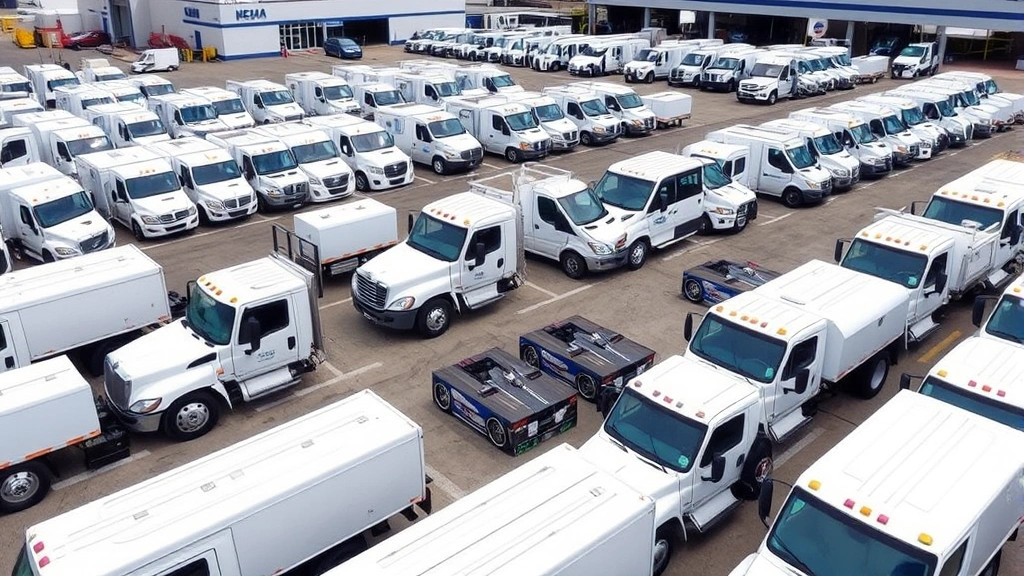
Pricing Strategies and Dealer Insights
Work truck pricing demonstrates complex dynamics influenced by supply constraints, commodity costs, and competitive positioning. Dealers report significant variation in pricing across comparable vehicles based on regional demand, inventory levels, and individual dealer financial strategies. According to Edmunds pricing data, light-duty work trucks range from $35,000 to $65,000, medium-duty models from $50,000 to $85,000, and heavy-duty configurations from $75,000 to $120,000+.
Incentive Structures vary considerably by manufacturer and model. Ford and Chevrolet currently offer aggressive dealer rebates and manufacturer incentives for commercial buyers, particularly those purchasing multiple vehicles or entering fleet programs. Ram has implemented competitive lease options that appeal to operators seeking predictable payment structures. Dealers emphasize that published prices rarely represent final transaction amounts, with savvy buyers negotiating 5-15% reductions through volume commitments or fleet program participation.
Dealer Financing Options significantly impact effective pricing. Many dealers partner with commercial lending institutions offering rates 0.5-2% lower than consumer financing, reflecting fleet buyer creditworthiness. Extended warranty packages, maintenance plans, and telematics subscriptions often factor into overall pricing negotiations, creating opportunities for value-added deals beyond simple price reductions.
Seasonal pricing patterns affect work truck availability and pricing. Spring and summer months (March-August) typically feature higher demand and premium pricing as contractors prepare for peak operating seasons. Winter months (November-February) present opportunities for more aggressive pricing, though inventory selection narrows. Dealers recommend timing major purchases to align with organizational cash flow rather than seasonal cycles, as the price differential rarely justifies operational disruption from vehicle downtime.
Used and certified pre-owned work trucks represent increasingly viable options for budget-conscious operators. Dealer-certified programs typically include comprehensive inspections, remaining warranty coverage, and reconditioning, reducing the reliability risk inherent in used commercial vehicles. Pricing on quality used work trucks often represents 40-50% savings compared to new equivalents, with depreciation curves stabilizing after the initial 3-year period.
Fleet Management and Bulk Purchase Strategies
Organizations purchasing multiple work trucks benefit from specialized fleet programs unavailable to individual buyers. Dealers maintain dedicated fleet sales departments staffed with specialists understanding bulk purchase logistics, financing structures, and maintenance coordination. These programs address unique challenges including vehicle specification standardization, delivery scheduling, and telematics implementation across diverse operations.
Fleet Discount Structures typically provide 8-15% discounts on per-unit pricing for purchases of five or more vehicles. Volume commitments unlock additional benefits including priority inventory access, customized delivery schedules, and dedicated service support. Larger organizations (50+ vehicles) often negotiate fleet pricing providing 12-20% reductions plus comprehensive maintenance packages covering scheduled service for 3-5 year periods.
Standardization strategies significantly impact operational efficiency and total cost of ownership. Fleet managers increasingly specify identical powertrain configurations, cab styles, and bed lengths across similar-duty vehicles, reducing spare parts inventory, simplifying driver training, and improving maintenance efficiency. Dealers actively encourage this approach, as standardization simplifies their supply chain and service planning.
Telematics and fleet management system integration has become standard in professional fleet operations. Modern work trucks include integrated connectivity enabling real-time vehicle tracking, fuel consumption monitoring, maintenance alerts, and driver behavior analytics. Dealers coordinate with fleet management software providers to ensure seamless integration, transforming vehicle data into actionable operational insights that optimize routes, reduce fuel consumption, and enhance safety outcomes.
Dealer relationships prove crucial for successful fleet operations. Establishing partnerships with local dealerships ensures priority service scheduling, parts availability, and technical support critical to minimizing downtime. Many fleet managers consolidate purchases with single dealer partners to maximize relationship value and negotiating leverage, even when this approach involves slight price premiums compared to dealer shopping across multiple locations.
Financing Options for Commercial Vehicles
Commercial vehicle financing differs substantially from consumer auto lending, reflecting the asset-based nature of business vehicle investment. Dealers work with specialized commercial lenders understanding business cash flow dynamics and offering flexible terms accommodating seasonal revenue fluctuations common in construction, landscaping, and service industries.
Traditional Dealer Financing remains the most common approach, with dealers arranging loans through captive finance companies (manufacturer-affiliated lenders) or third-party commercial lenders. Interest rates typically range from 4-8% depending on borrower creditworthiness, down payment percentage, and loan term. Terms of 36-84 months accommodate various business cash flow patterns, with longer terms reducing monthly obligations but increasing total interest expense.
Lease Financing has gained popularity among operators prioritizing flexibility and predictable expenses. Commercial leases typically run 24-60 months with mileage allowances ranging from 12,000 to 25,000 annual miles. Lease payments generally run 30-40% lower than equivalent loan payments, though operators must accept mileage restrictions and wear-and-tear provisions. Dealers emphasize that leasing eliminates depreciation risk and simplifies fleet transitions as technology evolves.
Equipment Financing Programs offered by specialized commercial lenders provide alternative structures optimizing tax treatment and cash flow impact. These programs often feature interest-only periods, balloon payment structures, or equipment trade-in provisions accommodating business cycles. Dealers can facilitate connections with these lenders, though independent exploration of options often reveals better terms than dealer-arranged financing.
Tax considerations significantly impact financing decisions. Consult with business accountants regarding Section 179 deductions, bonus depreciation provisions, and vehicle classification impacts on tax liability. These factors often justify higher upfront costs or longer-term financing approaches that minimize current-year tax burden while preserving future deduction opportunities.
Down payment strategies reflect business cash position and working capital requirements. While 10-20% down represents standard practice, some dealers offer zero-down commercial programs for qualified buyers, preserving cash for operational needs. Conversely, larger down payments (30-40%) reduce monthly obligations and total interest expense, beneficial for cash-rich operations seeking to minimize financing costs.
Technology and Feature Evaluation
Modern work trucks integrate sophisticated technology enhancing safety, productivity, and operational efficiency. Dealers increasingly emphasize technology features as key value differentiators, recognizing that advanced capabilities directly impact user experience and operational outcomes.
Telematics and Connectivity represent foundational technology in contemporary work trucks. Integrated systems provide real-time vehicle location, fuel consumption data, maintenance alerts, and driver behavior monitoring. These capabilities enable fleet managers to optimize routes, reduce fuel waste, schedule preventive maintenance, and identify unsafe driving patterns. Dealers highlight telematics ROI through documented fuel savings (5-15%) and reduced accident rates (10-20%).
Safety Technology has evolved dramatically, with features like adaptive cruise control, lane-keeping assistance, blind-spot monitoring, and backup cameras becoming standard or widely available. Commercial operators increasingly value these systems, recognizing that accident prevention directly protects both personnel and assets. Dealers report that safety features significantly influence purchasing decisions, particularly among fleet managers responsible for insurance outcomes.
Infotainment and Driver Interface Systems improve comfort and functionality for operators spending extended periods in vehicles. Touchscreen displays, smartphone integration, voice controls, and premium audio systems reduce driver fatigue and enhance communication capabilities. While sometimes dismissed as luxury features, dealers emphasize that improved driver experience correlates with retention and reduced fatigue-related accidents.
Payload Management Systems assist operators in optimizing load distribution and preventing overweight violations. These systems provide real-time weight distribution data, helping prevent suspension damage and regulatory non-compliance. Dealers highlight that proper load management extends vehicle life and reduces maintenance costs significantly.
Advanced Lighting Systems including LED headlights, daytime running lights, and work lights improve visibility and safety during early morning, evening, and nighttime operations. Dealers note that LED technology reduces energy consumption, improves reliability, and enhances professional appearance—factors increasingly important as work trucks serve as mobile business advertisements.

When evaluating work trucks for sale, create detailed feature requirement lists distinguishing essential capabilities from desirable enhancements. Dealers often bundle features into packages, sometimes including unnecessary options. Itemized specification reviews ensure you’re paying only for functionality directly supporting operational requirements, avoiding unnecessary cost additions.
Frequently Asked Questions
What’s the best work truck for small contractors?
Light-duty trucks like the Ford F-150, Chevrolet Silverado 1500, or Ram 1500 typically serve small contractors well, offering versatility, reasonable fuel economy, and adequate payload capacity for hand tools and materials. Consider crew cab configurations if transporting crew members, and prioritize features supporting your specific trade requirements. Dealers recommend test-driving multiple options to assess comfort and functionality for your typical workday.
How do I determine the right truck size for my business?
Analyze your typical load requirements, peak seasonal demands, and towing needs. Dealers recommend creating detailed operational profiles documenting average and maximum payloads, frequency of heavy loads, and anticipated growth. This analysis often reveals that mid-sized medium-duty trucks provide optimal balance between capability and fuel efficiency, avoiding both underutilization of oversized vehicles and operational limitations from undersized platforms. Working with dealer fleet specialists simplifies this assessment process.
Should I buy new or used work trucks?
New trucks offer warranty protection, latest technology, and customization options, but depreciate rapidly. Used trucks provide 40-50% cost savings with stabilized depreciation curves. For fleet operations, certified pre-owned vehicles from dealer programs offer compromise solutions—reduced cost with manufacturer-backed quality assurance. Dealers typically recommend new vehicles for high-mileage operations and used vehicles for moderate-use applications where warranty costs don’t offset purchase savings.
What financing term makes sense for commercial vehicles?
Optimal financing terms balance monthly cash flow requirements against total interest expense. 48-60 month terms represent common commercial choices, balancing reasonable payments against acceptable interest costs. Longer terms (72-84 months) reduce monthly obligations but increase total interest; shorter terms (36-48 months) reduce interest but require higher payments. Consult your accountant regarding tax implications and match terms to business cash flow patterns and vehicle depreciation expectations.
How important is dealer service support for work trucks?
Service support proves critical for commercial operations where vehicle downtime directly impacts revenue. Establish relationships with dealers offering extended hours, rapid service scheduling, and loaner vehicle programs. Dealers with strong commercial service departments maintain comprehensive parts inventory, employ technicians specializing in commercial vehicles, and understand business urgency surrounding equipment failures. These factors often justify slight price premiums when purchasing work trucks.
What’s the impact of fuel economy on work truck total cost of ownership?
Fuel represents 30-40% of commercial vehicle operating costs, making fuel economy critically important for high-mileage operations. Diesel-powered medium and heavy-duty trucks typically deliver 15-20% better fuel economy than gasoline equivalents, offsetting higher purchase prices through fuel savings within 3-5 years. Dealers can model fuel economy impacts based on your anticipated annual mileage, helping justify engine option upgrades. Consider EPA fuel economy estimates as baseline references, acknowledging that real-world results vary based on load, driving patterns, and terrain.
Are electric work trucks ready for commercial use?
Electric work truck technology continues advancing, with vehicles like the Rivian R1T and Ford F-150 Lightning becoming available. However, current limitations include limited range (200-300 miles), extended charging times, and charging infrastructure gaps outside urban areas. Dealers recommend electric vehicles primarily for urban service operations with predictable routes and return-to-base charging access. Traditional powertrains remain optimal for long-distance hauling and rural operations. Monitor technology development, as rapid improvements may expand electric viability within 2-3 years.
How do I evaluate work truck warranty coverage?
Standard manufacturer warranties typically provide 3-year/36,000-mile coverage for basic components, with extended powertrain coverage to 5-7 years/60,000-100,000 miles. Dealers often offer extended warranty packages covering additional systems and extending coverage periods. Calculate warranty value based on your anticipated ownership duration and mileage—longer-term owners benefit more from extended coverage. Compare warranty terms across manufacturers, as coverage depth varies significantly. Dealer service plans bundling maintenance with warranty coverage provide additional value by fixing service costs and ensuring manufacturer-authorized maintenance.