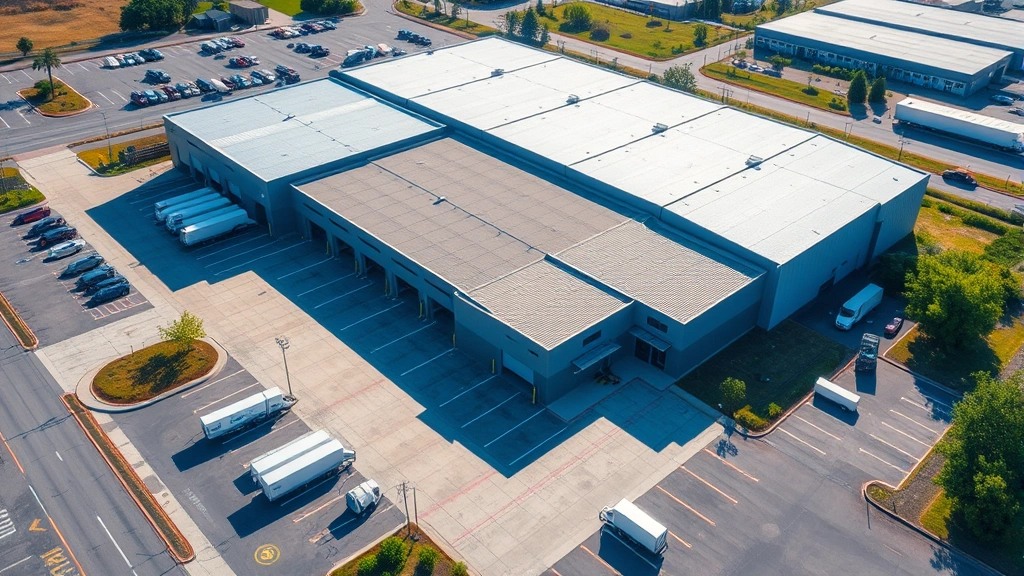
Looking for Warehouses? Realtor Insights on Finding the Right Warehouse for Sale
The warehouse market has undergone significant transformation over the past five years, driven by explosive e-commerce growth and supply chain restructuring. Whether you’re a logistics operator, retailer, or investor seeking industrial real estate, understanding current market dynamics is essential. Modern warehouses represent far more than simple storage facilities—they’re critical infrastructure assets that directly impact operational efficiency, profitability, and competitive advantage in today’s omnichannel commerce environment.
Finding the right warehouse for sale requires comprehensive market knowledge, financial acumen, and strategic foresight. This guide synthesizes realtor expertise and industry data to help you navigate warehouse acquisition decisions with confidence. From location analysis to due diligence protocols, we’ll explore the factors that separate successful warehouse investments from costly mistakes.
Current Warehouse Market Dynamics and Trends
The industrial real estate sector has experienced unprecedented demand acceleration, with warehouse vacancy rates hitting historic lows in major metropolitan areas. According to CBRE’s industrial market reports, net absorption of industrial space exceeded 500 million square feet annually through 2023, with e-commerce fulfillment driving approximately 40% of this demand. This sustained pressure continues reshaping warehouse availability, pricing, and specifications across North America.
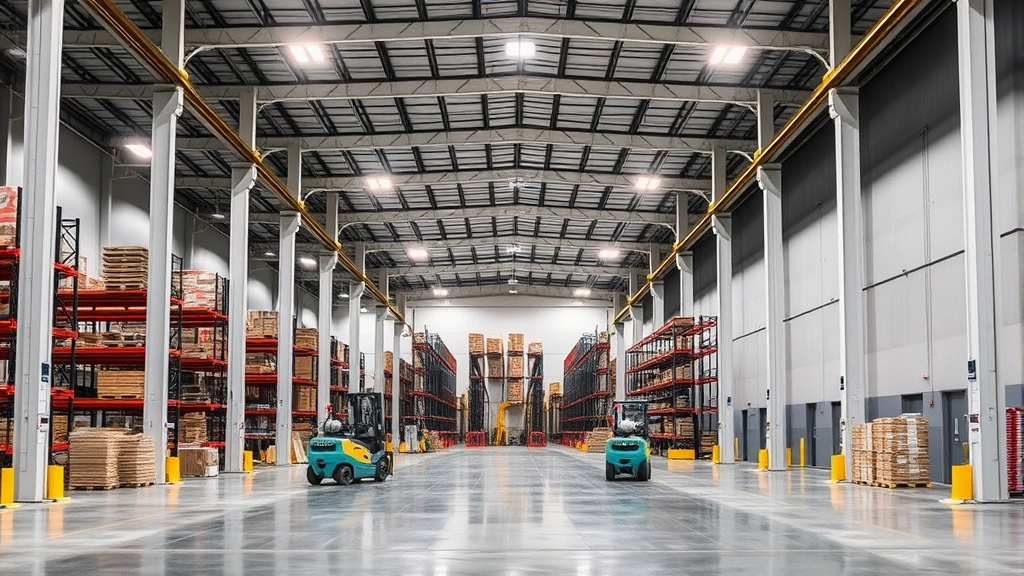
Modern warehouse availability differs markedly from legacy industrial stock. Contemporary facilities feature higher ceiling clearances (typically 32-40 feet versus historical 14-18 feet), advanced climate control systems, and technological infrastructure supporting automated inventory management. Realtors consistently report that properties lacking these specifications face extended marketing periods and reduced valuations. The bifurcation between premium, modern facilities and dated warehouses has never been more pronounced.
Cap rates for warehouse investments have compressed significantly, with institutional buyers accepting 4-5.5% returns in primary markets versus historical 6-8% benchmarks. This compression reflects both limited supply and confidence in industrial real estate fundamentals. However, secondary and tertiary markets still offer 6-7% cap rate opportunities, attracting value-focused investors. Understanding your market tier is crucial before pursuing warehouse acquisitions.
Regional variations significantly impact warehouse availability and pricing. West Coast markets, particularly Los Angeles and San Francisco, face acute supply constraints with minimal available space. Conversely, inland regions like Phoenix, Dallas, and Nashville have experienced substantial warehouse development, offering more selection and competitive pricing. For e-commerce marketing strategies requiring distributed fulfillment networks, geographic diversification across these markets provides strategic advantages.
Key Location Factors for Warehouse Selection
Location represents perhaps the single most critical warehouse selection criterion. Realtors emphasize that a mediocre facility in an excellent location outperforms premium facilities in marginal locations. Proximity to major transportation corridors—interstate highways, ports, and rail networks—directly impacts logistics costs and delivery capabilities. A warehouse positioned within 30 minutes of a major metropolitan area commands premium pricing and attracts quality tenants or operational efficiency benefits.
Interstate accessibility fundamentally determines warehouse utility. Facilities within immediate proximity to I-75, I-80, I-95, and I-10 corridors experience stronger demand and faster tenant placement. For businesses implementing e-commerce plugins for WordPress and omnichannel fulfillment, strategically positioned warehouses reduce shipping times and logistics expenses. Real estate professionals regularly analyze traffic patterns, truck routes, and delivery density when evaluating warehouse locations.
Labor market considerations profoundly influence warehouse operations. Facilities located in areas with adequate available workforce, reasonable wage expectations, and low unemployment volatility prove significantly more operationally successful. Major metropolitan areas typically offer superior labor pools, but face higher wage requirements. Secondary markets often provide cost advantages without sacrificing workforce quality. Realtors conduct detailed labor market analysis before recommending warehouse properties to clients.
Zoning and land use compatibility require thorough investigation. Confirm that current zoning permits intended warehouse operations, including outdoor storage, truck parking, and 24/7 operations where necessary. Some municipalities restrict heavy truck traffic, limit operating hours, or impose environmental regulations that significantly impact warehouse functionality. Realtor expertise in municipal regulations prevents costly post-acquisition complications.
Utilities and infrastructure capacity must support warehouse operations. Verify adequate electrical capacity for potential automation systems, sufficient water access for potential operations, and drainage systems preventing flooding. Many older warehouses feature electrical systems designed for passive storage rather than active logistics operations with powered equipment. Infrastructure limitations become expensive problems when discovered post-acquisition.
Financial Evaluation and ROI Analysis
Warehouse acquisition involves substantial capital commitment requiring rigorous financial analysis. Calculate all-in acquisition costs including purchase price, closing costs (typically 2-4%), environmental assessments, inspections, and necessary improvements. Many investors underestimate improvement costs, discovering inadequate HVAC systems, roof repairs, or flooring replacement needs post-purchase. Professional realtors provide detailed cost estimates preventing budget overruns.
Operating expense projections significantly impact investment returns. Account for property taxes (varying 0.5-2% of property value depending on location), insurance, maintenance, utilities, and management costs. Industrial properties typically generate lower operating expense ratios than retail, with well-maintained facilities operating at 20-30% operating expense ratios. However, older properties or those in high-tax jurisdictions may exceed 40% expense ratios, substantially reducing net returns.
Financing considerations critically influence warehouse acquisition economics. Most institutional lenders require 20-30% down payments for investment properties, with loan terms typically 5-10 years at rates reflecting current market conditions. Recent rate increases have significantly impacted warehouse acquisition costs compared to 2020-2021 periods. Calculate financing costs across multiple scenarios, as small rate variations dramatically affect overall returns on large warehouse investments.
Lease rate analysis determines revenue projections for tenant-occupied properties. Research comparable warehouse leases in your target market, accounting for facility quality, location, and tenant credit profiles. Current market rates vary substantially by geography—premium urban warehouses may command $8-12 per square foot annually, while secondary market facilities lease for $4-6. Understanding your market’s lease rate environment is fundamental to realistic return projections.
Capitalization rate calculations standardize investment comparison. For a 100,000 square foot warehouse generating $600,000 annual net operating income (NOI), the cap rate equals 4.5% on a $13.3 million purchase price. Compare calculated cap rates against market benchmarks—if your target property’s cap rate significantly exceeds comparable sales, investigate why (deferred maintenance, tenant quality issues, location challenges). Realtors provide market cap rate data facilitating informed comparisons.
Exit strategy planning proves essential before acquisition. Understand your intended holding period, anticipated appreciation, potential refinancing opportunities, and eventual sale considerations. Warehouses with strong locations, modern specifications, and stable tenant bases attract institutional buyer interest, facilitating easier exits than specialized or obsolete facilities. Factor exit considerations into initial property selection.
Operational Features and Technical Specifications
Modern warehouse specifications significantly impact operational efficiency and long-term value. Clear ceiling heights of 32+ feet accommodate high-density storage and automated systems, while 14-18 foot ceilings limit utilization. Realtors measure ceiling clearance, noting obstructions like beam spacing affecting usable height. Facilities with 40+ foot clearance command premium pricing, particularly for logistics operators seeking maximum storage density.
Column spacing and floor load capacity determine warehouse versatility. Facilities featuring 40×50 foot bays with 50,000+ pound per square foot capacity accommodate heavy industrial operations and modern automated systems. Narrow column spacing (30×30 feet) limits equipment placement and reduces operational flexibility. Floor condition significantly impacts usability—pristine concrete surfaces support sensitive equipment, while deteriorated floors require expensive replacement.
Dock configuration critically influences logistics efficiency. Modern facilities feature 30+ loading docks per 100,000 square feet, enabling efficient truck turnover. Adequate dock space prevents bottlenecks during peak shipping periods. Examine dock heights, ensuring compatibility with standard trailers. Insufficient dock facilities become operational constraints, reducing tenant satisfaction and limiting market appeal.
Climate control and environmental systems increasingly determine warehouse competitiveness. Temperature and humidity control enable storage of sensitive products (pharmaceuticals, electronics, specialty chemicals), commanding premium rental rates. Proper ventilation prevents moisture accumulation, protecting inventory integrity. Realtors identify facilities offering climate control capabilities as premium assets commanding 15-25% rental premiums.
Technology infrastructure readiness positions warehouses for modern logistics integration. Facilities with robust internet connectivity, structured cabling, and electrical capacity for automation systems attract quality tenants. Many contemporary warehouse operations require 24/7 network connectivity for inventory management systems. Older facilities may require substantial infrastructure upgrades, impacting acquisition economics.
Parking and employee amenities increasingly influence tenant satisfaction and retention. Adequate employee parking (typically 1 space per 2,500 square feet), truck parking for 20+ vehicles, and basic amenities (restrooms, break rooms) support operational requirements. Facilities lacking adequate parking prove difficult to lease or operate, creating unexpected operational challenges.
Due Diligence and Legal Considerations
Environmental assessment represents critical due diligence, particularly for older warehouses or properties with industrial history. Phase I environmental assessments identify potential contamination from previous operations. Phase II assessments (soil and groundwater testing) confirm concerns identified in Phase I. Environmental liabilities can prove catastrophic—remediation costs occasionally exceed property values. Realtors connect investors with environmental specialists conducting thorough assessments.
Title examination and survey verification confirm clear ownership and accurate property boundaries. Easements, covenants, or restrictions may limit property use or future development. Survey verification prevents boundary disputes and confirms property size matches listing descriptions. Title insurance protects against future ownership challenges. Professional realtors ensure thorough title work before acquisition.
Building inspections by qualified engineers identify structural issues, mechanical system deficiencies, and deferred maintenance. Professional inspections typically cost $3,000-8,000 but identify expensive problems (roof replacement, foundation issues, electrical system inadequacy) before acquisition. Roof condition particularly matters—replacement costs typically exceed $1-2 per square foot, representing substantial capital requirements for large warehouses.
Tenant history and lease analysis prove essential for occupied properties. Review existing leases for lease terms, rent escalation provisions, tenant quality, and remaining lease duration. Understand tenant creditworthiness and payment history. Properties with strong, long-term tenants command premium valuations, while properties with near-lease expiration present refinancing and occupancy risks.
Zoning verification confirms current zoning permits intended operations. Consult municipal planning departments regarding zoning classifications, permitted uses, and any variance requirements. Some jurisdictions impose conditional use permits requiring periodic renewal or renewal challenges. Understanding zoning constraints prevents post-acquisition complications.
ADA compliance assessment ensures facilities meet accessibility requirements. Warehouses must provide accessible parking, restrooms, and employee work areas. Older facilities may require modifications achieving compliance. Failure to address ADA requirements creates liability exposure and potential operational constraints.
Market Timing and Negotiation Strategies
Market timing significantly influences warehouse acquisition outcomes. Current market conditions feature elevated cap rates compared to 2021-2022 peaks, presenting opportunities for value-focused investors. However, interest rate environments continue affecting financing costs and buyer competition. Realtors provide market timing guidance based on local market conditions, inventory levels, and absorption rates.
Inventory analysis informs timing strategies. Markets with 3-4 months of available inventory typically favor buyers, enabling more aggressive negotiation. Markets with 1-2 months inventory favor sellers, requiring more competitive offers. Understanding your local market’s inventory position helps calibrate negotiation strategies and offer competitiveness.
Comparable sales analysis establishes reasonable offer ranges. Review 10-15 recent comparable sales, adjusting for property differences, condition, and location. Price per square foot comparisons provide quick benchmarking, though detailed analysis examining cap rates, lease rates, and specific property characteristics provides superior guidance. Realtors compile comparable sales analyses supporting reasonable offer development.
Negotiation leverage derives from multiple factors—purchase price, financing contingencies, due diligence timeline, and closing timeline. Sellers facing extended marketing periods become more flexible. Properties with financing or operational challenges present negotiation opportunities. Experienced realtors identify leverage opportunities, structuring offers maximizing buyer advantage.
Contingency management balances due diligence protection with offer competitiveness. Unlimited contingencies signal buyer uncertainty, weakening offers. However, minimal contingencies expose buyers to undiscovered problems. Realtors structure contingencies protecting buyers while maintaining offer appeal to sellers.
Closing timeline negotiation accommodates both parties’ needs. Rapid closings demonstrate buyer seriousness but limit due diligence time. Extended timelines permit thorough investigation but may signal buyer hesitation. Experienced realtors structure timelines accommodating adequate due diligence while maintaining seller confidence.
Integration with E-commerce Operations
Warehouse selection fundamentally impacts e-commerce operational success. Facilities positioned near major population centers enable faster delivery times, supporting competitive advantage. For businesses managing remote sales jobs requiring distributed fulfillment, strategically positioned warehouses across multiple regions optimize delivery speed and cost.
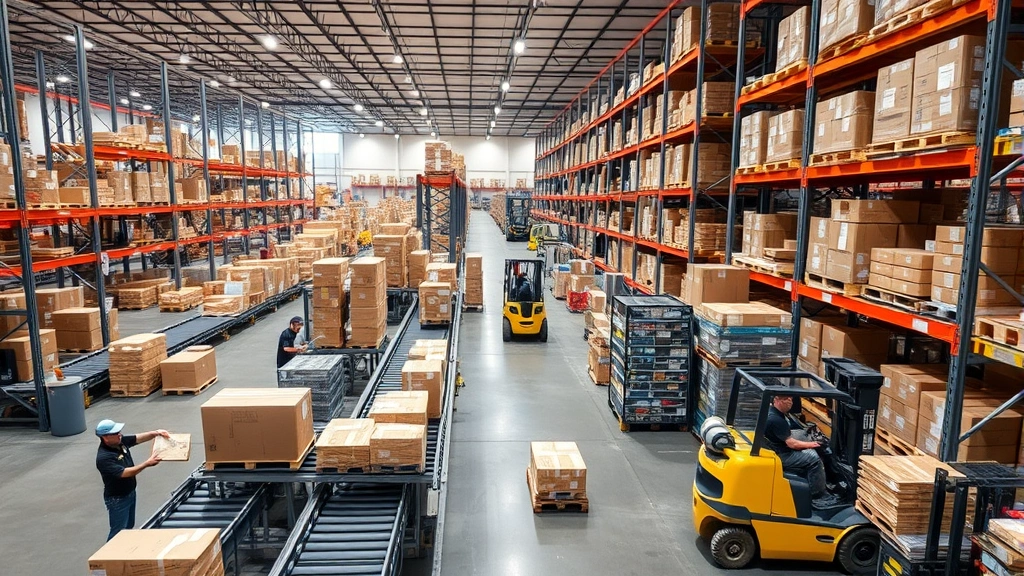
Automation readiness determines warehouse future-proofing. Modern e-commerce operations increasingly employ automated sorting systems, robotic picking, and conveyor networks. Warehouses with adequate electrical capacity, clear floor space, and column-free areas accommodate automation investments. Facilities lacking automation readiness face obsolescence as competitors implement efficiency improvements.
Technology integration capabilities support modern inventory management. Warehouses with robust network infrastructure, security systems, and environmental monitoring enable sophisticated inventory control. Integration with e-commerce plugins for WordPress and inventory management systems streamlines operations. Older facilities may require substantial technology infrastructure investment.
Scalability considerations matter for growing e-commerce operations. Facilities enabling expansion (adjacent land availability, modular building design) support business growth without relocation. Properties lacking expansion potential constrain growth, forcing costly relocations. Realtors identify facilities offering scalability for growth-oriented businesses.
Supply chain positioning optimizes fulfillment networks. For tech sales jobs and other specialized operations requiring rapid fulfillment, warehouse network design critically impacts competitiveness. Strategic positioning across multiple warehouses enables regional fulfillment, reducing shipping times and costs. Realtors help develop network strategies positioning warehouses optimally.
Customer service capabilities increasingly differentiate warehouse providers. Facilities offering value-added services (kitting, labeling, returns processing) command premium pricing. Warehouses with customer service infrastructure (office space, meeting areas) attract quality tenants. For business expansion planning, evaluating service capabilities supports operational success.
Risk mitigation through geographic diversification reduces supply chain vulnerability. Reliance on single warehouse creates operational risk—facility damage, labor disruptions, or utility failures impact entire operations. Multi-warehouse strategies distribute risk, ensuring operational continuity. Realtors assist developing diversified warehouse networks supporting business resilience.
For commercial store for sale operations integrating warehouse support, coordinated facility selection optimizes retail supply chains. Warehouses positioned near retail locations minimize inventory transit times, supporting rapid replenishment. Integrated real estate strategies align warehouse and retail facility selection.
Sustainability considerations increasingly influence warehouse selection. Energy-efficient facilities with LED lighting, high-efficiency HVAC, and solar capabilities reduce operating costs while appealing to environmentally conscious tenants. Green building certifications (LEED, Paragon) command rental premiums. Modern warehouses incorporating sustainability features provide competitive advantages.
Advanced Investment Strategies and Portfolio Considerations
Portfolio approach to warehouse investment distributes risk across multiple properties and markets. Rather than concentrating capital in single facilities, diversified portfolios spanning geographic regions and property types reduce vulnerability to localized market downturns. Institutional investors typically maintain 10+ property portfolios optimizing risk-adjusted returns.
Core-plus investment strategies balance stability with growth potential. Core holdings consist of modern, well-leased properties in primary markets generating stable 4-5% returns. Plus holdings include value-add opportunities in secondary markets offering 6-8% potential returns through tenant improvements and lease rate optimization. Blended strategies optimize overall portfolio returns.
Value-add strategies identify underperforming properties offering improvement opportunities. Facilities with below-market leases, deferred maintenance, or operational inefficiencies present value creation opportunities. Strategic improvements, tenant upgrades, or lease rate optimization generate returns exceeding acquisition costs. Experienced realtors identify value-add opportunities matching investor capabilities.
1031 exchange strategies defer capital gains taxation, reinvesting sale proceeds into replacement properties. Understanding 1031 exchange rules and timelines enables tax-efficient portfolio transitions. Realtors coordinate exchanges ensuring compliance with regulatory requirements.
Institutional partnership opportunities enable capital access for larger acquisitions. Partnerships with institutional investors, REITs, or pension funds provide capital accessing scale unavailable to individual investors. Partnership structures distribute risk while enabling larger portfolio development.
Real Estate Professional Selection and Negotiation Support
Realtor expertise significantly impacts warehouse acquisition outcomes. Experienced industrial realtors provide market knowledge, comparable sales analysis, and negotiation guidance unavailable to unrepresented buyers. Quality realtors develop relationships with property owners, accessing off-market opportunities before public listing.
Specialization matters—general realtors lack industrial expertise, while industrial specialists understand warehouse-specific valuation factors, operational requirements, and market dynamics. Confirm realtor experience with warehouse transactions matching your acquisition profile (size, location, investment strategy).
Market intelligence from experienced realtors prevents costly mistakes. Realtors identify emerging markets before appreciation, warn of declining markets facing obsolescence, and alert investors to property-specific issues. Access to this intelligence justifies realtor commissions through improved deal outcomes.
Negotiation representation by skilled realtors often generates savings exceeding commission costs. Realtors structure offers, manage contingencies, and navigate complex transactions protecting buyer interests. For for sale sign properties and off-market opportunities, realtor representation ensures fair dealing and optimal outcomes.
Due diligence coordination through realtors streamlines complex processes. Realtors coordinate inspections, environmental assessments, financing, and title work, managing timelines and ensuring thorough investigation. This coordination prevents overlooked issues and maintains deal momentum.
FAQ
What price range qualifies as reasonable for warehouse acquisition?
Reasonable warehouse pricing depends on location, condition, lease rates, and cap rate expectations. Primary market warehouses typically sell at 4-5.5% cap rates, while secondary markets command 5.5-7% rates. Calculate net operating income and apply appropriate cap rates determining fair values. Comparable sales analysis provides additional pricing guidance. Realtors provide market-specific pricing benchmarks.
How much time should due diligence require?
Comprehensive due diligence typically requires 30-45 days. Environmental assessments require 1-2 weeks, inspections 1 week, title review 1-2 weeks, and financing 2-3 weeks. Rushed due diligence risks overlooking critical issues. Negotiate adequate contingency periods ensuring thorough investigation before commitment.
What distinguishes modern warehouses from older facilities?
Modern warehouses feature 32-40 foot ceilings, advanced climate control, robust electrical systems, 30+ docks per 100,000 square feet, and technology infrastructure. Older facilities often feature 14-18 foot ceilings, minimal climate control, dated electrical systems, and limited dock facilities. Modern specifications command 15-30% rental premiums reflecting superior functionality.
Should warehouses be purchased for operation or investment?
Operational purchases prioritize facility suitability for intended use—location, specifications, and scalability. Investment purchases emphasize financial returns—cap rates, tenant quality, and appreciation potential. Some acquisitions serve both purposes, but prioritization differs. Clarify primary objectives before property selection.
How significant is location in warehouse valuation?
Location fundamentally drives warehouse value—identical facilities in different locations command dramatically different prices. Interstate proximity, labor market access, and metropolitan area proximity typically represent 30-40% of property value. Premium locations justify 20-30% price premiums over secondary locations.
What financing options exist for warehouse acquisition?
Commercial mortgage lenders provide 20-year amortization loans with 5-10 year terms, typically requiring 20-30% down payments. SBA loans offer alternative financing for qualified borrowers. Portfolio lenders provide flexible terms for experienced investors. CMBS loans enable securitized financing for larger properties. Realtors connect investors with appropriate financing sources.
How are warehouse lease rates determined?
Lease rates reflect location, facility quality, tenant creditworthiness, and market conditions. Comparable lease analysis establishes market rates. Premium locations command $8-12 annually, while secondary markets range $4-6. Lease rate growth of 2-3% annually reflects historical trends, though current markets show elevated growth rates.
What represents typical warehouse operating expenses?
Well-maintained warehouses typically operate at 20-30% expense ratios. Property taxes (0.5-2%), insurance (0.3-0.5%), maintenance (0.5-1%), and utilities (0.3-0.7%) comprise typical expenses. Older properties or high-tax jurisdictions may exceed 40% ratios. Obtain detailed operating expense data during due diligence.
Should climate control be prioritized in warehouse selection?
Climate control determines market versatility. Temperature and humidity control enable storage of sensitive products, commanding 15-25% rental premiums. Basic climate control improves tenant satisfaction and inventory protection. For general storage operations, climate control provides competitive advantage though higher operating costs.
How important is technology infrastructure in warehouse selection?
Technology infrastructure increasingly determines warehouse competitiveness. Robust internet connectivity, structured cabling, and electrical capacity for automation support modern logistics operations. Facilities lacking adequate technology infrastructure require costly upgrades. For long-term holdings, technology readiness ensures continued relevance as operations evolve.