Best For Sale Signs: Realtor Recommendations & Expert Guide
A for sale sign is often the first impression potential buyers have of your property listing. In the competitive real estate market, the quality, visibility, and professionalism of your for sale sign can significantly impact foot traffic, inquiries, and ultimately, your ability to sell faster and at a better price. Real estate professionals understand that this seemingly simple marketing tool deserves careful consideration and strategic placement.
Whether you’re a seasoned realtor managing multiple listings or a homeowner selling your property independently, choosing the right for sale sign involves understanding materials, design standards, local regulations, and emerging digital integration options. This comprehensive guide draws on realtor expertise and market data to help you make an informed decision that maximizes your property’s visibility and appeal.
Types of For Sale Signs Realtors Recommend
Real estate professionals recognize that not all for sale signs serve the same purpose or audience. The primary types include standard yard signs, rider signs (directional signs), open house signs, and digital display signs. Each serves a distinct function in your overall marketing strategy.
Standard yard signs remain the foundational tool for property visibility. These typically measure 18×24 inches or 24×36 inches and feature the realtor’s branding, contact information, and basic property details. Experienced realtors emphasize that a well-designed yard sign should be immediately recognizable from a moving vehicle, typically readable from 50 to 100 feet away.
Rider signs, also called directional or arrow signs, guide potential buyers from main roads toward your property. These smaller signs (typically 6×24 inches) can be legally placed at key intersections and turns. According to the National Association of Realtors, properties with effective directional signage experience 15-20% more foot traffic than those without.
Open house signs are temporary, highly visible markers designed for specific showing days. These often feature bright colors, large fonts, and clear directional arrows. Digital integration has introduced smart signs that display property information and can even link to virtual tours, enhancing the buyer experience before they even enter the home.
When implementing a comprehensive marketing strategy for property sales, combining multiple sign types creates redundancy and increases touchpoints with potential buyers.
Materials and Durability Standards
The material composition of your for sale sign directly impacts its longevity, appearance, and effectiveness. Top-performing realtors consistently choose materials that withstand weather conditions while maintaining visual appeal throughout the listing period.
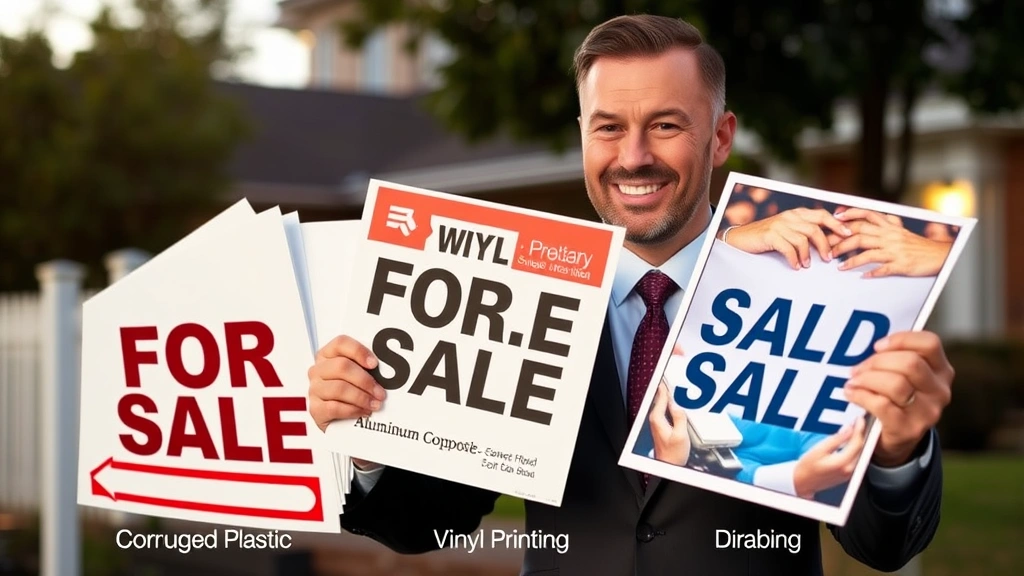
Corrugated plastic (Coroplast) is the industry standard for yard signs. This lightweight, durable material resists moisture, fading, and physical damage better than paper or cardboard alternatives. Quality Coroplast signs maintain color integrity and readability for 6-12 months, making them cost-effective for typical listing periods. The material is also recyclable, appealing to environmentally conscious agents and sellers.
Aluminum composite materials offer premium durability for higher-end properties or long-term listings. These signs are heavier, more resistant to wind damage, and provide a more sophisticated appearance. They’re particularly effective in areas with harsh weather conditions or high-traffic locations prone to sign damage.
Vinyl printing technology has revolutionized sign production quality. UV-resistant inks ensure colors remain vibrant despite sun exposure, while laminated finishes provide additional protection against scratches and moisture. Professional realtors specify 3-mil vinyl minimum for residential signs to ensure adequate durability.
Metal frames and H-stakes are critical components often overlooked by inexperienced sellers. Galvanized steel or powder-coated aluminum frames resist rust and corrosion. Properly constructed signs use reinforced corners and secure fastening mechanisms to withstand wind speeds up to 30-40 mph.
When exploring broader digital tools and online platforms for sales, remember that physical signage remains an essential complement to online marketing efforts.
” alt=”Professional realtor displaying high-quality for sale sign materials including corrugated plastic, aluminum composite, and vinyl printing samples in outdoor lighting”>
Size, Design, and Visibility Best Practices
Sign visibility is quantifiable, and experienced realtors use specific metrics to optimize design. The industry standard uses the “25-5-5” rule: a sign should be readable from 25 feet at 5 miles per hour, with a minimum of 5-second viewing time.
Standard 24×36 inch yard signs represent the optimal size for most residential properties. This dimension provides sufficient space for branding, property information, and contact details without appearing overwhelming on residential lots. Larger 36×48 inch signs work well for corner lots or properties set back from the road, while smaller 18×24 inch signs suit urban townhouses or narrow frontage properties.
Color psychology plays a significant role in sign effectiveness. White backgrounds with dark text (navy, black, or dark green) provide maximum contrast and readability. Red and blue accents draw attention and convey urgency. Research from the Realtor.com Research Center indicates that signs using high-contrast color schemes generate 25-30% more inquiries than low-contrast alternatives.
Typography requires professional attention. Sans-serif fonts (Arial, Helvetica, Gotham) are superior to serif fonts for outdoor visibility. Font sizes should follow a hierarchy: agent name and company (largest), “For Sale” or “Open House” (prominent), property address (clear), and contact information (readable but secondary).
White space management prevents visual clutter. Professional designs allocate 30-40% of sign area to blank space, allowing the eye to focus on critical information. Overcrowded signs reduce effectiveness and appear unprofessional, potentially damaging buyer perception before they even view the property.
Digital Integration and Modern Features
Contemporary real estate marketing increasingly incorporates digital features into physical signage. QR codes on for sale signs now serve as gateways to property information, virtual tours, and agent contact details. When prospects scan the code with their smartphones, they’re instantly connected to comprehensive listing data and multimedia content.
Smart signs with LED displays represent the cutting edge of property marketing. These digital signs can display property highlights, pricing information, and even agent availability in real-time. They’re particularly effective for high-value properties or commercial listings where detailed information changes frequently.
Integration with online marketplace platforms amplifies sign effectiveness. Your physical sign can direct buyers to your Facebook Marketplace listing, MLS database entry, or personal website. This omnichannel approach ensures consistent messaging across all marketing channels.
Video integration through NFC (Near Field Communication) technology allows prospects to view property walkthroughs by holding their phones near the sign. This technology is still emerging in residential real estate but is gaining adoption among tech-forward agents and luxury property marketers.
However, digital features should enhance rather than replace fundamental sign design principles. Even the most advanced digital sign fails if it lacks basic readability and professional appearance from street view.
Local Regulations and Compliance
Before installing any for sale sign, realtors must navigate local zoning ordinances, homeowners association rules, and municipal regulations. Compliance prevents costly fines, forced sign removal, and potential listing disputes.
Most municipalities regulate sign size, placement location, and installation duration. Typical restrictions include maximum dimensions (often 32 square feet for residential), setback requirements from property lines (usually 5-10 feet), and prohibitions on roof or wall-mounted signs in residential zones. Some jurisdictions limit sign duration to 6 months without special permits.
Homeowners associations frequently impose stricter standards than municipal codes. HOA-approved sign specifications often dictate materials, colors, and design elements. Violating HOA rules can result in fines and sign removal, disrupting your marketing efforts. Always obtain HOA approval before sign installation.
Directional sign placement requires particular attention. Placing rider signs on public property without permission constitutes illegal signage in most jurisdictions. Obtain explicit permission from property owners or municipal authorities before installing directional markers.
Liability considerations are often overlooked but significant. Improperly installed signs that cause accidents or injuries can create legal liability for both the realtor and property owner. Professional installation by licensed contractors with insurance protection is strongly recommended.
The National Association of Realtors provides comprehensive resources on sign regulations by state and locality, helping agents stay compliant while maximizing marketing effectiveness.
Installation and Placement Strategy
Strategic placement dramatically impacts sign effectiveness. Professional realtors evaluate sight lines, traffic patterns, and property visibility before determining sign location.
Primary sign placement should be at the property’s most visible point, typically near the street frontage at eye level for passing pedestrians and motorists. For corner lots, dual sign placement at both street frontages maximizes visibility. Set-back properties benefit from signs placed closer to the road while respecting local setback regulations.
Directional signs should be placed at decision points—intersections, turns, and major approach routes to the property. Spacing between directional signs typically ranges from 50 to 150 feet depending on street layout and visibility.
Installation technique affects sign longevity and safety. Professional H-stakes should be driven 24-30 inches into the ground, providing stability in wind and preventing frost heave damage during winter months. Signs should be checked monthly for damage, fading, or displacement, with prompt repairs maintaining professional appearance.
Timing is equally important as placement. Signs should be installed immediately upon listing activation and maintained throughout the entire listing period. Worn, faded, or damaged signs suggest the property has been on the market too long, potentially reducing buyer interest and negotiating leverage.
Cost Considerations for Different Sign Types
For sale sign costs vary significantly based on type, materials, customization, and quantity. Understanding pricing helps you allocate marketing budgets effectively.
Standard corrugated plastic yard signs typically cost $25-$60 per sign depending on design complexity and printing quality. Bulk orders of 5-10 signs reduce per-unit costs to $15-$30. This represents one of the most cost-effective marketing tools available, offering exceptional ROI compared to other advertising channels.
Premium aluminum composite signs range from $75-$150 per sign, justified by superior durability and professional appearance for high-value properties. These signs often remain legible and attractive throughout extended listing periods, making them economical for properties requiring 12+ months of marketing.
Digital display signs and smart signage represent significant investments, ranging from $500-$2,000+ depending on features and technology integration. These are typically cost-justified only for luxury properties, commercial listings, or high-visibility locations generating substantial inquiry volume.
Installation costs vary by complexity. Basic sign installation by the realtor or property owner costs nothing but risks improper placement and safety issues. Professional installation by licensed contractors typically costs $50-$150 per sign, ensuring compliance with local regulations and optimal placement strategy.
Maintenance and replacement costs should factor into your budget. Budget $5-$15 per month for sign maintenance (cleaning, repairs, repainting) and plan for complete sign replacement if damage occurs or appearance significantly deteriorates.
Measuring Sign Effectiveness and ROI
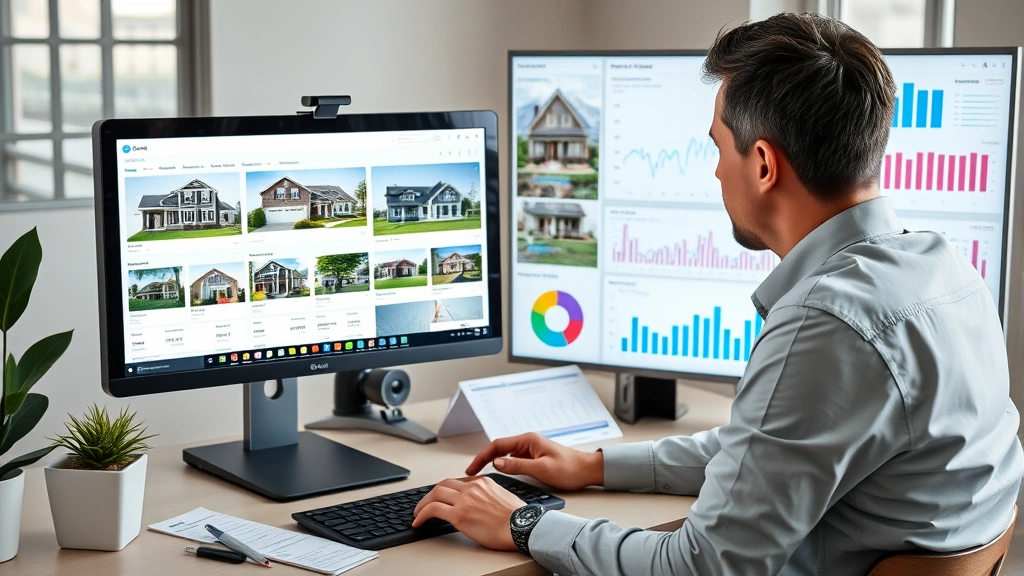
Data-driven realtors track sign performance metrics to optimize future marketing investments. While attribution is imperfect, several measurement approaches provide valuable insights.
Inquiry source tracking remains the most direct measurement. Ask all inquiring prospects how they found the property. Document whether they mention seeing the sign, with particular attention to directional sign effectiveness. This qualitative data, collected across multiple listings, reveals which sign strategies generate the most qualified leads.
Traffic pattern analysis involves comparing foot and vehicle traffic before and after sign installation. For properties in visible locations, increased traffic immediately following sign installation indicates effectiveness. Sustained traffic throughout the listing period suggests ongoing marketing impact.
Conversion metrics compare properties with different signage strategies. Properties with comprehensive sign programs (yard signs plus directional signage) typically sell faster and closer to asking price compared to those relying on digital marketing alone. Track days-on-market and final sale price relative to initial asking price to quantify sign impact.
When implementing comprehensive property sales strategies across different price points, sign effectiveness often varies by market segment. Budget properties may benefit more from directional signage driving foot traffic, while luxury properties may rely more on digital integration and targeted online marketing.
Cost-per-inquiry calculations help justify sign investments. If a $50 sign generates five qualified inquiries over a three-month listing period, the cost-per-inquiry is $10—substantially lower than most digital advertising channels. This analysis helps realtors and sellers understand sign value in their overall marketing mix.
” alt=”Real estate professional analyzing property listing data and sign effectiveness metrics on computer dashboard with multiple property photographs and traffic analytics charts”>
FAQ
What size for sale sign is best for residential properties?
The standard 24×36 inch size works for most residential properties, offering the optimal balance between visibility and aesthetic integration. Corner lots or properties set back from roads may benefit from larger 36×48 inch signs, while townhouses and narrow-frontage properties suit 18×24 inch signs. Always check local zoning regulations for maximum permitted sizes.
How long do corrugated plastic for sale signs last?
Quality corrugated plastic signs with UV-resistant vinyl printing typically maintain readability and color vibrancy for 6-12 months. Longevity depends on sun exposure, weather conditions, and sign maintenance. Monthly inspection and cleaning extend sign life by preventing damage accumulation.
Are digital for sale signs worth the investment?
Digital signs are cost-justified primarily for luxury properties, high-traffic commercial locations, or extended listing periods. For standard residential sales completing in 3-6 months, traditional signs provide superior ROI. Digital features work best as supplements to traditional signage rather than replacements.
Can I install a for sale sign myself or should I hire a professional?
While DIY installation saves money, professional installation ensures compliance with local regulations, optimal placement strategy, and proper structural integrity. For important listings, professional installation ($50-$150) is worthwhile investment protecting against liability and ensuring maximum marketing effectiveness.
What information should appear on a for sale sign?
Essential information includes agent/realtor name, company logo, “For Sale” designation, property address, phone number, and website or QR code. Some realtors add property highlights (“3 BR”, “Pool”, “New Roof”), though this can clutter the design. Prioritize readability and professional appearance over information density.
How do I measure whether my for sale sign is effective?
Track inquiry sources by asking prospects how they found the property. Monitor foot and vehicle traffic patterns before and after sign installation. Compare days-on-market and final sale prices for properties with comprehensive signage versus those without. Calculate cost-per-inquiry to justify sign investments in your marketing budget.
What color for sale sign is most effective?
White backgrounds with dark text (navy, black, or dark green) provide maximum contrast and readability. Red and blue accents effectively draw attention. Avoid light text on light backgrounds or dark text on dark backgrounds. Test your sign design from 50+ feet away to ensure visibility and professional appearance.