Ultimate Salad Toppings: Chef Recommendations for Maximum Flavor and Nutrition
Salads have evolved far beyond the tired iceberg lettuce and pale tomato combinations that dominated restaurant menus for decades. Today’s culinary landscape celebrates vibrant, nutrient-dense salad toppings that transform a simple bowl of greens into a satisfying, restaurant-quality meal. Whether you’re a home cook seeking to elevate weeknight dinners or a business owner looking to enhance your restaurant’s salad offerings, understanding the best toppings can significantly impact customer satisfaction and repeat business.
The salad market has experienced remarkable growth, with the global salad market valued at approximately $15.2 billion in 2023 and projected to expand at a compound annual growth rate of 8.4% through 2030. This expansion reflects changing consumer preferences toward healthier eating options and the increasing sophistication of salad preparation across foodservice establishments. Chefs and nutritionists now recognize that strategic topping combinations create culinary experiences that drive customer loyalty and justify premium pricing in competitive markets.
Premium Protein Toppings for Substantial Salads
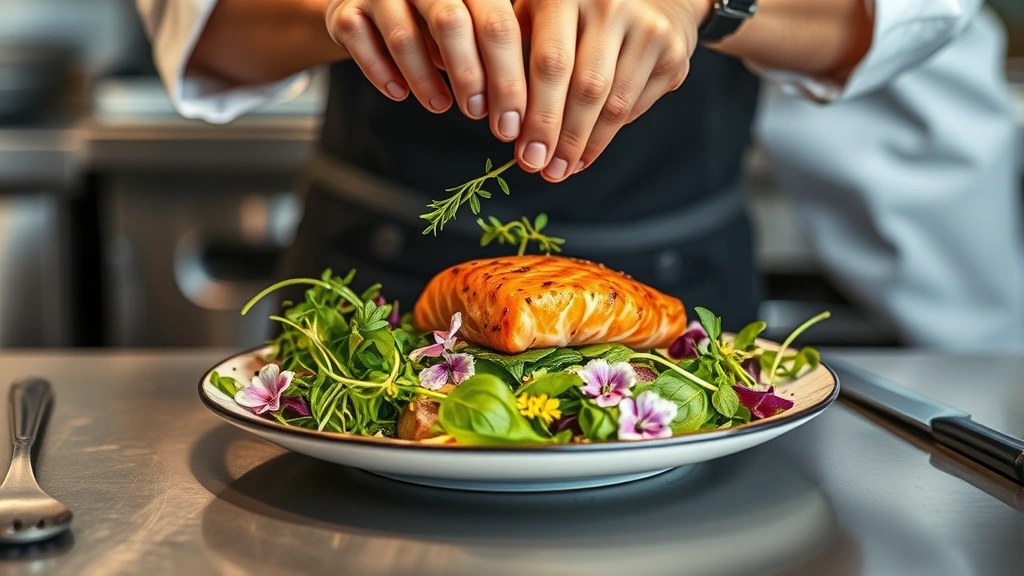
Protein selection represents the cornerstone of transforming salads from side dishes into complete meals. Chefs consistently recommend grilled chicken breast as the foundational protein, offering mild flavor that complements virtually any dressing profile while providing approximately 31 grams of protein per 100-gram serving. However, the most innovative culinary professionals are expanding protein options to include heritage meats, plant-based alternatives, and preparations that add textural complexity.
Grass-fed beef, particularly when sliced thin and seared to medium-rare, introduces rich umami flavors that elevate salad experiences significantly. Smoked salmon provides omega-3 fatty acids alongside distinctive flavor profiles that pair beautifully with dill-based dressings and crispy shallots. For vegetarian and vegan customers, explore more culinary insights on our Commerce Path Daily Blog to understand market trends driving plant-based adoption. Tempeh, when properly marinated and pan-fried, delivers nutty flavors and substantial texture that satisfies even dedicated meat-eaters seeking variety.
Grilled shrimp offers elegant presentation and rapid cooking times that benefit restaurant operations. Poached or soft-boiled eggs provide creamy richness and visual appeal, particularly when using heritage breed eggs with deep golden yolks. Legume-based proteins including chickpeas, lentils, and black beans appeal to health-conscious consumers and reduce food costs compared to animal proteins while maintaining nutritional integrity.
Crunchy Textural Elements That Define Excellence
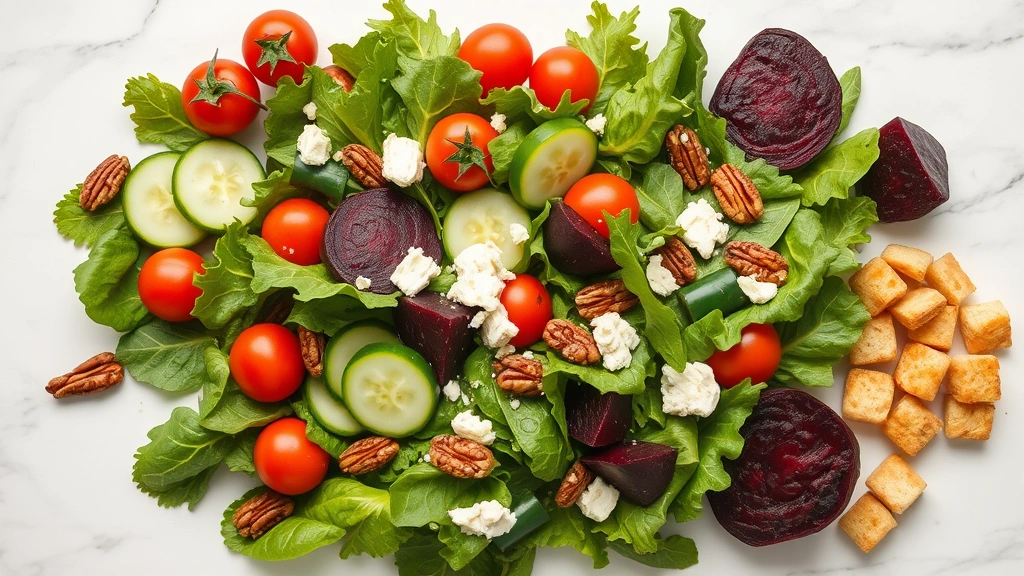
Texture differentiation separates memorable salads from forgettable ones. Croutons remain essential, though chefs now prepare them using artisanal breads, herb infusions, and specialty oils rather than commercial alternatives. Sourdough croutons provide complex flavor, while parmesan-crusted varieties add savory depth. Homemade croutons maintain superior crispness for 4-6 hours, critical for restaurant operations managing prep timing.
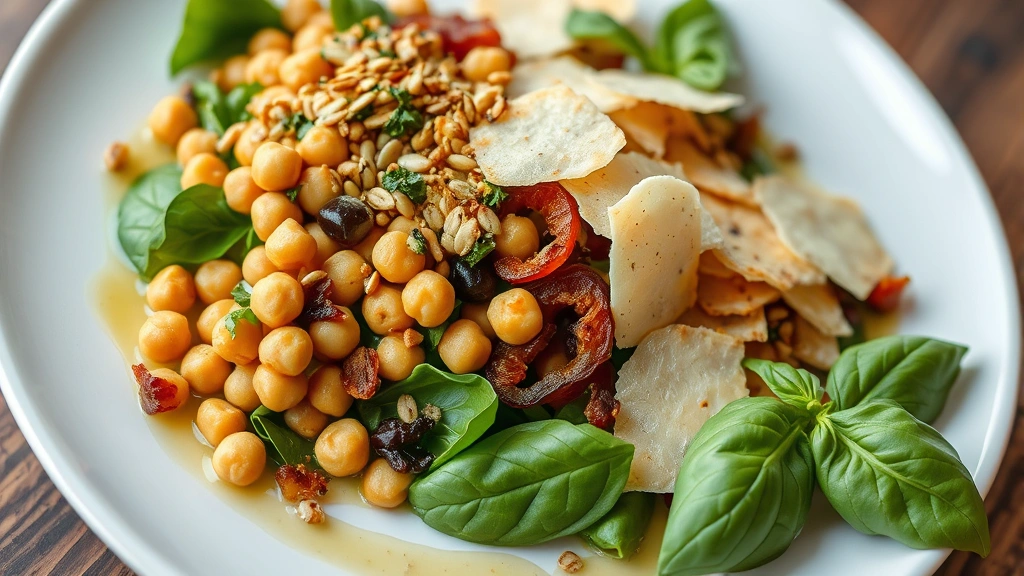
Toasted nuts and seeds contribute both nutritional value and sensory appeal. Candied pecans balance sweetness with subtle bitterness, while toasted pumpkin seeds deliver earthy minerality. Sliced almonds provide delicate crunch, and sunflower seeds offer affordability alongside nutritional benefits. Crispy chickpeas, when roasted with spices, create addictive textural contrast while boosting protein content significantly.
Fried onions, particularly Asian varieties, deliver concentrated savory-sweet flavor alongside dramatic crunch. Tortilla strips, especially when made from colorful corn varieties, add visual interest and textural complexity. Crispy prosciutto or bacon bits appeal to omnivorous diners, though proper portioning prevents excessive sodium content. Toasted breadcrumbs, particularly when infused with herbs and garlic, provide budget-friendly crunch without the bulk of traditional croutons.
Fresh Produce Selections Beyond Basic Vegetables
While lettuce and spinach form salad bases, sophisticated toppings incorporate diverse vegetables that deliver varied nutritional profiles and flavor dimensions. Microgreens, including pea shoots, mustard greens, and radish varieties, provide concentrated nutrients and delicate, peppery flavors that appeal to discerning palates. These specialty greens command premium pricing while requiring minimal preparation, enhancing restaurant margins substantially.
Roasted vegetables transform raw preparations through caramelization and concentrated flavors. Roasted beets develop deep sweetness, while roasted Brussels sprouts achieve nutty complexity. Charred broccoli and cauliflower develop smoky undertones that complement vinaigrette-based dressings. Roasted carrots, particularly when using heritage varieties in purple, yellow, and orange hues, create visual drama alongside natural sweetness.
Fresh herbs beyond parsley elevate salad sophistication considerably. Basil provides aromatic brightness, cilantro delivers peppery notes, tarragon contributes subtle anise undertones, and dill brings fresh, grassy qualities. Microherbs including fennel fronds and herb shoots offer concentrated flavors with minimal waste compared to full-size herbs. Edible flowers including nasturtiums, pansies, and borage blossoms add visual elegance while delivering subtle floral notes that surprise and delight customers.
Fruit additions create unexpected flavor contrasts that drive customer interest and repeat orders. Pomegranate arils provide jewel-like appearance and tart-sweet flavor. Fresh berries including strawberries, blueberries, and raspberries add natural sweetness and antioxidants. Stone fruits including peaches, apricots, and plums, when properly ripe, contribute subtle sweetness without overwhelming delicate greens. Citrus segments including grapefruit and orange add bright acidity that naturally balances rich proteins and creamy dressings.
Cheese Varieties and Dairy Alternatives
Cheese selection significantly influences salad perception and profitability. Aged cheddar, particularly sharp varieties, provides bold flavor that justifies premium pricing while requiring minimal quantity for substantial impact. Goat cheese, whether fresh and creamy or aged and crumbly, appeals to sophisticated diners and pairs beautifully with berry and vegetable combinations. Blue cheese delivers intense, pungent flavors that create memorable experiences, though proper portioning prevents overwhelming delicate greens.
Feta cheese provides salty, briny notes that complement Mediterranean preparations, while mozzarella varieties ranging from fresh buffalo mozzarella to smoked versions add creamy richness. Parmesan crisps deliver umami intensity alongside elegant presentation. Gruyère contributes nutty complexity, while aged gouda provides caramel-like sweetness. Burrata, when available, offers luxurious creaminess that creates Instagram-worthy visual moments driving social media engagement.
For vegan and dairy-free consumers, cashew-based cheese alternatives now deliver satisfying richness previously unavailable in plant-based options. Nutritional yeast provides umami-forward, cheesy flavors alongside B-vitamin fortification. Tofu-based preparations, particularly when smoked or marinated, offer protein-rich alternatives that appeal to environmentally conscious diners seeking reduced-carbon meal options.
Nuts, Seeds, and Grain-Based Additions
Nuts and seeds represent concentrated sources of healthy fats, proteins, and micronutrients that transform salads into nutritionally complete meals. Walnuts provide omega-3 fatty acids and earthy flavor, while pine nuts contribute delicate sweetness and buttery texture. Candied walnuts balance savory greens with subtle sweetness, creating sophisticated flavor combinations. Cashews offer creamy mouthfeel despite their plant-based origin, while pistachios provide vibrant color and subtle briny notes.
Seeds deserve equal prominence in sophisticated salad preparations. Pumpkin seeds deliver earthy minerality alongside nutritional density, while sunflower seeds provide lighter crunch and subtle sweetness. Sesame seeds, particularly when toasted, contribute nutty depth, and hemp seeds add complete protein profiles alongside subtle earthiness. Flax seeds, though less commonly used as visible toppings, provide omega-3 content when incorporated into dressings or grain-based components.
Grains transform salads from light accompaniments into substantial main courses. Quinoa, with its complete amino acid profile, appeals to health-conscious consumers and justifies premium pricing. Farro provides chewy texture and nutty flavor, while ancient grains including spelt and kamut deliver unique nutritional profiles. Couscous offers light texture and rapid preparation, beneficial for high-volume restaurant operations. Crispy rice, when prepared properly, adds textural contrast alongside subtle sweetness from natural grain sugars.
Flavor-Forward Dressings and Finishing Touches
Dressings represent the critical element that unifies disparate toppings into cohesive culinary experiences. Classic vinaigrettes using quality vinegars—including balsamic, sherry, and apple cider varieties—provide balanced acidity that brightens fresh ingredients. Dijon mustard-based vinaigrettes add subtle spice and emulsifying properties that create luxurious mouthfeel without excessive oil content.
Creamy dressings, when formulated with Greek yogurt rather than traditional mayonnaise, reduce caloric density while increasing protein content. Tahini-based dressings appeal to Mediterranean and Middle Eastern flavor profiles, while miso-based preparations deliver umami depth alongside probiotic benefits. Herb-forward dressings, particularly those featuring basil, tarragon, or cilantro, provide aromatic brightness that complements fresh, delicate toppings.
Finishing touches including crispy shallots, caramelized garlic chips, and herb oils elevate presentation and flavor complexity. Toasted breadcrumb mixtures, sometimes called panko breadings, add crunch while reducing reliance on heavy croutons. Microgreens scattered across finished salads provide visual drama and concentrated flavor. Edible flowers positioned strategically create Instagram-worthy presentations that drive social media sharing and organic marketing value.
Seasonal Salad Topping Strategies
Seasonal ingredient utilization reduces costs while ensuring peak flavor and nutritional density. Spring preparations celebrate fresh herbs, tender microgreens, and early vegetables including asparagus, peas, and artichokes. Spring salads benefit from light vinaigrettes and delicate proteins including poached fish and soft-boiled eggs. Strawberries and fresh goat cheese create iconic spring combinations that drive customer excitement during warmer months.
Summer salads emphasize tomatoes, cucumbers, stone fruits, and grilled proteins. Heirloom tomato varieties, when properly ripe, provide superior flavor compared to conventional varieties. Grilled corn adds sweetness and textural contrast, while summer herbs including basil and dill reach peak potency. Light, acidic dressings prevent heaviness during warm weather, while chilled preparations appeal to comfort-seeking customers.
Fall and winter seasons introduce roasted vegetables, heartier greens including kale and chard, and warm proteins. Roasted root vegetables including beets, carrots, and parsnips provide natural sweetness and substantial texture. Nuts including walnuts and pecans reach peak availability and affordability. Winter fruits including pomegranate and citrus segments provide bright acidity alongside jewel-like visual appeal. Aged cheeses and preserved elements including dried cranberries and apricots bridge seasons while maintaining interest.
Building Profitable Salad Programs for Restaurants
Successful restaurant salad programs require strategic positioning within broader menus and careful cost management. Premium salads command higher price points when positioned as complete meals with substantial proteins and sophisticated topping combinations. Research from Mintel’s consumer insights indicates that diners willingly pay 15-25% premiums for salads featuring chef-selected combinations and premium ingredients.
Operational efficiency demands standardized topping preparations and strategic mise en place organization. Pre-portioned proteins, blanched vegetables, and toasted garnishes reduce service-time delays while ensuring consistency. Nation’s Restaurant News reports that restaurants implementing salad-focused strategies achieve 3-4% margin improvements through optimized ingredient utilization and reduced plate waste.
Menu engineering strategies should emphasize high-margin toppings while managing ingredient costs strategically. House-made croutons, dressings, and infused oils reduce reliance on expensive commercial products while differentiating offerings from competitors. Seasonal rotation prevents customer fatigue while optimizing ingredient costs through peak-availability purchasing. The Food Institute research demonstrates that restaurants featuring rotating seasonal salads achieve 8-12% higher customer satisfaction scores compared to static menus.
Staff training regarding salad construction, topping combinations, and flavor pairing creates consistency and enables personalized recommendations that drive upselling. Teaching servers about nutritional benefits of specific toppings and flavor profiles enables value-based selling rather than discount-driven promotions. Customer feedback mechanisms, including digital surveys and comment cards, provide insights into topping preferences that inform menu optimization decisions.
Sustainability considerations increasingly influence consumer purchasing decisions, particularly among younger demographics. Sourcing local and organic ingredients, minimizing plastic packaging, and implementing composting programs appeal to environmentally conscious diners willing to support premium pricing. Nielsen’s sustainability research indicates that 73% of millennial consumers actively seek sustainable food options, creating significant market opportunity for restaurants emphasizing local and organic salad ingredients.
FAQ
What are the most versatile salad toppings for different dietary preferences?
Nuts, seeds, and roasted vegetables serve diverse dietary needs simultaneously. These toppings accommodate omnivorous, vegetarian, vegan, gluten-free, and paleo preferences without requiring separate preparation. Quality proteins including grilled chicken, tempeh, and legumes appeal across dietary categories. Fresh herbs, microgreens, and edible flowers add flavor without dietary restrictions. This approach enables efficient restaurant operations while maximizing customer inclusivity and satisfaction.
How can home cooks maintain crispy salad toppings without sogginess?
Strategic timing prevents moisture transfer from dressings to delicate components. Assemble salads immediately before serving, adding dressing only to greens rather than topping elements. Store crispy components separately until final assembly. Toast nuts and seeds immediately before serving for maximum crispness. Use oil-based vinaigrettes rather than creamy dressings when preparing salads ahead, as vinegar-based preparations prevent sogginess more effectively than dairy-based alternatives.
What nutritional benefits do specific salad toppings provide?
Proteins including grilled chicken, eggs, and legumes provide amino acids essential for muscle maintenance and recovery. Nuts and seeds deliver healthy fats supporting cardiovascular health and nutrient absorption. Colorful vegetables provide antioxidants and phytonutrients that reduce inflammation and support disease prevention. Fresh herbs contain concentrated beneficial compounds including polyphenols and flavonoids. Combining diverse toppings creates nutritionally complete meals supporting sustained energy and satiety.
How do restaurants calculate appropriate portion sizes for salad toppings?
Standard portions typically range from 1-2 ounces for proteins per salad, 0.5-1 ounce for cheeses, 0.25-0.5 ounce for nuts and seeds, and 2-3 ounces for roasted vegetables. These guidelines provide satisfying portions while maintaining cost control and consistency. Regular scale verification prevents portion creep that erodes profitability. Customer feedback and plate waste analysis inform portion optimization, ensuring satisfaction without excessive ingredient costs.
What dressing pairings complement specific topping combinations?
Mediterranean toppings including feta, olives, and roasted vegetables pair beautifully with lemon-based vinaigrettes. Asian-inspired combinations featuring sesame seeds, crispy shallots, and grilled proteins complement miso or ginger-based dressings. Warm salads with roasted vegetables and aged cheeses benefit from balsamic vinaigrettes or creamy mustard dressings. Light spring salads with delicate greens and fresh herbs showcase subtle vinaigrettes without overwhelming flavors. Matching dressing intensity to topping boldness ensures balanced, memorable experiences.