Mexican Salad Recipe: Chef’s Special Guide to Authentic Flavors
Mexican salads represent one of the most versatile and nutrient-dense dishes in global cuisine, combining fresh produce with bold spices and traditional ingredients that have been perfected over centuries. Whether you’re preparing a weeknight dinner or hosting a gathering, understanding the fundamentals of authentic Mexican salad preparation can elevate your culinary skills and impress your guests. This comprehensive guide explores the essential components, techniques, and variations that professional chefs use to create memorable Mexican salads that balance flavor, texture, and nutritional value.
The beauty of Mexican cuisine lies in its emphasis on fresh, seasonal ingredients and the harmonious blending of flavors. Mexican salads showcase this philosophy perfectly, combining crisp vegetables, protein sources, vibrant dressings, and traditional toppings that create complex taste profiles. From the iconic Ensalada Mexicana to modern interpretations featuring grilled proteins and innovative dressings, Mexican salads offer endless possibilities for home cooks and culinary professionals alike.
Essential Ingredients for Authentic Mexican Salads
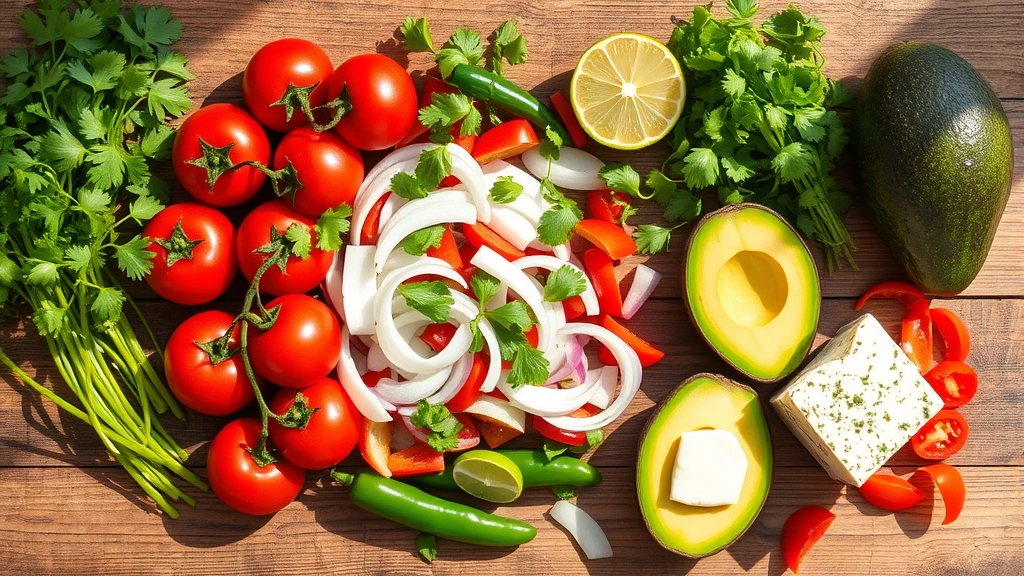
Creating an authentic Mexican salad begins with understanding the core ingredients that define this culinary tradition. The foundation typically includes fresh tomatoes, onions, cilantro, and lime juice—ingredients that appear in countless regional variations across Mexico. High-quality tomatoes form the backbone of most Mexican salads, providing natural sweetness, acidity, and vibrant color. Roma tomatoes work exceptionally well because of their lower water content and concentrated flavor, though heirloom varieties offer superior taste complexity.
Cilantro serves as the signature herb in Mexican cuisine, adding a distinctive fresh, slightly citrusy note that cannot be replicated. The key to using cilantro effectively involves understanding that both the leaves and tender stems contribute flavor—many chefs prefer using the entire herb rather than discarding stems. Red onions provide sharp bite and visual appeal, while white onions offer milder flavor suitable for those sensitive to onion intensity.
Jalapeños and serrano peppers introduce heat and depth, with jalapeños being milder and more accessible to general audiences. Fresh lime juice acts as the primary acidifying agent, brightening all other flavors and preventing oxidation of delicate vegetables. Avocado, while not technically a vegetable, represents an essential component in many Mexican salad preparations, contributing creamy texture and rich, buttery flavor that balances spicy and acidic elements.
Traditional Mexican salads often incorporate Cotija cheese—a crumbly, salty cheese that adds distinctive umami notes. Queso fresco provides a milder alternative with similar textural qualities. Black beans and corn frequently appear in contemporary Mexican salads, adding protein, fiber, and sweet flavor that complements acidic dressings. Jicama offers a crunchy, slightly sweet element that provides textural contrast, while radishes contribute peppery bite and crisp texture.
Classic Mexican Salad Recipes
Ensalada Mexicana (Mexican Salad) represents the most fundamental and widely recognized Mexican salad preparation. This simple yet elegant dish combines diced tomatoes, white onion, and fresh cilantro with lime juice and salt. The beauty of this preparation lies in its simplicity—when executed with quality ingredients and proper technique, the result showcases the natural flavors of each component. Many restaurants feature this salad as a complimentary starter, recognizing its ability to cleanse the palate and prepare diners for subsequent courses.
Ensalada de Nopales features cactus paddles (nopales) as the primary ingredient, reflecting the deep roots of Mexican gastronomy. Nopales provide a unique texture—slightly gelatinous when cooked—and a mild, grassy flavor. This salad traditionally includes tomatoes, onions, cilantro, and jalapeños, dressed simply with lime juice and oil. Nopales offer significant nutritional benefits, including high fiber content and blood sugar regulation properties, making this salad particularly valuable for health-conscious consumers.
Mexican Street Corn Salad (Esquites) transforms the beloved street food into salad form. Charred corn kernels combine with cotija cheese, lime juice, mayonnaise, and chili powder to create a creamy, tangy, spicy side dish. This preparation demonstrates how traditional Mexican street food can be reimagined while maintaining authentic flavor profiles. The combination of sweet corn, salty cheese, acidic lime, and spicy chili creates a complete flavor spectrum that satisfies multiple taste preferences simultaneously.
Black Bean and Corn Salad provides a protein-rich variation suitable for vegetarian and vegan applications. Black beans contribute earthiness and substantial texture, while corn adds sweetness. Bell peppers, red onion, cilantro, and a lime-based vinaigrette complete this colorful preparation. This salad improves over time as flavors meld, making it ideal for meal preparation and advance planning—a significant advantage for busy households and food service operations.
Avocado and Tomato Salad celebrates the natural affinity between these two ingredients. Ripe avocados, quality tomatoes, fresh cilantro, and lime juice create a simple yet sophisticated preparation. The key involves timing—avocados should be added immediately before serving to prevent oxidation and browning. This salad works excellently as a side dish or as a light main course when paired with grilled protein.
Dressings and Sauces That Define Mexican Salads
The dressing elevates a Mexican salad from ordinary to exceptional, introducing complexity and cohesion that unifies disparate ingredients. Lime vinaigrette represents the most fundamental dressing, combining fresh lime juice, olive oil, garlic, cumin, and salt. The ratio of acid to oil typically favors acid—Mexican cuisine traditionally uses more lime juice than many European vinaigrettes, creating brighter, more assertive flavor profiles. This approach reflects the bold seasoning philosophy that characterizes authentic Mexican cooking.
Cilantro lime dressing incorporates fresh cilantro directly into the vinaigrette, creating a vibrant green color and intensifying herbal notes. This dressing works particularly well with salads featuring beans, corn, and grilled proteins. The combination of cilantro and lime creates a signature flavor that immediately signals Mexican or Latin-inspired cuisine to diners.
Chipotle crema provides a creamy, smoky dressing that appeals to those preferring richer preparations. Chipotle peppers in adobo sauce blend with sour cream or Mexican crema, lime juice, and garlic to create a complex sauce with heat, smoke, and tangy richness. This dressing works excellently with heartier salads featuring grilled chicken, steak, or seafood.
Avocado lime dressing transforms ripe avocados into a creamy base, combining them with lime juice, cilantro, garlic, and water or broth to achieve pourable consistency. This dressing provides richness and helps incorporate fat-soluble vitamins more effectively into the body. The natural creaminess appeals to those avoiding mayonnaise-based dressings while maintaining indulgent mouthfeel.
Jalapeño vinaigrette introduces heat and complexity by infusing vinaigrette with fresh jalapeños. Some preparations involve charring jalapeños to develop deeper, smokier flavors. This dressing suits bold salads featuring grilled vegetables, beans, and robust proteins that can stand up to assertive flavors.
Protein Additions and Variations
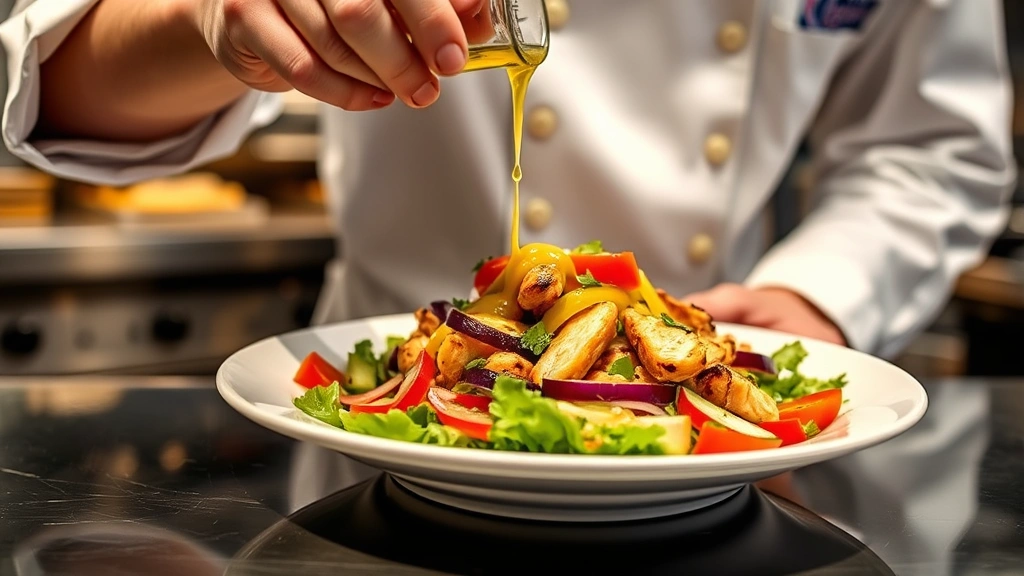
While vegetable-based Mexican salads provide excellent nutrition, adding protein transforms salads into complete meals. Grilled chicken represents the most common protein addition, offering lean protein and neutral flavor that allows other ingredients to shine. Marinating chicken in lime juice, garlic, cumin, and chiles before grilling adds Mexican flavor complexity. Shredding or slicing the grilled chicken allows it to distribute evenly throughout the salad.
Carne asada (grilled beef) provides a more indulgent option, bringing rich, savory depth to salads. This preparation typically involves marinating beef in citrus, garlic, and spices before grilling over high heat. Slicing the beef thinly and arranging it over the salad creates an impressive presentation suitable for special occasions or upscale dining experiences.
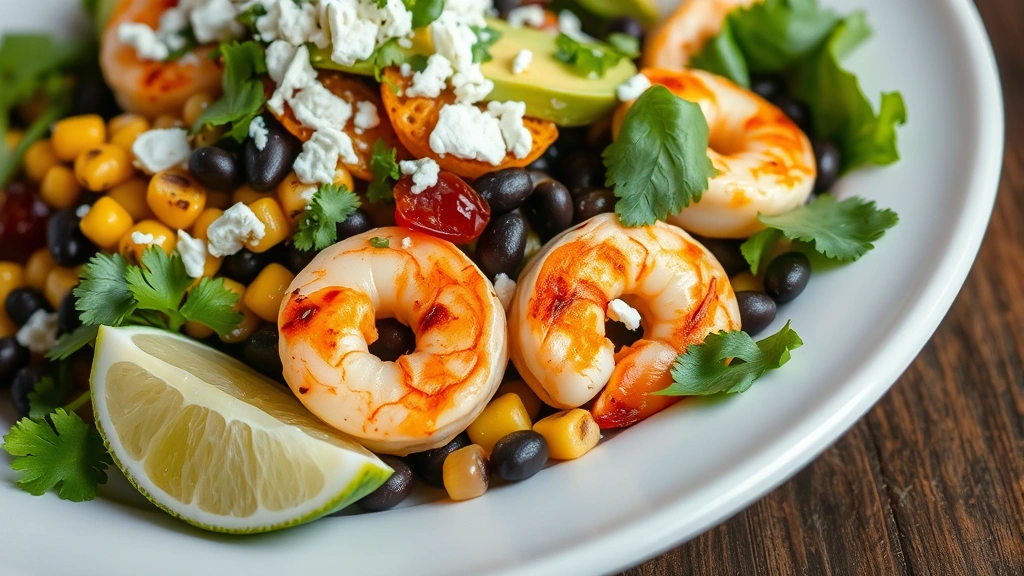
Grilled fish and seafood offer lighter alternatives that work exceptionally well with acidic dressings. Mahi-mahi, snapper, or shrimp complement fresh vegetables and lime-based dressings beautifully. The combination of seafood with Mexican seasonings reflects the coastal culinary traditions of regions like Veracruz and Baja California.
Black beans and legumes provide vegetarian protein while adding earthiness and substantial texture. Seasoning beans with cumin, garlic, and chiles ensures they contribute flavor rather than simply providing nutritional bulk. Combining multiple legume types creates interesting texture contrasts and expands nutritional profiles.
Queso fresco and cotija cheese function as both protein sources and flavor elements, adding salty, umami notes. While not complete proteins independently, cheese contributes significantly to overall protein content when combined with legumes or vegetables in balanced proportions.
Preparation Techniques and Pro Tips
Professional chefs employ specific techniques that elevate home cooking and transform ordinary salads into restaurant-quality preparations. Mise en place—preparing and organizing all ingredients before assembly—ensures efficient workflow and prevents oxidation of delicate vegetables. Chopping tomatoes and avocados immediately before serving maintains texture and prevents browning.
Proper seasoning technique involves layering flavors rather than adding salt and lime at the end. Salting vegetables slightly as they’re cut draws out moisture and allows seasoning to penetrate. This approach creates more flavorful results than simply tossing finished vegetables with dressing.
Temperature management significantly impacts salad quality. Serving salads on chilled plates and using chilled ingredients maintains textural integrity and prevents wilting. Many professional kitchens refrigerate salad components separately, assembling individual portions immediately before service.
Charring and grilling vegetables develops complex flavors through the Maillard reaction. Charred corn, grilled peppers, and blackened onions introduce smoky depth that elevates vegetable salads substantially. This technique works particularly well when combined with bright, acidic dressings that balance the intensity of charred elements.
Balancing flavors requires understanding the interplay between salt, acid, fat, and heat. Tasting continuously throughout preparation allows adjustments before service. A squeeze of lime juice can brighten flavors, while additional salt enhances perception of other taste elements. Understanding these principles enables intuitive recipe modification and personalization.
Dressing application technique prevents soggy salads while ensuring adequate flavor distribution. Rather than drowning salads in dressing, professional chefs apply dressing gradually, tossing gently to coat all components evenly. Dressing delicate vegetables separately from heartier ingredients prevents over-saturation.
Sourcing Ingredients and Market Strategies
Whether you’re preparing Mexican salads for personal consumption or considering commercial applications, understanding ingredient sourcing significantly impacts quality and profitability. Farmers markets provide access to seasonal produce at peak ripeness, often at competitive prices. Building relationships with local growers ensures consistent quality and potentially offers opportunities for bulk purchasing at reduced rates. Many farmers market vendors offer specialty items like fresh cilantro, unique chiles, and heirloom tomatoes unavailable through conventional retail channels.
For those considering commercial food ventures, exploring online retail models and e-commerce marketing strategies can help build customer bases for prepared salad delivery services or specialty ingredients. Restaurant supply companies offer wholesale pricing for entrepreneurs launching food-related businesses, though minimum orders typically require larger volume commitments.
Wholesale clubs like Costco and Sam’s Club provide bulk ingredients at significant discounts, valuable for households planning meal preparation or small-scale food operations. Building relationships with multiple suppliers ensures competitive pricing and supply chain redundancy. Specialty Latin markets often stock authentic ingredients—fresh epazote, specific chile varieties, and imported cheeses—at better prices than mainstream supermarkets.
Understanding seasonal availability prevents overpaying for out-of-season produce. Tomatoes, peppers, and corn reach peak flavor and minimum prices during summer months. Learning to substitute and adapt recipes based on seasonal availability maintains cost efficiency while supporting local agriculture. For entrepreneurs interested in selling prepared foods, Facebook Marketplace offers platforms for direct-to-consumer sales of fresh prepared salads.
Commercial food preparation requires understanding food safety regulations, proper storage protocols, and nutritional labeling requirements. Print-on-demand services can create custom labels and packaging for bottled dressings or prepared salad components. Exploring vending machines for sale opens opportunities for distributing prepared salads in high-traffic locations, though refrigeration requirements demand specialized equipment investment.
Building a successful salad-focused food business requires understanding local market dynamics and consumer preferences. Research indicates growing consumer demand for fresh, convenient, healthy meal options—Mexican salads align perfectly with these preferences. Developing unique flavor combinations, sourcing distinctive ingredients, and emphasizing quality and freshness create competitive advantages in increasingly crowded prepared food markets.
Industry data from Statista’s salad market research shows consistent growth in fresh salad consumption, with Latin-inspired varieties gaining particular popularity among younger demographics. Food Dive’s industry analysis identifies authentic, convenient, and health-focused options as key growth drivers. Understanding these market trends helps entrepreneurs position Mexican salad offerings strategically within competitive food service landscapes.
FAQ
What makes an authentic Mexican salad different from other salads?
Authentic Mexican salads emphasize fresh ingredients, bold flavors, and simple preparation methods. They typically feature lime juice as the primary acidifying agent rather than vinegar, incorporate fresh cilantro as a signature herb, and often include traditional Mexican ingredients like cotija cheese, jalapeños, and avocado. The flavor profile tends toward brightness and assertiveness rather than subtle complexity.
Can Mexican salads be prepared in advance?
Certain components can be prepared ahead—vegetables can be chopped and stored separately, dressings can be made days in advance, and proteins can be grilled and refrigerated. However, final assembly should occur close to serving time to prevent wilting and maintain optimal texture. Bean-based salads actually improve over time as flavors meld, making them excellent for meal preparation.
How do I prevent avocado from browning in Mexican salad?
Adding avocado immediately before serving prevents oxidation. If advance preparation is necessary, toss avocado pieces with lime juice—the acid slows browning significantly. Alternatively, store avocado halves with the pit intact until ready to use, as the pit helps prevent browning. Covering the salad tightly with plastic wrap minimizes air exposure.
What are the best proteins for Mexican salads?
Grilled chicken, carne asada, fish, shrimp, and black beans all work excellently. Choose proteins that complement your dressing and other ingredients. Lighter dressings pair well with seafood, while heartier dressings suit beef and poultry. Vegetarian options like beans and cheese provide complete proteins when combined appropriately.
How can I make Mexican salad dressing healthier?
Increase the proportion of lime juice to oil, reducing overall fat content while intensifying flavor. Substitute sour cream with Greek yogurt in creamy dressings to increase protein and reduce fat. Use avocado-based dressings that provide healthy fats. Minimize added sugars and rely on natural sweetness from fresh ingredients.
Can Mexican salads work as main courses?
Absolutely. Adding substantial proteins like grilled chicken, beef, or seafood, combined with beans, cheese, and hearty vegetables, transforms salads into complete, satisfying meals. Grain additions like quinoa or farro increase satiety and nutritional completeness. Portion sizes should reflect the salad’s intended role.