Buy a Laundromat? Essential Tips & Local Insights
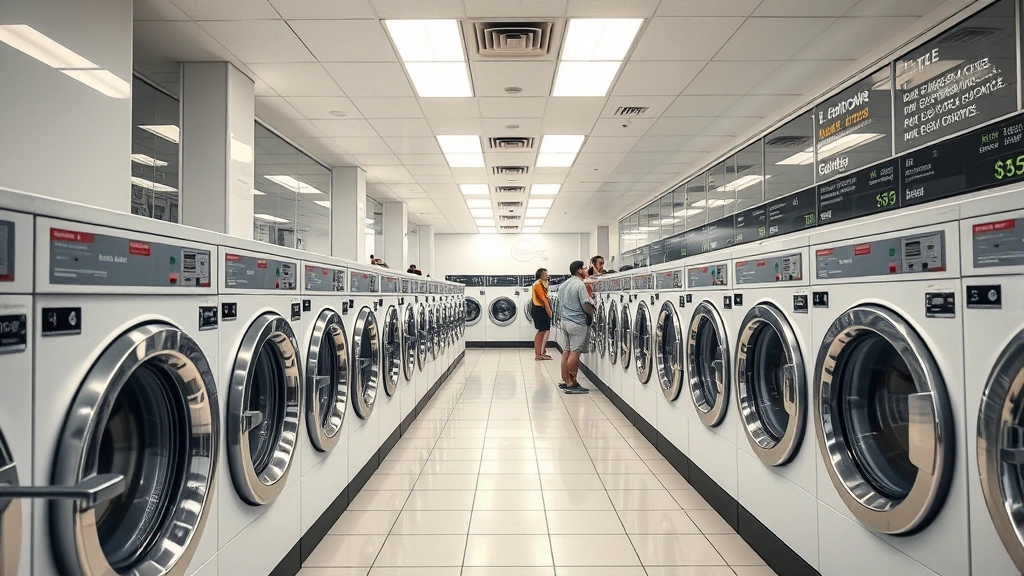
Investing in a laundromat can be a lucrative business opportunity for entrepreneurs seeking a tangible asset with consistent cash flow. Unlike many service-based businesses, laundromats generate revenue 24/7, requiring minimal labor while maintaining strong profit margins. However, purchasing a laundromat near you requires careful analysis of location, financial metrics, and operational readiness. This guide provides actionable insights to help you navigate the laundromat acquisition process successfully.
The laundry industry remains resilient across economic cycles. According to IBISWorld’s laundromat industry report, the sector generates over $5 billion annually in the United States alone. Whether you’re a first-time business owner or an experienced investor, understanding local market dynamics and financial fundamentals will determine your success. This article breaks down everything you need to know before signing on a laundromat property.
Evaluating Location and Market Demand
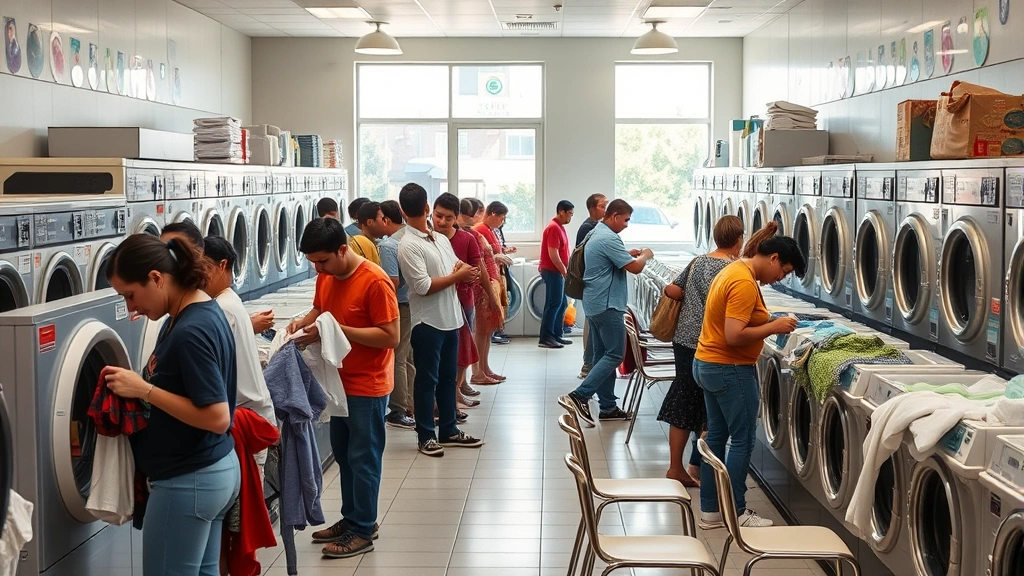
Location is the single most critical factor determining laundromat success. A laundromat thrives in areas with high population density, limited in-home laundry facilities, and strong residential or commercial foot traffic. Before pursuing a laundromat for sale near me, research neighborhood demographics thoroughly.
Ideal laundromat locations include:
- Apartment-heavy neighborhoods where renters cannot install washers and dryers
- College towns with student populations requiring affordable laundry solutions
- Urban centers where space constraints prevent in-unit appliances
- Working-class communities with consistent demand for budget-friendly laundry services
- Areas near hotels or hostels where travelers need laundry facilities
Visit prospective locations during different times of day and week. Observe customer traffic patterns, competitor density, and community development trends. A laundromat in a declining neighborhood will struggle regardless of equipment quality. Conversely, an emerging neighborhood with new residential construction may represent significant growth potential.
Analyze demographic data using census information and tools like U.S. Census data. Look for areas where fewer than 60% of households own washing machines—a strong indicator of laundromat demand. Check local zoning regulations to ensure the property can legally operate as a laundromat, and review any restrictions on operating hours or noise levels.
Financial Analysis and Profitability Metrics
Understanding the financial fundamentals separates successful laundromat purchases from costly mistakes. Most laundromats generate revenue through coin-operated machines, card systems, and ancillary services like vending machines and drop-off laundry.
Key financial metrics to evaluate:
- Gross Revenue: Multiply average daily revenue by 365. Most established laundromats generate $1,500–$3,500 weekly, translating to $78,000–$182,000 annually.
- Operating Expenses: Budget 25-35% of gross revenue for utilities (water, electricity, gas), maintenance, repairs, and supplies. This is significantly lower than most retail businesses.
- Net Profit Margin: Healthy laundromats achieve 35-50% net margins after all expenses. Calculate this by subtracting operating costs from gross revenue.
- Return on Investment (ROI): Most laundromat purchases break even within 3-5 years. Calculate ROI by dividing annual net profit by total investment cost.
- Debt Service Coverage Ratio: If financing, ensure annual net profit can cover loan payments 1.5 times over.
Request detailed financial records from the current owner, including transaction history for the past 2-3 years. Verify revenue claims by reviewing bank deposits and utility bills. Be skeptical of sellers claiming unusually high revenue without documentation—this is a common tactic in inflated valuations.
When implementing inventory management systems for supplies and equipment parts, you’ll track expenses more accurately and optimize profitability. Consider how technology integration can streamline your operations from day one.
Equipment Investment and Maintenance Costs
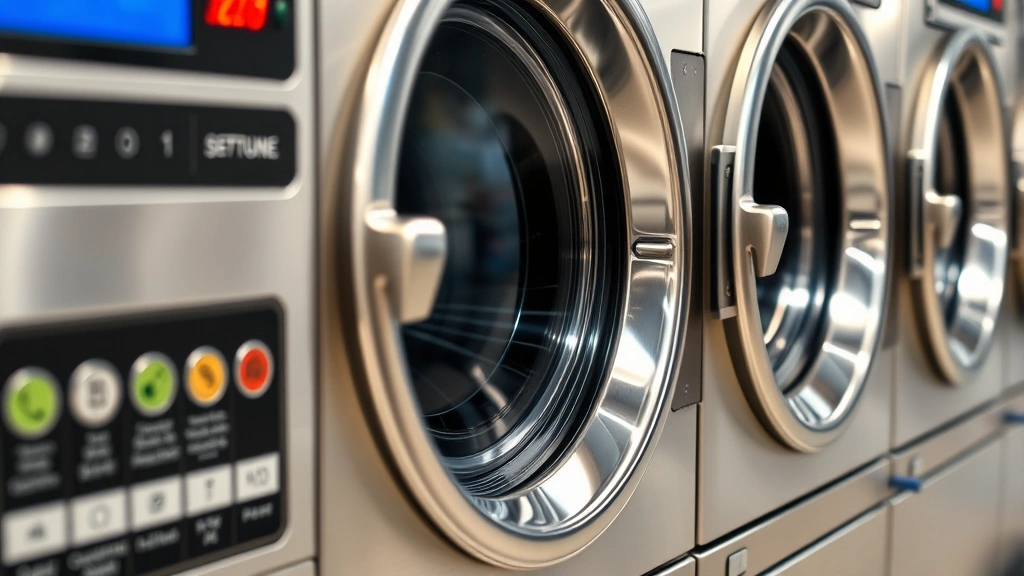
Laundromat equipment represents your largest capital expenditure. New commercial washers cost $3,000–$5,000 each, while dryers range from $1,500–$3,000 per unit. A typical 15-unit laundromat requires $60,000–$90,000 in equipment alone.
Equipment considerations:
- New vs. Used Equipment: New machines offer warranties and reliability but higher upfront costs. Quality used equipment (3-5 years old) can reduce initial investment by 30-40% while maintaining performance.
- Machine Type: High-capacity machines (18-25 lbs) generate more revenue per cycle than standard units but cost more initially.
- Payment Systems: Modern card-based systems and mobile payment options attract younger customers and reduce coin handling. Retrofit existing machines or purchase new integrated units.
- Maintenance Contracts: Budget $100–$300 monthly for professional maintenance. Preventative care extends equipment life and minimizes unexpected breakdowns.
- Replacement Reserve: Set aside 5-10% of annual revenue for equipment replacement, as commercial machines typically last 7-10 years.
Request maintenance records from current owners. Machines requiring frequent repairs indicate poor management or approaching end-of-life. Factor replacement costs into your acquisition price negotiation.
Operational Considerations for New Owners
Operating a laundromat requires less day-to-day involvement than traditional retail, but certain operational aspects demand attention. Unlike digital e-commerce marketing strategies, laundromat growth depends on location visibility and customer experience optimization.
Essential operational tasks:
- Security and Surveillance: Install comprehensive CCTV systems covering all areas. Security protects revenue, deters theft, and provides liability protection. Budget $2,000–$5,000 for installation.
- Cleaning and Maintenance: Establish daily cleaning protocols. Hire a part-time attendant or contract cleaning services to maintain floors, bathrooms, and machine exteriors. Clean facilities significantly boost customer retention.
- Supply Management: Stock detergent, fabric softener, and other supplies. Negotiate wholesale pricing with distributors and monitor inventory to prevent stockouts.
- Customer Service: Implement a customer support system for machine malfunctions. Provide clear signage, working change machines, and responsive repair services. Happy customers become repeat customers.
- Revenue Tracking: Use digital collection systems to monitor daily revenue and identify revenue fluctuations indicating mechanical problems.
Plan for regular hours of operation. While 24/7 operation maximizes revenue, it increases security risks and utility costs. Many successful laundromats operate 5:30 AM–10:00 PM, capturing morning and evening rush periods while reducing overnight expenses.
Legal and Regulatory Requirements
Before purchasing a laundromat, understand local legal and regulatory requirements that vary significantly by jurisdiction.
Critical legal considerations:
- Business Licensing: Obtain local business licenses and permits. Costs typically range from $100–$500 annually.
- Zoning Compliance: Verify the property is zoned for commercial laundromat operation. Non-compliant properties face closure risks regardless of profitability.
- ADA Compliance: Ensure accessibility for disabled customers, including wheelchair-accessible machines, parking, and restrooms. Non-compliance invites litigation.
- Plumbing and Building Codes: Have a professional inspector verify compliance with local building codes. Plumbing upgrades can cost $5,000–$15,000 if required.
- Environmental Regulations: Some jurisdictions regulate water discharge and chemical use. Understand local environmental compliance requirements.
- Insurance: Obtain general liability, property, and equipment coverage. Annual insurance costs range from $1,500–$3,500 depending on location and coverage levels.
Consult with a local attorney specializing in commercial real estate before signing contracts. Legal guidance protects your investment and prevents costly compliance issues post-purchase.
Finding Laundromats for Sale in Your Area
Locating quality laundromats for sale requires strategic searching across multiple channels.
Where to find laundromat listings:
- Commercial Real Estate Brokers: Connect with brokers specializing in commercial properties. They access exclusive listings not advertised publicly.
- Online Marketplaces: Websites like LoopNet and Craigslist feature laundromat listings by region.
- Franchise Opportunities: Laundromat franchise companies like Laundromat Express and WaveMax offer turnkey operations with support and established systems.
- Direct Owner Sales: Contact existing laundromat owners. Some sell directly without brokers, potentially offering better pricing.
- Networking: Join local business associations and real estate investment groups. Relationships often lead to off-market deals.
When evaluating properties, request detailed information including equipment lists, utility bills, revenue statements, lease terms, and maintenance history. Compare multiple properties before making offers. Similar to evaluating print-on-demand business models, laundromat success depends on thorough due diligence before investment.
Negotiate aggressively. Many sellers overvalue their businesses, expecting offers 10-20% below asking price. Use financial analysis to justify lower offers based on actual performance data rather than seller claims.
FAQ
How much does a laundromat typically cost?
Laundromat purchase prices range from $50,000 for small operations in secondary markets to $300,000+ for well-established locations in prime urban areas. Most average $100,000–$150,000. Equipment and build-out represent 50-70% of total costs, with real estate comprising the remainder.
What is the average laundromat profit margin?
Successful laundromats achieve 35-50% net profit margins. This means a laundromat generating $120,000 annually typically produces $42,000–$60,000 in net profit after operating expenses. These margins significantly exceed typical retail businesses.
Do I need experience to own a laundromat?
No. Laundromats require minimal specialized knowledge. Basic business management skills, attention to detail, and commitment to customer service suffice. Many successful owners transition from completely different industries.
How long does it take to break even on a laundromat investment?
Most laundromats break even within 3-5 years. This timeline depends on purchase price, initial revenue, and operating efficiency. Well-managed locations in strong markets break even faster, while challenged locations may take longer.
What are common laundromat failures?
Poor location selection tops the failure list. Additional common mistakes include inadequate financial analysis, underestimating operating costs, neglecting facility maintenance, and insufficient customer service. Avoiding these pitfalls dramatically improves success rates.
Should I buy an existing laundromat or build from scratch?
Buying an existing laundromat is typically preferable. You inherit established customer bases, proven revenue streams, and existing equipment. Building from scratch requires higher capital investment and carries greater uncertainty. However, new construction in emerging neighborhoods may offer superior long-term growth potential.
Can I operate a laundromat remotely?
Yes, with proper systems. Remote monitoring systems, automated payment collection, and contracted maintenance allow owners to manage operations from anywhere. However, periodic in-person visits ensure quality control and customer satisfaction.