Where to Buy Goldendoodle? Trusted Sources for Your New Pet
Finding a healthy, well-bred Goldendoodle requires careful research and understanding where to source your new family member responsibly. The pet acquisition market has evolved significantly, with multiple channels now available to prospective owners. However, not all sources are created equal, and distinguishing between reputable breeders, rescue organizations, and commercial operations is essential for ensuring you bring home a healthy, ethically-raised dog.
Goldendoodles, a cross between Golden Retrievers and Poodles, have become increasingly popular over the past two decades. This surge in demand has unfortunately attracted both legitimate breeders and unethical operators. Understanding the landscape of where to buy a Goldendoodle helps you make an informed decision that prioritizes animal welfare, genetic health, and long-term compatibility with your household.
This comprehensive guide explores the most trusted sources for acquiring a Goldendoodle, evaluates the pros and cons of each channel, and provides actionable steps to verify breeder credibility and ensure a positive purchasing experience.
Reputable Breeders and Breeding Standards
The foundation of responsible Goldendoodle acquisition begins with identifying ethical, knowledgeable breeders who prioritize genetic health and temperament. Reputable breeders maintain detailed records of their breeding lines, conduct health testing on parent dogs, and genuinely care about where their puppies end up.
Quality breeders typically specialize in Goldendoodles and have years of experience with the breed. They maintain transparent communication, welcome home visits, and can provide references from previous customers. Many reputable breeders are members of breed-specific clubs and associations, which hold them accountable to established standards. When evaluating breeders, look for those who screen potential buyers thoroughly—they should ask detailed questions about your living situation, lifestyle, and expectations.
The Goldendoodle Association of North America (GANA) serves as an important resource for locating registered breeders who adhere to a code of ethics. Members commit to health testing, responsible breeding practices, and ongoing support for puppy buyers. Membership in such organizations typically indicates a commitment to breed improvement and ethical practices.
Reputable breeders also provide comprehensive health guarantees, often covering genetic conditions for one to two years. They maintain relationships with puppy buyers throughout the dog’s life and often require that dogs be returned to them if circumstances change, rather than ending up in shelters. This level of responsibility separates legitimate operations from those primarily motivated by profit.
[IMAGE_1]
AKC Marketplace and Breed Registries
The American Kennel Club (AKC) provides resources for finding registered breeders through their official marketplace. While the AKC doesn’t register Goldendoodles as an official breed (since they’re a hybrid), the AKC Marketplace features breeders of purebred parent breeds—Golden Retrievers and Poodles—which is valuable for understanding breeder credibility and standards.
The AKC Marketplace requires breeders to meet specific criteria and maintain good standing. When searching for Goldendoodle breeders, you can use the AKC Marketplace to verify that breeders of the parent breeds are registered and in good standing. This provides a layer of verification and accountability that casual breeders may not have.
Additionally, the AKC maintains databases of health certifications and testing results through the Canine Health Information Center (CHIC). Responsible Goldendoodle breeders often have parent dogs with CHIC certifications, indicating they’ve undergone important health screenings for hip dysplasia, elbow dysplasia, and eye conditions.
When evaluating breeders through registry-affiliated marketplaces, verify their credentials directly with the organization. Contact the AKC to confirm membership status and review any complaints or disciplinary history. This due diligence protects you from misrepresentation and helps ensure you’re working with established, vetted professionals.
Rescue Organizations and Adoption Centers
For those open to adopting rather than purchasing a puppy, Goldendoodle-specific rescue organizations offer an ethical and rewarding alternative. These nonprofits specialize in rehoming Goldendoodles of all ages, often at significantly lower costs than purchasing from breeders. Rescue dogs frequently come with behavioral assessments, medical care, and ongoing support from the organization.
Breed-specific rescues like Golden Retriever and Poodle rescue networks sometimes have Goldendoodle mixes available. These organizations carefully match dogs with appropriate families and provide detailed information about each dog’s temperament, medical history, and special needs. Many rescue organizations conduct home visits and follow-up care, ensuring successful placements.
General animal shelters and adoption centers across the country house countless dogs, including Goldendoodles and Goldendoodle mixes. Organizations like Petfinder and Adopt-a-Pet allow you to search by breed and location, making it easier to find available dogs. These platforms provide photos, descriptions, and contact information for shelters and rescue organizations in your area.
Adoption fees for rescue dogs typically range from $100 to $500, significantly less than breeder puppies which often cost $2,000 to $4,000 or more. Most rescue organizations include initial veterinary care, vaccinations, microchipping, and spay/neuter services in adoption fees. This approach also supports animal welfare efforts and provides homes for dogs in need.

Online Platforms and Marketplaces
Multiple online platforms facilitate Goldendoodle sales, each with varying levels of breeder verification and buyer protection. Understanding these platforms helps you identify trustworthy options and avoid scams.
Puppies.com and similar breed-specific marketplaces allow breeders to list available puppies. These platforms typically verify breeder information and provide buyer protections, though you should still conduct independent research. Always request references, health certifications, and contract details before committing.
PuppyFinder connects buyers with breeders across North America. The platform includes reviews and ratings from previous buyers, which can indicate breeder reliability. However, PuppyFinder has faced criticism for insufficient vetting, so maintain heightened skepticism and conduct thorough background checks.
General marketplaces like Facebook, Craigslist, and Kijiji host countless puppy listings, but these platforms offer minimal verification. While some reputable breeders use these channels, they also attract scammers and puppy mills. Approach these listings with extreme caution and invest significant effort in verification.
When using online platforms, watch for red flags such as multiple litters available simultaneously, refusal to video call or meet in person, requests for payment before meeting the puppy, and lack of health documentation. Legitimate breeders are transparent and willing to accommodate reasonable requests for verification.
Red Flags and Avoiding Puppy Mills
Puppy mills prioritize profit over animal welfare, resulting in poorly socialized, genetically compromised dogs with serious behavioral and health issues. Identifying and avoiding these operations is crucial for ethical consumption and personal satisfaction.
Common red flags indicating puppy mills or irresponsible breeders include:
- Multiple breeds available: Ethical breeders specialize in one or two breeds, not a wide variety
- Constant availability: Responsible breeders have waiting lists and planned litters, not puppies constantly in stock
- No health testing: Legitimate breeders conduct genetic screening and can provide documentation
- Refusal to meet: Scammers and mills avoid in-person meetings and video calls
- Pressure to purchase: Ethical breeders take time to ensure good matches and don’t rush sales
- No contract or guarantee: Professional operations provide written agreements and health guarantees
- Unusually low prices: Significantly cheaper puppies often come from mills or indicate health compromises
- No references: Reputable breeders happily provide contact information for previous customers
Research breeder backgrounds thoroughly. Check Better Business Bureau ratings, search for online reviews and complaints, and contact breed clubs to inquire about their standing. Ask for veterinary references and contact previous buyers directly. This due diligence requires time but prevents costly mistakes and supports ethical breeding practices.
Questions to Ask Before Purchasing
Comprehensive questioning reveals breeder legitimacy and helps ensure compatibility. Prepare these questions before contacting breeders:
- How long have you been breeding Goldendoodles, and what experience do you have with the parent breeds?
- Can you provide health testing documentation for both parent dogs?
- What genetic health conditions are you screening for, and can you provide CHIC certifications?
- Do you provide a written contract, and what does it cover?
- What health guarantee do you provide, and for how long?
- Can I meet the parents and see the puppies before purchasing?
- What is your return policy if the dog doesn’t work out?
- Do you provide ongoing support and advice throughout the dog’s life?
- Can you provide references from previous buyers?
- What socialization and early training do your puppies receive?
- What are your expectations regarding puppy buyer responsibilities?
Pay attention to how breeders respond. Evasiveness, irritation at questions, or refusal to answer indicates problems. Ethical breeders appreciate serious inquiries and provide detailed, thoughtful responses. They also ask you extensive questions about your lifestyle, living situation, and expectations, demonstrating genuine concern about placement quality.
Health Certifications and Guarantees
Health certifications and written guarantees protect your investment and ensure responsible breeding practices. Understanding these documents prevents future complications and veterinary expenses.
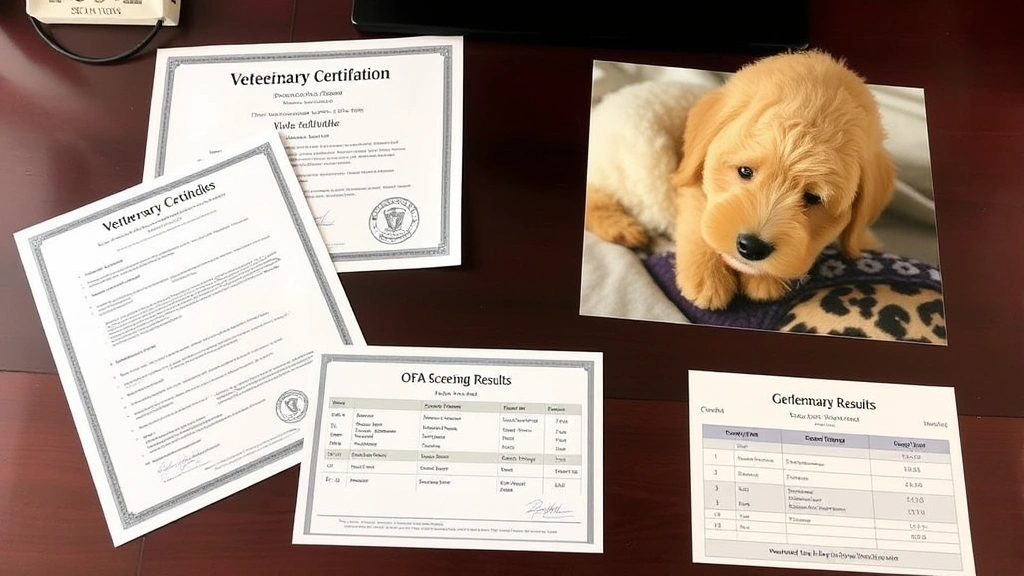
OFA (Orthopedic Foundation for Animals) Certifications verify that parent dogs have been screened for hip dysplasia, elbow dysplasia, and other orthopedic conditions. These certifications are publicly searchable on the OFA website, allowing you to verify breeder claims independently.
PennHIP evaluations provide alternative hip dysplasia screening using specific positioning techniques. Some breeders prefer PennHIP results, which are also searchable in public databases.
Eye certifications from CERF (Canine Eye Registration Foundation) document that parent dogs have been evaluated for hereditary eye conditions. This testing is particularly important for Golden Retriever and Poodle lines, which can carry genetic eye diseases.
Written health guarantees should specify genetic conditions covered, the duration of coverage, and the breeder’s obligations if problems arise. Typical guarantees cover hip dysplasia, elbow dysplasia, and progressive retinal atrophy for one to two years. Understand whether the guarantee covers veterinary treatment costs or replacement puppies.
Reputable breeders also provide documentation of initial vaccinations, deworming treatments, and microchip registration. This paperwork facilitates continuity of care with your veterinarian and protects your ownership rights through microchip documentation.
FAQ
How much does a Goldendoodle puppy typically cost?
Goldendoodle puppies from reputable breeders typically range from $2,000 to $4,000, with some specialty lines commanding higher prices. Rescue dogs cost significantly less, usually $100 to $500. Price varies based on breeder location, reputation, parent lineage, and puppy characteristics like coat color and size.
What size Goldendoodle should I choose?
Goldendoodles come in three sizes: Standard (50-90 pounds), Medium (30-50 pounds), and Miniature (15-30 pounds). Consider your living space, physical ability to handle the dog, and lifestyle. Standards require more exercise but are often calmer, while Miniatures suit smaller homes but may have higher energy levels.
Are Goldendoodles hypoallergenic?
Goldendoodles are often marketed as hypoallergenic, but this isn’t guaranteed. The Poodle parent contributes a low-shedding coat, but individual variation exists. If allergies are a concern, spend time with the specific puppy or parent dogs before purchasing, and understand that grooming requirements are substantial regardless of shedding tendency.
How do I verify a breeder’s credentials?
Check AKC registrations for parent breeds, search CHIC and OFA databases for health certifications, contact breed club references, request veterinary references, and speak directly with previous buyers. Visit the breeder’s location if possible, and verify all claims independently rather than relying solely on breeder representations.
What’s the difference between a Goldendoodle and a Labradoodle?
Goldendoodles result from Golden Retriever and Poodle crosses, while Labradoodles come from Labrador and Poodle crosses. Goldendoodles typically have calmer temperaments, while Labradoodles often possess higher energy levels. Both require significant grooming, but coat characteristics and exercise needs differ between the two.
Should I adopt from a rescue or buy from a breeder?
Both options have merit. Rescue adoption supports animal welfare and costs less, offering dogs of various ages with assessed temperaments. Breeder purchasing provides puppy selection, known parentage, and health predictability. Consider your preferences, lifestyle, and willingness to support different approaches to dog acquisition.
What health problems are common in Goldendoodles?
Goldendoodles can inherit conditions from parent breeds, including hip dysplasia, elbow dysplasia, progressive retinal atrophy, ear infections, and allergies. Responsible breeders screen for these conditions and can discuss genetic predispositions in their lines. Proper grooming, regular veterinary care, and appropriate exercise help prevent or manage many issues.
How can I avoid puppy scams?
Never wire money without meeting the dog in person. Verify breeder information independently. Be suspicious of unusually low prices, refusal to video call, or pressure to decide quickly. Use secure payment methods with buyer protection. Research extensively and trust your instincts—legitimate breeders are transparent and accommodating of reasonable verification requests.