Where to Find Goats for Sale? Market Insights and Trading Strategies
The goat market has experienced significant growth over the past decade, driven by increased demand for goat meat, dairy products, and sustainable farming practices. Whether you’re a commercial farmer, hobby farmer, or entrepreneur looking to start a livestock business, finding quality goats for sale requires understanding multiple marketplace channels and evaluating seller credibility. This comprehensive guide explores where to source goats, market trends, pricing dynamics, and strategic considerations for making informed purchasing decisions in the agricultural commerce sector.
The global goat market was valued at approximately $15.2 billion in 2022 and is projected to grow at a compound annual growth rate of 5.3% through 2030, according to industry analysis. This expansion reflects growing consumer interest in alternative protein sources, artisanal dairy production, and regenerative agriculture. Understanding where and how to purchase goats effectively is essential for anyone entering this market segment.
Traditional Livestock Auctions and Markets
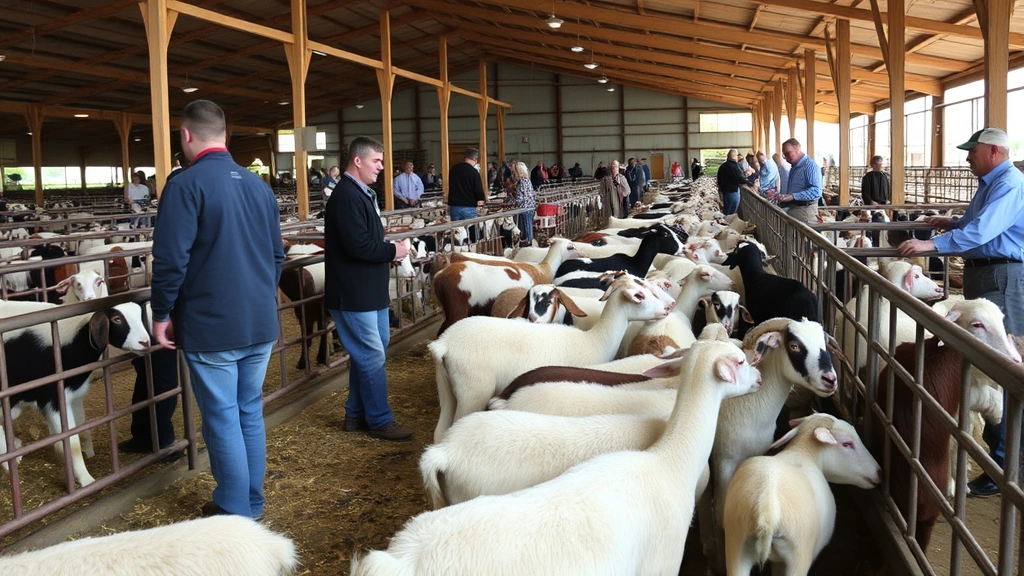
Livestock auctions remain one of the most established channels for purchasing goats for sale. These physical marketplaces bring together sellers, buyers, and livestock professionals in a competitive bidding environment. Major regional auction houses across the United States, Canada, and Europe conduct regular goat sales, typically on weekly or bi-weekly schedules. The largest auctions, such as those in Texas, California, and the Midwest, can move thousands of animals weekly.
Auction houses provide several advantages for goat buyers. First, they offer immediate access to large inventories, allowing you to compare multiple animals in a single location. Second, auction prices are transparent and market-driven, reflecting real-time supply and demand dynamics. Third, established auction facilities typically conduct basic health inspections and provide vaccination records. However, buyers must develop expertise in animal assessment, as auction purchases are typically final sales with limited recourse options.
To maximize success at livestock auctions, arrive early for pre-sale inspection periods. Examine each animal’s physical condition, mobility, dental health, and udder quality if applicable. Request health documentation and vaccination histories from auction staff. Understanding local market pricing through historical auction data helps you set realistic bidding limits and avoid overpaying. Many regional auctions now offer online bidding platforms, expanding access to buyers who cannot attend in person.
Online Marketplaces and Digital Platforms
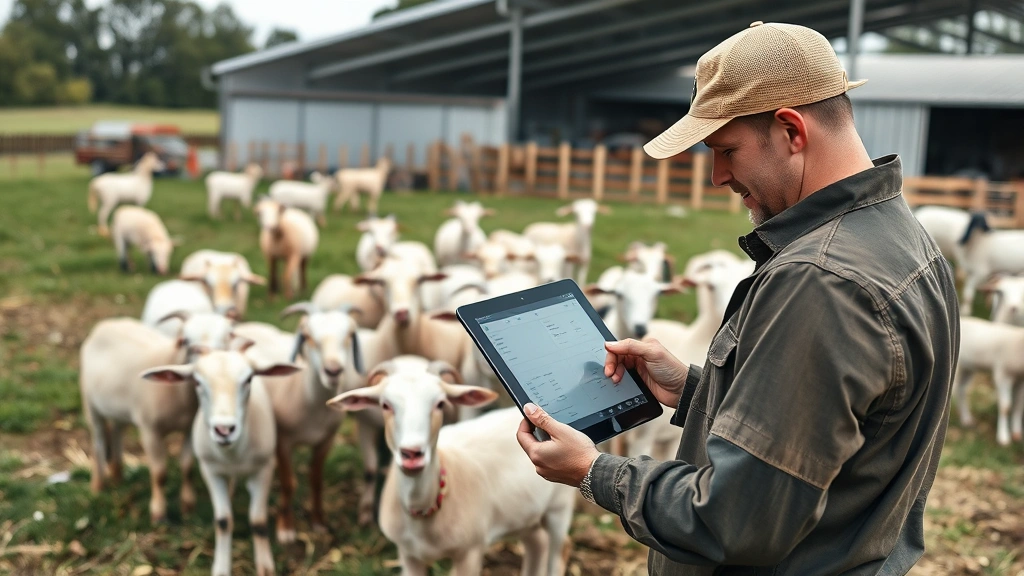
Digital commerce has transformed livestock purchasing, making it possible to browse goats for sale from anywhere with internet access. Facebook Marketplace provides a community-based platform where local farmers and breeders list animals directly to consumers. This channel reduces intermediaries and often results in more competitive pricing than traditional auction houses.
Craigslist remains popular for regional livestock sales, particularly in agricultural areas. Buyers can filter searches by location, price range, and breed, making it easier to identify specific animals matching your requirements. Specialized agricultural platforms like AgriSales.com and GoodFarmSales.com cater exclusively to livestock transactions, featuring detailed animal profiles, seller ratings, and transaction protections.
When purchasing through online marketplaces, exercise caution and verify seller legitimacy. Request multiple high-quality photographs showing the animal from different angles, including side profile, front view, and rear view to assess conformation. Ask detailed questions about age verification, parentage documentation, health testing results, and breeding history. Arrange video calls with sellers to evaluate animals before committing to purchase. Always verify vaccination records, health certificates, and any relevant breed registrations before finalizing transactions.
E-commerce platforms have modernized agricultural commerce, enabling sellers to reach broader audiences while providing buyers with transparent transaction histories and seller feedback systems. Some specialized livestock e-commerce solutions integrate WordPress plugins for managing inventory, processing payments, and handling logistics coordination for livestock shipping and transport.
Breed-Specific Registries and Associations
For buyers seeking registered purebred goats with documented pedigrees, breed associations provide authoritative resources. The American Dairy Goat Association (ADGA), American Goat Society (AGS), and International Boer Goat Association maintain member directories, online marketplaces, and sales listings. These organizations verify breed standards, maintain genetic records, and facilitate transactions between registered breeders.
Purchasing through breed registries offers significant advantages. Registered animals typically come with documented pedigrees, health testing results, and performance records. Breeders affiliated with established associations maintain higher standards for animal welfare, genetic diversity, and breeding practices. Registered goats command premium prices but provide superior genetics, predictable performance, and enhanced resale value for commercial operations.
Most breed associations publish regular sales catalogs and maintain searchable online databases of available animals. The American Dairy Goat Association website features a comprehensive breeder directory and upcoming sale announcements. Attending breed shows and association events provides opportunities to evaluate animals in person, meet breeders, and network within the industry. These gatherings also offer educational sessions on breeding, nutrition, and herd management.
Direct Farm-to-Buyer Sales
Many goat farmers and breeders operate direct-to-consumer sales operations, bypassing traditional intermediaries. This channel allows buyers to visit farms, observe animals in their natural environment, and assess overall herd management practices. Direct farm visits reveal important information about animal handling, facility conditions, feeding programs, and breeding protocols that influence animal quality and performance.
Establishing relationships with local farms provides long-term advantages. Direct relationships facilitate ongoing support, mentorship, and future purchases of replacement animals or breeding stock. Farmers selling directly often provide more flexible pricing, payment arrangements, and transportation assistance. They may also offer educational resources about breed characteristics, nutrition requirements, and common health challenges specific to your region.
To find farms selling goats directly, search agricultural directories, contact local farm bureaus, and ask extension agents for recommendations. Many farms maintain social media presence on platforms like Etsy or similar marketplaces where they share farm updates and announce available animals. Visiting farms during spring kidding season typically offers the largest selection of young animals for purchase.
Agricultural Cooperatives and Networks
Agricultural cooperatives and farmer networks facilitate bulk purchases and provide collective bargaining power. Cooperative membership often includes access to preferred pricing, financing options, and quality guarantees. Organizations like the National Farmers Organization and regional agricultural cooperatives maintain directories of member operations offering goats for sale.
Farmers market networks and direct-to-consumer agricultural groups increasingly feature livestock sections alongside produce vendors. These community-based channels emphasize transparency, animal welfare, and sustainable practices. Participation in local agricultural networks builds relationships with other producers, creates referral networks, and establishes reputation within farming communities.
Cooperative purchasing arrangements can reduce per-animal costs when buying multiple animals simultaneously. Groups purchasing together can negotiate transportation discounts, health certification batch processing, and volume pricing from breeders. This model works particularly well for beginning farmers or operations scaling up herd sizes.
Pricing Trends and Market Analysis
Goat pricing fluctuates based on multiple factors including breed, age, sex, health status, genetic quality, and market conditions. As of 2024, meat goat prices range from $150-$400 per animal for commercial-grade stock, while dairy goats command $200-$600 depending on production history. Registered breeding animals sell for $500-$2,000+, with premium genetics reaching higher valuations.
Seasonal pricing patterns significantly impact purchasing decisions. Spring typically features highest availability and competitive pricing as producers market young animals after winter kidding seasons. Fall and winter prices increase as supply contracts. Understanding these patterns allows strategic purchasing to minimize costs while securing quality animals.
Market analysis from USDA agricultural statistics and livestock marketing associations provides historical pricing data and trend forecasting. Regional price variations reflect local supply availability, transportation costs, and demand intensity. Monitoring these metrics helps buyers identify favorable purchasing windows and negotiate competitive prices.
Dairy goat markets show different dynamics than meat goat sectors. Dairy producers typically maintain breeding animals longer, reducing annual turnover and availability. Registered dairy goats with proven production records command premium pricing reflecting their income-generating potential. Meat goat markets experience greater price volatility, responding to commodity prices and seasonal demand patterns.
Evaluating Goat Health and Quality
Successful goat purchases require thorough health and quality assessment. Request complete health histories including vaccination records, parasite treatment protocols, and any prior medical issues. Ask sellers about disease testing results, particularly for Caprine Arthritis-Encephalitis (CAE), Johne’s Disease, and Scrapie. Many states require official health certificates for interstate transport, which provide veterinary verification of animal condition.
Physical evaluation should assess body condition score, skeletal structure, and breed-type conformity. Examine animals for signs of lameness, respiratory issues, or skin conditions. Evaluate udder health for dairy animals, checking for firmness, symmetry, and teat placement. Inspect hooves for proper structure and any signs of hoof rot or disease. Request veterinary pre-purchase exams for high-value animals to identify underlying health issues before finalizing purchases.
Genetic quality extends beyond physical appearance to performance metrics and pedigree documentation. For dairy animals, request production records showing milk volume, butterfat percentage, and protein content. For meat animals, inquire about growth rates, feed conversion efficiency, and carcass quality data. Understanding genetic backgrounds helps predict animal performance and breeding outcomes.
Transportation considerations impact animal welfare and health. Long-distance transport exposes animals to stress, disease exposure, and injury risk. Choose transport providers experienced with livestock handling. Ensure adequate ventilation, space allocation, and water access during transit. Schedule transport during mild weather conditions when possible to minimize stress-related health complications. Budget for acclimation periods after arrival, monitoring animals closely for signs of transport-related illness.
FAQ
What is the average price for goats for sale?
Pricing varies significantly by breed and quality. Commercial meat goats typically cost $150-$400, dairy goats range from $200-$600, and registered breeding animals command $500-$2,000+. Prices fluctuate seasonally, with spring offering the most competitive rates due to increased supply.
Which online platform is best for buying goats for sale?
Facebook Marketplace excels for local transactions and community connections. Craigslist offers broad regional coverage. Specialized agricultural platforms like AgriSales.com and breed association websites provide vetted sellers and documented pedigrees. Your choice depends on priorities: convenience, price competitiveness, or genetic quality.
How do I verify a goat seller’s legitimacy?
Request multiple photographs and video calls before purchase. Verify breed registrations through official association databases. Ask for veterinary references and health documentation. Contact local agricultural extension offices for recommendations. Check online reviews and seller ratings on established platforms.
What health certifications should goats for sale include?
Animals should include vaccination records, parasite treatment history, and official health certificates for interstate transport. Request disease testing results for CAE, Johne’s Disease, and Scrapie. Ask about any genetic testing completed for breed-specific conditions.
Is it better to buy goats from auctions or direct from farms?
Auctions offer larger selection and transparent pricing but limited recourse. Direct farm purchases provide relationship building, ongoing support, and opportunities to assess farm management practices. Auctions suit buyers seeking immediate access to diverse inventory; direct purchases benefit those prioritizing long-term relationships and education.
How should I transport goats after purchase?
Use experienced livestock transport providers with proper ventilation and space allocation. Ensure animals have water access during transport. Schedule moves during mild weather. Allow acclimation time after arrival, monitoring closely for stress-related illness. Budget for transport costs when calculating total purchase expenses.
What factors affect goat pricing in different regions?
Local supply availability, transportation costs, regional demand intensity, and seasonal patterns all influence pricing. Areas with established dairy industries show different price structures than meat-focused regions. Monitor USDA statistics and regional market reports to understand local price dynamics.