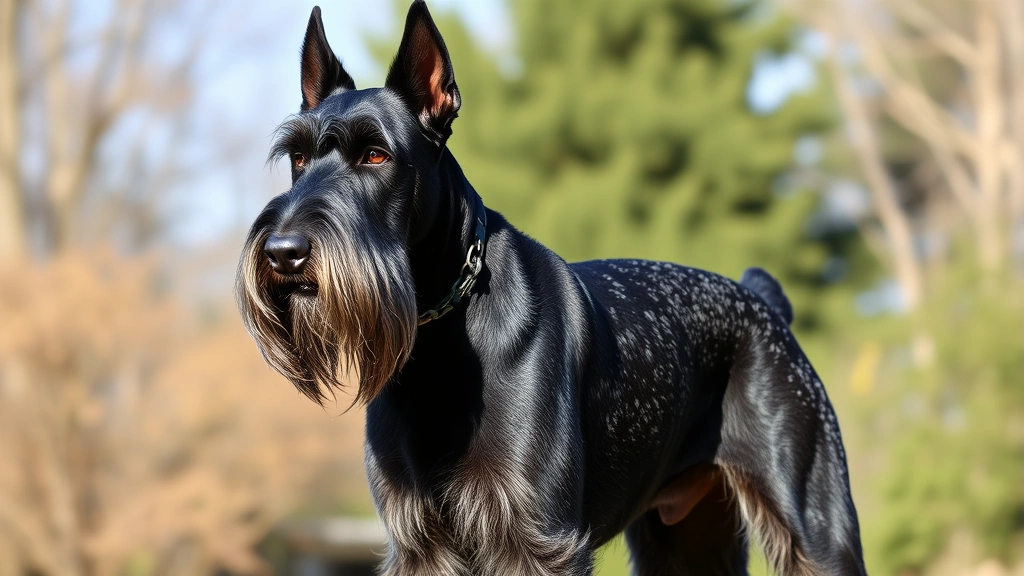
Where to Buy Giant Schnauzer? Trusted Breeders and Reputable Sources
Finding a Giant Schnauzer for sale requires careful research and due diligence to ensure you’re purchasing from legitimate, ethical breeders who prioritize health and temperament. Giant Schnauzers are impressive, intelligent dogs known for their distinctive bearded appearance and loyal nature, making them highly sought-after companions. However, the popularity of this breed has unfortunately attracted some unscrupulous sellers who prioritize profit over animal welfare.
Whether you’re a first-time dog owner or an experienced enthusiast, understanding where and how to find reputable Giant Schnauzer breeders is essential. This comprehensive guide walks you through the most trustworthy sources, red flags to avoid, and critical questions to ask before making your purchase. By investing time in this process now, you’ll significantly increase the likelihood of bringing home a healthy, well-adjusted puppy that will thrive in your family for years to come.
Understanding the Giant Schnauzer Breed
Before searching for Giant Schnauzers for sale, it’s important to understand what makes this breed distinctive. Giant Schnauzers are the largest of the three Schnauzer varieties, weighing between 55 and 80 pounds and standing 23.5 to 27.5 inches tall. They originated in Germany and were originally bred as working dogs for herding cattle and protecting property.
These dogs are exceptionally intelligent, requiring significant mental stimulation and physical exercise. They excel in obedience training, agility competitions, and protection work. Giant Schnauzers are deeply loyal to their families and tend to be naturally protective, making them excellent guard dogs. However, they require experienced owners who can provide consistent training, socialization, and leadership.
Understanding these characteristics helps you identify breeders who truly care about matching puppies with suitable families. Quality breeders will ask you detailed questions about your lifestyle, experience with dogs, and living situation to ensure compatibility. This is a positive sign that they prioritize the welfare of their animals beyond the initial sale.

Reputable Breeder Networks and Registries
The American Kennel Club (AKC) maintains a comprehensive breeder directory where you can search for registered Giant Schnauzer breeders in your region. The AKC Marketplace features breeders who have agreed to follow the organization’s Code of Ethics, which includes health testing requirements and humane treatment standards. This is an excellent starting point for your search.
The Giant Schnauzer Club of America (GSCA) is the breed’s national parent club and provides an invaluable resource for finding reputable breeders. Member breeders commit to specific ethical standards and health testing protocols. The GSCA website includes a breeder directory, educational resources, and information about breed standards. Contacting the club directly can also connect you with breed mentors who can guide your search.
When searching through these registries, look for breeders who have been actively involved with the breed for several years. Established breeders typically have references, show records, and a history of producing healthy puppies. They should be willing to provide documentation of health testing, pedigree information, and references from previous puppy buyers.
Regional breed clubs often hold specialty shows and events where you can meet breeders in person and see Giant Schnauzers competing in various venues. These events provide excellent opportunities to observe breed quality and temperament while building relationships with knowledgeable breeders.
Local dog shows and competitions are another valuable resource. Giant Schnauzers that compete in conformation shows are often produced by breeders dedicated to maintaining breed standards. Speaking with exhibitors after competitions can provide insights into their breeding programs and philosophy.
Professional breed clubs often maintain lists of recommended breeders who have demonstrated commitment to health, temperament, and breed preservation. These recommendations carry significant weight because they come from individuals deeply invested in the breed’s future.
Red Flags and Warning Signs
When evaluating potential sources for Giant Schnauzers for sale, several warning signs should trigger caution. Breeders who are unwilling to provide health testing documentation, genetic certifications, or pedigree information are operating without the transparency expected from responsible breeders. Legitimate breeders have nothing to hide and welcome scrutiny of their practices.
Be cautious of breeders who have multiple litters available simultaneously or seem to produce puppies year-round. Responsible breeders typically limit the number of litters they produce to focus on quality and proper socialization. Overproduction is often a sign that profit rather than breed improvement is the primary motivation.
Breeders unwilling to meet in person or who insist on non-refundable deposits without allowing you to visit their facility raise significant concerns. Legitimate breeders typically encourage potential buyers to visit their homes, meet the parents, and assess living conditions. If a breeder refuses these requests or pressure you to make quick decisions, reconsider your purchase.
Extremely low prices compared to market rates should raise suspicion. While you may find good deals, Giant Schnauzer puppies from health-tested parents typically cost between $1,500 and $3,500. Prices significantly below this range may indicate puppy mill operations or inferior breeding practices.
Lack of health guarantees or written contracts is problematic. Reputable breeders provide comprehensive health guarantees covering genetic conditions for a specified period. They also include contractual terms addressing puppy socialization, return policies, and spay/neuter requirements for pet-quality dogs.
Breeders who cannot clearly articulate their breeding goals or explain why they chose specific parents demonstrate insufficient knowledge about their program. Quality breeders maintain detailed records and can discuss their selective breeding objectives in depth.
Questions to Ask Breeders
Preparing a list of comprehensive questions helps you evaluate breeders systematically. Ask about the parents’ health testing, including documentation from the Orthopedic Foundation for Animals (OFA), PennHIP, and eye examinations. Request specific results rather than general assurances that the parents are “healthy.”
Inquire about the breeder’s goals and what they’re trying to achieve with their breeding program. Quality breeders can articulate clear objectives related to health, temperament, and breed standards. Ask how they select breeding pairs and what criteria they use to ensure genetic diversity and minimize inherited health conditions.
Request references from previous puppy buyers and follow up by contacting them. Ask about their experience with the breeder, the health of their dog, and whether they would purchase from this breeder again. Previous customers provide honest feedback about the breeder’s practices and support.
Ask about socialization practices and what the breeder does to prepare puppies for their new homes. Early socialization is crucial for developing confident, well-adjusted dogs. Breeders should expose puppies to various experiences, sounds, and people during their first weeks.
Inquire about the breeder’s return policy. Reputable breeders take responsibility for their puppies throughout their lives and will accept returns if circumstances change. This commitment demonstrates genuine care for the animals they produce.
Ask about genetic health issues common in the breed and how the breeder screens for these conditions. Giant Schnauzers can be prone to certain health problems, and informed breeders actively work to minimize their occurrence through careful breeding selection.
Request information about the contract and what it includes regarding health guarantees, spay/neuter requirements, and behavioral expectations. A comprehensive contract protects both you and the breeder by establishing clear expectations and responsibilities.
Adoption and Rescue Organizations
While Giant Schnauzer puppies for sale are what many people seek, adoption through rescue organizations offers tremendous benefits. Giant Schnauzer rescue groups exist in many regions and focus specifically on this breed. These organizations often have adult dogs and occasionally puppies available for adoption.
Rescue organizations thoroughly evaluate dogs before placement, assessing temperament, health, and compatibility with different family situations. This pre-adoption evaluation reduces the risk of behavioral issues and helps ensure proper matches between dogs and families. Staff members can provide detailed insights into each dog’s personality and needs.
Adoption fees, typically ranging from $300 to $800, are significantly lower than breeder prices and usually include spaying or neutering, vaccinations, and microchipping. Many rescue organizations also provide post-adoption support and are willing to take the dog back if issues arise.
Giant Schnauzer rescue groups maintain waiting lists of people seeking puppies or specific types of dogs. Contacting local rescues and expressing your interest can connect you with available dogs that match your preferences. Patience and flexibility often result in finding the perfect companion.
The Petfinder and Adopt-a-Pet websites allow you to search for Giant Schnauzers available for adoption in your area. These platforms connect rescue organizations with potential adopters and provide detailed information about available dogs.
Health Testing and Certifications
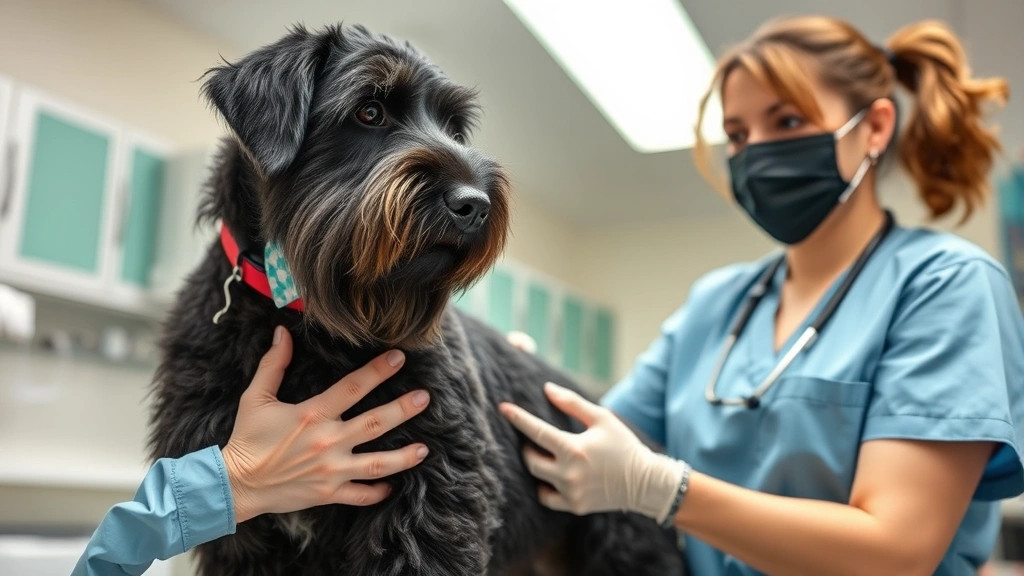
Health testing is the cornerstone of responsible breeding and should be a primary consideration when evaluating breeders. The Orthopedic Foundation for Animals (OFA) maintains a database of dogs that have been tested for hip and elbow dysplasia. Breeders should provide OFA certifications showing that parent dogs have been cleared of these common conditions.
Eye examinations performed by board-certified veterinary ophthalmologists and registered with the Canine Eye Registration Foundation (CERF) are essential. Giant Schnauzers can be prone to various eye conditions, and certified eye exams help identify and eliminate these problems from breeding lines.
PennHIP testing offers an alternative to traditional OFA hip evaluation and provides more detailed information about hip joint laxity. Some breeders utilize PennHIP in addition to or instead of OFA testing. Both approaches are acceptable as long as results are documented and accessible.
Ask breeders about screening for other breed-specific health concerns, including thyroid function tests and cardiac evaluations. Comprehensive health testing demonstrates commitment to breeding healthy dogs and minimizes the risk of genetic disorders affecting your puppy.
Request written documentation of all health testing rather than verbal assurances. Legitimate results can be verified through the OFA or CERF databases using the dog’s registration number. Breeders should provide this information freely and encourage verification.
Pricing and Financial Considerations
Understanding Giant Schnauzer pricing helps you identify legitimate breeders and avoid overpriced or underpriced situations. Quality puppies from health-tested parents typically range from $1,500 to $3,500, with variations based on pedigree, show potential, and geographic location.
Show-quality puppies with exceptional pedigrees may command higher prices, sometimes exceeding $4,000. These dogs are bred with championship potential and come from lines with proven success in conformation competitions. However, premium pricing should correspond with verifiable accomplishments and health certifications.
Prices below $1,000 should raise concerns about breeder legitimacy and breeding practices. While bargains exist, they’re rare in responsible breeding circles. Suspiciously low prices often indicate puppy mills, poor health testing, or other concerning practices.
Beyond the initial purchase price, budget for ongoing expenses including food, preventive veterinary care, training, and supplies. Giant Schnauzers require professional grooming every 6-8 weeks, adding approximately $600-$1,200 annually to ownership costs. Understanding total ownership expenses ensures you’re financially prepared.
Consider pet insurance, which can help manage unexpected veterinary costs. Some breeders recommend specific insurance providers or have partnerships that offer discounts to their puppy buyers. Insurance becomes increasingly valuable as dogs age and may face health issues.
When comparing breeders, consider what’s included in the purchase price. Some include initial vaccinations, microchipping, or training. Others provide ongoing support and mentorship. These added services can represent significant value beyond the puppy itself.
If you’re interested in purchasing a bill of sale for Texas or another state, ensure you understand the legal requirements for pet sales in your jurisdiction. A proper bill of sale documents the transaction and protects both buyer and seller.
FAQ
Where is the best place to find Giant Schnauzers for sale?
The American Kennel Club breeder directory and the Giant Schnauzer Club of America website are excellent starting points. These resources connect you with breeders committed to ethical standards and health testing. Local breed clubs and dog shows also provide opportunities to meet breeders directly.
How much do Giant Schnauzer puppies cost?
Quality Giant Schnauzer puppies from health-tested parents typically cost between $1,500 and $3,500. Show-quality puppies may exceed $4,000. Prices vary based on pedigree, location, and breeder reputation. Be cautious of prices significantly below or above this range.
What health tests should Giant Schnauzer parents have?
Parent dogs should have OFA certifications for hip and elbow dysplasia, CERF eye examinations, and thyroid testing. Some breeders also perform cardiac evaluations. All health testing should be documented and verifiable through official registries.
Should I buy from a breeder or adopt from a rescue?
Both options have merit. Breeders provide puppies with known genetics and controlled early socialization. Rescues offer lower costs, pre-evaluated dogs, and the satisfaction of providing a home to a dog in need. Your choice depends on your preferences, lifestyle, and timeline.
What questions should I ask a Giant Schnauzer breeder?
Ask about parent health testing, breeding goals, socialization practices, references from previous buyers, health guarantees, return policies, and genetic screening for breed-specific health conditions. Quality breeders welcome detailed questions and provide comprehensive answers.
How can I identify a puppy mill or disreputable breeder?
Red flags include unwillingness to provide health testing documentation, multiple litters available simultaneously, refusal to allow in-person visits, suspiciously low prices, lack of written contracts, and inability to articulate breeding goals. Trust your instincts if something feels off.
What should a Giant Schnauzer purchase contract include?
A comprehensive contract should specify health guarantees, spay/neuter requirements for pet-quality dogs, return policies, responsibilities regarding genetic health issues, and terms for ongoing support. The contract protects both buyer and breeder by establishing clear expectations.