Where to Buy Dump Trucks? Complete Dealer Insights & Purchasing Guide
Finding the right dump truck for sale requires understanding multiple acquisition channels, dealer networks, and market dynamics that impact both pricing and availability. Whether you’re a construction company expanding your fleet, a small contractor making your first equipment purchase, or an entrepreneur entering the hauling business, knowing where to source dump trucks effectively can save thousands of dollars and months of procurement time.
The dump truck market encompasses new equipment from major manufacturers, certified pre-owned inventory from authorized dealers, and used equipment from private sellers and auction platforms. Each channel presents distinct advantages regarding warranty coverage, financing options, service support, and total cost of ownership. This comprehensive guide explores dealer networks, online marketplaces, auction houses, and direct purchasing strategies that professional buyers use to acquire reliable dump trucks.
Understanding the nuances of dump truck acquisition—from dealer reputation assessment to negotiation tactics—empowers you to make informed decisions aligned with your operational budget and equipment specifications. The following sections break down every viable purchasing avenue, complete with actionable insights from industry professionals.
Authorized Manufacturer Dealerships
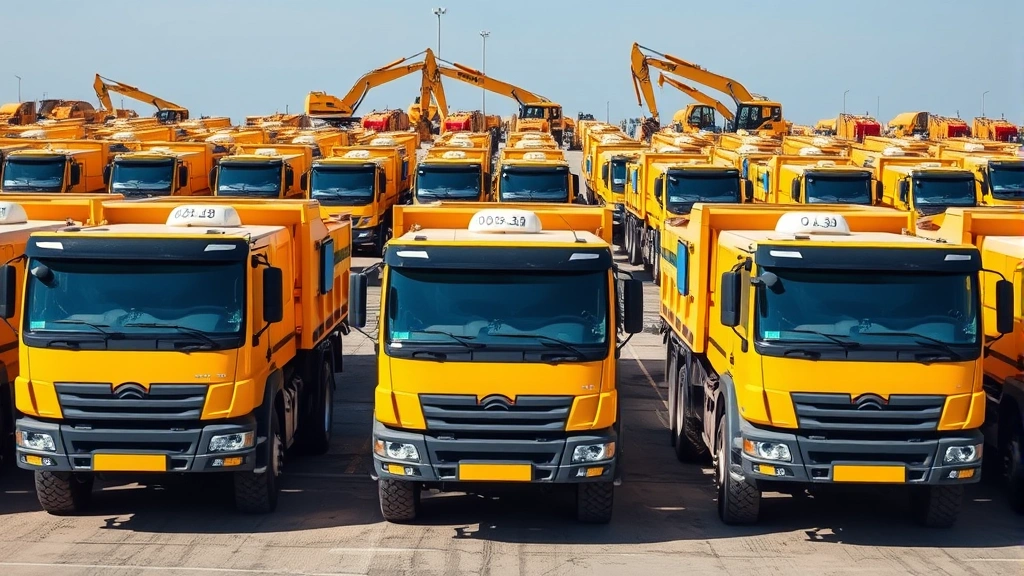
Authorized dealerships representing major manufacturers like Volvo, Mack, Freightliner, and Peterbilt remain the primary source for new dump trucks and provide the most comprehensive support infrastructure. These dealers maintain factory-certified inventory, offer manufacturer-backed warranties typically spanning 2-5 years or 100,000-200,000 miles, and provide access to genuine parts networks essential for long-term equipment reliability.
When purchasing from authorized dealerships, you gain several critical advantages. First, comprehensive pre-delivery inspections ensure vehicles meet manufacturer specifications before delivery. Second, dealer service networks guarantee access to trained technicians and authentic components, reducing downtime during maintenance cycles. Third, most authorized dealers offer in-house or partnered financing, enabling competitive loan terms unavailable through independent lenders.
Dealership inventory typically includes standard cab configurations, extended cabs, and specialized models designed for specific hauling applications. Dump truck configurations available through dealers range from light-duty single-axle models suitable for small contractors to heavy-duty tandem and tri-axle configurations for aggregate and demolition contractors. Pricing at authorized dealerships reflects manufacturer suggested retail prices, though negotiation on dealer incentives, rebates, and package deals remains standard practice.
Reputable dealership networks maintain certified technician teams, parts warehouses, and service bays equipped to handle warranty repairs and routine maintenance. This infrastructure proves invaluable for fleet operators requiring rapid turnaround on equipment repairs. Many authorized dealers also offer extended service plans and preventive maintenance packages that lock in labor rates and parts costs, providing budget predictability over multi-year ownership periods.
Used Equipment Dealers & Brokers
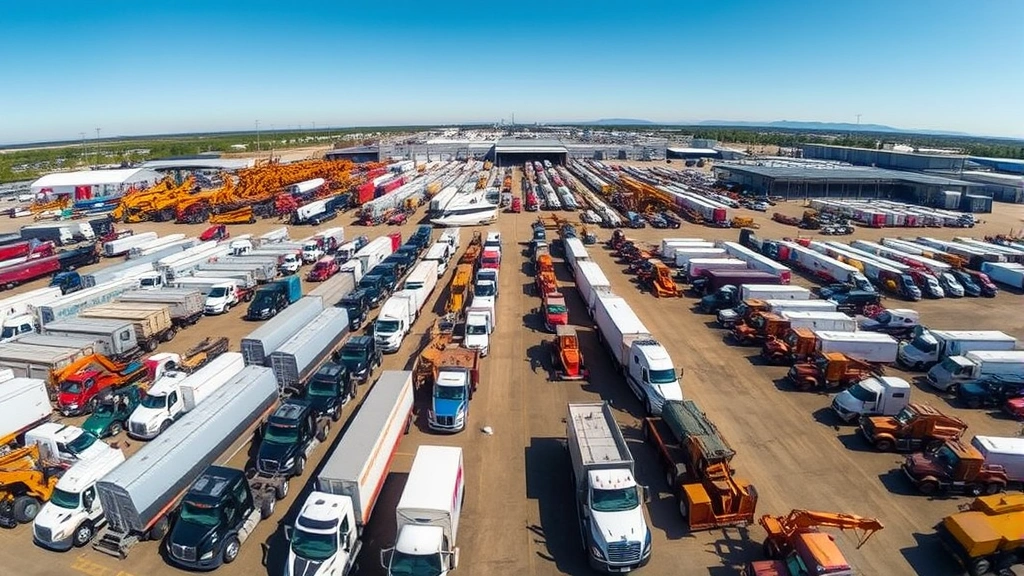
Specialized used equipment dealers focusing on commercial trucks represent a middle ground between new manufacturer dealerships and private sales. These dealers typically maintain 50-200 dump trucks in inventory at any given time, sourcing vehicles from fleet liquidations, trade-ins, and direct purchases from contractors upgrading their equipment.
Used equipment dealers differentiate themselves through inspection protocols, reconditioning services, and warranty offerings on pre-owned inventory. Reputable dealers conduct comprehensive mechanical inspections, addressing identified issues before sale and providing limited warranties (typically 30-90 days or 3,000-5,000 miles) on major components. Some dealers offer extended warranty packages extending coverage to 12 months, providing additional buyer protection beyond base warranty periods.
The advantage of purchasing through established used equipment dealers includes transparent vehicle history access, mechanical certifications, and recourse options if undisclosed issues emerge post-purchase. Many dealers provide detailed inspection reports documenting engine hours, maintenance records, accident history, and component condition assessments. This transparency enables informed purchasing decisions and reduces risk compared to private sales lacking documented service histories.
Pricing through used equipment dealers typically reflects 60-75% of comparable new equipment costs, depending on model year, mileage, condition, and market demand. Dealers often finance their own inventory, offering purchase financing with terms competitive with manufacturer dealer offerings. Additionally, used equipment dealers frequently stock multiple configurations and models, enabling side-by-side comparison of different manufacturers and equipment options.
Online Marketplaces & Platforms
Digital marketplaces have transformed dump truck acquisition, providing access to inventory across geographic regions without physical showroom visits. Platforms like Trucks.com, Machinery Values, and Craigslist list thousands of dump trucks from dealers and private sellers, with filtering options enabling searches by location, price, mileage, and specifications.
Online platforms democratize access to equipment information, displaying multiple listings simultaneously and enabling price comparison across dealers and regions. Most platforms provide vehicle photos, basic specifications, dealer contact information, and sometimes detailed inspection reports. This transparency facilitates preliminary research before contacting sellers or scheduling physical inspections.
However, online purchases require additional due diligence. Many listings lack comprehensive mechanical details, accident history, or maintenance records. Buyers should request detailed specifications, service documentation, and independent pre-purchase inspections before committing to online purchases. The Facebook Marketplace platform also facilitates local equipment sales, though verification of seller credibility becomes paramount when transacting with private individuals.
When navigating online marketplaces, establish clear communication with sellers regarding vehicle condition, pricing flexibility, and inspection arrangements. Request multiple high-resolution photos showing overall condition, cab interior, engine compartment, and undercarriage. Ask specific questions about maintenance history, repair records, and any known mechanical issues. Legitimate sellers readily provide comprehensive information; reluctance to answer detailed questions warrants caution.

Auction Houses & Government Liquidation
Heavy equipment auctions represent significant opportunities for acquiring dump trucks at below-market pricing, particularly during economic downturns or fleet liquidations. National auction houses like Ritchie Bros. Auctioneers and Copart conduct regular equipment sales attracting buyers from across North America, creating competitive bidding environments that establish market-rate pricing.
Government surplus auctions, managed through GovPlanet and similar platforms, liquidate federal, state, and local equipment surplus. Dump trucks from municipal highway departments, military installations, and state transportation agencies frequently appear in government auctions at significant discounts compared to private market pricing. However, government vehicles often carry higher mileage and maintenance requirements reflecting intensive commercial use.
Auction purchasing requires careful preparation. Most auction houses provide pre-sale inspection periods enabling physical examination before bidding. Successful auction buyers arrive early, conduct thorough inspections, establish maximum bid limits based on equipment condition, and maintain bidding discipline to avoid overpaying in competitive environments. Auction catalogs typically include condition assessments, mileage documentation, and photographic evidence, though buyer responsibility for accurate assessment remains paramount.
Auction vehicles sell as-is without warranty protection, making pre-purchase mechanical inspections critical. Budget 5-10% of purchase price for immediate repairs addressing identified mechanical issues. Additionally, auction purchases often require cash or certified funds within 24-48 hours of sale conclusion, necessitating pre-arranged financing before bidding.
Private Sellers & Direct Purchases
Private sales offer potential cost savings as sellers avoid dealer markup costs and commission expenses associated with brokered transactions. Contractors retiring equipment, small operators exiting the business, or fleet managers liquidating aging assets frequently offer competitive pricing to individual buyers, particularly for cash transactions enabling immediate settlement.
Private sales require heightened due diligence regarding mechanical condition, ownership verification, and title status. Request comprehensive service records documenting maintenance intervals, repairs, and component replacement history. Verify current ownership through vehicle title examination and contact the previous owner when possible to understand equipment usage patterns and any known mechanical issues.
Engage qualified mechanics to conduct independent pre-purchase inspections, evaluating engine condition, transmission performance, hydraulic systems, brake functionality, and structural integrity. Mechanical inspections typically cost $300-600 but provide invaluable protection against purchasing vehicles with hidden mechanical defects. Never complete purchases without independent verification of mechanical condition.
When transacting with private sellers, establish clear payment terms, secure proper title transfer documentation, and consider having an attorney review purchase agreements protecting your interests. Avoid cash transactions for substantial equipment purchases; utilize escrow services or structured payment arrangements enabling verification of title transfer before releasing final payment.
Fleet Leasing Companies
Equipment leasing represents an alternative to ownership for contractors seeking operational flexibility without capital equipment investments. Major leasing companies including United Rentals and similar commercial equipment lessors provide short-term and long-term dump truck leasing options suitable for seasonal operations, temporary capacity expansion, or equipment evaluation before purchase commitment.
Leasing advantages include predictable monthly payments, included maintenance and repair services, and flexibility to return equipment as operational needs change. For contractors managing seasonal demand fluctuations or temporary projects requiring additional capacity, leasing eliminates capital expenditure requirements and storage obligations for idle equipment. Lease terms typically range from 30 days to 5+ years, accommodating diverse operational requirements.
However, long-term leasing costs exceed ownership expenses when amortized over extended equipment lifecycles. Contractors with consistent year-round equipment requirements benefit more from purchase options than leasing arrangements. Additionally, leased equipment restrictions regarding modifications, usage limitations, and mileage caps may conflict with specific operational requirements.
Key Negotiation Strategies
Successful dump truck acquisitions require strategic negotiation approaches maximizing value while establishing favorable purchase terms. Begin negotiations with thorough market research documenting comparable equipment pricing, mileage, condition, and features across multiple listings. This research establishes realistic price expectations and strengthens negotiation positions when discussing pricing with dealers or sellers.
Develop clear purchase specifications defining required features, capacity specifications, configuration preferences, and operational requirements. Detailed specifications enable focused negotiations addressing essential capabilities rather than discussing subjective condition assessments. For example, specifying 16-ton capacity, 12-foot dump bed, and 2020+ model year narrows focus to directly comparable equipment.
Leverage timing advantages when negotiating with dealers. Month-end, quarter-end, and year-end negotiations often yield more favorable pricing as dealers attempt to meet sales quotas and inventory targets. Additionally, off-season purchasing (winter months for construction-focused equipment) typically produces better pricing than peak season demand periods.
Request detailed maintenance records, accident history reports, and mechanical inspection documentation supporting seller claims regarding equipment condition. Equipment with comprehensive documented maintenance history commands premium pricing but justifies higher costs through reduced repair risk. Conversely, equipment lacking documentation warrants price discounts reflecting increased ownership uncertainty.
Explore bundle negotiations combining equipment purchases with service packages, parts warranties, or extended maintenance agreements. Dealers frequently offer more favorable pricing on comprehensive packages than individual equipment sales, creating mutual value opportunities.
Financing & Payment Options
Dump truck financing significantly impacts total cost of ownership and cash flow requirements. Authorized dealerships typically offer competitive financing through manufacturer captive finance subsidiaries or partnered financial institutions. Dealership financing often includes incentives unavailable through independent lenders, including manufacturer rebates, low-rate promotions, or deferred payment options.
Traditional commercial equipment loans through banks and credit unions typically require 10-20% down payments with loan terms extending 3-7 years. Interest rates depend on credit profile, loan term length, and equipment condition. Pre-owned equipment financing often carries slightly higher rates than new equipment loans reflecting increased default risk.
Equipment-specific financing through specialized commercial lenders sometimes offers more flexible terms than traditional banks. These lenders understand equipment lifecycle depreciation and residual values, structuring loans aligned with equipment utility rather than strict collateral-based lending criteria.
Consider total cost of ownership calculations extending beyond purchase price to include financing costs, insurance, maintenance, fuel, and anticipated repair expenses. Equipment financed over 5-year terms costs substantially more than equivalent vehicles financed over 3-year periods due to accumulated interest expenses. However, longer financing terms reduce monthly payment obligations, improving cash flow for smaller contractors.
Down payment strategies significantly impact financing costs. Larger down payments reduce financed amounts and associated interest expenses, lowering total acquisition costs. However, down payment decisions must balance capital preservation for operational needs against financing cost reduction.
FAQ
What’s the average price for a dump truck for sale?
New dump truck pricing ranges from $80,000-$150,000 for single-axle models to $200,000+ for heavy-duty tandem and tri-axle configurations. Used equipment typically costs 40-75% of comparable new equipment pricing depending on model year, mileage, and condition. Auction purchases frequently achieve 30-50% discounts compared to retail pricing but require cash payment and as-is acceptance.
Should I purchase new or used dump trucks?
New equipment offers manufacturer warranties, latest emission compliance, and predictable maintenance costs, justifying higher upfront expenses for contractors with capital availability and long-term operational plans. Used equipment suits operators prioritizing lower initial investment and accepting higher maintenance responsibilities. Equipment age 3-5 years typically represents optimal value balance between reduced depreciation and remaining useful life.
How do I verify dump truck condition before purchasing?
Engage qualified independent mechanics conducting comprehensive pre-purchase inspections evaluating engine condition, transmission performance, hydraulic systems, brake functionality, and structural integrity. Request complete service records documenting maintenance history. Verify ownership through title examination and confirm no outstanding liens or mechanical issues exist before purchase completion.
What financing options exist for dump truck purchases?
Authorized dealerships offer manufacturer-backed financing with competitive rates and promotional incentives. Traditional banks and credit unions provide commercial equipment loans typically requiring 10-20% down payments with 3-7 year terms. Specialized equipment finance companies offer flexible terms aligned with equipment lifecycle depreciation. Leasing provides alternative equipment access without ownership capital requirements.
Are auction dump trucks reliable purchases?
Auction vehicles sell as-is without warranty protection, requiring thorough pre-purchase mechanical inspections. Government surplus equipment often carries higher mileage reflecting intensive use but frequently includes documented maintenance records. Successful auction purchases require careful preparation, realistic bidding discipline, and budget allocation for anticipated repairs addressing identified mechanical issues.
How should I evaluate dealer credibility?
Research dealer reputation through online reviews, Better Business Bureau ratings, and industry referrals. Verify manufacturer authorization status confirming access to warranty support and genuine parts networks. Request references from previous customers and inquire about service infrastructure supporting post-purchase maintenance requirements. Reputable dealers readily provide transparent information regarding inventory, pricing, and service capabilities.