Top Dump Trailers for Sale: Comprehensive Buyer’s Guide
The dump trailer market has experienced significant growth over the past five years, with the global market valued at approximately $4.2 billion in 2023 and projected to expand at a compound annual growth rate of 5.8% through 2030. Whether you’re a contractor, landscaper, or business owner looking to invest in equipment, understanding the dump trailer landscape is essential for making an informed purchasing decision. This comprehensive guide walks you through everything you need to know about selecting, evaluating, and purchasing the right dump trailer for your specific needs.
Dump trailers represent a critical investment for many industries, from construction and demolition to agriculture and waste management. The right trailer can dramatically improve operational efficiency, reduce labor costs, and enhance your business’s capacity to handle larger projects. However, with numerous manufacturers, configurations, and price points available, the selection process can feel overwhelming. This buyer’s guide provides actionable insights, specifications to evaluate, and strategic considerations to help you navigate the dump trailer market with confidence.
Understanding Dump Trailer Types and Configurations
The dump trailer market offers several distinct types, each designed for specific applications and operational requirements. Understanding these categories is fundamental to identifying which dump trailer for sale aligns with your business needs.
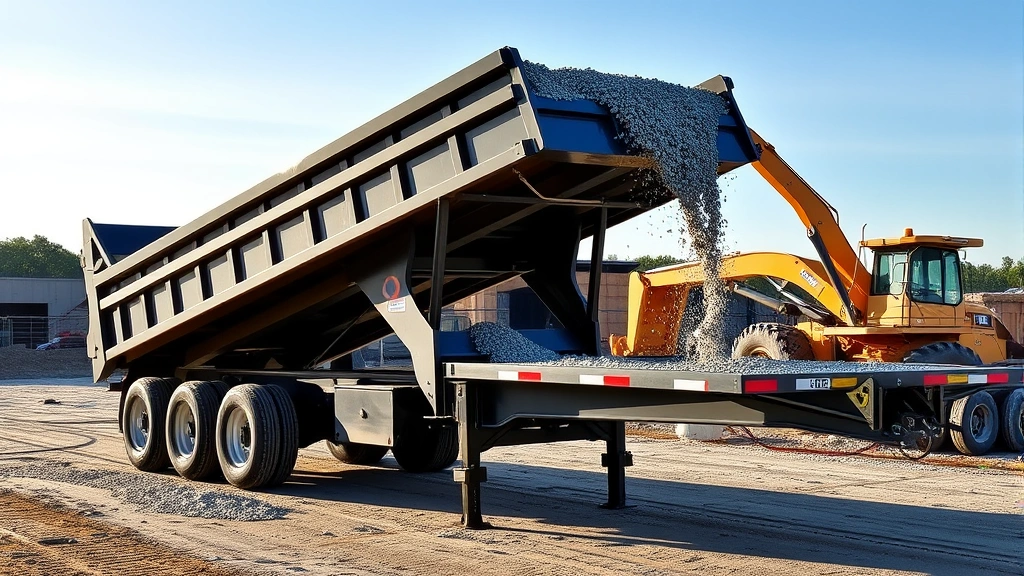
Standard Hydraulic Dump Trailers represent the most common category in the market. These trailers utilize hydraulic systems to raise the bed, allowing material to slide or be pushed from the rear. Capacity typically ranges from 10 to 16 cubic yards, making them ideal for general construction debris, landscaping materials, and aggregate hauling. The hydraulic mechanism is powered by the towing vehicle’s PTO (Power Take-Off) shaft, ensuring reliable operation across various conditions.
Gooseneck Dump Trailers provide enhanced stability and weight distribution, particularly valuable when transporting heavy loads. The gooseneck design connects to the towing vehicle’s frame rather than the bumper, distributing weight more evenly and improving braking performance. These trailers typically accommodate heavier payloads, ranging from 15 to 25 tons, making them preferred for demolition work, scrap metal hauling, and commercial construction applications.
Equipment Trailers with Dump Capability combine the versatility of equipment hauling with hydraulic dumping functionality. These hybrid units allow contractors to transport machinery, vehicles, or materials on a single platform, reducing the need for multiple pieces of equipment. This versatility appeals to businesses managing diverse project types and seeking operational efficiency.
Scissor Dump Trailers employ a unique mechanical system where the load platform is lifted using scissor-action hydraulics. This design provides more controlled dumping action and is particularly effective for materials that require careful handling, such as recycled asphalt or gravel products. The scissor mechanism also allows for more compact storage when not in use.
Understanding these configurations enables you to evaluate e-commerce platforms and marketplaces where dump trailers are sold, as many dealers specialize in specific types. Additionally, exploring Facebook Marketplace for equipment sales can reveal both new and used options across these categories.
Key Specifications and Technical Considerations
When evaluating a dump trailer for sale, several technical specifications directly impact performance, durability, and return on investment. These measurements and features should guide your purchasing decision.
Payload Capacity and Tare Weight represent the foundation of dump trailer specifications. Payload capacity indicates how much material the trailer can safely carry, while tare weight reflects the empty trailer’s weight. The difference between these figures determines the actual hauling capacity. A trailer with a 20-ton payload capacity and 8-ton tare weight provides a 12-ton effective hauling capacity. Understanding your typical load requirements ensures you select equipment that maximizes efficiency without exceeding legal weight limits or compromising vehicle safety.
Deck Size and Cubic Yard Capacity directly influence material volume. Standard trailers measure 12 to 16 feet in length, 7 to 8 feet in width, and 2 to 3 feet in height, providing 10 to 16 cubic yards of capacity. Larger gooseneck models can exceed 20 cubic yards. Matching deck size to your typical project requirements prevents unnecessary oversizing and associated operational costs.
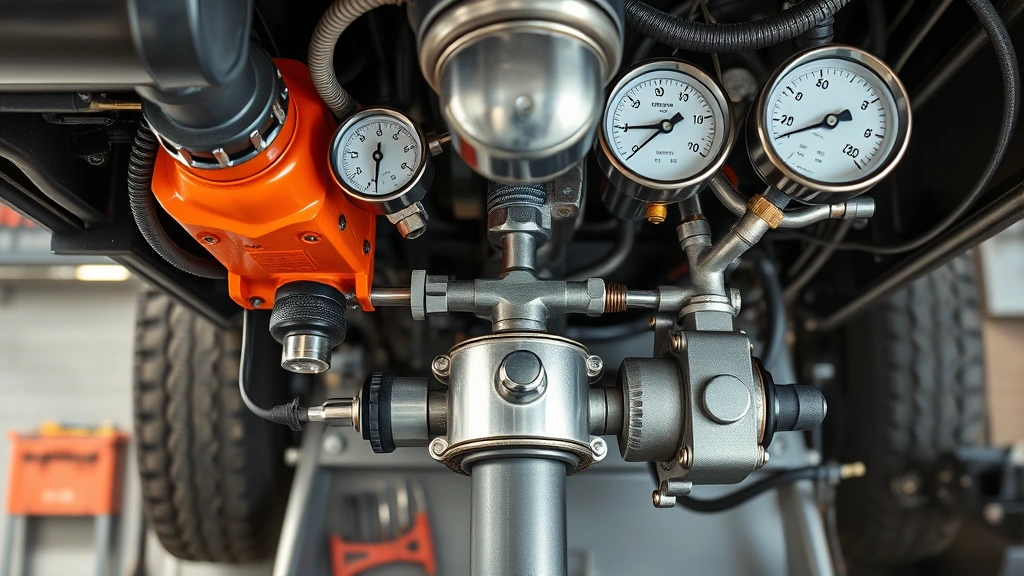
Hydraulic System Specifications determine dumping speed, reliability, and maintenance requirements. Pump displacement, measured in cubic centimeters per revolution, affects how quickly the trailer bed raises. Higher displacement systems dump faster but consume more fuel. Pressure ratings, typically ranging from 2,000 to 3,000 PSI, indicate system durability and load-handling capability. Cylinder bore size and rod diameter influence lifting force and operational efficiency.
Axle Configuration and Suspension Systems impact weight distribution, ride quality, and longevity. Single-axle trailers suit lighter loads and urban applications, while tandem-axle configurations handle heavier materials and rough terrain. Air suspension systems provide smoother rides and better load stability compared to leaf spring designs, though they require more maintenance. Spring suspension offers simplicity and lower maintenance costs, making it suitable for budget-conscious operators.
Brake Systems and Safety Features are non-negotiable considerations. Hydraulic brakes, electric brakes, or surge brakes each offer distinct advantages depending on your towing vehicle and operating environment. Electric over hydraulic systems provide superior modulation and are increasingly standard on modern equipment. Anti-lock braking systems (ABS) enhance safety on wet or slippery surfaces, particularly valuable for contractors operating in diverse weather conditions.
Dump Angle and Material Retention affect operational efficiency and safety. Most hydraulic systems achieve 45 to 55-degree angles, sufficient for most materials. However, sticky materials like wet clay require steeper angles (60+ degrees). Tailgate design and material retention bars prevent premature spillage during transport, reducing cleanup costs and liability exposure.
Top Manufacturers and Market Leaders
The dump trailer manufacturing sector features numerous established brands and emerging competitors, each offering distinct advantages. Researching manufacturers is crucial before making your purchase decision.
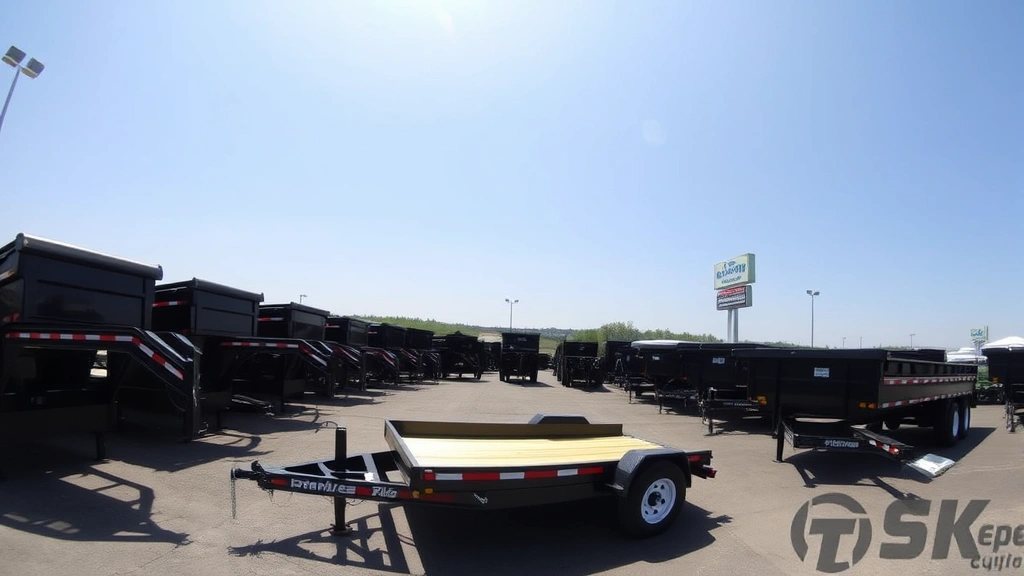
Industry-Leading Manufacturers dominate the market through reputation, innovation, and dealer networks. Companies like Kaufman Trailers, PJ Trailers, and Big Tex Trailers command significant market share through consistent quality, comprehensive warranties, and extensive dealer support. These manufacturers offer multiple configurations across various price points, allowing buyers to find solutions matching specific budgets and operational requirements.
Regional Manufacturers and Specialized Builders often provide customized solutions for niche applications. Local builders understand regional terrain, climate conditions, and specific industry requirements, tailoring dump trailers accordingly. These manufacturers frequently offer more flexible customization options and personalized customer service compared to large-scale producers.
Used Equipment Markets and Secondary Dealers present opportunities for budget-conscious buyers seeking established brands at reduced prices. Certified pre-owned dump trailers from reputable dealers often include warranties and documented maintenance histories, reducing risk compared to private sales. When exploring social media platforms for equipment listings, verify seller credentials and request comprehensive equipment documentation.
Evaluating manufacturer reputation requires reviewing industry certifications, warranty offerings, and customer testimonials. Equipment World magazine and Construction Equipment Guide provide valuable insights into manufacturer performance and market trends.
Pricing Strategies and Budget Planning
Dump trailer pricing fluctuates based on specifications, market conditions, and economic factors. Understanding pricing dynamics helps establish realistic budgets and identify value opportunities.
New Equipment Pricing typically ranges from $15,000 for basic single-axle models to $50,000+ for premium gooseneck trailers with advanced hydraulic systems. Mid-range tandem-axle dump trailers, representing the most popular category, generally cost between $25,000 and $35,000. Pricing reflects materials (steel grades), manufacturing complexity, hydraulic components, and dealer margins. Equipment marketed through e-commerce platforms for equipment sales may offer competitive pricing compared to traditional dealerships.
Used Equipment Valuation depends on age, condition, maintenance history, and market demand. Equipment depreciates approximately 15-20% annually during the first five years, stabilizing thereafter. A five-year-old dump trailer originally priced at $30,000 typically sells for $12,000-$15,000, depending on condition and utilization hours. Inspecting service records and hydraulic system condition is essential before purchasing used equipment.
Seasonal Pricing Variations affect availability and negotiation leverage. Fall and winter typically feature lower demand and more competitive pricing, as contractors reduce capital expenditures before year-end. Spring and early summer represent peak demand periods, often resulting in higher prices and limited inventory selection. Strategic purchasing during off-peak seasons can yield 5-15% savings.
Customization and Upgrade Costs significantly impact final pricing. Adding features like power tailgates, integrated scales, LED lighting, or specialized coatings increases base prices by $2,000-$8,000. Gooseneck conversion kits, reinforced frames for extreme-duty applications, and custom paint add additional expenses. Establishing upgrade priorities before requesting quotes ensures accurate budget allocation.
Financing Options for Equipment Purchase
Financing strategies dramatically influence the total cost of ownership and cash flow implications for equipment purchases. Exploring diverse financing options optimizes your investment structure.
Equipment Financing Through Specialized Lenders provides flexible terms specifically designed for heavy equipment purchases. Specialized equipment finance companies understand asset depreciation, residual values, and operational requirements better than traditional lenders. Typical terms range from 36 to 84 months, with interest rates varying from 4% to 12% based on credit profile, equipment age, and down payment amount. These lenders often require 15-25% down payments and comprehensive insurance coverage.
Manufacturer Financing Programs frequently offer competitive rates and simplified approval processes. Major manufacturers partner with financial institutions to provide in-house financing, sometimes featuring promotional rates for qualified buyers. These programs streamline the purchasing process and may include extended warranty coverage, reducing overall ownership costs. E-commerce marketing strategies for equipment dealers increasingly emphasize transparent financing options to improve customer conversion rates.
Lease-to-Own Arrangements provide operational flexibility without immediate capital commitment. Monthly lease payments are often tax-deductible as business expenses, improving cash flow compared to loan payments. At lease conclusion, you have options to purchase the equipment at predetermined residual values, return it, or lease newer models. This strategy appeals to businesses with fluctuating equipment needs or those preferring to maintain current technology.
Business Line of Credit offers flexibility for equipment purchases while maintaining liquidity for operational needs. Rather than committing to specific equipment loans, establishing business lines of credit provides access to capital for various purposes, including equipment acquisition. Interest-only payments on unused credit lines minimize carrying costs until funds are deployed.
Tax Implications and Depreciation Benefits significantly influence net equipment costs. Section 179 deductions allow immediate expensing of qualified equipment purchases up to annual limits, potentially reducing taxable income. Bonus depreciation provisions enable accelerated depreciation schedules, generating tax benefits in early ownership years. Consulting with tax professionals ensures you maximize available deductions when structuring equipment purchases.
Maintenance and Operational Costs
Total cost of ownership extends far beyond the initial purchase price. Understanding maintenance requirements and operational expenses enables accurate budget projections and profitability analysis.
Routine Maintenance Requirements vary based on utilization intensity and operating conditions. Oil changes, filter replacements, and hydraulic fluid servicing should occur at manufacturer-recommended intervals, typically 50-100 operating hours or annually. Greasing pivot points, inspecting brake systems, and checking tire conditions require regular attention. Annual professional inspections identify potential issues before they develop into expensive repairs, typically costing $500-$1,500 annually for routine maintenance.
Hydraulic System Servicing represents a significant maintenance category. Hydraulic fluid degradation occurs through contamination, heat exposure, and moisture absorption. Complete fluid changes occur every 1,000-2,000 operating hours, costing $800-$2,000 depending on system size and fluid type. Filter replacement during service intervals prevents pump damage and extends system longevity. Pressure testing and seal inspections identify potential failures before catastrophic damage occurs.
Brake System Maintenance directly impacts safety and operational reliability. Brake fluid should be flushed and replaced annually or per manufacturer specifications. Brake pad inspection and replacement typically cost $300-$800 per axle. Wheel bearing repacking and inspection occur during brake service, preventing bearing failure and wheel lockup conditions. Proper brake maintenance reduces stopping distance and minimizes accident liability.
Tire Replacement and Management constitutes a predictable operational expense. Dump trailer tires endure substantial stress from heavy loads and frequent dumping cycles. Tire replacement costs range from $150-$400 per tire depending on size and load rating. Regular tire pressure monitoring prevents uneven wear and premature failure. Rotation and balancing services, performed annually, extend tire life and improve fuel efficiency.
Structural and Frame Inspections prevent catastrophic failures and ensure safety compliance. Annual visual inspections identify rust development, weld cracking, or structural damage. Professional welding repairs for frame damage cost $500-$3,000 depending on severity. Protective coatings and rust treatment extend frame longevity, particularly for equipment operating in corrosive environments or high-moisture conditions.
Fuel Consumption Considerations impact operational budgets directly. Dump trailers increase towing vehicle fuel consumption by 15-25% depending on load weight, aerodynamics, and driving conditions. A fully loaded dump trailer hauled by a diesel truck consuming 6 miles per gallon costs approximately $0.35-$0.50 per mile in fuel alone. Route optimization, load consolidation, and regular vehicle maintenance improve fuel efficiency and reduce operational expenses.
Regulatory Compliance and Safety Standards
Operating dump trailers involves regulatory obligations and safety requirements that vary by jurisdiction. Understanding compliance requirements prevents costly violations and liability exposure.
Weight and Dimension Regulations establish legal limits for road operation. Most states enforce gross vehicle weight rating (GVWR) limits of 80,000 pounds for commercial vehicles on interstate highways. Axle weight limits typically cap at 20,000 pounds per axle. Length, width, and height restrictions vary by state but generally limit trailers to 53 feet in length and 8.5 feet in width. Oversized or overweight loads require special permits and escort vehicles, dramatically increasing transportation costs. Verifying compliance with local regulations before purchase prevents operational restrictions.
Safety Equipment Requirements mandate specific features on commercial trailers. Functioning brake lights, turn signals, and reflectors are mandatory. Breakaway brakes activate automatically if the trailer disconnects from the towing vehicle, preventing runaway conditions. Safety chains provide backup connection if the primary hitch fails. Mud flaps prevent debris from flying onto following vehicles. Ensuring equipment includes all required safety features prevents citations and accident liability.
Inspection and Certification Programs vary by state and carrier requirements. Commercial carriers often require annual inspections certifying equipment compliance with DOT standards. Inspection costs range from $100-$300 annually but are essential for legal operation. Maintaining inspection documentation demonstrates regulatory compliance and protects against liability claims.
Insurance Requirements and Coverage protect against financial exposure from accidents or equipment damage. Commercial general liability insurance covering the equipment typically costs $300-$800 annually depending on usage and claims history. Cargo liability insurance protects against material spillage or damage during transport, costing $200-$500 annually. Ensuring adequate insurance coverage before operating equipment protects your business from catastrophic financial loss. American Trucking Association resources provide comprehensive guidance on regulatory compliance and insurance requirements.
Environmental Compliance Considerations address spillage prevention and material containment. Many jurisdictions regulate the transportation of demolition debris, recyclable materials, or hazardous substances. Secondary containment systems, tarping requirements, and designated disposal facilities may be mandated. Understanding material-specific regulations ensures compliance and prevents environmental liability exposure.
FAQ
What is the average lifespan of a dump trailer?
Well-maintained dump trailers typically provide 10-15 years of reliable service, with some exceeding 20 years. Lifespan depends heavily on utilization intensity, maintenance consistency, and operating environment. Equipment subjected to heavy daily use in corrosive conditions may require significant repairs or retirement earlier than equipment used seasonally. Regular maintenance, prompt repairs, and protective coatings substantially extend equipment lifespan and preserve resale value.
Should I purchase new or used dump trailer equipment?
New equipment provides manufacturer warranties, latest technology features, and predictable maintenance schedules, justifying higher initial costs for businesses prioritizing reliability. Used equipment offers significant cost savings, typically 40-60% below new prices, but requires thorough inspection and may have unknown maintenance history. Consider your business’s capital constraints, equipment reliability requirements, and planned utilization when making this decision. For critical operations requiring maximum uptime, new equipment often justifies premium pricing.
How do I determine the right dump trailer size for my business?
Evaluate your typical load volumes, material density, and hauling frequency to determine appropriate capacity. Calculate average cubic yards per job and peak load weight requirements. Select equipment providing 20-30% capacity cushion above average needs, accommodating demand fluctuations without oversizing. Consulting with industry peers or equipment dealers familiar with your specific applications provides valuable guidance for capacity selection.
What financing term lengths are typical for dump trailer purchases?
Equipment financing terms typically range from 36 to 84 months, with most commercial purchases financed over 48-60 months. Shorter terms reduce total interest paid but increase monthly payments. Longer terms improve monthly cash flow but increase total interest expense. Match financing terms to your equipment’s expected useful life and anticipated technological obsolescence. For equipment with 10-15 year lifespans, 60-72 month terms balance affordability with reasonable interest costs.
Are there tax benefits for dump trailer purchases?
Yes, several tax benefits apply to commercial equipment purchases. Section 179 deductions allow immediate expensing of qualified equipment up to annual limits, reducing taxable income in the purchase year. Bonus depreciation enables accelerated depreciation schedules, generating tax benefits during early ownership years. Loan interest payments are tax-deductible as business expenses. Consulting with tax professionals ensures you maximize available deductions when structuring equipment purchases and financing arrangements.
What maintenance costs should I budget annually?
Budget $1,500-$3,500 annually for routine maintenance on actively used dump trailers. This includes oil changes, filter replacements, hydraulic servicing, brake inspections, tire rotations, and minor repairs. Heavily utilized equipment or equipment operating in harsh conditions may require $3,000-$5,000 annually. Setting aside maintenance reserves prevents budget surprises and ensures timely service completion, maximizing equipment longevity and reliability.
How does dump trailer size affect fuel consumption?
Dump trailers increase fuel consumption by 15-25% depending on load weight, aerodynamic design, and driving conditions. A fully loaded trailer typically costs $0.35-$0.50 per mile in fuel for diesel-powered towing vehicles. Larger trailers with poor aerodynamics increase fuel consumption more substantially. Optimizing route planning, consolidating loads, and maintaining proper tire pressure minimize fuel waste and reduce operational expenses.
What safety certifications should I verify before purchasing?
Verify that equipment meets DOT safety standards, including functional brake systems, lighting, reflectors, and breakaway brakes. Request documentation of recent safety inspections and maintenance records. Ensure the trailer has proper weight ratings marked and that all safety chains and hitch connections are functional. For used equipment, professional pre-purchase inspections identify safety defects before purchase, preventing liability exposure.