Affordable Carports for Sale? Complete Buyer’s Guide 2023
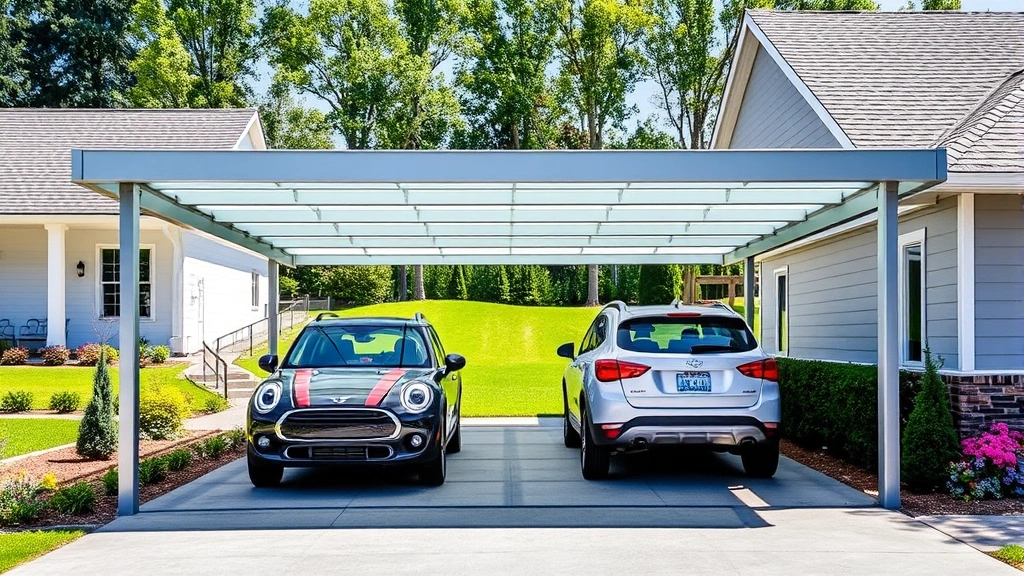
The carport market has experienced significant growth in recent years, with homeowners and businesses increasingly recognizing the value of affordable vehicle protection solutions. Whether you’re looking to shield your vehicle from harsh weather, reduce maintenance costs, or enhance your property’s functionality, understanding the carport landscape is essential. This comprehensive guide explores everything you need to know about purchasing carports for sale, from pricing strategies to installation considerations that impact your investment.
Carports represent a cost-effective alternative to traditional garage construction, offering substantial protection without the expense and complexity of building a fully enclosed structure. As the market evolves, manufacturers continue to innovate with materials, designs, and configurations that cater to diverse budgets and aesthetic preferences. The average homeowner can expect to invest between $2,000 and $6,000 for a quality carport, though luxury options and custom installations may exceed these figures significantly.
Understanding Carport Types and Materials
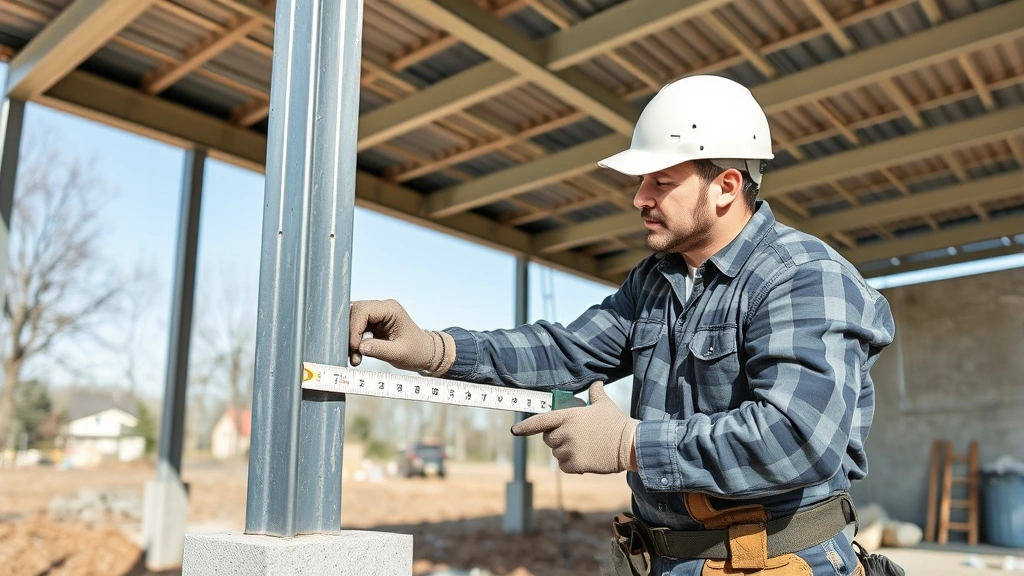
The carport industry offers multiple construction options, each with distinct advantages and price points. Metal carports dominate the affordable segment, utilizing aluminum or steel frameworks that provide excellent durability-to-cost ratios. Aluminum structures resist corrosion naturally, making them ideal for coastal or humid climates, while steel options deliver superior strength at competitive prices. According to Construction Dive, metal carports account for approximately 65% of residential installations due to their longevity and minimal maintenance requirements.
Wood carports represent the traditional choice, offering aesthetic appeal and natural integration with residential landscapes. However, wood requires regular treatment and maintenance to combat rot, insects, and weather deterioration. Vinyl-coated wood hybrids have emerged as a middle-ground solution, combining visual warmth with enhanced durability. Polycarbonate and fiberglass panels offer translucent roofing options that allow natural light penetration while providing UV protection—a feature increasingly valued by consumers seeking functional outdoor spaces.
Single-car carports typically measure 9×18 feet, while double-car models span 18×20 feet or larger. Triple-car configurations accommodate 27×20 feet or more, with expandable designs allowing future modifications. When evaluating online retail strategies for physical products, carport sellers must account for customization requests that drive consumer satisfaction and repeat business. The roof pitch significantly impacts water drainage and snow load capacity—critical factors in diverse geographic markets.
Pricing Breakdown and Budget Considerations
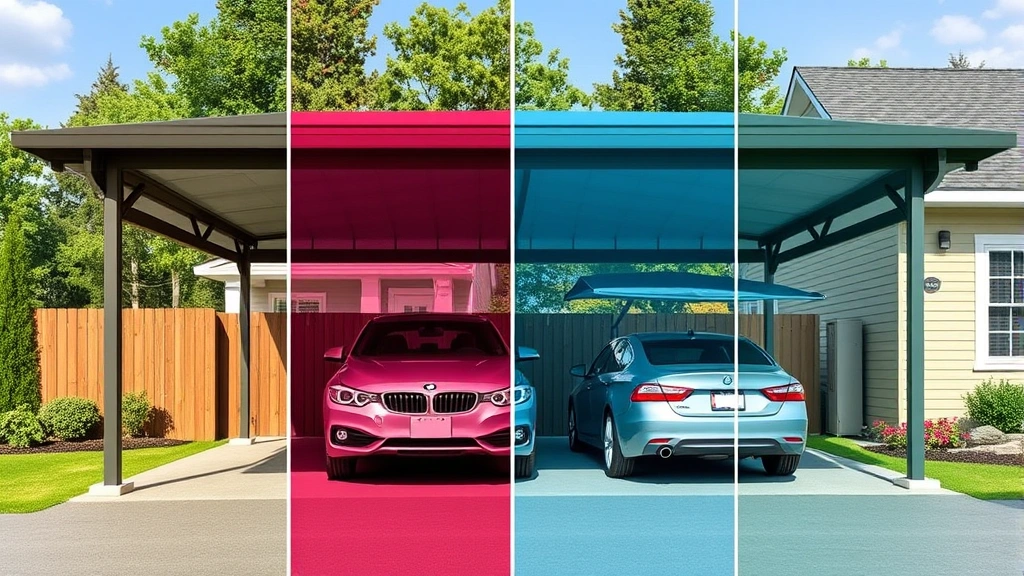
Carport pricing reflects material quality, size, design complexity, and regional labor costs. Basic single-car metal carports start around $1,500-$2,500 installed, while double-car structures range from $2,500-$5,000. Premium options with enhanced aesthetics, superior materials, or custom engineering can reach $8,000-$15,000 or higher. Understanding these tiers helps buyers identify offerings that align with their financial parameters and long-term value expectations.
Material costs constitute 40-60% of total project expenses, with installation labor representing the remaining balance. Regional variations significantly affect pricing—rural areas typically offer lower installation costs than metropolitan regions where labor demand and competition dynamics differ substantially. Home Depot and specialized carport retailers provide transparent pricing models, though custom configurations require detailed quotes. Buyers implementing high-ticket sales strategies should recognize that carports often qualify as premium home improvements justifying extended payment plans or financing options.
Seasonal pricing fluctuations deserve attention—spring and summer typically command premium pricing due to increased demand, while winter months present negotiation opportunities. Bulk purchases or package deals combining carport installation with other home improvements can yield 10-20% savings. Tax incentives may apply in certain jurisdictions where carports enhance property energy efficiency or support renewable energy installations like solar panels.
Hidden costs include permits ($100-$500), foundation preparation ($500-$2,000), electrical work for lighting installations ($300-$1,500), and site grading or drainage improvements ($1,000-$3,000). Comprehensive budgeting requires accounting for these ancillary expenses that separate theoretical costs from real-world project totals. Transparent sellers itemize these components upfront, building trust and preventing budget overruns that damage customer relationships.
Installation and Location Planning
Successful carport installation begins with site assessment—evaluating ground conditions, existing structures, utility locations, and drainage patterns. Most jurisdictions require building permits and engineering approvals, particularly in regions with significant snowfall or wind loads. Working with qualified WordPress e-commerce platforms for online sales, carport retailers should provide installation guidance resources that help customers navigate municipal requirements smoothly.
Foundation design critically impacts carport longevity and performance. Concrete footings extending 3-4 feet below frost lines prevent heaving and structural failure in freeze-thaw cycles. Gravel or crushed stone bases offer more affordable alternatives in stable climates, though concrete ultimately provides superior durability. Professional installation ensures proper alignment, slope for water drainage, and adherence to local building codes that protect homeowner investments.
Orientation considerations affect functionality—positioning carports to provide afternoon shade in hot climates or maximize solar exposure for attached solar installations influences long-term utility. Proximity to property lines, setback requirements, and HOA restrictions shape viable locations. Experienced installers identify optimal configurations that balance protection, aesthetics, and regulatory compliance, reducing costly modifications post-installation.
Comparing Carports vs. Garages
The carport-versus-garage decision fundamentally shapes residential vehicle protection strategies and property investment value. Garages provide superior weather protection, security, and climate control, justifying their $10,000-$30,000+ construction costs. However, carports deliver 70-80% of weather protection benefits at 25-40% of garage expenses, making them ideal for budget-conscious homeowners. Redfin’s residential market analysis indicates that carports enhance property appeal in moderate climates while full garages remain essential in regions with severe winters or extreme weather patterns.
Space efficiency favors carports—they require minimal foundation work and permit easier expansion compared to enclosed structures. Homeowners can add carports without triggering extensive zoning modifications that enclosed buildings demand. This flexibility particularly benefits properties with irregular lot configurations or limited buildable space. Additionally, carports facilitate air circulation around vehicles, reducing moisture accumulation that accelerates rust formation in enclosed garages.
Resale value implications vary regionally. In temperate climates, carports satisfy buyer expectations and maintain property values effectively. Conversely, markets experiencing harsh winters typically expect enclosed garages, making carports less attractive to future purchasers. Savvy sellers balance current budgetary constraints against long-term market positioning when choosing between these protective structures.
Finding Reputable Carport Sellers
The carport marketplace encompasses manufacturers, regional dealers, national retailers, and local contractors—each offering distinct advantages and considerations. National brands like Carports.com and local fabricators both serve buyer needs, though their approaches differ significantly. Established manufacturers provide standardized designs, warranty coverage, and predictable quality, while local contractors offer customization and personalized service. Evaluating e-commerce solutions for product sales helps carport retailers establish credibility through professional online presence, detailed product specifications, and transparent pricing structures.
Customer reviews and testimonials provide invaluable guidance—examining installation timelines, quality outcomes, and post-sale support reveals seller reliability. Better Business Bureau ratings, licensing verification, and insurance confirmation protect buyers from unscrupulous operators. References from previous customers offer direct insights into real-world experiences that marketing materials cannot capture. Requesting site visits to completed installations allows prospective buyers to evaluate workmanship quality and structural integrity firsthand.
Warranty terms separate quality sellers from questionable operators. Reputable manufacturers offer 10-20 year warranties on materials with 2-5 year labor guarantees, reflecting confidence in product durability. Warranties covering rust-through, structural failure, and fastener corrosion provide comprehensive protection. Sellers unwilling to guarantee their work should trigger immediate skepticism—quality businesses stand behind their installations unconditionally.
Detailed contracts protect both parties by specifying materials, dimensions, timeline, payment schedules, and warranty terms explicitly. Vague agreements create disputes and disappointment. Professional sellers provide written specifications, site plans, and engineering drawings that eliminate ambiguity. Transparent communication throughout the sales process—from initial consultation through post-installation support—distinguishes excellent vendors from mediocre alternatives.
Maintenance and Longevity
Carport longevity depends largely on material selection and ongoing maintenance practices. Metal carports require minimal upkeep—occasional cleaning and fastener inspection suffice for most climates. Annual inspections identifying loose bolts, rust spots, or panel damage prevent deterioration from accelerating. Protective coatings applied during manufacturing typically last 10-15 years before repainting becomes necessary. Wood structures demand more intensive care, including annual staining or sealing, pest inspections, and rot treatment—expenses that accumulate substantially over decades.
Snow load management proves critical in northern climates. Regular roof clearing prevents ice accumulation that stresses structural integrity and increases collapse risk. Proper drainage design directs meltwater away from foundations and surrounding landscaping, preventing erosion and moisture-related damage. Wind-resistant designs incorporating proper bracing and fastening withstand hurricane-force gusts without failure. Climate-appropriate engineering investments during initial installation reduce long-term maintenance expenses and safety risks.
Upgrading existing carports with improved roofing materials, additional bracing, or enhanced electrical systems extends functionality and property value. Polycarbonate panels replacing solid metal roofs increase natural lighting while maintaining weather protection. LED lighting installations improve evening functionality with minimal energy consumption. These enhancements position carports as multipurpose structures supporting outdoor living, vehicle protection, and property aesthetics simultaneously.
FAQ
What’s the average cost of a carport in 2023?
Average carport costs range from $2,000-$6,000 installed, depending on size, materials, and location. Single-car metal structures start around $1,500-$2,500, while double-car options span $2,500-$5,000. Premium customized installations can exceed $10,000. Regional labor costs and material availability significantly impact final pricing.
Do carports require building permits?
Most jurisdictions require building permits for carport construction, particularly in regions with specific wind load, snow load, or seismic requirements. Permit costs typically range from $100-$500. Professional installers handle permit applications, ensuring compliance with local building codes and preventing costly violations. Skipping permits risks fines and complications during property sales.
How long do carports typically last?
Quality metal carports last 20-30+ years with minimal maintenance. Wood structures typically last 15-20 years with regular treatment and care. Polycarbonate panels may require replacement after 10-15 years as UV exposure degrades clarity and impact resistance. Proper installation and climate-appropriate engineering maximize longevity across all material types.
Can carports support solar panel installations?
Yes, carport structures effectively support solar panel systems. Engineered carports designed for solar integration provide dual functionality—vehicle protection and renewable energy generation. This combination maximizes property utility while reducing electricity costs. Solar-ready carports represent increasingly popular investments, particularly in sunny climates where energy savings justify installation expenses.
Are carports better than garages for resale value?
Resale value implications depend on regional climate and buyer expectations. In temperate climates, carports satisfy market expectations and maintain property appeal. Northern regions typically expect enclosed garages, making carports less attractive to future purchasers. Consulting local real estate professionals provides market-specific guidance for investment decisions.
What maintenance do metal carports require?
Metal carports require minimal maintenance—occasional cleaning and annual inspections suffice. Check for loose fasteners, rust spots, or panel damage during inspections. Protective coatings typically last 10-15 years before repainting becomes necessary. Snow removal in northern climates prevents ice accumulation and structural stress.


