Buy Bob Ross Paintings? A Collector’s Comprehensive Insight
The demand for Bob Ross paintings has surged dramatically in recent years, transforming the beloved PBS painter’s work from nostalgic television memorabilia into a serious collector’s market. As e-commerce platforms and auction houses increasingly feature his original paintings, understanding the investment landscape, authenticity concerns, and market dynamics has become essential for both casual admirers and serious collectors. This guide explores everything you need to know before making a purchase decision in this unique and evolving market segment.
Bob Ross’s cultural legacy extends far beyond his iconic television series “The Joy of Painting,” which aired for 31 seasons and reached millions of viewers worldwide. His gentle demeanor, distinctive afro hairstyle, and soothing voice created an unparalleled connection with audiences, making his original paintings increasingly sought after in today’s digital marketplace. Whether you’re looking to invest in art, own a piece of television history, or simply appreciate his landscape work, navigating the Bob Ross painting market requires knowledge of pricing, authentication, and legitimate sales channels.
Understanding the Bob Ross Painting Market
The Bob Ross painting market represents a unique intersection of pop culture nostalgia, legitimate art investment, and collectible memorabilia. According to market analysis from Artnet, the secondary market for Bob Ross paintings has experienced exponential growth, particularly following the surge in streaming viewership of his original PBS series. This renewed interest has created both opportunities and challenges for collectors seeking authentic works.
Bob Ross himself painted thousands of works throughout his lifetime, creating an estimated 400+ paintings during his television series alone. However, not all of these paintings were preserved or documented systematically, leading to significant market uncertainty. The artist’s estate, managed by the Bob Ross Inc. company, maintains records of some documented works, but many paintings remain unverified or lost to time. This scarcity paradox—where thousands of paintings exist but documentation is limited—creates substantial pricing volatility and authentication challenges.
Market data from Invaluable, a leading online auction platform for art and collectibles, shows that authenticated Bob Ross paintings typically sell between $8,000 and $15,000 at auction, with exceptional examples commanding significantly higher prices. Some of his most notable works have exceeded $100,000 at prestigious auction houses, demonstrating the financial significance of this market segment. Understanding these price ranges helps collectors distinguish between realistic market values and inflated asking prices from unscrupulous sellers.
The collector community has become increasingly sophisticated, with dedicated forums, authentication experts, and trading networks emerging to facilitate legitimate transactions. Serious collectors often participate in Reddit communities focused on Bob Ross, where authentication discussions and market information are regularly shared. These communities serve as valuable resources for due diligence before making significant purchases.
Authentication and Verification Methods
Authenticating Bob Ross paintings presents unique challenges because the artist did not consistently sign his work in standardized formats, and documentation from his studio era varies considerably. Legitimate authentication requires examining multiple factors simultaneously, rather than relying on any single indicator. This multi-factor approach is essential for protecting your investment and avoiding counterfeit or misattributed works.
Official Documentation: The most reliable authentication comes directly from Bob Ross Inc. or the artist’s estate. Official provenance documentation, including original studio records, exhibition catalogs, or certificates of authenticity from the estate, provides the strongest verification possible. When purchasing expensive pieces, always request and verify such documentation before committing funds. Many legitimate dealers maintain relationships with the Bob Ross estate and can facilitate verification through official channels.
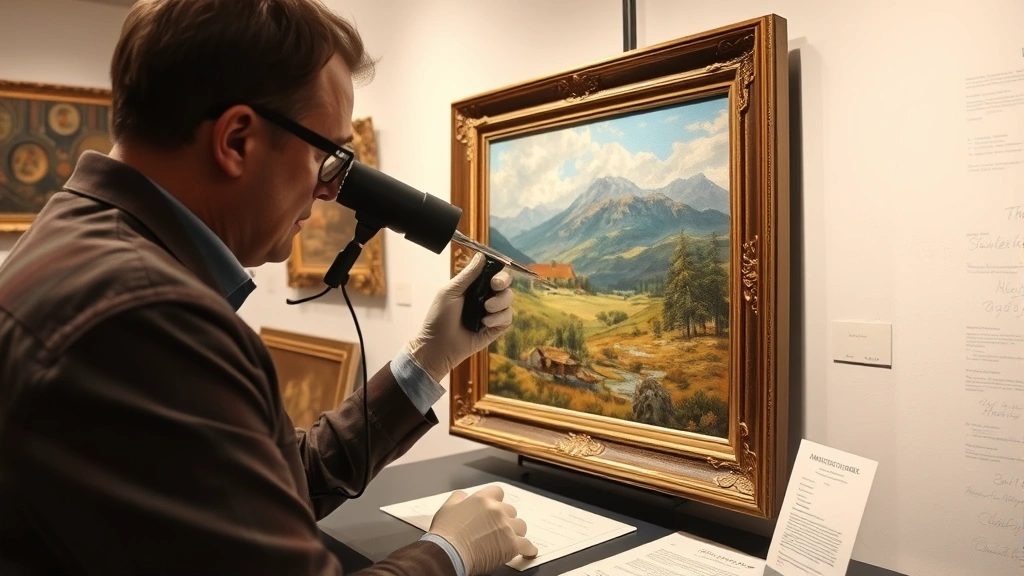
Physical Examination: Bob Ross used specific painting materials and techniques that experts can identify through careful analysis. The canvas type, paint composition, and distinctive application methods visible in authenticated works provide forensic evidence of authenticity. Professional art conservators can examine paintings under magnification to assess aging patterns, paint consistency, and technical execution. This examination process typically costs $200-$500 but provides invaluable protection for high-value purchases.
Signature Analysis: While Bob Ross did sign many of his paintings, his signature evolved throughout his career, and he occasionally created unsigned works. Handwriting experts can analyze signature characteristics, including pressure patterns, letter formation, and spacing. However, signature analysis alone should never constitute the sole authentication method, as signatures can be forged and unsigned works do exist. Combining signature analysis with other verification methods provides stronger authentication evidence.
Provenance Research: Tracing a painting’s ownership history from the studio through previous collectors provides crucial authentication support. Request detailed provenance documentation from sellers, including previous owners, exhibition history, and any published references. Gaps in provenance chains should raise red flags, particularly if the seller cannot explain how they acquired the work or provide supporting documentation.
Expert Consultation: Engaging professional art appraisers accredited by the American Society of Appraisers ensures independent evaluation of authenticity and value. These professionals maintain databases of authenticated works and understand market dynamics that affect pricing. A professional appraisal typically costs $300-$800 but provides legally recognized documentation for insurance and investment purposes.

Where to Buy Authentic Bob Ross Paintings
Identifying legitimate sales channels is crucial for avoiding counterfeit works and fraudulent transactions. Reputable sources employ authentication procedures, maintain buyer protections, and provide transparent documentation of the works they offer. Understanding the strengths and limitations of different sales channels helps collectors make informed purchasing decisions aligned with their risk tolerance and budget.
Auction Houses: Established auction platforms like Sotheby’s, Christie’s, and Invaluable regularly feature Bob Ross paintings with professional authentication and detailed catalog descriptions. These platforms employ expert appraisers, conduct background research, and provide buyer guarantees. Auction settings create competitive pricing that often reflects true market value, though prices can fluctuate based on collector interest during specific sales events. Auction houses typically charge buyer’s premiums ranging from 10-25% above the hammer price.
Specialized Art Dealers: Galleries and dealers specializing in contemporary American art or pop culture memorabilia often maintain Bob Ross inventory with verified authenticity. Established dealers build reputations on authentication accuracy and stand behind their merchandise with return policies and money-back guarantees. When selecting a dealer, verify their credentials, read customer reviews, and confirm their willingness to provide written authentication documentation.
Estate Sales and Liquidation: Occasionally, Bob Ross paintings surface through estate sales when previous collectors pass their collections to auction companies. These sales can present opportunities for acquisitions below market rate, particularly if collectors are unfamiliar with current market values. However, estate sales typically lack the authentication rigor of specialized dealers, requiring independent verification before purchase.
Direct from Bob Ross Inc.: The official Bob Ross Inc. company occasionally releases authenticated paintings through their official channels and authorized retailers. These works carry the highest authentication certainty and often include official documentation. However, availability is extremely limited, and prices reflect the premium associated with official provenance.
Online Marketplaces: While platforms like eBay and Facebook Marketplace occasionally feature Bob Ross paintings, these channels carry significantly higher fraud risk. Sellers on these platforms may lack authentication expertise, and buyer protections vary considerably. If purchasing through general online marketplaces, require extensive documentation, request independent appraisal, and use payment methods offering fraud protection and dispute resolution mechanisms.
Pricing and Investment Considerations
Understanding pricing factors and market dynamics helps collectors distinguish between fair market values and overpriced offerings. Bob Ross painting prices fluctuate based on multiple variables including size, subject matter, condition, provenance quality, and current collector demand. Developing pricing literacy prevents overpayment and supports informed investment decisions.
Size and Complexity: Larger paintings and those depicting complex landscape compositions typically command higher prices than smaller works or simpler scenes. A 24×30 inch painting with intricate mountain ranges and water features will likely exceed the value of a 16×20 inch work with simpler composition. This pricing structure reflects both the materials cost and the perceived artistic effort involved in creation.
Subject Matter Popularity: Certain subject categories consistently achieve premium pricing. Mountain landscapes, seascapes with dramatic lighting, and paintings featuring distinctive geographical features tend to appeal to broader collector bases. Conversely, abstract compositions or experimental works may appeal only to specialized collectors, potentially limiting demand and resale value.
Condition Assessment: Paintings in pristine condition with no visible damage, fading, or restoration work command substantial premiums over those showing age or requiring conservation. Professional condition assessment by conservators can document existing damage and recommend preservation steps. Collectors should budget for potential conservation work when acquiring paintings showing wear or damage.
Market Timing: Like all collectible markets, Bob Ross painting prices fluctuate based on cultural trends, media coverage, and collector sentiment. The Netflix documentary “Bob Ross: Happy Little Accidents” significantly increased collector interest and drove prices upward. Savvy collectors monitor market trends and adjust purchasing strategies accordingly, understanding that peak prices often follow media events or celebrity endorsements.
For high ticket sales like authenticated Bob Ross paintings, negotiation often remains possible with private dealers. Unlike auction environments where prices are final, direct sales frequently allow for discussion, particularly when purchasing multiple pieces or when cash transactions are involved.

Legal and Ownership Issues
Understanding the legal landscape surrounding Bob Ross painting ownership protects collectors from complications and ensures legitimate possession. Copyright issues, estate rights, and documentation requirements create important considerations beyond simple purchase transactions.
Copyright and Intellectual Property: Bob Ross Inc. retains intellectual property rights to the artist’s image, likeness, and certain aspects of his work. While owning an original painting grants physical possession, it does not grant reproduction rights or commercial use permissions. Collectors cannot legally create prints, sell reproductions, or use images of their paintings for commercial purposes without explicit licensing from Bob Ross Inc. Understanding these limitations prevents legal complications and potential cease-and-desist orders.
Documentation and Proof of Ownership: Maintaining comprehensive documentation of your purchase proves ownership and protects against theft or fraud claims. Retain purchase receipts, authentication certificates, insurance appraisals, and any correspondence with sellers. Digital copies stored securely in cloud services provide backup protection against physical document loss. This documentation becomes essential if you ever need to file insurance claims or establish provenance for resale.
Insurance Considerations: High-value Bob Ross paintings should be included in homeowner’s or renter’s insurance policies, with specific riders for valuable art. Insurance companies typically require professional appraisals before insuring expensive paintings. An appraisal documenting the painting’s authentication, condition, and current market value enables appropriate coverage levels. Annual appraisals help track value appreciation and ensure insurance coverage remains adequate as market prices fluctuate.
Tax Implications: Collectors should consult tax professionals regarding capital gains implications of buying and selling Bob Ross paintings. Depending on holding periods and sale prices, collectors may face taxation on appreciation. Additionally, donations of paintings to charitable institutions may provide tax deductions, though documentation and appraisals are required to substantiate claimed values.
Building Your Collection Strategically
Developing a coherent collecting strategy enhances satisfaction and supports long-term value appreciation. Rather than random acquisitions, strategic collectors establish clear objectives and build collections around defined themes or parameters.
Defining Your Collecting Focus: Collectors often specialize in specific categories such as landscapes from particular regions, paintings featuring specific techniques, works from certain periods of Bob Ross’s career, or pieces of particular sizes. Specialization creates expertise, helps identify undervalued works, and provides focus for acquisition efforts. Specialized collections often achieve higher resale values than random assortments because they appeal to specific collector communities.
Budget Planning and Acquisition Pace: Successful collectors establish budgets aligned with their financial circumstances and resist impulse purchases. Rather than spending entire budgets on single pieces, spreading acquisitions over time allows for careful evaluation and reduces the risk of overpayment. This approach also provides opportunities to research and authenticate works thoroughly before committing funds.
Networking and Community Engagement: Connecting with other collectors through forums, auctions, and collector associations provides access to acquisition opportunities, authentication expertise, and market information. These networks often facilitate private sales before works reach public auction, allowing informed collectors to access quality pieces with less competition.
When managing collections or acquiring multiple pieces, implementing e-commerce inventory management software principles helps track paintings, document provenance, maintain condition records, and organize insurance information. Digital organization systems ensure you can quickly locate documentation and reference information when needed.
Long-term Storage and Preservation: Proper storage protects paintings and preserves value. Paintings should be stored in climate-controlled environments with stable temperature and humidity levels. Avoid direct sunlight, excessive heat, and damp conditions that accelerate deterioration. Professional framing with conservation-quality materials protects paintings during display. Consider professional conservation services for older works or those showing age-related damage.
Future Resale Considerations: Building collections with eventual resale in mind ensures better outcomes when you decide to liquidate. Maintaining documentation, preserving condition, and acquiring works with strong provenance all support higher resale values. Understanding that specialized collections often appeal to narrower buyer bases helps you make realistic assumptions about future liquidity when considering acquisitions.
Like managing inventory for online thrift stores, serious collectors maintain detailed records documenting each work’s acquisition, authentication, condition, and current valuation. This systematic approach prevents confusion, supports insurance claims, and facilitates efficient estate planning or collection liquidation.
FAQ
How much do authentic Bob Ross paintings typically cost?
Authenticated Bob Ross paintings generally sell between $8,000 and $15,000 at auction, with exceptional examples occasionally exceeding $100,000. Prices vary based on size, subject matter, condition, and provenance quality. Prices have increased substantially in recent years due to renewed cultural interest in the artist.
Can I verify a Bob Ross painting’s authenticity myself?
While you can examine physical characteristics and research provenance independently, professional authentication by accredited appraisers or conservation experts provides legally recognized verification. For significant purchases, professional authentication is highly recommended to protect your investment.
Are there many counterfeit Bob Ross paintings in circulation?
While authenticated works are generally available through reputable channels, counterfeit paintings and misattributed works do exist, particularly in unregulated online marketplaces. Purchasing from established dealers and auction houses with authentication procedures significantly reduces fraud risk.
What should I do before purchasing an expensive Bob Ross painting?
Request complete provenance documentation, obtain professional authentication and appraisal, verify the seller’s credentials and reputation, inspect the painting in person if possible, and use secure payment methods with buyer protections. Never rush into expensive purchases without thorough due diligence.
Can I legally reproduce images of Bob Ross paintings I own?
No. While you own the physical painting, Bob Ross Inc. retains intellectual property rights. Reproducing, printing, or commercially using images requires explicit licensing from the company. Violating these rights can result in legal action.
Should I insure my Bob Ross painting collection?
Yes. High-value paintings should be insured through homeowner’s or renter’s policies with specific art riders. Insurance companies typically require professional appraisals documenting authentication and current value. Insurance protects against theft, damage, and loss.
Where can I sell a Bob Ross painting I own?
Reputable auction houses, specialized art dealers, and galleries specializing in contemporary American art are appropriate channels for selling authenticated paintings. Avoid general online marketplaces that lack buyer verification and professional authentication support. Working with established dealers often yields better prices than attempting private sales.
Are Bob Ross paintings a good investment?
Bob Ross paintings have appreciated significantly in recent years, particularly authenticated examples with strong provenance. However, like all art investments, values fluctuate based on cultural trends and market demand. Collectors should purchase primarily for personal enjoyment while appreciating potential appreciation as a secondary benefit.