Big Mac Salad Recipe: Chef’s Favorite Copycat Version
The Big Mac salad has become a culinary sensation among home cooks and restaurant enthusiasts alike. This innovative twist on McDonald’s iconic burger transforms the classic flavors into a fresh, healthy salad format that maintains all the beloved taste elements. Whether you’re looking to reduce carbohydrate intake, explore creative recipe variations, or simply enjoy a lighter version of a fast-food favorite, this chef-inspired big mac salad recipe delivers restaurant-quality results in your own kitchen.
The beauty of this recipe lies in its versatility and accessibility. By deconstructing the Big Mac and reassembling its components as a salad, you create a dish that appeals to health-conscious diners while satisfying cravings for familiar flavors. The combination of seasoned ground beef, crisp lettuce, tangy pickles, cheese, and special sauce creates a culinary experience that rivals its burger counterpart. This guide explores everything you need to know about preparing this chef’s favorite dish, from ingredient selection to plating techniques.
Understanding the Big Mac Salad Concept
The big mac salad recipe emerged from the broader culinary trend of deconstructing classic fast-food items into healthier alternatives. This concept gained significant traction as consumers increasingly seek ways to enjoy familiar flavors while maintaining dietary goals. The big mac salad represents a perfect marriage between nostalgia and nutritional consciousness, allowing diners to experience the satisfaction of their favorite burger in a completely different format.
The McDonald’s Big Mac has maintained its status as an American icon since its introduction in 1968. Its distinctive flavor profile comes from a specific combination of ingredients: two all-beef patties, special sauce, lettuce, cheese, pickles, and onions on a three-part bun. When transformed into a salad, these elements retain their individual character while creating a more dynamic eating experience. The textural variety increases significantly when components are separated and arranged on fresh greens, making each bite an interesting combination of flavors and textures.
This culinary innovation also addresses the growing interest in low-carb and keto-friendly dining options. By removing the bread component and focusing on the protein, vegetables, and sauce elements, the big mac salad becomes an excellent choice for individuals following various dietary protocols. Food bloggers and professional chefs have championed this recipe, demonstrating its appeal across different culinary communities and social media platforms.
Essential Ingredients for Authenticity
Creating an authentic big mac salad requires careful attention to ingredient selection. The foundation begins with quality ground beef, preferably an 80/20 blend that provides adequate fat for flavor while maintaining a reasonable nutritional profile. Fresh romaine or iceberg lettuce serves as the base, though some chefs prefer mixing lettuces for added complexity and nutritional variety. American cheese or cheddar provides that distinctive dairy element, and dill pickle slices deliver the tangy notes essential to the big mac experience.
The special sauce represents the most critical component for achieving authenticity. Traditional recipes combine mayonnaise, ketchup, relish, and various seasonings to recreate McDonald’s signature condiment. Some chefs add Worcestershire sauce, garlic powder, and paprika for enhanced depth. High-quality mayonnaise serves as the base, with a proper ratio ensuring the sauce coats ingredients without overwhelming other flavors. Fresh ingredients consistently outperform their shelf-stable counterparts when creating this crucial element.
Additional components that elevate the big mac salad include diced onions, crispy bacon bits, and tomato slices. While not part of the original Big Mac, many chefs incorporate these elements to add textural contrast and nutritional value. Croutons or fried onion strings provide satisfying crunch. Some variations include avocado slices for creaminess or crispy lettuce cups instead of traditional greens. The key principle involves maintaining the core big mac flavors while allowing room for creative expression and personal preference.
When selecting ingredients, sourcing matters considerably. Local farmers markets often provide superior quality lettuce and vegetables compared to supermarket alternatives. Ground beef from specialty butchers typically offers better flavor profiles than mass-produced options. Fresh herbs, particularly parsley and chives, add sophistication to the final presentation. Investing slightly more in ingredient quality directly translates to improved final results.

Preparing the Perfect Special Sauce
The special sauce represents the soul of the big mac salad recipe, distinguishing it from ordinary salads and connecting it directly to the original burger’s appeal. Creating this sauce at home requires understanding proper ratios and flavor balancing. Begin with one cup of high-quality mayonnaise as your foundation. This base provides richness and emulsifying properties that hold the sauce together while contributing creamy texture.
Add one-quarter cup of ketchup to the mayonnaise, stirring thoroughly to incorporate evenly. The ketchup contributes sweetness and subtle acidity that complement the beef and pickles. Next, incorporate two tablespoons of sweet pickle relish, which adds both texture and distinctive flavor notes. Some recipes call for finely minced dill pickles instead of relish, offering a more pronounced pickle flavor for enthusiasts who prefer tanginess. Both approaches work effectively; choose based on personal preference and desired intensity.
Seasoning elevates the sauce from adequate to exceptional. Add one teaspoon of garlic powder, one-half teaspoon of onion powder, one-half teaspoon of paprika, and one-quarter teaspoon of cayenne pepper for subtle heat. One tablespoon of Worcestershire sauce adds umami depth, while one teaspoon of yellow mustard provides complexity. Some chefs include a few drops of hot sauce for additional dimension. Stir all components thoroughly, then taste and adjust seasonings according to preference.
The sauce benefits from resting in the refrigerator for at least two hours before serving, allowing flavors to meld and develop. This preparation method enables you to prepare the sauce the night before, simplifying day-of execution. Many chefs make larger batches for storage in airtight containers, extending shelf life to approximately one week. The special sauce transforms ordinary ingredients into something distinctly reminiscent of the iconic burger, making it worth the additional preparation time and effort.
Seasoning and Cooking Ground Beef
Properly seasoned and cooked ground beef forms the protein foundation of an exceptional big mac salad recipe. Start with one and one-half to two pounds of 80/20 ground beef, allowing adequate quantity for generous portions while ensuring proper cooking. Room-temperature beef cooks more evenly than cold meat, so remove it from the refrigerator approximately fifteen minutes before cooking. Breaking the meat into small, uniform pieces promotes even cooking and creates the texture characteristic of traditional Big Mac beef.
Seasoning the beef requires a light hand; avoid over-seasoning, which masks rather than enhances natural beef flavor. Use one teaspoon of kosher salt, one-half teaspoon of black pepper, one-quarter teaspoon of garlic powder, and one-quarter teaspoon of onion powder per pound of beef. Some chefs add one-eighth teaspoon of smoked paprika for subtle depth. Mix seasonings into the meat gently but thoroughly before cooking, ensuring even distribution without compacting the meat excessively.
Heat a large skillet over medium-high heat until a drop of water immediately sizzles and evaporates. Add the seasoned beef in a single layer, resisting the urge to stir immediately. Allow the meat to brown undisturbed for approximately two minutes, developing a flavorful crust through the Maillard reaction. Break the meat into smaller pieces using a wooden spoon or meat chopper, continuing to cook until all pink disappears and the meat reaches an internal temperature of 160 degrees Fahrenheit. This typically requires five to seven minutes total cooking time.
Drain excess fat using a fine-mesh strainer if desired, though some chefs retain a portion of the rendered fat for enhanced flavor. Season the cooked beef lightly with additional salt and pepper if needed. Allow the beef to cool slightly before adding to the salad, preventing heat from wilting delicate greens. Properly cooked beef should maintain a tender, slightly crumbly texture that distributes evenly throughout the salad rather than forming dense clumps.
Building Your Salad Base
The salad foundation determines textural success and overall eating experience. Begin with approximately six to eight cups of fresh, crisp lettuce per serving. Romaine lettuce provides sturdy structure and pleasant bitter notes that complement the rich sauce and beef. Iceberg lettuce offers classic crunch and neutral flavor. Many chefs combine both varieties, using romaine as the primary base with iceberg shredded for additional textural contrast. Thoroughly wash and dry the lettuce, as excess moisture dilutes the special sauce and creates an unpleasant soggy texture.
Tear lettuce into bite-sized pieces rather than using a knife, which can bruise delicate leaves and accelerate browning. Arrange the lettuce in a large bowl or on individual plates, creating a generous base that provides adequate surface area for other ingredients. Some chefs chill the salad plates before assembly, helping maintain crisp lettuce temperatures and preventing premature wilting. This simple step significantly impacts the final eating experience, particularly if the salad sits for several minutes before consumption.
Layer diced tomatoes, sliced red onions, and dill pickle slices atop the lettuce base. The pickles contribute distinctive tang and textural contrast while maintaining the connection to the original Big Mac flavor profile. Shredded American cheese or cheddar distributes across the salad, providing creamy richness in every bite. Bacon bits—either freshly cooked and crumbled or high-quality store-bought varieties—add smoky flavor and satisfying crunch. Consider the visual presentation during assembly, arranging components thoughtfully to create an appealing, appetizing appearance.
Some variations of the big mac salad recipe include croutons, crispy fried onion strings, or even crushed potato chips for additional textural variety. These additions provide crunch that offsets the softness of cheese and meat. If using croutons, add them immediately before serving to prevent sogginess. The salad base should provide multiple textures and flavors that work harmoniously with the special sauce and seasoned beef, creating a complete culinary experience that honors the original burger while offering something entirely fresh and exciting.
Assembly and Presentation Techniques
Professional presentation transforms a simple big mac salad recipe into a restaurant-quality dish worthy of special occasions or impressive entertaining. Begin assembly only immediately before serving to maintain optimal freshness and textural integrity. Toss the lettuce base lightly with a small amount of special sauce, approximately two to three tablespoons, ensuring even coating without drowning the greens. Reserve the majority of the sauce for drizzling after final assembly, allowing diners to control sauce intensity according to preference.
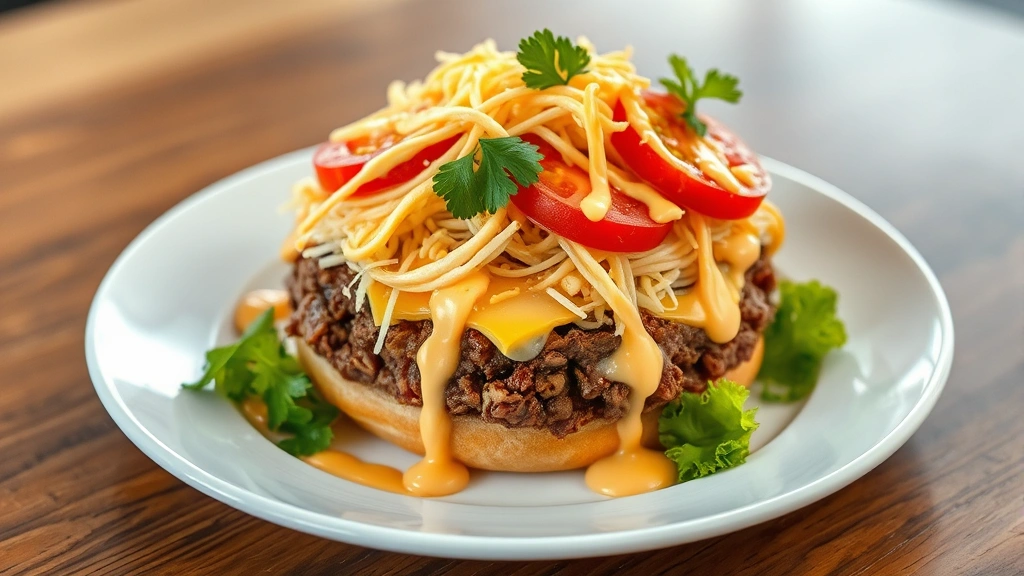
Arrange the dressed lettuce on individual plates, creating a foundation that showcases component variety. Top with the warm seasoned ground beef, distributing it evenly across the salad to ensure adequate protein in every bite. Arrange cheese shreds, pickles, tomatoes, and onions strategically around the plate, creating visual interest and color contrast. Bacon bits should be scattered across the top immediately before serving, as they soften quickly when exposed to moisture. Position a generous dollop of special sauce in the center or drizzle it artfully across the salad’s surface.
Garnish the finished salad with fresh parsley, crispy lettuce leaves standing vertically for height, or microgreens for sophisticated visual appeal. A single dill pickle spear positioned prominently on the plate reinforces the big mac connection. Consider the plate color and size; white or neutral-toned plates provide excellent contrast for the salad’s varied colors, while oversized plates create a more impressive presentation. Individual salad bowls also work beautifully, particularly when serving at casual gatherings.
For buffet-style serving, arrange salad components in separate bowls, allowing guests to customize their portions and preferences. This approach works particularly well when hosting events or meals for groups with varying dietary requirements. Place the special sauce in an attractive serving bowl with a spoon, enabling guests to add sauce according to taste. Arrange croutons, bacon bits, and other crunchy components in small dishes, making them readily accessible. This presentation style encourages engagement and creates an interactive dining experience.
Variations and Creative Adaptations
The big mac salad recipe offers remarkable versatility, inviting creative experimentation while maintaining core flavor elements. A keto-friendly variation eliminates or minimizes croutons and focuses on increasing healthy fats through avocado additions, olive oil-based dressings, and premium cheese selections. This adaptation appeals to individuals following low-carbohydrate dietary protocols while delivering satisfaction and satiety. Substituting regular mayonnaise with avocado-based alternatives creates creaminess while reducing calorie density.
Vegetarian versions replace ground beef with plant-based alternatives, mushroom-based crumbles, or even seasoned lentils that provide comparable protein and textural satisfaction. Walnut pieces, when finely chopped and cooked with big mac-inspired seasonings, create an surprisingly convincing beef substitute. These variations maintain the distinctive special sauce and flavor profile while accommodating dietary preferences and ethical considerations. The fundamental salad structure remains intact, requiring only protein component modification.
Spicy adaptations incorporate jalapeño slices, hot sauce additions to the special sauce, or cayenne pepper increases for those preferring elevated heat levels. Smoky variations add chipotle peppers or smoked paprika to both the beef seasoning and special sauce, creating depth and complexity that appeals to adventurous palates. Some chefs incorporate international flavors, creating Asian-inspired versions with ginger-infused sauces or Latin variations featuring cilantro and lime elements.
Seasonal variations celebrate ingredient availability and freshness. Summer versions incorporate heirloom tomatoes, fresh corn, and crispy green beans. Fall adaptations feature roasted beets, crispy apple slices, and toasted nuts. Winter variations might include hearty roasted vegetables or warm beef served atop chilled greens for temperature contrast. These creative approaches maintain the big mac salad’s essential character while offering novelty and seasonal appropriateness. Experimenting with variations keeps the recipe exciting for regular preparation and consumption.
Nutritional Benefits and Health Considerations
The big mac salad recipe offers significant nutritional advantages compared to its burger counterpart, making it an excellent choice for health-conscious individuals. By eliminating the bun, the salad removes approximately 200-250 calories and 40+ grams of carbohydrates, while retaining all the satisfying flavors and proteins. A typical serving contains 25-35 grams of protein from the ground beef and cheese, supporting muscle maintenance and satiety. The fresh lettuce and vegetables contribute vitamins, minerals, and dietary fiber essential for optimal health.
Nutritional content varies based on specific ingredient selections and portion sizes. Using 80/20 ground beef provides approximately 200 calories and 20 grams of fat per three-ounce serving, contributing flavor and satiety while offering essential fatty acids. Lean ground beef reduces fat content but may compromise flavor complexity. The special sauce, while calorie-dense due to mayonnaise content, provides satisfaction in small quantities due to its rich flavor profile. Using the sauce judiciously maintains nutritional reasonableness while preserving the distinctive taste experience.
Lettuce varieties offer different nutritional profiles. Romaine lettuce provides superior vitamin K, folate, and vitamin C compared to iceberg. Mixing lettuce varieties maximizes nutrient density. Fresh vegetables—tomatoes, pickles, and onions—contribute antioxidants, vitamins, and minerals while remaining relatively low in calories. Cheese provides calcium and vitamin B12, supporting bone health and energy metabolism. Bacon adds flavor and satisfaction, though moderation prevents excessive sodium intake.
The big mac salad recipe accommodates various dietary approaches effectively. Keto dieters benefit from the high-fat, low-carbohydrate profile, particularly when incorporating avocado and increasing cheese portions. Paleo enthusiasts appreciate the whole-food ingredients and elimination of processed bread products. Those following calorie-controlled diets can adjust portion sizes and sauce quantities to meet specific targets. The salad’s inherent flexibility makes it adaptable to virtually any nutritional philosophy or dietary requirement, enabling consistent enjoyment regardless of personal health goals.
Frequently Asked Questions
Can I prepare big mac salad components in advance?
Yes, advance preparation significantly simplifies serving. The special sauce stores refrigerated for up to one week. Ground beef can be cooked 1-2 days ahead and reheated gently before serving. Wash and dry lettuce the morning of service, storing it in paper towel-lined containers. Dice vegetables several hours ahead, storing them in airtight containers. Assemble the complete salad only immediately before eating to maintain optimal texture and freshness. This preparation approach works beautifully for entertaining or meal-prep scenarios.
What’s the best substitute for American cheese?
Cheddar cheese provides excellent flavor and melting characteristics, offering a slightly sharper taste profile. Muenster cheese delivers comparable creamy texture with mild flavor. Swiss cheese adds nutty notes that complement the beef and sauce. Some chefs use a combination of cheeses for complexity. For dairy-free versions, quality vegan cheese alternatives have improved significantly, though traditional dairy cheese remains superior for authentic flavor and texture replication.
How do I prevent the salad from becoming soggy?
Proper lettuce preparation proves essential—ensure greens are thoroughly dried after washing. Dress the lettuce lightly with sauce only immediately before serving, rather than soaking it. Keep components separate until final assembly. Avoid preparing the complete salad more than 5-10 minutes before consumption. Store croutons and crispy elements separately, adding them just before eating. These techniques maintain textural integrity and prevent disappointing soggy results.
Can this salad be made vegetarian?
Absolutely. Replace ground beef with seasoned lentils, mushroom-based crumbles, or plant-based meat alternatives. Finely chopped walnuts seasoned identically to the beef provide impressive texture and nutritional value. Ensure the special sauce remains vegetarian-friendly by verifying mayonnaise and Worcestershire sauce ingredients. All other components remain identical, delivering comparable satisfaction and flavor complexity while accommodating vegetarian dietary preferences.
What dressings work best with big mac salad?
The special sauce remains the optimal choice, delivering authentic big mac flavor. Traditional ranch dressing offers a lighter alternative while maintaining creamy satisfaction. Thousand Island dressing provides similar flavor profiles with slightly different spice balance. Some prefer mixing special sauce with ranch in equal proportions for reduced intensity. Avoid heavily vinegared or citrus-based dressings, which clash with the salad’s rich, meaty character. The special sauce’s distinctive flavor makes it difficult to improve upon.
How should I store leftover special sauce?
Transfer cooled sauce to airtight glass containers, refrigerating for up to one week. The sauce thickens slightly when chilled; thin with small quantities of milk or water if needed before serving. Freezing is not recommended, as mayonnaise-based sauces separate and become grainy upon thawing. Label containers with preparation dates for easy tracking. Always smell and inspect sauce before use, discarding if any off-odors develop or discoloration appears.
Can I use ground turkey or chicken instead of beef?
Yes, though flavor profiles change noticeably. Ground turkey offers leaner protein with milder taste, requiring increased seasoning and sauce additions for satisfaction. Ground chicken provides similar benefits but demands careful cooking to prevent dryness. Both alternatives work better when mixed with a portion of beef to maintain authentic big mac character. Alternatively, use these proteins for entirely different salad concepts rather than attempting direct substitution.
Is this salad suitable for meal prep?
Partial meal prep works excellently. Cook ground beef in bulk, storing it refrigerated for 3-4 days. Prepare the special sauce weekly for use throughout the week. Wash and store lettuce separately. On serving days, combine components fresh to maintain optimal texture. Avoid assembling complete salads more than a few hours ahead, as lettuce deteriorates and sauce soaks through greens. This approach balances convenience with quality, enabling regular enjoyment without daily preparation demands.