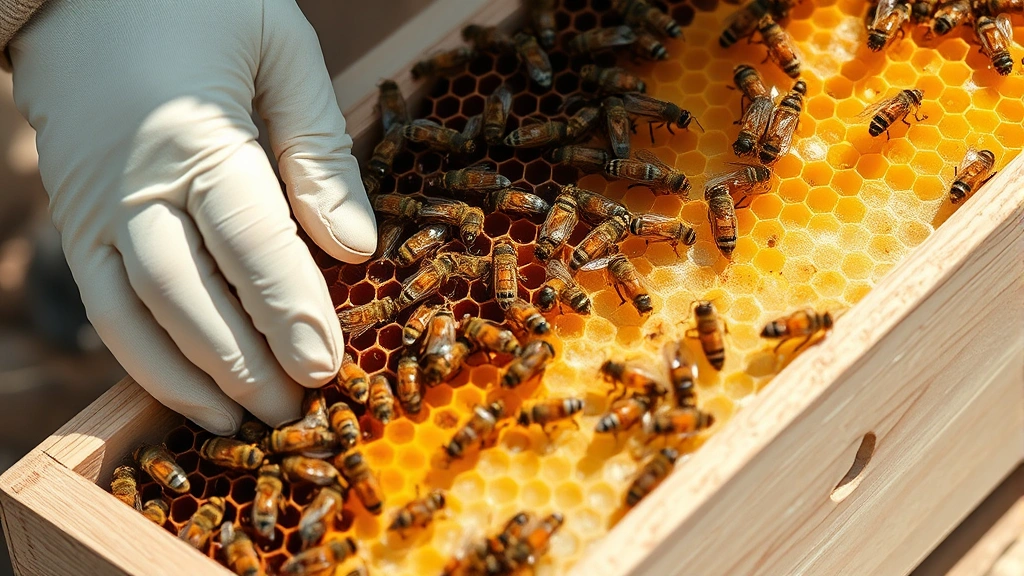
Where to Buy Bees? Expert Recommendations for Beekeepers and Businesses
The beekeeping industry has experienced remarkable growth over the past decade, with both commercial operations and hobbyist beekeepers driving demand for quality bee colonies. Whether you’re starting your first hive or expanding an existing apiary, knowing where to buy bees is essential for success. The bee market operates differently than traditional retail, requiring knowledge of specialized suppliers, seasonal availability, and quality indicators that distinguish reputable sellers from unreliable sources.
Finding reliable sources for purchasing bees involves understanding the different types of bee suppliers, evaluating their credentials, and timing your purchase correctly. This comprehensive guide walks you through the landscape of bee acquisition, helping you make informed decisions that support both your beekeeping ambitions and the health of your colonies.

Understanding the Bee Market
The commercial bee market encompasses several distinct segments, each serving different customer needs and operational scales. The global bee market was valued at approximately $1.2 billion in 2023 and continues expanding as interest in pollinator conservation and local food production grows. Understanding market dynamics helps you identify the most suitable purchasing options for your specific situation.
Three primary bee product categories dominate the market: package bees, nucleus colonies (nucs), and full-strength colonies. Package bees represent the most accessible entry point for beginners, consisting of approximately 3 pounds of worker bees with a mated queen packaged in a ventilated box. Nucleus colonies contain a smaller population with established comb, brood, and resources, offering a head start compared to packages. Full-strength colonies provide experienced beekeepers with established populations ready for immediate honey production.
The bee industry operates through complex supply chains influenced by seasonal patterns, disease pressures, and environmental conditions. Winter losses and colony collapse disorder have created consistent demand pressures, while regulatory requirements for disease screening and interstate transport add complexity to the purchasing process. Reputable suppliers maintain health certifications and can document their colonies’ health status, genetic lines, and productivity records.
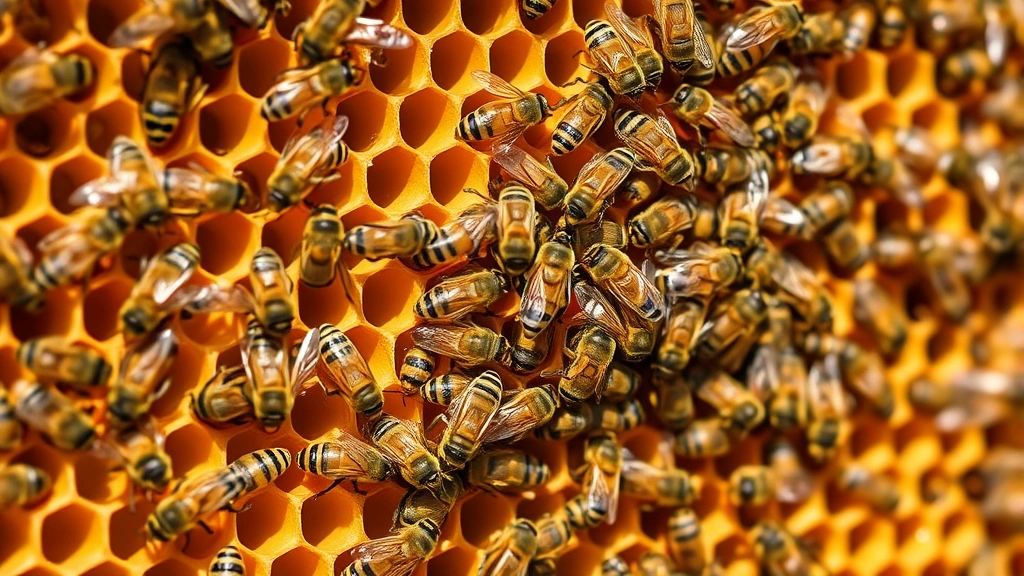
Local Beekeeping Associations
Local and regional beekeeping associations represent your most valuable resource for sourcing quality bees and connecting with experienced beekeepers. These organizations maintain member directories, organize bulk purchasing cooperatives, and facilitate knowledge transfer about local bee genetics and environmental conditions. Most states have active beekeeping associations with chapters at county or regional levels.
Association membership provides multiple advantages when purchasing bees. Members often receive preferential pricing on bulk orders, access to vetted local suppliers, and recommendations based on proven track records within your climate zone. Many associations organize annual spring meetings where beekeepers gather to purchase bees directly from suppliers, allowing you to inspect colonies before purchase and ask detailed questions about their origin and health status.
Connecting with local beekeepers through associations helps you understand which bee strains thrive in your specific region. Some areas favor Italian bees for their gentle temperament and productivity, while others prefer Carniolan varieties known for winter hardiness. Local beekeepers can share their experiences with specific suppliers and alert you to any quality issues or disease problems.
Finding your local association takes minimal effort—most states maintain directories on their agricultural extension websites or through the American Beekeeping Federation. County extension offices frequently host beekeeping meetings and can connect you with association leadership. Many associations also maintain Facebook groups and email lists for sharing supplier recommendations and answering member questions about bee sourcing.
Commercial Bee Suppliers
Established commercial bee suppliers represent the backbone of the North American bee market, producing thousands of colonies annually and distributing them through complex logistics networks. These operations range from small family businesses to large-scale commercial enterprises, each with distinct specializations and geographic service areas. When exploring commercial suppliers, consider factors including production capacity, health certifications, and geographic proximity to minimize transportation stress on bees.
Major regional suppliers typically specialize in package bees, nucs, or both, with production concentrated in states offering ideal beekeeping conditions. Georgia, California, and Florida host significant bee production operations due to their favorable climates and established infrastructure. These suppliers maintain relationships with smaller regional distributors, allowing them to reach customers across broad geographic areas.
Quality commercial suppliers maintain detailed records of colony genetics, health screening results, and productivity metrics. Reputable operations conduct regular inspections for diseases including American foulbrood and Varroa mites, providing documentation of their disease management protocols. Many suppliers offer guarantees covering bee survival rates during shipping, with replacement options for colonies showing excessive losses upon arrival.
Evaluating commercial suppliers requires asking specific questions about their operation practices. Inquire about their queen breeding program, whether they produce their own queens or source them from specialty breeders. Ask about their disease screening protocols, what certifications they maintain, and how they manage Varroa mite populations. Request references from previous customers and contact several to ask about their experiences with bee quality and customer service.
Online Bee Retailers
E-commerce platforms have transformed bee purchasing, enabling beekeepers to access suppliers far beyond their immediate geographic area. Online retailers offer convenience and often provide detailed product information, though purchasing live animals online requires understanding shipping logistics and potential stress factors. Established online bee retailers operate year-round, taking orders during winter months for spring delivery.
When purchasing bees online, verify that the retailer maintains proper licensing and health certifications required by your state. Many states regulate bee importation and require health certificates documenting disease screening. Reputable online retailers navigate these regulatory requirements on your behalf, ensuring compliance with your state’s agriculture department rules.
Online platforms offer advantages including wider selection of bee varieties, detailed product descriptions, and customer reviews from previous buyers. However, purchasing sight-unseen introduces risks—you cannot inspect colonies before arrival or verify their actual condition until delivery. Select online retailers with clear return policies, live arrival guarantees, and responsive customer service for addressing any issues that arise during shipping.
Popular online bee retailers maintain websites with educational content, seasonal availability calendars, and detailed pricing information. Many offer multiple payment options and provide tracking information for shipped orders. Before making purchases, read customer reviews thoroughly, noting any recurring complaints about bee quality, shipping delays, or customer service responsiveness. Contact the retailer directly with questions about their specific bees and operation practices.
Seasonal Timing and Availability
Bee availability follows strict seasonal patterns determined by biology and climate conditions. The primary package bee season runs from March through May in most regions, with peak availability in April when colonies reach optimal population sizes for dividing. Understanding these seasonal patterns helps you plan purchases strategically and secure quality bees before peak demand exhausts supplier inventory.
Winter represents the ideal time to place orders for spring delivery, as suppliers finalize production schedules and allocate inventory to confirmed orders. Many commercial suppliers implement order deadlines in January or February, requiring deposits to secure specific delivery dates and bee varieties. Placing orders early ensures access to your preferred bee strains and desired delivery windows.
Nucleus colony availability typically extends later into spring and early summer compared to package bees, as producers continue building populations into June. This extended season provides flexibility for beekeepers who cannot accommodate spring package deliveries. Some suppliers offer late-season packages in June or July, though these may show reduced population sizes or higher prices due to limited supply.
Fall presents limited purchasing opportunities in most regions, though some suppliers in warmer climates offer fall packages for beekeepers planning winter operations or spring expansion. Fall-purchased bees require careful management to ensure adequate food stores and population strength heading into winter. Most beekeepers focus their purchasing on spring availability when bee populations naturally peak.
Understanding local weather patterns helps optimize purchasing timing. In northern climates, waiting until April ensures warmer conditions for bee transport and hive establishment. Southern beekeepers might purchase earlier in March, taking advantage of warmer temperatures and longer growing seasons. Coordinate your purchase timing with your local beekeeping association’s recommendations for your specific region.
Quality Indicators and Health Certification
Identifying quality bee suppliers requires understanding health certifications, disease screening protocols, and indicators of genetic quality. Reputable producers maintain records documenting their colonies’ health status and can provide certificates of inspection from state apiary inspectors. These documents verify that colonies have been screened for diseases including American foulbrood and nosema, critical for preventing disease introduction to your apiary.
Ask suppliers about their Varroa mite management protocols and documented mite loads in their colonies. Suppliers using integrated pest management approaches, including cultural practices and selective chemical treatments, demonstrate commitment to bee health. Request specific information about mite monitoring methods and treatment thresholds they use in their operations.
Queen quality directly impacts colony performance, making it essential to understand how suppliers source their queens. Operations maintaining their own queen breeding programs can provide information about genetic lines, performance records, and trait selection priorities. Suppliers sourcing queens from specialty breeders should identify the breeding operation and provide documentation of queen genetics and laying performance.
Upon receiving bees, inspect them immediately for signs of disease or poor condition. Package bees should demonstrate active foraging behavior and show minimal mortality in the container. Nucleus colonies should contain sealed brood at various stages, adequate food stores, and minimal signs of disease or pest damage. Document your observations and contact the supplier immediately if you identify problems, allowing them to address issues under their warranty terms.
Pricing and Cost Considerations
Bee pricing varies significantly based on type, genetics, timing, and supplier, with package bees typically ranging from $100 to $200 and nucleus colonies commanding higher prices reflecting their advanced development stage. Understanding pricing factors helps you evaluate value and identify fair pricing compared to market standards. Bulk ordering through local associations often provides 10-15% discounts compared to individual retail purchases.
Spring pricing peaks during April when demand reaches maximum and inventory becomes limited. Early-season purchases in March often cost $20-40 less per unit, while late-season availability commands premium pricing. Budget purchasing according to seasonal pricing patterns when possible, placing orders early to secure competitive rates and preferred delivery timing.
Factor transportation costs into your purchasing decision, particularly when ordering from distant suppliers. Shipping live bees adds $30-75 to your total cost depending on distance and shipping method. Local purchases eliminate shipping costs and transportation stress, potentially justifying slightly higher per-unit prices compared to mail-order alternatives.
Consider the total cost of bee ownership beyond the initial purchase price. Budget for equipment including hives, frames, and protective gear; supplemental feeding during establishment; and ongoing monitoring and treatment supplies. Many new beekeepers underestimate startup costs, which can reach $500-1000 for a single colony including bees and equipment. Factor in your time investment for hive maintenance and colony monitoring throughout the season.
Quality bees from reputable suppliers represent a sound investment in your beekeeping success. While budget options exist, purchasing from certified suppliers with documented health and genetic quality typically yields better results than seeking the lowest available prices. Superior bees establish more reliably, demonstrate higher productivity, and reduce disease risk—easily justifying modest price premiums.
Building Relationships with Suppliers
Establishing relationships with reliable bee suppliers creates advantages extending beyond individual purchases. Regular customers often receive priority allocation during high-demand periods, preferential pricing on volume orders, and early notification of new products or services. Suppliers value customer loyalty and frequently offer benefits to repeat customers who demonstrate reliability and professionalism.
Communicate regularly with your suppliers about your operation’s goals and challenges. Sharing information about your colony performance, any disease issues you encounter, and your expansion plans helps suppliers understand your needs and make appropriate recommendations. Providing feedback about bee quality and any problems you experience helps suppliers improve their operations.
Consider participating in supplier-sponsored programs or cooperatives offering additional benefits. Many suppliers organize customer appreciation events, educational workshops, or group purchasing arrangements providing mutual advantages. These programs build community among beekeepers while creating efficiencies benefiting both suppliers and customers.
If you experience problems with bees or services, address them professionally with your supplier. Most reputable operations stand behind their products and work to resolve legitimate issues. Documented communication about problems and attempted resolutions creates records supporting warranty claims and helps suppliers identify and correct operational issues.
FAQ
What’s the best time to buy bees?
Spring (March-May) represents the optimal purchasing window, with April offering peak availability and established supplier inventory. Place orders during winter months for spring delivery to ensure access to preferred bee strains and favorable pricing before demand peaks.
How much do bees cost?
Package bees typically cost $100-200, while nucleus colonies range from $150-300. Prices vary based on season, genetics, and supplier location. Early-season purchases offer better pricing than late-season options when inventory becomes limited.
Should I buy bees locally or online?
Local purchases through beekeeping associations or nearby suppliers eliminate shipping costs and stress on bees, though online retailers offer wider selection and convenience. Choose based on your priorities regarding cost, selection, and convenience. Local purchases allow you to inspect colonies before purchase.
What health certifications should bee suppliers have?
Reputable suppliers maintain state apiary inspection certificates documenting screening for American foulbrood, nosema, and other diseases. Request copies of recent inspection certificates and ask about their Varroa mite management protocols and monitoring results.
Can I return bees if I’m not satisfied?
Most reputable suppliers offer live arrival guarantees and limited warranties covering obvious defects or excessive mortality. Review warranty terms before purchasing and document bee condition upon arrival. Contact suppliers immediately if problems arise to initiate warranty claims.
What’s the difference between package bees and nucleus colonies?
Package bees consist of loose bees with a mated queen requiring establishment in an empty hive. Nucleus colonies contain a small established population with comb, brood, and resources, providing a head start and requiring less initial work from the beekeeper.
How do I find local beekeeping associations?
Contact your state’s agricultural extension office or visit the American Beekeeping Federation website to locate regional associations. Most associations maintain membership directories and organize spring meetings where you can connect with local beekeepers and suppliers.