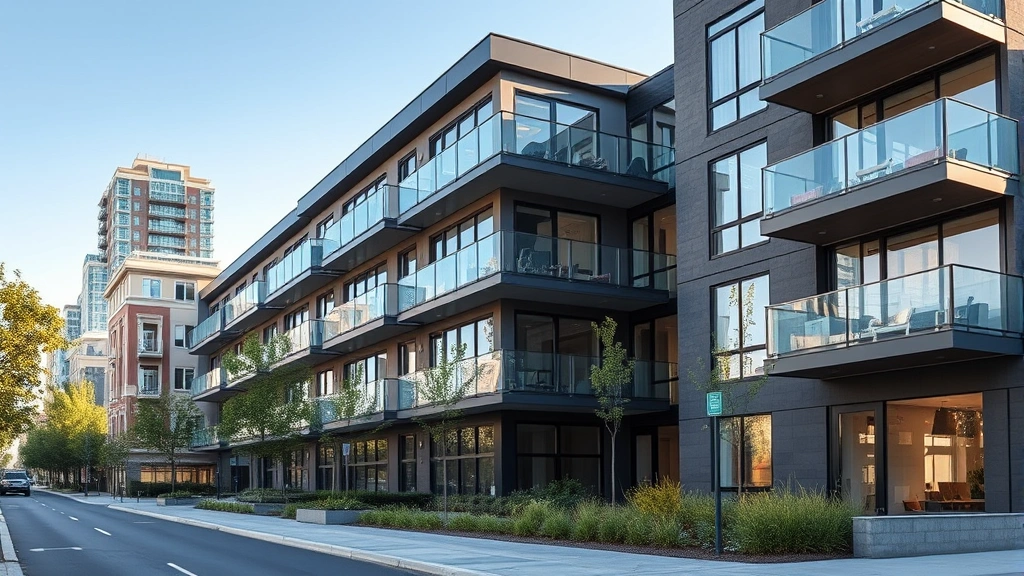
Top Apartment Buildings for Sale: Market Insights & Investment Opportunities
The apartment building market has transformed dramatically over the past five years, driven by shifting consumer preferences, remote work adoption, and changing investment landscapes. Whether you’re a seasoned real estate investor or exploring commercial investment strategies, understanding the current apartment building market is essential for making informed purchasing decisions. This comprehensive guide explores the top apartment buildings available for sale, market trends, valuation metrics, and strategic considerations for potential buyers.
The multifamily residential sector represents one of the most resilient and profitable segments in commercial real estate. With housing demand continuing to outpace supply in major metropolitan areas, apartment buildings remain attractive acquisition targets for institutional investors, REITs, and private equity firms. Market data indicates that apartment values have appreciated significantly, with cap rates compressing in high-demand markets while stabilizing in secondary and tertiary markets, creating varied opportunities across different geographic regions and asset classes.
Market Overview and Current Trends
The multifamily real estate market demonstrates remarkable resilience and growth potential despite macroeconomic headwinds. According to Apartment List’s comprehensive market research, rental demand remains robust across most major metropolitan areas, with occupancy rates hovering near historical highs. This strong demand fundamentally supports apartment building valuations and creates compelling investment opportunities for buyers seeking stable income-producing assets.
Several transformative trends are reshaping the apartment building market. First, the shift toward mixed-use developments that combine residential units with retail, dining, and entertainment amenities has become increasingly prevalent. Second, sustainability and green building certifications now command premium valuations, as both institutional investors and tenants prioritize environmental responsibility. Third, the rise of purpose-built rental communities emphasizing community spaces, fitness facilities, and technology integration reflects changing tenant expectations and justifies higher rents and valuations.
Market conditions vary significantly by geography and asset class. Class A buildings in prime urban markets command higher valuations but face intensifying competition and lower cap rates. Class B and Class C properties in emerging neighborhoods and secondary markets offer superior yield potential, though they require more active management and value-add strategies. Understanding these distinctions is critical when evaluating commercial real estate platforms and investment opportunities.
Key Metrics for Apartment Building Valuation
Successful apartment building acquisitions depend on rigorous financial analysis and understanding critical valuation metrics. The capitalization rate (cap rate) remains the most fundamental valuation tool, calculated by dividing net operating income by purchase price. Cap rates typically range from 3% to 8%, depending on location, asset quality, and market conditions. Lower cap rates indicate higher valuations and typically characterize Class A properties in primary markets, while higher cap rates suggest greater yield potential in secondary markets or Class B/C assets.
Net Operating Income (NOI) serves as the foundation for apartment building valuations. NOI represents gross potential income minus operating expenses, excluding debt service and income taxes. Calculating accurate NOI requires meticulous examination of rental roll data, occupancy rates, expense histories, and market comparables. Investors must scrutinize rent rolls to identify lease expiration dates, tenant quality, and rent growth trends. Operating expenses typically encompass property management, maintenance, utilities, insurance, property taxes, and capital reserves, generally ranging from 35% to 45% of gross income for well-maintained properties.
The debt service coverage ratio (DSCR) measures a property’s ability to service debt obligations from operating income. Most lenders require minimum DSCR ratios between 1.2x and 1.5x, meaning NOI must exceed annual debt service by 20% to 50%. Additionally, the price-to-income ratio provides quick market valuation benchmarks, while cash-on-cash return calculations help investors evaluate year-one returns on invested equity. Professional appraisals utilizing income, comparable sales, and cost approaches provide comprehensive valuation perspectives.

Top Markets for Apartment Acquisitions
Geographic selection significantly impacts investment returns and risk profiles. Primary markets including New York, Los Angeles, Chicago, and San Francisco continue attracting institutional capital, though cap rates have compressed substantially due to intense competition. These markets offer liquidity, institutional-quality assets, and stable long-term value appreciation, making them suitable for conservative investors and large institutional buyers.
Secondary markets including Austin, Denver, Nashville, and Phoenix have emerged as premier investment destinations, combining robust population growth, strong employment diversification, and favorable tax environments. These markets typically offer superior cap rates compared to primary markets while maintaining healthy rent growth and occupancy levels. Demographic trends show younger populations migrating toward secondary markets, creating sustained rental demand and appreciation potential.
Tertiary markets in smaller metropolitan areas and college towns present opportunities for value-add investors willing to implement proactive management and repositioning strategies. These markets often feature higher cap rates, lower entry prices, and less institutional competition, though they require greater operational expertise and carry higher vacancy risk. When evaluating markets, investors should analyze population growth rates, employment diversification, income growth trends, and housing supply constraints. For broader commercial insights, review the Commerce Path Daily Blog for comprehensive market analysis.
Property Types and Investment Categories
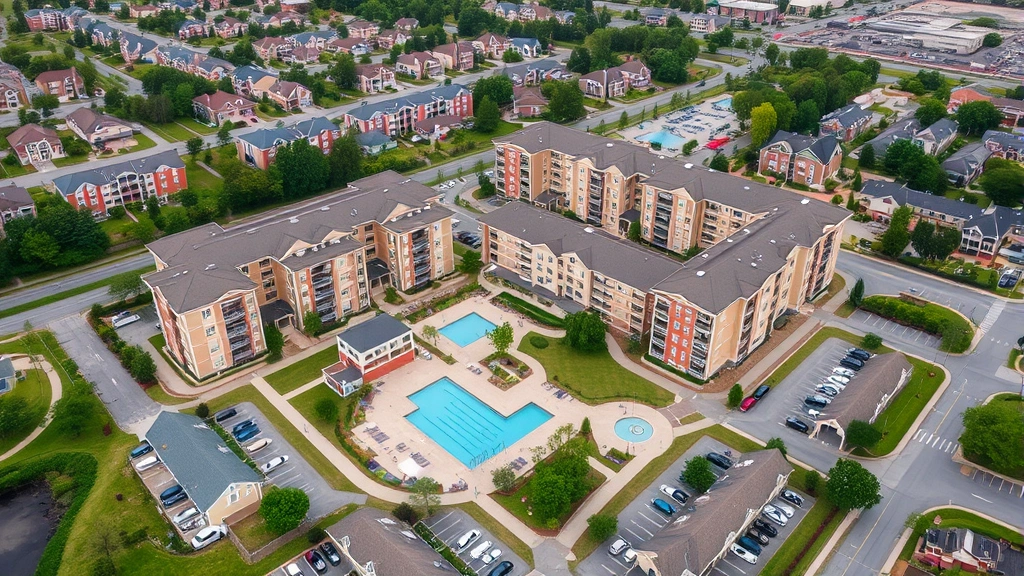
Apartment buildings span multiple categories, each with distinct characteristics, investment profiles, and value propositions. Garden-style apartments, typically comprising two to four stories with surface parking, dominate suburban markets and offer lower construction costs and operational simplicity. Mid-rise buildings of five to ten stories optimize land utilization in urban neighborhoods while maintaining relatively straightforward construction and management. High-rise apartment towers, particularly in major metropolitan areas, command premium valuations and attract institutional capital but require specialized management expertise and substantial capital investment.
Class A properties represent newly constructed or recently renovated buildings featuring premium amenities, high-quality finishes, and contemporary design. These assets attract affluent tenants willing to pay premium rents and typically generate strong cash flow with lower operational risk. However, Class A buildings command lower cap rates and offer limited value-add upside, making them suitable for conservative, long-term hold strategies.
Class B properties comprise well-maintained buildings with average finishes and functional amenities, typically five to twenty years old. These assets attract middle-income tenants and offer balanced risk-return profiles with moderate cap rates and reasonable value-add potential through rent optimization and expense management. Class B acquisitions represent the sweet spot for many investors, balancing stability with growth potential.
Class C properties feature older buildings with deferred maintenance, below-market rents, and functional but dated systems. These assets require significant capital investment and active management but offer substantial value-add opportunities. Successful Class C repositioning can generate superior returns, though execution risk is considerably higher. Investors should also consider related property opportunities, such as examining townhomes for sale to understand broader residential real estate markets.
Financing and Capital Structure Strategies
Apartment building acquisitions typically require sophisticated financing structures combining debt and equity capital. Conventional mortgage financing, provided by banks and institutional lenders, typically offers 65% to 75% loan-to-value (LTV) ratios with terms ranging from five to ten years. Floating-rate loans provide flexibility but expose borrowers to interest rate risk, while fixed-rate debt provides stability but may limit refinancing opportunities if rates decline.
Portfolio lenders, including insurance companies and pension funds, often provide more flexible underwriting and longer loan terms, making them particularly valuable for value-add and repositioning projects. CMBS (Commercial Mortgage-Backed Securities) financing offers competitive pricing and longer amortization periods but requires properties meeting specific size and quality thresholds. Life company loans provide 30-year amortization and stable terms, though prepayment penalties may restrict refinancing flexibility.
Equity capital structures vary based on investor sophistication and return requirements. Individual investor equity typically involves direct ownership with full operational control and tax benefits. Syndication structures pool capital from multiple investors through limited partnerships or funds, providing diversification and professional management while generating sponsor fees. REIT investments offer liquidity and passive exposure to institutional-quality apartment portfolios, though with reduced operational control and tax efficiency.
Debt-to-equity ratios fundamentally impact investment returns and risk profiles. Higher leverage amplifies returns during market appreciation but increases vulnerability during downturns. Conservative structures with 50% to 60% LTV provide stability, while aggressive leverage at 75% to 80% LTV maximizes returns but requires strong underwriting and contingency planning. Successful investors match capital structures to their risk tolerance, investment timeline, and market outlook.
Due Diligence and Risk Assessment
Comprehensive due diligence protects investors from unforeseen liabilities and ensures accurate valuations. Financial analysis begins with detailed rent roll verification, tenant credit quality assessment, and lease term evaluation. Investors should confirm all reported rents through tenant verification and identify any rent concessions or below-market leases requiring future adjustment. Occupancy rates must be verified through lease analysis rather than relying solely on management representations.
Physical property inspections by qualified engineers identify deferred maintenance, capital replacement needs, and structural issues. Environmental assessments evaluate soil conditions, historical uses, and contamination risks. Title searches and survey reviews confirm clear ownership and property boundaries. Zoning and land use verification ensures properties comply with current regulations and identifies potential restrictions affecting value or operations.
Market analysis comparing subject properties to comparable sales and rental comparables provides validation of valuation assumptions. Investors should examine comparable transactions, rental rates, occupancy trends, and expense benchmarks to assess whether acquisition pricing reflects current market conditions. Insurance reviews evaluate coverage adequacy and cost trends, while property tax assessments identify potential reassessment risks or appeal opportunities.
Legal reviews of lease agreements, management contracts, and vendor agreements clarify obligations and identify problematic terms. Lender reviews ensure debt assumptions are accurate and prepayment provisions are acceptable. Market risk assessment evaluates employment concentration, demographic trends, and competitive supply pipelines to identify potential headwinds affecting long-term performance.
Exit Strategies and Long-Term Value Creation
Successful apartment building investments require clearly defined exit strategies aligned with market conditions and investor objectives. Hold-and-operate strategies involve acquiring stabilized properties, optimizing operations, and collecting cash flow over extended periods. This approach suits conservative investors prioritizing stable returns and leverages long-term demographic demand and rent growth trends. Properties typically appreciate through rent growth and expense management improvements, generating wealth through both cash flow and appreciation.
Value-add repositioning strategies involve acquiring Class B or Class C properties below-market pricing, implementing capital improvements and operational enhancements, and selling to stabilized property investors or REITs at premium valuations. Successful value-add strategies require accurate cost estimation, competent project management, and realistic rent growth assumptions. Typical hold periods range from three to seven years, targeting 15% to 25% internal rates of return (IRR).
Development strategies involve acquiring land or underutilized properties and developing new apartment buildings or substantially repositioning existing structures. Development requires significant capital, regulatory expertise, and market timing precision but offers substantial return potential. Development investors must navigate zoning approvals, construction management, and lease-up execution, making this strategy suitable only for experienced developers.
Refinancing strategies leverage appreciation and operational improvements to extract equity while maintaining long-term ownership. Successful refinancing captures lower interest rates or improved property fundamentals, providing capital for reinvestment or distribution to investors. However, refinancing increases leverage and reduces financial flexibility, requiring careful analysis of rate environments and refinancing risk.
Market timing significantly impacts exit success. Selling during market peaks captures maximum valuations, though identifying peaks requires sophisticated market analysis. Selling into strong buyer demand with limited comparable inventory creates competitive bidding and premium pricing. Investors should monitor market indicators including cap rate trends, buyer composition, and transaction volumes to identify optimal exit windows.
Long-term value creation combines multiple strategies: rent growth through market-rate lease renewals, expense management through operational efficiencies, capital improvements enhancing appeal and commanding premium rents, and leverage through debt structure optimization. Successful apartment building investors understand local market dynamics, maintain properties at competitive standards, and remain flexible in responding to changing market conditions. Whether pursuing buy-and-hold, value-add, or development strategies, disciplined execution and continuous market monitoring drive superior returns.
For investors exploring broader commercial and residential opportunities, consider examining local marketplace opportunities and understanding how commercial real estate fits within comprehensive investment portfolios. Understanding various asset classes and markets provides perspective on diversification strategies across different property types and investment categories.
Frequently Asked Questions
What cap rate should I target when purchasing apartment buildings?
Target cap rates depend on market location, property class, and risk tolerance. Primary markets typically feature 3% to 5% cap rates, secondary markets 5% to 7%, and tertiary markets 7% to 9%. Conservative investors should target lower cap rates with stable cash flow, while value-add investors pursue higher cap rates with appreciation potential. Market conditions and personal return requirements should guide cap rate selection.
How much capital should I reserve for apartment building renovations?
Value-add projects typically require 10% to 25% of acquisition price in capital reserves, depending on property condition and improvement scope. Class C properties may require 25% to 40% of purchase price for comprehensive repositioning. Always include contingencies of 10% to 15% above estimated costs for unforeseen issues. Conservative budgeting prevents cost overruns that compromise projected returns.
What debt-to-equity ratio is appropriate for apartment building investments?
Conservative investors typically target 50% to 60% LTV (loan-to-value), providing financial stability and refinancing flexibility. Value-add investors may pursue 65% to 75% LTV to maximize return on equity. Avoid exceeding 80% LTV unless you have substantial reserves and strong conviction about market appreciation. Match leverage to your risk tolerance and ability to weather market downturns.
How do I evaluate apartment building tenant quality and lease stability?
Request detailed rent rolls showing tenant names, lease expiration dates, monthly rent, and any rent concessions. Verify tenant creditworthiness through credit reports and background checks. Analyze lease expirations to identify concentration risk and forecast rent growth opportunities. Interview current tenants to assess satisfaction and retention likelihood. Strong tenant quality and staggered lease expirations reduce vacancy risk and support stable cash flow.
What are the primary risks when acquiring apartment buildings?
Key risks include interest rate increases affecting financing costs and property valuations, local employment disruptions reducing rental demand, competitive new supply pressuring rents, deferred maintenance exceeding estimates, and regulatory changes affecting rent control or operating costs. Conduct thorough market analysis, reserve for contingencies, and maintain financial flexibility to navigate market challenges successfully.
Should I hire a property management company or self-manage apartment buildings?
Self-management suits small portfolios (one to three properties) with owner involvement capacity. Professional property management companies typically charge 4% to 10% of gross revenue but provide expertise, tenant screening, maintenance coordination, and 24/7 responsiveness. Professional management reduces owner workload, improves operational consistency, and often generates higher rents through sophisticated leasing strategies, justifying the expense for most investors.
How do apartment building valuations differ from single-family home valuations?
Apartment buildings are valued using income approaches based on NOI and cap rates, while single-family homes typically use comparable sales approaches. Apartment valuations emphasize cash flow generation, tenant quality, and lease terms, while single-family valuations focus on location, condition, and market comparables. Apartment buildings require more sophisticated financial analysis and underwriting compared to residential single-family investments.