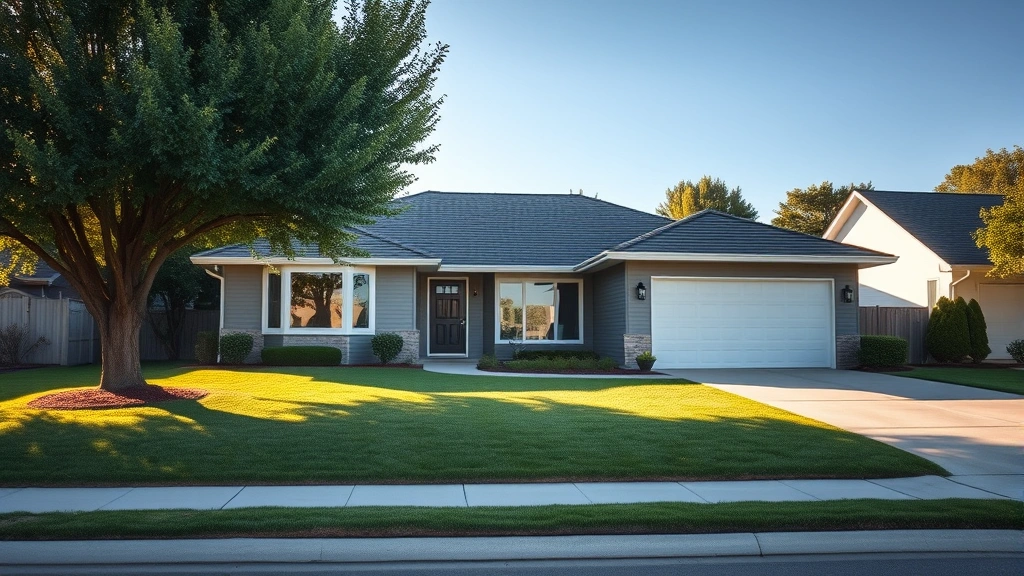
Affordable Homes: Top Picks Under $400K
The real estate market continues to evolve, and finding quality homes under $400,000 has become increasingly achievable for first-time buyers and seasoned investors alike. This comprehensive guide explores the most promising affordable housing opportunities across diverse markets, helping you navigate the complexities of budget-conscious home purchasing while maximizing value and long-term investment potential.
Whether you’re searching for a starter home, a rental property investment, or a downsizing opportunity, properties in the sub-$400K range offer remarkable diversity. From urban condominiums to suburban single-family homes and rural estates, this price point opens doors to numerous possibilities that were previously reserved for higher budgets. Understanding market trends, financing options, and strategic location selection becomes essential when shopping in this competitive segment.

Understanding the Sub-$400K Market
The sub-$400K housing segment represents a sweet spot in real estate economics. According to recent data from the National Association of Realtors, this price range captures approximately 35-40% of all residential transactions nationwide, making it the most active segment for home purchases. Properties in this bracket typically offer strong fundamentals: reasonable down payment requirements, accessible mortgage terms, and balanced appreciation potential.
Market dynamics in this segment differ significantly from luxury properties or ultra-affordable housing. Inventory levels remain relatively healthy, competition is moderate to intense depending on location, and buyers generally have more negotiating leverage than they would in premium markets. Understanding these dynamics helps you position yourself as a serious, prepared buyer when opportunities arise.
The average price point of $350,000-$380,000 within this category offers optimal balance. Below $300,000, you may encounter aging infrastructure or less desirable locations. Above $380,000, you’re approaching properties that command premium pricing and face stiffer competition. This middle ground provides the best combination of affordability, quality, and market liquidity.

Top Regional Markets for Affordable Homes
Geographic location dramatically influences what your $400K budget can purchase. Identifying high-value markets requires analyzing both current pricing and appreciation trajectories. The most promising regions for affordable housing combine strong employment growth, population migration patterns, and emerging neighborhood revitalization.
Midwest Growth Corridors: Cities like Indianapolis, Kansas City, and Columbus offer exceptional value. A $400K budget purchases a substantial 3-4 bedroom home with modern amenities in desirable school districts. These markets benefit from lower cost-of-living indices while attracting young professionals and remote workers seeking affordable relocation options.
Southeast Renaissance: Austin, Nashville, Charlotte, and Tampa represent the nation’s fastest-growing metros. While core urban areas exceed $400K budgets, suburban rings and emerging neighborhoods provide excellent opportunities. The Zillow Housing Market Report indicates Southeast properties appreciate 8-12% annually, outpacing national averages.
Mountain West Opportunities: Denver suburbs, Albuquerque, and Boise offer strong fundamentals. These markets attract relocating professionals while maintaining reasonable pricing outside downtown cores. Population growth in these regions supports long-term appreciation.
Secondary Markets: Overlooked cities like Fargo, Des Moines, and Omaha deliver exceptional value with strong local economies. These markets typically feature lower property taxes, minimal competition, and stable appreciation patterns.
Types of Properties Available
Your $400K budget unlocks diverse property types, each with distinct advantages and considerations.
Single-Family Homes: The most common property type, offering privacy, outdoor space, and complete control over modifications. Under $400K, you’ll find well-maintained 3-4 bedroom homes with 1,800-2,400 square feet in most markets. These properties typically appreciate steadily and attract broad buyer interest, ensuring liquidity if you need to sell.
Townhomes and Duplexes: Lower maintenance requirements and reduced property taxes make these attractive for investors and busy professionals. Townhomes in this price range often include modern amenities and HOA-managed common areas. Duplex purchases offer owner-occupancy combined with rental income potential.
Condominiums: Urban and suburban condos under $400K provide lifestyle flexibility and minimal exterior maintenance. However, carefully evaluate HOA fees, reserve fund adequacy, and condo association stability before purchasing. Quality condos in emerging neighborhoods often appreciate faster than single-family homes.
Fixer-Upper Potential: Properties requiring cosmetic or moderate structural updates often sell at 10-20% discounts. If you possess renovation skills or contractor relationships, strategic purchases of homes needing work can generate significant equity gains. Ensure any structural issues are identified and budgeted appropriately.
Multi-Unit Investment Properties: Duplexes, triplexes, and small apartment buildings under $400K generate rental income while building equity. These properties appeal to investors seeking strategic approaches to wealth building through real estate. Calculate cap rates, operating expenses, and tenant demand carefully.
Financing Options and Mortgage Strategies
Securing optimal financing is critical when purchasing homes under $400K. Multiple mortgage products and down payment assistance programs exist specifically for budget-conscious buyers.
Conventional Loans: Standard 30-year mortgages remain the most popular option. With 10-20% down payments, conventional loans offer competitive rates and flexible terms. FHA loans require only 3.5% down, though mortgage insurance adds to monthly costs. Evaluate whether slightly higher monthly payments for larger down payments provide better long-term value.
First-Time Buyer Programs: Most states offer grants, down payment assistance, and tax credits for first-time homebuyers. These programs can reduce required down payments to 0-5%, significantly improving cash flow for owner-occupants. Research your state housing finance agency for available programs.
VA and USDA Loans: Military service members and rural property buyers access specialized financing with zero down payment requirements. These programs dramatically expand purchasing power, allowing military families and agricultural workers to buy properties without substantial savings.
Interest Rate Optimization: In competitive lending markets, shopping multiple lenders can reveal rate differences of 0.25-0.75%, translating to tens of thousands in lifetime interest savings. Use online mortgage marketplaces and contact local credit unions for rate quotes.
Strategic Timing: Seasonal variations affect both interest rates and property availability. Winter months typically feature less competition and more motivated sellers, potentially improving negotiating positions. Conversely, spring markets offer maximum inventory selection.
Investment Potential and ROI
Properties under $400K offer compelling investment mathematics. Unlike premium properties with slower appreciation, mid-market homes historically appreciate 3-5% annually while generating rental income potential.
Appreciation Analysis: A $350,000 property appreciating at 4% annually gains $14,000 in value yearly. Over a 10-year holding period, appreciation alone builds $490,000 in additional equity (before principal paydown). Geographic selection dramatically influences these outcomes; high-growth markets consistently outperform national averages.
Rental Income Potential: Single-family homes under $400K in good condition rent for $1,500-$2,500 monthly depending on location. After mortgage, property taxes, insurance, and maintenance reserves (typically 30-35% of gross rent), positive cash flow ranges from $300-$800 monthly. Multi-unit properties generate proportionally higher returns.
Tax Advantages: Real estate investors benefit from mortgage interest deductions, depreciation write-offs, and property tax deductions. These tax advantages significantly improve after-tax returns compared to other investment vehicles. Consult tax professionals regarding specific benefits applicable to your situation.
Leverage Benefits: Real estate uniquely allows controlling $400,000 assets with $40,000-$80,000 down payments. This leverage amplifies returns; a 4% appreciation gain on $400,000 ($16,000) represents 20-40% returns on invested capital. Few investments match real estate’s leverage efficiency.
Tips for Finding Your Perfect Home
Strategic home searching requires systematic approaches and disciplined decision-making.
Pre-Approval Process: Obtain mortgage pre-approval before house hunting. This demonstrates seriousness to sellers, clarifies your actual budget, and accelerates closing timelines. Pre-approval typically requires minimal documentation and costs nothing.
Neighborhood Research: Beyond property characteristics, evaluate neighborhoods thoroughly. Study crime statistics, school district ratings, employment centers, commute times, and future development plans. The best-priced home in a declining neighborhood rarely appreciates adequately.
Professional Inspections: Never skip professional home inspections. Structural engineers, pest inspectors, and HVAC specialists identify hidden issues that affect long-term costs. A $500 inspection preventing a $20,000 foundation repair investment is exceptional value.
Comparable Market Analysis: Study recent sales of similar properties in target areas. Understanding market trends helps identify underpriced opportunities and avoid overpaying for properties. Real estate agents provide comparative market analyses free of charge.
Future Resale Potential: Even if planning long-term ownership, consider eventual resale appeal. Properties with strong bones, desirable locations, and broad appeal maximize future options. Avoid overly personalized renovations that alienate future buyers.
Negotiation and Closing Strategies
Successful home purchases depend on effective negotiation and smooth closing processes.
Strategic Offers: Research recent negotiations in your target market. Understanding typical offer patterns, contingencies, and closing timelines positions you competitively. Multiple offer situations require aggressive positioning, while slower markets allow more conservative approaches.
Contingency Planning: Standard contingencies include inspection, financing, and appraisal protections. Balance buyer protection with seller appeal; excessive contingencies reduce offer competitiveness. However, never waive critical protections for marginal price reductions.
Closing Cost Management: Closing costs typically range from 2-5% of purchase price. Negotiate whether sellers cover portions of these costs; this reduces required cash at closing while maintaining purchase price discipline. Request detailed closing cost estimates early to avoid surprises.
Title and Insurance: Verify clear title through title company searches. Purchase homeowners insurance before closing; lenders require proof of coverage. Shop insurance quotes aggressively; premiums vary significantly between providers for identical coverage.
Final Walkthrough: Conduct final property walkthrough 24 hours before closing. Verify agreed repairs completed, property condition unchanged, and included items present. This prevents post-closing disputes.
FAQ
What down payment is required for homes under $400K?
Down payment requirements range from 0% (VA/USDA loans) to 20% for conventional loans without mortgage insurance. Most first-time buyers use FHA loans requiring 3.5% down or conventional loans with 5-10% down. First-time buyer assistance programs often reduce required down payments to 3-5%. Larger down payments reduce monthly payments and eliminate mortgage insurance.
Which markets offer best value for $400K budgets?
Midwest cities (Indianapolis, Kansas City), Southeast growth markets (Charlotte, Nashville, Austin suburbs), and Mountain West regions (Denver suburbs, Boise) consistently offer exceptional value. These markets combine affordability with strong employment growth and population migration trends. Research specific neighborhoods within these regions rather than assuming entire cities offer equal value.
Should I buy investment properties or primary residences under $400K?
Both strategies work depending on personal circumstances. Primary residences build equity while providing housing, though appreciation may lag investment properties. Investment properties generate rental income and leverage benefits but require management expertise. Many investors pursue both strategies simultaneously, living in one property while renting others.
How do I avoid overpaying for homes under $400K?
Obtain pre-approval, conduct professional inspections, research comparable sales, and understand market conditions before making offers. Avoid emotional decision-making and bidding wars. Work with experienced agents who understand local market dynamics. Patience often rewards buyers; waiting for slightly better opportunities prevents premium pricing mistakes.
What ongoing costs should I budget beyond mortgage payments?
Property taxes, homeowners insurance, HOA fees (if applicable), maintenance reserves (typically 1% of property value annually), and utilities. Total these costs before purchasing; they often equal or exceed mortgage payments. Properties under $400K in expensive areas may have disproportionately high taxes, reducing affordability advantages.
Are sub-$400K properties good long-term investments?
Absolutely. Mid-market properties historically appreciate 3-5% annually while offering superior rental income potential compared to premium properties. Strong employment markets and population growth areas consistently outperform expectations. Geographic selection matters more than price point; excellent $300K properties in growing markets outperform mediocre $400K properties in declining areas.