Top Honey Containers? Buyer’s Guide 2023
The honey container market has evolved dramatically over the past few years, driven by increasing consumer demand for premium packaging, sustainability concerns, and the explosive growth of artisanal honey producers. Whether you’re a beekeeper, small-batch producer, or e-commerce business owner looking to stock quality honey containers, understanding your options is essential for protecting product quality, enhancing brand appeal, and maximizing profitability. This comprehensive buyer’s guide explores the best honey containers available in 2023, examining materials, sizes, functionality, and value propositions to help you make informed purchasing decisions.
The global honey packaging market is experiencing significant growth, with consumers increasingly willing to pay premium prices for products housed in attractive, functional containers. According to recent market research, the honey packaging segment is expected to maintain double-digit annual growth through 2028, driven by the rise of e-commerce sales, demand for eco-friendly materials, and the premiumization trend in specialty foods. If you’re planning to build an e-commerce site focused on honey or specialty food products, selecting the right containers is a critical first step that directly impacts customer satisfaction and repeat purchases.
Glass Honey Containers: Premium Quality and Sustainability
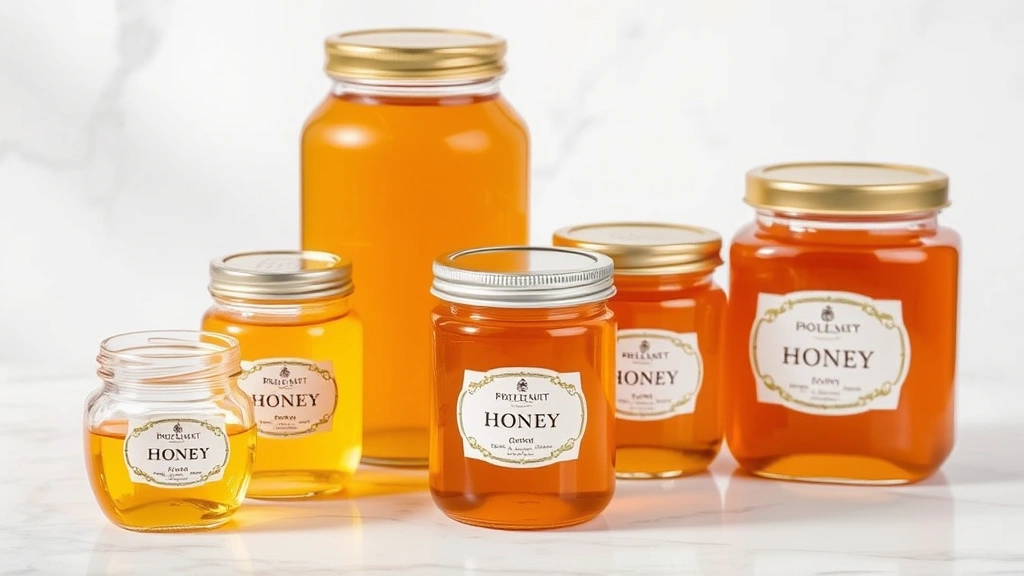
Glass remains the gold standard for honey packaging, and for good reason. Glass containers preserve honey’s integrity, maintain flavor profiles, and project an image of quality and authenticity that resonates strongly with premium market segments. Glass is chemically inert, meaning it doesn’t interact with honey’s natural compounds, ensuring long-term stability and preventing any off-flavors or contamination risks. For producers marketing artisanal, raw, or specialty honey varieties, glass packaging communicates craftsmanship and premium positioning.
When evaluating glass containers, consider these key specifications: amber or dark glass options provide UV protection, which is critical for honey preservation; clear glass offers visual appeal and allows customers to assess product quality; and glass thickness impacts durability and perceived value. Popular sizes range from 4-ounce jars for gift sets to 32-ounce containers for household use. The average cost per unit ranges from $0.50 to $2.00 depending on volume, design complexity, and customization options. Many glass containers come with threaded lids, tamper-evident seals, and customizable labels, making them ideal for branded retail products.
The sustainability factor cannot be overstated. Glass is infinitely recyclable, appeals to environmentally conscious consumers, and commands premium pricing in markets where sustainability matters. If you’re developing e-commerce marketing strategies around honey products, emphasizing glass packaging and recyclability can differentiate your brand and justify higher price points. Leading manufacturers like Gerresheimer, Verallia, and O-I Glass supply premium glass containers to major honey brands worldwide.
Plastic Honey Bottles: Cost-Effective and Convenient
Plastic containers dominate the mass-market honey segment due to their affordability, durability, and convenience. High-density polyethylene (HDPE) and polypropylene (PP) are the preferred materials, offering excellent barrier properties that protect honey from moisture and oxidation. Plastic containers are lightweight, reducing shipping costs significantly compared to glass, which is a substantial consideration for e-commerce operations managing inventory management across multiple fulfillment centers.
Plastic honey bottles typically cost $0.15 to $0.80 per unit at volume, making them accessible for businesses with tighter margins or those competing on price. Popular configurations include squeeze bottles with flip-top caps, wide-mouth jars for easy filling and scooping, and innovative designs featuring pour spouts or measurement markings. The challenge with plastic is perception—many consumers associate plastic packaging with lower quality, though this stigma is gradually diminishing as manufacturers develop more sophisticated designs and sustainable plastic alternatives.
Biodegradable and recycled plastic options are gaining market share. Companies like Footprint and Notpla offer compostable packaging made from plant-based materials, addressing environmental concerns while maintaining cost efficiency. If sustainability messaging is central to your brand positioning, these alternatives merit serious consideration, particularly when targeting younger demographics and eco-conscious consumer segments.
Squeeze Bottles and Dispensers: User-Friendly Solutions
Squeeze bottles and dispensing containers represent a significant innovation in honey packaging, addressing the perennial consumer complaint about honey’s viscosity and difficulty dispensing. These specialized containers feature ergonomic designs that allow precise portion control and mess-free application. Silicone squeeze bottles, in particular, have gained popularity due to their durability, ease of cleaning, and aesthetic appeal.
Honey bears—those iconic squeeze bottles shaped like bears—remain bestsellers in retail environments, though they’re increasingly viewed as entry-level products. Premium squeeze bottle designs from manufacturers like Bramleys and Kilner offer sophisticated aesthetics suitable for gift sets and specialty markets. Dispenser bottles with measured spouts or pump mechanisms cater to commercial applications and foodservice settings where portion control and hygiene are paramount.
The user experience advantage of squeeze bottles directly impacts customer satisfaction and repeat purchases. Consumers appreciate the convenience, which can justify a 15-30% price premium over traditional jars. When managing product listings across multiple e-commerce platforms for small businesses, highlighting the ease-of-use benefits of squeeze bottles can significantly boost conversion rates and reduce return complaints related to dispensing difficulties.
Bulk and Commercial Containers: For Producers and Retailers
Honey producers, wholesalers, and retailers require different container solutions than consumer-facing retail products. Bulk containers range from 5-gallon pails to 55-gallon drums, with specialized designs featuring spigots for easy dispensing and stackable features for efficient warehouse management. These containers are typically made from food-grade plastic or stainless steel and cost significantly less per unit of honey stored.
Intermediate bulk containers (IBCs) have become standard in commercial honey operations, offering 275-gallon capacity with pallet-compatible dimensions. These containers facilitate efficient supply chain operations and reduce per-unit packaging costs to under $0.10 for the container itself. For businesses operating at scale, understanding bulk container specifications, regulatory compliance (FDA food contact surface standards), and logistics considerations is essential.
Commercial honey producers also invest in specialized equipment for filling and sealing operations. Automated filling lines, capping machines, and labeling systems represent significant capital investments but dramatically improve efficiency and consistency. If you’re scaling honey production or launching a wholesale distribution channel, starting with appropriate equipment investments pays dividends through improved margins and operational efficiency.
Specialty and Decorative Containers: Brand Differentiation
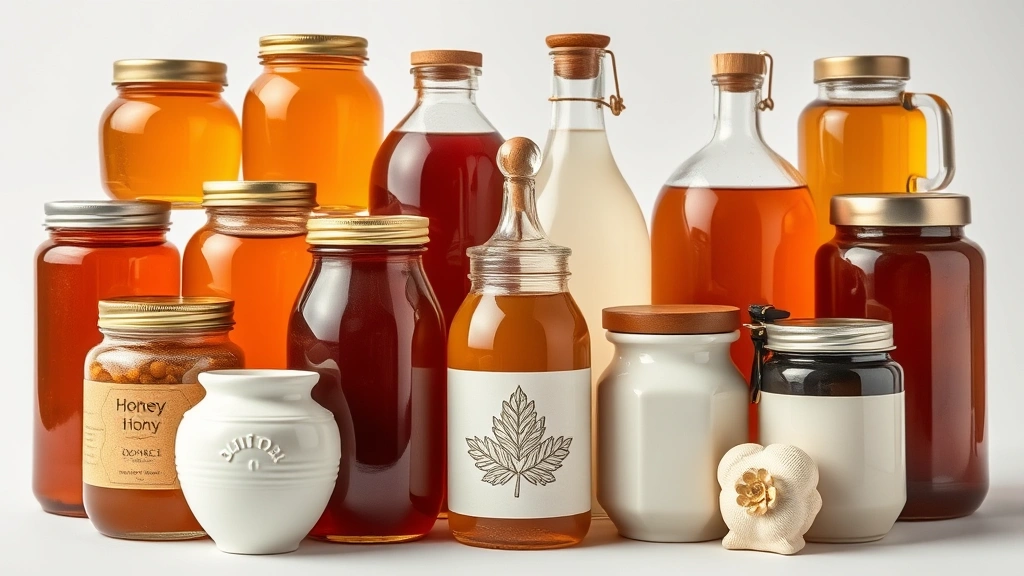
In competitive markets, packaging becomes a critical brand differentiation tool. Specialty containers—hexagonal jars, vintage-style crocks, premium glass designs with embossed logos—command significant price premiums while reinforcing brand identity and perceived quality. Artisanal producers increasingly invest in distinctive packaging that photographs well for social media and creates Instagram-worthy unboxing experiences.
Custom glass containers with embossed or printed branding start at quantities of 1,000+ units but offer exceptional brand reinforcement. These premium options typically cost $1.50 to $4.00 per unit, making them suitable for high-margin products and gift market positioning. Decorative containers also serve secondary purposes—consumers often repurpose attractive honey jars for storage or decoration, extending brand visibility beyond initial purchase.
Limited-edition or seasonal container designs create urgency and collectibility, driving repeat purchases and social sharing. Producers like Really Raw Honey and local beekeeping operations have successfully leveraged distinctive packaging as a core marketing component, commanding 30-50% premiums over commodity honey products. When developing social media management strategies, distinctive packaging provides natural content opportunities and encourages user-generated marketing.
Choosing the Right Container for Your Business
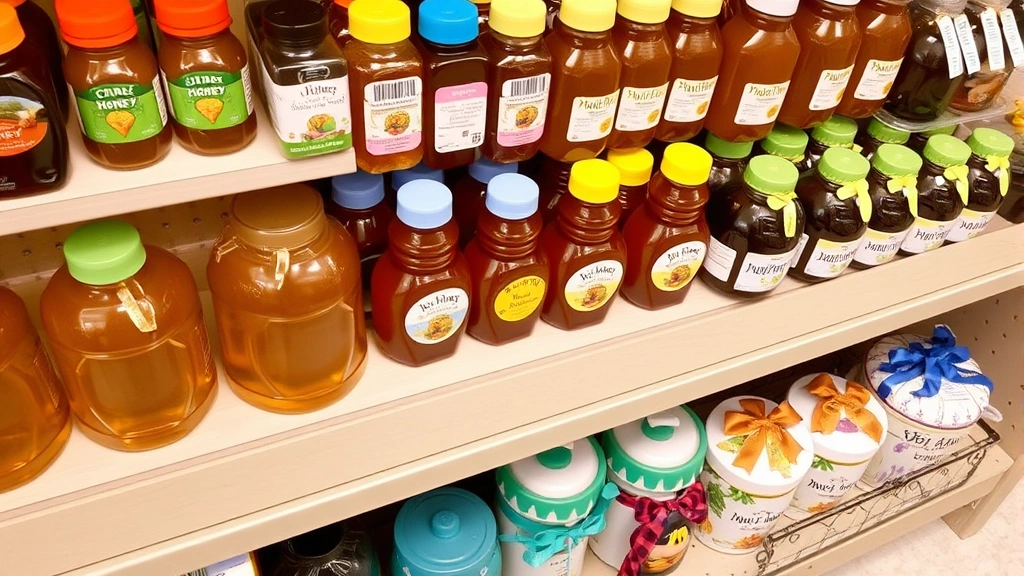
Selecting appropriate honey containers requires balancing multiple competing priorities: product protection, cost efficiency, brand positioning, sustainability alignment, and market expectations. Consider these decision-making frameworks:
For Premium/Artisanal Positioning: Invest in glass containers with custom branding. The higher per-unit cost ($1.00-$3.00) is justified by premium pricing and brand differentiation. Target gift markets, specialty retailers, and direct-to-consumer e-commerce channels where packaging quality directly influences purchase decisions.
For Mass-Market Retail: Plastic squeeze bottles and standard HDPE jars provide optimal cost-value balance. Focus on functional design, clear labeling, and competitive pricing. These products typically compete on price and convenience rather than premium positioning.
For Foodservice/Commercial: Bulk containers with dispensing features minimize packaging waste and labor costs. Standardized sizes compatible with existing equipment streamline operations. Consider stainless steel options for high-volume operations requiring maximum durability.
For Sustainability-Focused Brands: Prioritize glass, recycled plastic, or compostable alternatives. Communicate environmental benefits prominently in product descriptions and marketing materials. These consumers willingly pay premiums (20-40%) for aligned packaging choices.
For Gift/Premium Markets: Distinctive containers with decorative elements and multi-pack options. Include premium presentation elements like custom boxes, ribbons, and tasting notes. Container costs are secondary to overall brand experience and perceived value.
Practical implementation considerations include: sourcing lead times (typically 6-12 weeks for custom containers), minimum order quantities (usually 1,000-5,000 units), storage and space requirements, and compatibility with your filling equipment. Request samples from multiple suppliers before committing to large orders. Evaluate containers for label application ease, seal integrity, and customer feedback on opening/dispensing experience.
FAQ
What size honey container is most popular for retail sales?
The 12-ounce glass jar represents the most common retail size, offering a balance between perceived value and price point. However, 8-ounce and 16-ounce sizes are also strong sellers. Squeeze bottles typically range from 10-16 ounces. Consumer preferences vary by market segment—gift markets favor smaller decorative containers (4-6 oz), while value-conscious buyers prefer larger 32-ounce containers offering better per-ounce pricing.
Are plastic honey containers food-safe?
Yes, food-grade plastic containers (HDPE, PP) are FDA-approved for honey storage and meet all food contact surface regulations. Ensure containers are specifically labeled as food-grade and BPA-free. Glass containers offer superior chemical inertness, but quality plastic containers provide adequate protection for long-term honey storage when properly sealed.
How do I source honey containers at wholesale prices?
Contact packaging suppliers directly through platforms like Alibaba, Global Sources, or industry directories. Domestic suppliers include Berlin Packaging, Uline, and Container and Packaging Supply. Request quotes for your specific volume requirements and compare pricing, lead times, and minimum orders. Expect per-unit costs to decrease 30-50% when moving from 1,000 to 10,000+ unit quantities.
What labeling options work best for honey containers?
Pressure-sensitive labels are most common for glass and plastic containers, offering flexibility and cost efficiency. Tamper-evident labels add consumer trust and regulatory compliance. Embossed or screen-printed branding on glass containers provides premium aesthetics but requires larger minimum orders. Ensure labels clearly display nutritional information, origin, certifications, and your contact information.
Can I customize honey containers with my brand logo?
Yes, most manufacturers offer customization starting at 1,000-5,000 unit minimums. Options include embossing, screen printing, label application, and custom cap colors. Customization costs typically add $0.10-$0.50 per unit depending on complexity. Plan 8-12 week lead times for custom orders and request samples for approval before full production.
Which container material best preserves honey quality?
Glass is superior for long-term honey preservation due to its inert properties and superior barrier characteristics. However, quality food-grade plastic containers (HDPE with proper sealing) adequately protect honey for 1-2 years. Amber glass provides optimal protection by blocking UV light that can degrade honey quality and color over time.