Where to Find Used Vending Machines? Buyer Tips
The vending machine industry represents a significant opportunity for entrepreneurs seeking passive income streams and business diversification. Whether you’re launching your first vending operation or expanding an existing portfolio, sourcing quality used vending machines for sale requires strategic planning, market knowledge, and careful due diligence. Unlike purchasing new equipment that carries premium pricing, buying used machines can reduce your initial capital investment by 40-60% while still delivering reliable revenue generation.
The secondary market for vending machines has grown substantially over the past five years, driven by business closures, equipment upgrades, and entrepreneurs exiting the industry. This creates unprecedented opportunities for savvy buyers who understand where to look, what to inspect, and how to negotiate fair prices. This comprehensive guide walks you through proven sourcing channels, essential evaluation criteria, and negotiation strategies that will position you as an informed, confident buyer in the used vending machine marketplace.
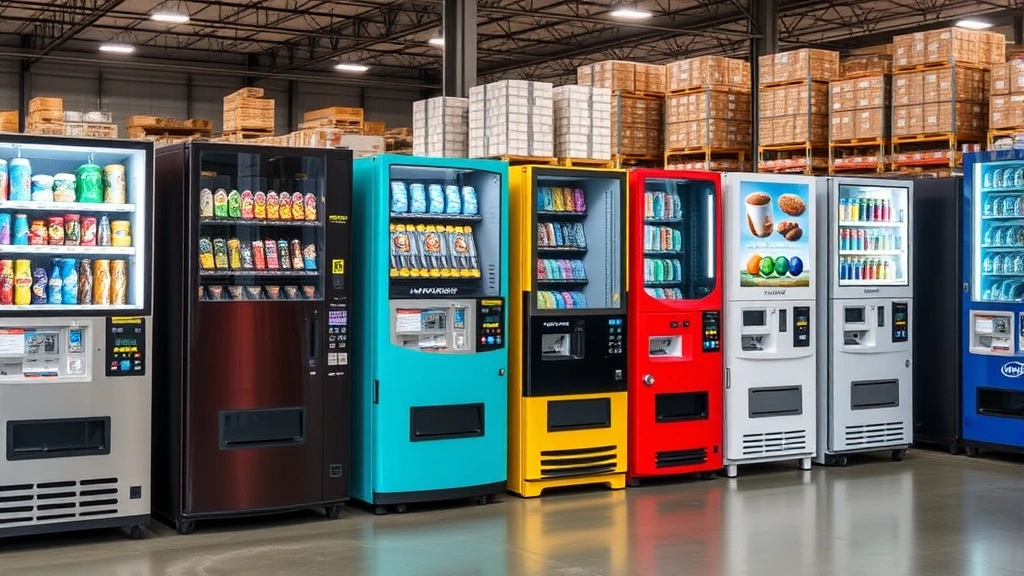
Online Marketplaces and Dedicated Platforms
Digital marketplaces have revolutionized how buyers discover used vending machines, providing access to inventory across regional and national markets. Craigslist remains a primary resource for local machine sales, allowing you to filter by geography and price point. Search major metropolitan areas where business turnover is highest, as urban markets typically offer greater selection and competitive pricing.
eBay’s commercial equipment section features extensive vending machine listings from both private sellers and commercial dealers. The platform’s buyer protection policies and feedback systems provide valuable security, though shipping costs for heavy equipment can be substantial. Facebook Marketplace has emerged as another significant channel, particularly for regional transactions where sellers and buyers can arrange local pickups without shipping complications.
Specialized vending industry platforms like VendingMarketwatch and National Vending Association member directories connect you directly with established dealers and reputable sellers. These platforms often feature detailed equipment specifications, maintenance histories, and certification information that casual marketplaces lack. Membership-based communities and industry forums provide additional sourcing opportunities and peer recommendations for trustworthy sellers.
Local Auctions and Estate Sales
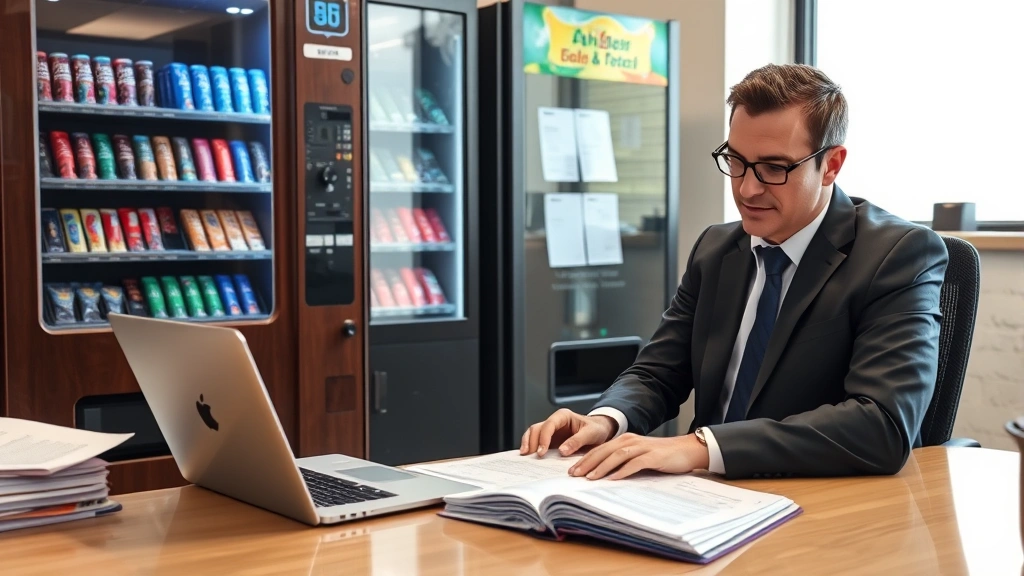
Business liquidation auctions represent treasure troves for used vending equipment. When restaurants, convenience stores, gyms, or laundromats close operations, their vending machines frequently enter auction channels. Websites like AuctionZip aggregate local and regional auctions, allowing you to set notifications for equipment sales in your target areas.
Government surplus auctions occasionally feature vending machines from federal agencies, state institutions, and municipal facilities. These auctions typically emphasize transparency and competitive bidding, though equipment condition varies widely. Estate sales associated with business owners’ retirement or relocation often include vending equipment at reasonable prices, as liquidators prioritize quick clearing over maximum profit.
Attending auctions in person provides critical advantages: you can physically inspect machines, test functionality, and assess actual condition rather than relying on photos or descriptions. Pre-auction viewing periods allow hands-on evaluation before competitive bidding begins. Building relationships with local auctioneers generates advance notice of upcoming equipment sales and sometimes access to pre-auction negotiations.
Vending Machine Distributors and Wholesalers
Established vending distributors and wholesalers maintain inventory of refurbished and used machines, often with warranty protections and technical support. Unlike individual sellers, professional distributors typically service and test equipment before resale, reducing your risk of purchasing non-functional machines. This represents a meaningful advantage when evaluating used vending machines for sale from commercial sources.
Regional vending machine companies frequently upgrade their fleets and sell older models at competitive prices. These businesses understand equipment specifications intimately and can provide detailed operational history, maintenance records, and realistic performance expectations. Building relationships with local vending operators sometimes leads to direct purchase opportunities or referrals to retiring business owners.
National wholesalers operating through multiple locations offer standardized pricing, documented refurbishment processes, and logistical support. While prices may exceed private sales, the added value of warranties, technical support, and guaranteed functionality justifies the premium for risk-averse buyers. Many wholesalers offer financing options, making larger initial investments more manageable.
Similar to how businesses evaluate e-commerce platforms for operational efficiency, assessing vending distributors requires comparing their service infrastructure, warranty terms, and ongoing support capabilities. Reputable distributors function as long-term partners, not just transaction facilitators.
Evaluating Machine Condition and Functionality
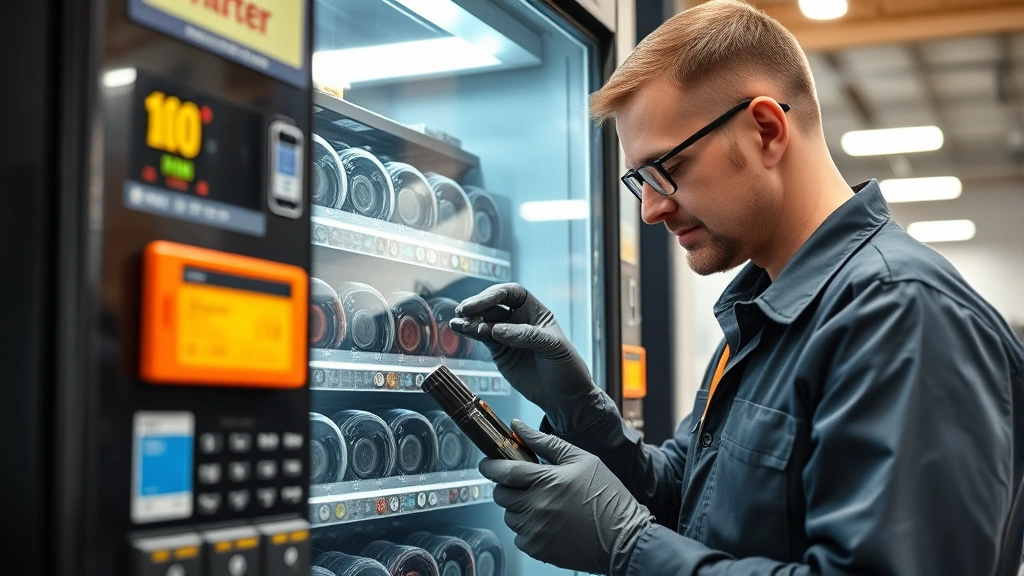
Thorough inspection separates successful vending investments from costly mistakes. Begin by examining the exterior for rust, dents, broken glass, and structural damage that affects appearance and customer perception. Interior condition assessment includes checking coin mechanisms, bill validators, product dispensing systems, and cooling/refrigeration components.
Request detailed service records documenting maintenance history, repair frequency, and parts replacement. Machines with comprehensive documentation typically indicate professional operation and proper maintenance. Test all functionality: insert coins, operate buttons, verify dispensing mechanisms, and confirm refrigeration temperatures if applicable. Electrical systems must comply with current safety standards, particularly regarding grounding and cord conditions.
Obtain the machine’s age and original manufacturer specifications. Newer models typically feature improved reliability, digital payment capabilities, and better energy efficiency compared to machines manufactured over ten years ago. Verify that parts remain available through distributors, as obsolete machines become liabilities when repairs become necessary.
Ask sellers directly about revenue history if available. Machines installed in high-traffic locations with documented sales data provide valuable benchmarking information. However, recognize that historical performance doesn’t guarantee future results—location quality matters far more than machine condition alone when projecting revenue potential.
Negotiation Strategies and Pricing
Understanding fair market pricing requires researching comparable machines across multiple channels. Document pricing patterns by machine type, age, condition, and included features. This market intelligence informs your negotiation parameters and prevents overpaying relative to actual value.
Condition assessment findings directly impact negotiation leverage. If inspections reveal repairs needed—refrigeration servicing, coin mechanism repairs, or cosmetic restoration—request price reductions reflecting repair costs. Professional repair estimates provide concrete data supporting your negotiation position.
Bundle negotiations when purchasing multiple machines from the same seller. Volume discounts are standard practice and can reduce per-unit costs significantly. Sellers appreciate consolidated transactions that reduce administrative burden and logistics complexity.
Timing influences negotiation outcomes. Sellers facing deadline pressure—business closures, facility relocations, or seasonal business changes—often accept reduced prices to liquidate inventory quickly. Conversely, popular seasonal periods may strengthen sellers’ negotiating positions due to increased demand.
Payment method flexibility sometimes creates negotiation opportunities. Offering cash payment or immediate settlement may justify price reductions compared to financing arrangements. However, never compromise on equipment inspection or professional evaluation simply to secure modest price advantages.
Just as B2B sales require strategic relationship management, vending machine negotiations benefit from respectful, professional communication. Building rapport with sellers occasionally generates additional concessions, referrals, or ongoing business opportunities.
Transportation and Logistics Planning
Vending machines present significant transportation challenges due to weight, dimensions, and fragility. Standard upright machines weigh 400-800 pounds, requiring specialized equipment and careful handling. Budget transportation costs ranging from $200-$1,500 per machine depending on distance and accessibility.
Arrange professional moving services experienced with commercial equipment rather than attempting DIY transport. Improper handling damages machines, voids warranties, and creates liability exposure. Ensure transportation includes appropriate insurance coverage protecting against damage during transit.
Coordinate delivery timing with location preparation. Venues must be ready to accommodate machines immediately upon arrival, including electrical outlet access, securing placement, and initial stocking. Delayed delivery creates operational inefficiencies and extends your capital recovery timeline.
Document machine condition before and after transportation through photographs and written records. This protects your interests if shipping damage occurs and supports insurance claims when necessary. Request that sellers include original packaging materials if machines haven’t been moved recently.
Legal and Compliance Considerations
Vending operations require compliance with local licensing, health regulations, and operational permits. Before purchasing machines, verify specific requirements in your target locations. Some jurisdictions mandate health permits for food/beverage machines, while others regulate gaming or lottery-based vending equipment.
Obtain clear title documentation for used machines. Legitimate sellers provide bill of sale or equipment documentation confirming ownership and transfer rights. Avoid machines with unclear ownership history or sellers unwilling to provide straightforward documentation.
Review location agreements carefully before installing machines. Venue operators may require revenue sharing arrangements, insurance specifications, or equipment maintenance standards. Clarify these terms before committing to machine purchases, as unfavorable agreements diminish profitability regardless of equipment quality.
Insurance requirements vary by jurisdiction and equipment type. Comprehensive coverage protecting against theft, vandalism, and mechanical failure is essential. Consult with commercial insurance providers to understand specific requirements for your vending operation.
Seasonal promotions like Boxing Day sales sometimes feature commercial equipment at attractive prices. However, ensure purchases comply with all legal requirements regardless of promotional timing or pricing advantages.
Consider ADA compliance if machines will be in public facilities. Accessibility standards may require specific placement, height adjustments, or interface modifications. Understanding these requirements prevents costly retrofitting after installation.
FAQ
What is the average cost of used vending machines?
Used vending machines typically range from $500-$3,000 depending on type, age, and condition. Snack machines generally cost less than beverage or specialty machines. Refurbished machines from professional distributors command premium prices but include warranties and testing documentation.
How do I verify that a used vending machine works properly?
Request comprehensive testing before purchase. Test coin mechanisms, bill validators, product dispensing, temperature controls (if applicable), and electrical systems. Obtain service records documenting recent maintenance. Ask sellers to demonstrate functionality or provide video documentation if in-person inspection isn’t possible.
What should I look for when inspecting a used machine?
Examine exterior condition for rust and damage, verify interior cleanliness and functionality, confirm refrigeration performance if applicable, check electrical safety compliance, review service history documentation, and assess cosmetic condition affecting customer perception. Test all mechanical and electrical components thoroughly.
Are there financing options for purchasing used vending machines?
Many vending distributors and equipment financing companies offer payment plans for used equipment purchases. Commercial loans and equipment financing typically require business plans, revenue projections, and credit qualification. Some sellers offer owner financing, particularly for multi-machine purchases.
How much revenue can I expect from a used vending machine?
Revenue varies dramatically based on location, machine type, product selection, and customer base. High-traffic locations generate $200-$400 monthly per machine, while lower-traffic venues produce $50-$150 monthly. Location quality matters far more than equipment age or condition.
What are common problems with older vending machines?
Aging machines often experience coin mechanism failures, refrigeration inefficiency, electrical component deterioration, and cosmetic wear affecting customer confidence. Parts availability becomes problematic for machines over 15 years old. Repair costs can exceed machine value, making older equipment risky investments.
Should I buy from private sellers or commercial distributors?
Private sellers offer lower prices but minimal warranty protection and less documentation. Commercial distributors provide refurbished machines, warranties, and technical support at premium prices. Your choice depends on budget, risk tolerance, and desired service support. First-time buyers benefit from distributor relationships despite higher costs.