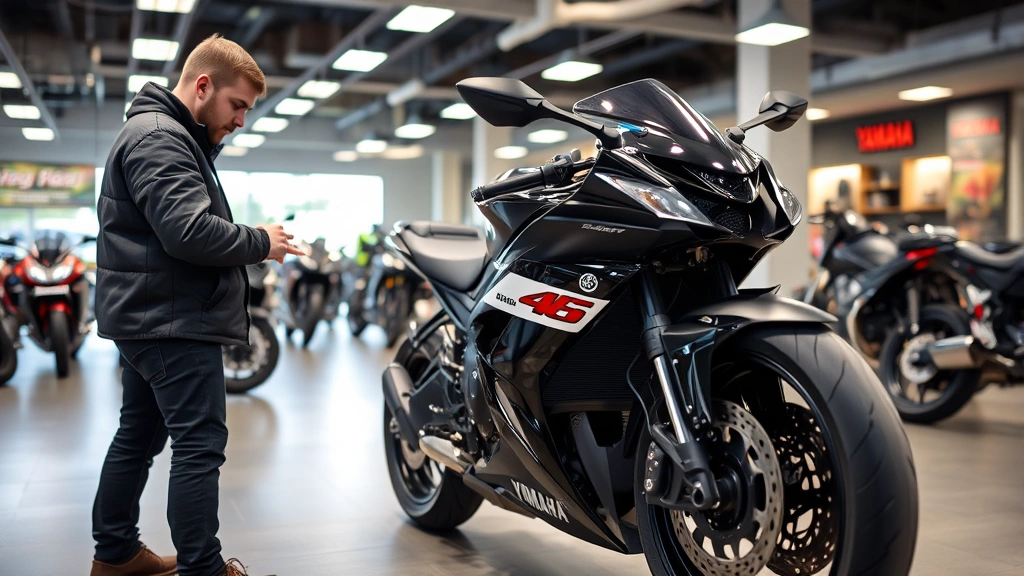
The Yamaha R6 remains one of the most sought-after middleweight sport bikes in the motorcycle market, combining aggressive styling with reliable performance and affordable pricing compared to larger displacement rivals. Whether you’re a first-time motorcycle buyer or an experienced rider looking to upgrade, finding the right Yamaha R6 for sale requires understanding market dynamics, pricing trends, and evaluation criteria that separate quality purchases from costly mistakes.
The R6 has maintained its reputation since its 1999 debut as a track-capable machine that delivers genuine racing pedigree in a package accessible to everyday riders. Today’s used R6 market offers exceptional value, with models ranging from early 2000s examples to recent generations, each presenting different advantages and considerations. This comprehensive buyer’s guide walks you through the essential steps to find, evaluate, and negotiate the best Yamaha R6 for your needs and budget.
Understanding Yamaha R6 Market Dynamics
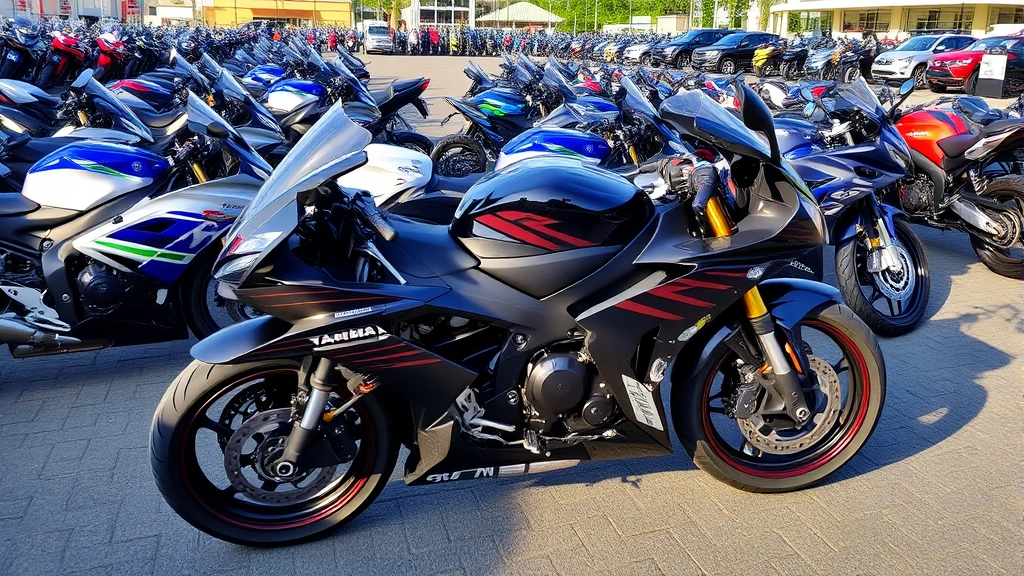
The Yamaha R6 occupies a unique position in the motorcycle marketplace, bridging the gap between beginner-friendly middleweight bikes and professional-grade superbikes. Its 599cc four-cylinder engine produces approximately 120 horsepower in modern iterations, making it powerful enough for experienced riders yet manageable for those developing their skills. Understanding these market dynamics helps you make informed decisions when shopping for one.
Market demand for used R6 models fluctuates based on several factors including motorcycle season, fuel prices, economic conditions, and the release of newer competing models. Spring and early summer typically see increased demand and higher prices as riders prepare for riding season, while winter months often present better bargaining opportunities. The R6’s consistent popularity means you’ll find numerous listings across multiple platforms, but this abundance requires careful filtering to identify quality opportunities.
Pricing for used Yamaha R6 motorcycles varies significantly based on model year, mileage, condition, and market location. A well-maintained 2015-2017 model typically ranges from $5,500 to $7,500, while newer 2020-2023 examples command $8,500 to $12,000 depending on miles and condition. Older models from 2008-2012 can be found between $3,500 and $5,500, offering budget-conscious buyers entry points into R6 ownership. Understanding these price ranges prevents you from overpaying and helps identify underpriced opportunities that warrant closer inspection.
Where to Find Yamaha R6 Motorcycles for Sale
Multiple channels exist for locating Yamaha R6 motorcycles, each with distinct advantages and considerations for buyers. Understanding where to search maximizes your chances of finding the right bike at the right price.
Online Marketplaces and Classified Platforms
Digital platforms have revolutionized motorcycle shopping, offering unprecedented access to listings across geographic regions. Facebook Marketplace provides community-focused selling where local sellers often price competitively and facilitate direct communication. Craigslist remains popular for regional searches, though buyers must exercise caution regarding scams and verify seller legitimacy. CycleTrader.com specializes exclusively in motorcycle sales, attracting serious sellers and providing detailed filtering options by model, year, and location.
National platforms like eBay Motors, Autotrader’s motorcycle section, and local classifieds offer extensive inventories with varied seller types ranging from private owners to dealerships. These platforms typically include photos, detailed descriptions, and seller ratings that build confidence in purchase decisions. When using online marketplaces, establish saved searches with specific criteria to receive notifications when matching R6 listings appear, ensuring you don’t miss competitive opportunities.
Authorized Dealerships and Certified Used Programs
Yamaha dealerships frequently maintain used inventory including R6 models, often with certified pre-owned programs that provide warranties and documented service histories. While dealership prices typically exceed private sales by 10-15%, the added security, warranty coverage, and professional inspection justify premiums for risk-averse buyers. Many dealerships offer financing options and trade-in allowances that simplify transactions and provide additional value.
Independent Motorcycle Shops and Specialists
Independent motorcycle dealers often maintain curated used inventories and possess deep mechanical expertise. These shops typically inspect bikes thoroughly before sale and stand behind their offerings with informal warranties or service guarantees. Developing relationships with local shops provides access to inventory before public listing and opportunities for negotiation on pricing and service packages.
Private Sellers and Individual Transactions
Private sales typically offer the lowest prices as sellers avoid dealership overhead and profit margins. However, private transactions require thorough due diligence including pre-purchase inspections, title verification, and careful evaluation of mechanical condition. Meeting sellers in neutral locations, bringing a trusted mechanic for inspections, and requesting comprehensive maintenance records mitigates risks inherent in private sales.
Evaluating Mechanical Condition and History
Regardless of where you find a Yamaha R6 for sale, comprehensive mechanical evaluation separates smart purchases from expensive mistakes. Developing systematic inspection procedures protects your investment and identifies potential issues before committing to purchase.
Visual Inspection Protocol
Begin with methodical visual examination of the entire motorcycle. Inspect the frame for cracks, welds, or bending that indicate crash history or improper repair. Examine bodywork for mismatched paint, overspray, or panel gaps suggesting collision damage and amateur repairs. Check the engine for oil leaks around gaskets, seals, and the crankcase, which indicate worn internal components or neglected maintenance. Inspect the suspension components including forks, shocks, and linkages for damage, corrosion, or leaking fluid.
Verify that the motorcycle’s appearance matches its claimed mileage—high-mileage bikes should show corresponding wear on handlebars, seat, controls, and grips. Excessive wear inconsistent with mileage claims suggests either unreliable odometer readings or heavy use beyond typical riding patterns. Document all observations with photos for later reference and comparison with other candidates.
Mechanical Testing and Performance Evaluation
Request to start the motorcycle and listen carefully to engine operation. Healthy R6 engines produce a distinctive high-pitched four-cylinder sound without rattles, knocks, or unusual noises. Excessive smoking from exhaust indicates oil burning, suggesting worn piston rings or valve seals requiring expensive rebuilds. Check for smooth idle without stumbling or stalling, which reveals fuel system issues or ignition problems.
Assess throttle response by gradually opening and closing the throttle, confirming smooth acceleration without hesitation or bogging. Test transmission engagement by shifting through all gears while stationary, verifying positive engagement and smooth shifting without grinding. Examine clutch operation for smooth engagement and proper feel without slipping or dragging.
If possible, arrange a test ride on safe roads where you can evaluate braking, handling, and overall performance. Modern R6s should brake smoothly without pulsing or grabbing, handle predictably through corners, and accelerate without hesitation. Pay attention to any vibrations, unusual sounds, or handling anomalies that suggest mechanical issues.
Service History and Documentation
Request complete maintenance records documenting oil changes, filter replacements, brake service, tire changes, and major repairs. Detailed service histories indicate conscientious ownership and reveal whether the motorcycle received timely preventive maintenance. Gaps in service records suggest potential neglect or undocumented repairs using non-OEM parts.
Verify that the motorcycle has undergone recommended major services including valve adjustments (typically every 6,000 miles), coolant flushes, and transmission fluid changes. Neglecting these services indicates potential internal damage and future expensive repairs. Ask specifically about crash history, parts replacements, and any recurring issues the seller experienced.
Professional Pre-Purchase Inspection
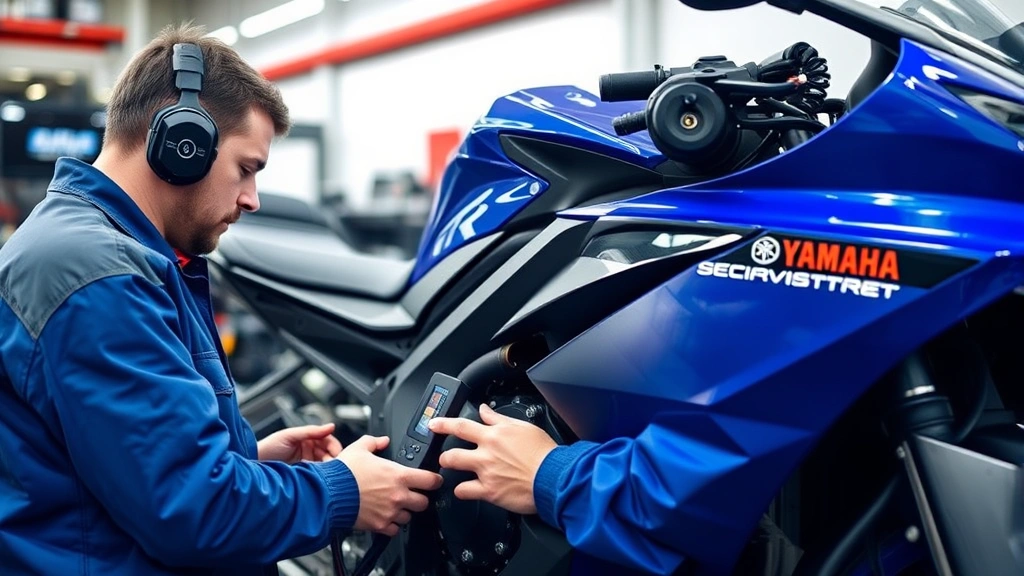
For significant purchases, hiring an independent motorcycle mechanic to perform comprehensive pre-purchase inspection provides professional assessment and documentation. Mechanics examine items beyond casual buyer capability including compression testing, bearing play, transmission internal condition, and electrical system function. While inspections typically cost $100-300, they often identify issues that justify price reductions or elimination from consideration, protecting you from catastrophic purchases.
Pricing Analysis and Negotiation Strategies
Understanding fair market value and employing effective negotiation strategies ensures you pay appropriate prices for Yamaha R6 motorcycles. Research establishes baseline expectations and identifies outliers requiring explanation.
Establishing Fair Market Value
Consult multiple pricing resources including NADA Guides, which provides detailed valuation data based on model year, mileage, and condition ratings. Kelley Blue Book motorcycle section offers similar functionality with market-specific adjustments. Review recent sales of comparable models in your geographic area, noting patterns in pricing relative to mileage and condition.
Document 10-15 comparable listings including asking prices, actual selling prices (when available), mileage, and condition ratings. This dataset reveals whether current listings are competitively priced or inflated relative to market conditions. Identify whether similar bikes are selling quickly or lingering on markets, indicating buyer demand and seller negotiating position.
Negotiation Tactics and Strategies
Begin negotiations by expressing genuine interest while highlighting identified issues or condition concerns. Frame negotiations around specific repairs needed or maintenance due soon, calculating realistic costs for addressing deficiencies. Present comparable listings demonstrating lower prices for similar or superior examples, using data to justify your offer rather than making arbitrary demands.
For private sellers, offer slightly below asking price initially, allowing room for seller counteroffers while demonstrating serious intent. Professional dealerships typically maintain firmer pricing but offer flexibility on warranties, service packages, or included accessories. Timing negotiations strategically—approaching sellers late in the week or during slower market periods—sometimes yields better results as sellers become motivated.
Be prepared to walk away from negotiations that don’t meet your valuation standards. Demonstrating willingness to decline overpriced offerings strengthens your negotiating position and prevents emotional purchases that exceed fair market value. Remember that additional costs including insurance, registration, and potential repairs should factor into your maximum acceptable price.
Documentation and Legal Requirements
Proper documentation protects both buyers and sellers while ensuring legal ownership transfer. Understanding documentation requirements prevents post-purchase complications and disputes.
Title Transfer and Ownership Verification
Verify that the seller holds clear title to the motorcycle before exchanging funds. Request the original title document and verify the seller’s name matches exactly. Check for liens or outstanding loans against the motorcycle by contacting your state’s motor vehicle department or using vehicle history reporting services. Never accept a motorcycle with outstanding liens, as the lender retains ownership rights regardless of your purchase.
Understand your state’s title transfer procedures, which typically require seller signatures, buyer information, and submission to the motor vehicle department. Some states require notarization of title transfers, while others mandate specific forms or odometer disclosures. Research requirements in advance to ensure smooth transitions and avoid delays in registration.
Bill of Sale Documentation
For sale by owner contracts protect both parties by documenting purchase terms, agreed price, condition acknowledgments, and any warranties or representations. While not always legally required, comprehensive bills of sale prevent disputes and provide documentation of legitimate transactions. Include detailed motorcycle identification including VIN, year, model, color, and current mileage to prevent confusion.
Sales Tax and Registration
Sales tax obligations vary by state, with most jurisdictions requiring tax payment on motorcycle purchases. Understand your state’s specific rates and exemptions—some states exempt private sales while others apply sales tax uniformly. Verify registration requirements and ensure the seller provides necessary documentation including proof of previous registration and ownership.
Post-Purchase Considerations
Successfully purchasing a Yamaha R6 represents the beginning rather than the conclusion of your ownership journey. Strategic post-purchase decisions optimize your investment and riding experience.
Insurance and Registration
Secure motorcycle insurance before riding your newly purchased R6, as most states legally require coverage. Obtain quotes from multiple insurers to find competitive premiums—Insurance Journal provides industry analysis and rate comparisons. Register your motorcycle with your state’s motor vehicle department using proper documentation, establishing legal ownership and authorization to operate on public roads.
Maintenance and Service Planning
Establish a preventive maintenance schedule based on the motorcycle’s current mileage and service history. Plan for upcoming major services including valve adjustments, coolant flushes, and transmission fluid changes according to Yamaha’s maintenance guidelines. Budget for regular maintenance including oil changes, filter replacements, and brake service to maintain reliability and resale value.
Customization and Upgrades
Many R6 owners enhance their motorcycles with performance upgrades, aesthetic modifications, or comfort improvements. Prioritize quality aftermarket components from reputable manufacturers and ensure professional installation. Consider how modifications affect warranty coverage, insurance classifications, and future resale appeal before committing to significant changes.
Rider Training and Safety
If you’re new to sport bikes or returning after extended breaks, invest in professional rider training from certified instructors. Yamaha R6s are capable machines requiring proper technique and respect for their performance capabilities. Training builds confidence, develops essential skills, and often qualifies you for insurance discounts that offset course costs.
FAQ
What is the average price for a used Yamaha R6?
Used Yamaha R6 pricing depends heavily on model year and condition. Recent models (2020-2023) typically range from $8,500 to $12,000, while mid-range examples (2015-2019) fall between $6,000 and $8,500. Older bikes (2008-2014) can be found from $3,500 to $5,500. Always compare specific listings in your area to establish accurate local pricing.
How many miles is too many for a used R6?
Well-maintained R6s regularly surpass 50,000 miles without major issues, with some examples reaching 80,000+ miles. Rather than focusing solely on mileage, prioritize service history and maintenance records. A 40,000-mile bike with complete service documentation may be superior to a 25,000-mile example with unknown history.
Should I buy from a dealer or private seller?
Dealers offer warranties, documented service, and legal protections but charge premiums of 10-15% above private sales. Private sellers offer lower prices but require thorough inspection and due diligence. Your choice depends on risk tolerance and budget—conservative buyers benefit from dealer protections while experienced buyers comfortable with inspection can save significantly through private purchases.
What should I look for during a test ride?
Evaluate smooth throttle response, positive gear engagement, braking effectiveness without pulsing, and overall handling balance. Listen for unusual engine noises, assess clutch feel, and verify that all controls function smoothly. Pay attention to vibrations or handling anomalies that suggest mechanical issues.
What common issues affect used Yamaha R6 motorcycles?
Early R6 models (1999-2002) occasionally experience clutch durability issues, while later generations prove generally reliable. Common issues across model years include worn brake pads, tired suspension components, and cosmetic damage from drops or crashes. Valve adjustment neglect causes performance issues, making service history particularly important.
How do I verify a motorcycle’s title is legitimate?
Request the original title document and verify the seller’s name matches exactly. Contact your state’s motor vehicle department to confirm no outstanding liens exist against the motorcycle. Never complete a purchase without clear title verification, as liens allow lenders to reclaim motorcycles regardless of your ownership.
What insurance costs should I expect for an R6?
R6 insurance costs vary based on age, riding experience, location, and coverage levels. Expect annual premiums between $800 and $1,500 for comprehensive coverage on used examples, with newer models potentially costing more. Obtain quotes from multiple insurers before purchasing to ensure insurance costs fit your budget.