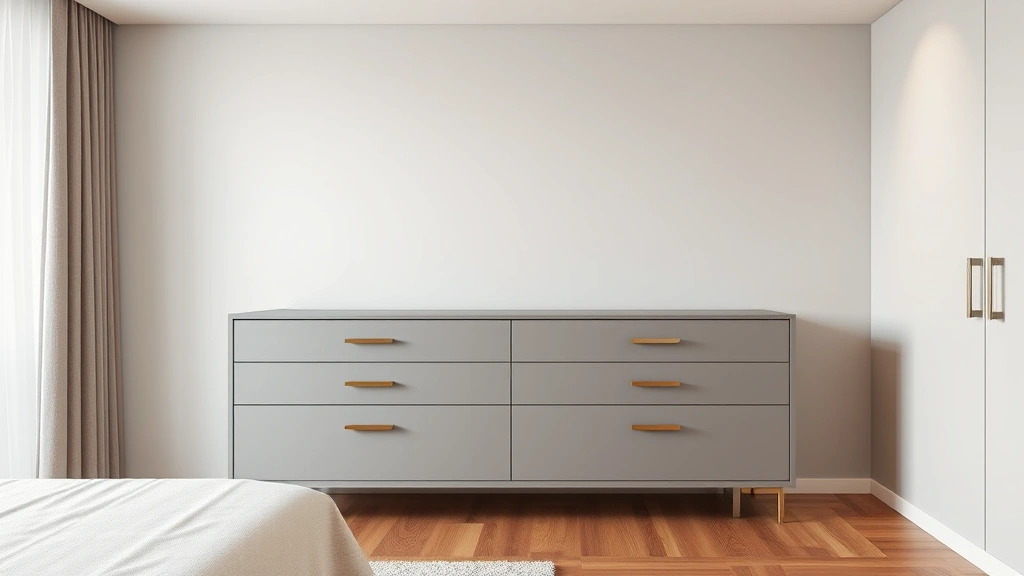
Top Dressers for Sale: Complete Shopping Guide 2023
Finding the perfect dresser for your bedroom doesn’t have to be overwhelming. Whether you’re furnishing a new home, upgrading your bedroom furniture, or searching for budget-friendly options, understanding where and how to shop for dressers in 2023 is essential. This comprehensive guide walks you through everything you need to know about selecting, comparing, and purchasing quality dressers that fit your style, space, and budget.
The furniture market has evolved significantly, with numerous retailers offering diverse dresser styles at various price points. From traditional wooden pieces to modern minimalist designs, the options available today cater to every aesthetic preference and functional need. This guide provides actionable insights to help you make informed decisions when shopping for your next dresser.
Understanding Dresser Types and Styles
Dressers come in numerous configurations, each designed for specific needs and aesthetic preferences. The standard dresser typically features four to six drawers arranged vertically, providing ample storage for clothing and personal items. Dresser styles range from contemporary minimalist designs with clean lines to ornate traditional pieces featuring detailed woodwork and decorative hardware.
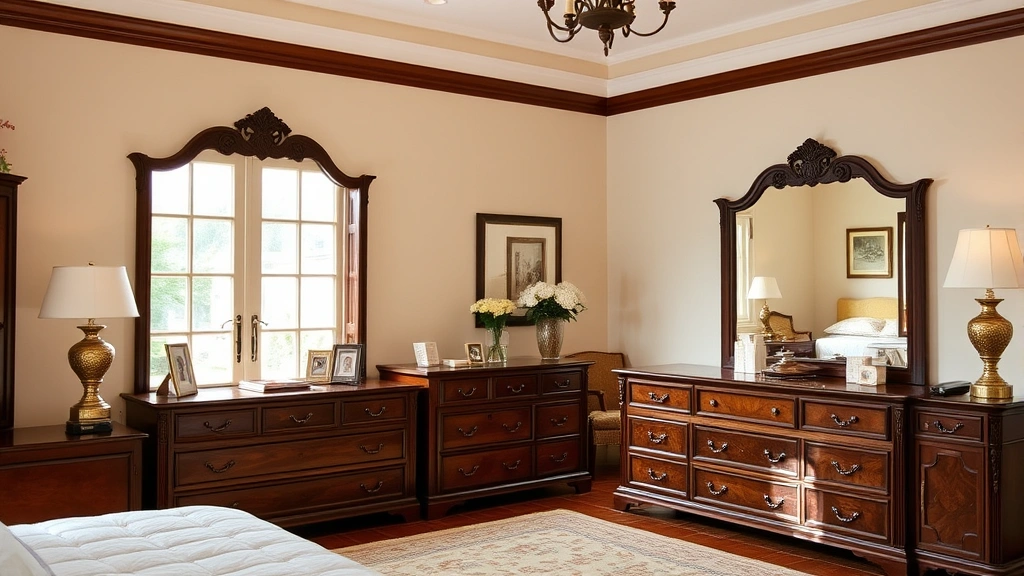
Modern dressers emphasize functionality with sleek finishes, often incorporating materials like engineered wood, metal accents, and neutral color palettes. These pieces work well in contemporary bedrooms and smaller spaces where visual simplicity is preferred. Traditional dressers feature crafted details, solid wood construction, and classic proportions that complement period furniture and classic bedroom designs.
The dresser with mirror combination offers practical dual functionality, combining storage with a reflective surface for grooming and dressing. Low-profile dressers work particularly well in rooms with lower ceilings or those seeking a more grounded aesthetic. Tall dressers or chests maximize vertical storage while maintaining a smaller footprint, ideal for compact bedrooms.
Specialty dressers include lingerie chests with smaller, shallower drawers, media dressers designed to accommodate televisions and electronics, and dresser-nightstand combinations that serve dual purposes in smaller homes. Understanding these options helps you identify pieces that match your specific storage requirements and lifestyle needs.
Where to Find Quality Dressers for Sale
Multiple retail channels offer dressers for sale, each with distinct advantages regarding selection, pricing, and shopping experience. Major furniture retailers like Ashley Furniture, Rooms to Go, and Bob’s Discount Furniture maintain extensive inventories with frequent sales and promotions. These established retailers typically offer delivery services, warranties, and customer support.
Online marketplaces including Amazon, Wayfair, and Overstock provide vast selections with competitive pricing and convenient home delivery. These platforms often feature customer reviews that provide valuable insights into product quality, durability, and satisfaction. Virtual shopping allows you to compare options across brands and price ranges without leaving home.
Department stores such as Macy’s and Bed Bath & Beyond offer curated furniture selections alongside their general merchandise. These retailers frequently run seasonal sales and offer loyalty programs that provide additional discounts.
For budget-conscious shoppers, exploring garage sales near me and yard sales near me this weekend can yield quality used furniture at significant discounts. Local classified ads, Facebook Marketplace, and Craigslist also feature numerous dresser listings from private sellers. These secondhand options often provide solid wood construction at fraction of retail prices.
Specialty furniture boutiques and independent retailers often carry unique, artisan-crafted dressers with distinctive designs unavailable through mass-market channels. While typically higher-priced, these pieces often feature superior craftsmanship and customization options. Local furniture makers and woodworkers can create custom dressers tailored to your exact specifications, materials preferences, and design vision.
During major shopping events like after Christmas sales, Black Friday, and Memorial Day sales, retailers offer substantial discounts on furniture. Timing your purchase strategically around these promotional periods can result in significant savings on quality pieces.
Price Ranges and Budget Considerations
Dresser pricing spans a wide spectrum based on construction quality, materials, brand reputation, and design complexity. Understanding these price tiers helps you identify products that deliver appropriate value for your budget and requirements.
Budget-friendly dressers typically range from $200 to $500 and are usually constructed from engineered wood or particleboard with veneer finishes. These pieces serve functional purposes and work well for temporary furniture needs, rental situations, or secondary bedrooms. While less durable than higher-priced options, budget dressers from reputable manufacturers maintain acceptable quality standards.
Mid-range dressers priced between $500 and $1,200 often feature solid wood frames, better drawer mechanisms, and more refined finishes. These pieces typically offer improved durability and aesthetic appeal, with better drawer glides and hardware. Many mid-range options include coordinating pieces for complete bedroom sets, providing design cohesion.
Premium dressers ranging from $1,200 to $3,000 feature quality hardwood construction, superior craftsmanship, and refined design details. These pieces often include features like dovetail joints, soft-close drawers, and protective finishes. Premium brands maintain higher resale value and offer extended warranties.
Luxury dressers exceeding $3,000 represent high-end furniture with exceptional craftsmanship, rare materials, and designer provenance. These pieces often become heirloom furniture, passed through generations while maintaining structural integrity and aesthetic appeal.
When evaluating price, consider your intended use duration, bedroom aesthetic goals, and available storage needs. Investing in mid-range quality often provides better long-term value than budget options that require replacement within five years.
Measuring and Space Planning
Proper measurement ensures your dresser fits appropriately within your bedroom layout and complements existing furniture. Begin by measuring your available floor space, noting width, depth, and height clearances. Dressers typically range from 30 to 60 inches wide, 16 to 20 inches deep, and 30 to 50 inches tall, though variations exist.
Consider door swing clearance when positioning your dresser, ensuring drawers can open fully without obstruction. Measure doorways and hallways through which your dresser must pass during delivery, accounting for diagonal angles if necessary. A dresser that doesn’t fit through your bedroom door creates expensive delivery complications.
Account for visual proportion within your room. Oversized dressers can overwhelm small bedrooms, while undersized pieces appear insignificant in spacious rooms. Position your dresser to balance the room visually while maintaining functional access to other furniture and floor space.
Consider placement relative to windows, light sources, and wall features. Positioning a dresser with mirror opposite a window maximizes natural light reflection and creates visual spaciousness. Avoid placing dressers where they obstruct heating vents, air conditioning returns, or electrical outlets.
Measure your existing mirror or plan for mirror placement if selecting a dresser without one. Standard dresser mirrors measure 30 to 50 inches wide, projecting 8 to 12 inches from the dresser back. Ensure adequate clearance between mirror and opposite walls or furniture.
Quality Indicators and Materials
Evaluating construction quality helps identify dressers that will withstand years of daily use while maintaining structural integrity and aesthetic appeal. Solid wood construction using hardwoods like oak, cherry, maple, or walnut represents superior durability compared to engineered alternatives. Inspect the dresser’s frame, drawer sides, and back for solid wood rather than veneer or particleboard.
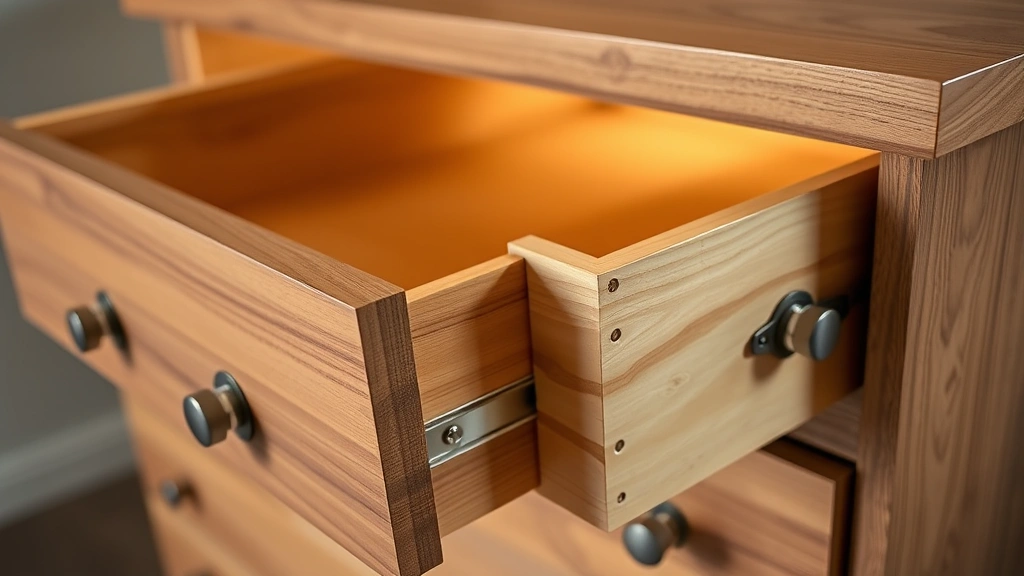
Drawer construction quality significantly impacts long-term functionality. Quality dressers feature dovetail joints connecting drawer sides, providing superior strength compared to stapled or nailed construction. Soft-close drawer mechanisms prevent slamming while extending hardware lifespan. Metal drawer glides operate more smoothly and durably than plastic alternatives.
Finish quality affects both aesthetics and protection. Quality finishes involve multiple coats of stain and sealant, creating depth and durability. Run your hand across the surface—quality finishes feel smooth without sticky spots or rough patches. Examine edge treatments to ensure consistent finish coverage preventing wood exposure.
Hardware quality including handles, knobs, and hinges should feel substantial and operate smoothly. Quality hardware resists tarnishing and maintains functionality through years of use. Inspect how hardware attaches to drawers—quality pieces use bolted or screwed attachment rather than glued-only methods.
Back panel construction varies significantly between quality levels. Budget dressers often feature thin plywood or particleboard backs, while quality pieces include reinforced backs providing structural support and preventing racking (tilting or warping). Solid back panels also prevent dust accumulation inside drawers.
Check for leveling feet or adjustable legs that accommodate uneven floors while protecting flooring surfaces. Quality dressers include these features, preventing wobbling and uneven wear on floors. Inspect the overall structure for symmetry, checking that the dresser sits level without rocking.
Shopping Strategies for Best Value
Implementing strategic shopping approaches helps maximize value when purchasing dressers. Compare total cost of ownership rather than focusing solely on purchase price. Factor in delivery fees, assembly costs, warranty coverage, and expected lifespan. A higher-priced dresser with free delivery and five-year warranty may provide better value than a cheaper option with expensive delivery and limited warranty.
Time your purchases strategically around major sales events. Retailers typically offer deepest discounts during Black Friday, Cyber Monday, Memorial Day, and Labor Day. End-of-season clearance sales, particularly in late August and January, provide significant savings on discontinued styles. Subscribe to retailer newsletters to receive advance notice of upcoming sales and exclusive promotions.
Bundle purchases for additional discounts. Many retailers offer percentage discounts when purchasing bedroom sets or multiple furniture pieces. Buying a matching nightstand, bed frame, or dresser mirror alongside your primary dresser often qualifies for promotional pricing unavailable for individual items.
Leverage price matching policies available at many major retailers. If you find the same dresser at a lower price elsewhere, many stores will match that price, eliminating the need to shop competitors. Confirm specific policy details including timeframes and restrictions before shopping.
Utilize coupons and promotional codes from online retailers and furniture stores. Websites like RetailMeNot, manufacturer websites, and email newsletters frequently distribute codes providing 10-20% discounts on furniture purchases. Stack coupons with sales events when possible for maximum savings.
Consider open-box and floor model options available at furniture showrooms. These pieces are often discounted 20-40% below retail despite being unused or minimally used display items. Verify condition thoroughly and confirm warranty coverage before purchasing.
New vs. Used Dressers
Both new and used dressers offer distinct advantages and considerations affecting your purchasing decision. New dressers provide warranty coverage, assurance of structural integrity, and selection from current styles and finishes. Retailers typically handle delivery and assembly, reducing logistical complexity. New furniture allows customization options and matches existing decor more easily.
However, new furniture carries premium pricing, with significant markups between manufacturing costs and retail prices. Environmental considerations also arise, as new furniture production consumes resources and generates waste.
Used dressers offer substantial cost savings, often priced 50-70% below retail for quality pieces. Solid wood dressers from previous decades frequently feature superior craftsmanship compared to modern budget alternatives. Purchasing used furniture reduces waste and supports circular economy principles.
Used furniture requires careful inspection for damage, pest infestation, and structural issues. You assume responsibility for delivery logistics and assembly. Warranty coverage is typically unavailable, requiring confidence in condition assessment. Financing options are generally unavailable for private sales.
When shopping used options through for sale sign listings and local marketplaces, inspect pieces thoroughly for water damage, stains, odors, and pest evidence. Test all drawers multiple times to confirm smooth operation. Photograph any damage and negotiate pricing accordingly.
Consider having used pieces professionally refinished if they show wear. Professional refinishing costs $300-800 but can transform tired pieces while extending lifespan significantly. This approach often provides better value than purchasing new mid-range alternatives while achieving superior quality solid wood construction.
FAQ
What size dresser do I need for my bedroom?
Dresser size depends on available floor space and storage requirements. Measure your intended placement area and account for door swing clearance and traffic patterns. Standard widths range from 30-60 inches. In bedrooms under 100 square feet, dressers under 48 inches wide maintain appropriate proportion. Larger rooms accommodate full-width pieces up to 60 inches.
Should I buy a dresser with or without a mirror?
Dressers with mirrors provide convenient dual functionality, combining storage with grooming surfaces. Choose mirrors if you lack dedicated vanity or bathroom mirror space. Standalone dressers offer flexibility to position mirrors elsewhere or add mirrors later. Consider your bedroom layout, existing furniture, and personal grooming habits when deciding.
What materials offer the best durability?
Solid hardwood construction provides superior durability compared to engineered wood or particleboard. Hardwoods like oak, maple, and cherry withstand decades of use while maintaining structural integrity. Quality finishes protect wood from damage while enhancing aesthetics. Expect solid wood dressers to last 20+ years with proper care.
When is the best time to buy a dresser?
Holiday sales events including Black Friday, Cyber Monday, and post-holiday clearance typically offer deepest discounts. End-of-season sales in late August and January provide significant savings on discontinued styles. Avoid peak shopping seasons when inventory is limited and prices are highest. Shopping mid-week often yields better customer service and negotiating opportunities.
How do I know if a used dresser is worth purchasing?
Inspect used pieces thoroughly for structural integrity, finish condition, and operational functionality. Test all drawers multiple times to confirm smooth movement. Check for water damage, stains, pest evidence, and odors. Quality solid wood construction justifies purchasing despite cosmetic wear if structural integrity remains sound. Research original retail prices to ensure used pricing represents legitimate savings.
What warranty coverage should I expect?
New furniture typically includes manufacturer warranties ranging from 1-10 years covering defects in materials and workmanship. Extended warranties available for purchase provide additional coverage years. Used furniture rarely includes warranty protection, making thorough condition inspection essential. Confirm warranty details before purchasing, noting specific coverage limits and claim procedures.
Can I negotiate dresser prices?
Price negotiation is possible at independent furniture stores and showrooms, particularly for floor models or open-box items. Large retailers typically maintain fixed pricing but may offer discounts through loyalty programs or promotional events. Private sellers often accept offers below asking prices, particularly if you purchase multiple items or pay cash.
How should I care for my dresser long-term?
Dust regularly with soft, dry cloths to prevent buildup. Avoid placing heavy items on top that could damage finishes or stress the structure. Use coasters under glasses and vases to prevent water rings. Maintain consistent room humidity to prevent wood warping. Address spills immediately to prevent finish damage. Periodically check drawer glides and hardware, tightening connections as needed.