Cavapoo Puppies for Sale: Complete Buyer’s Guide
The cavapoo—a charming cross between a Cavalier King Charles Spaniel and a Poodle—has become one of the most sought-after designer dog breeds in recent years. If you’re searching for cavapoo puppies for sale, you’re entering a market that demands careful research, financial planning, and ethical consideration. This comprehensive guide will walk you through everything you need to know before bringing a cavapoo puppy into your home, from identifying reputable sellers to understanding long-term ownership costs.
The popularity of cavapoos has created both opportunities and challenges for prospective buyers. While numerous breeders and platforms now offer these puppies, not all sources are equally reliable or ethical. Understanding how to navigate the cavapoo market—including where to look, what questions to ask, and how to avoid scams—is essential for making a responsible purchase decision that benefits both you and the puppy.
Understanding Cavapoos: Breed Characteristics and Appeal
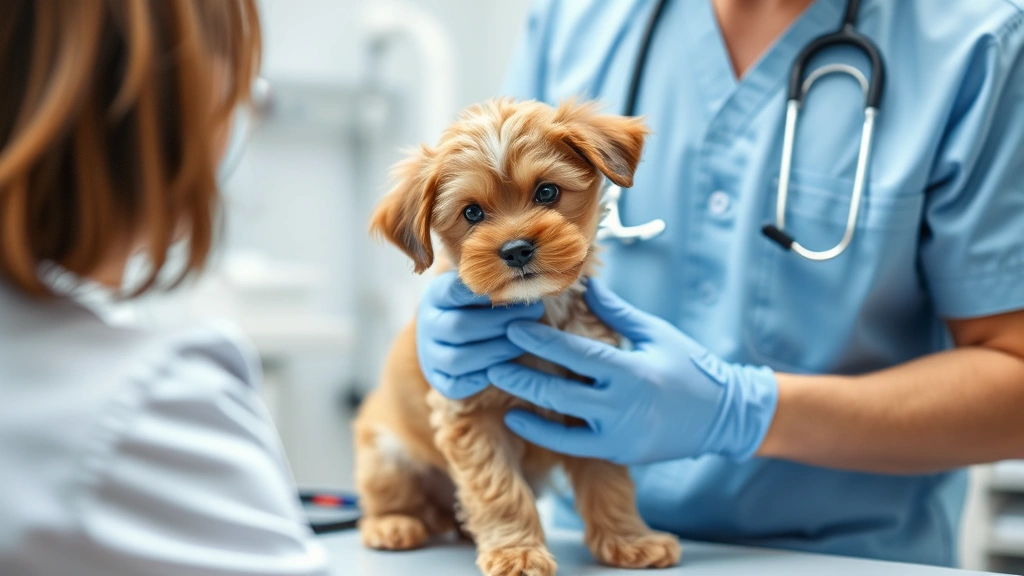
Before searching for cavapoo puppies for sale, it’s important to understand what makes this breed special and whether it aligns with your lifestyle. Cavapoos inherit traits from both parent breeds: the gentle, affectionate temperament of Cavalier King Charles Spaniels combined with the intelligence and low-shedding coat of Poodles. This makes them excellent family pets, particularly for households with children or other pets.
Cavapoos typically weigh between 9 and 25 pounds and stand 9 to 14 inches tall, making them ideal for apartment living and families with limited space. Their hypoallergenic qualities—though not completely allergen-free—appeal to people with mild allergies. The breed’s social nature means cavapoos thrive on human companionship and require regular interaction, training, and mental stimulation.
Market data from the American Kennel Club shows that designer dog breeds like cavapoos have experienced unprecedented growth in demand over the past decade. This surge has led to increased availability through various channels, but also heightened risks of unethical breeding practices. Understanding the breed’s specific needs—exercise requirements, grooming frequency, potential health issues—helps you evaluate whether you’re truly prepared for ownership before making a financial commitment.

Where to Find Cavapoo Puppies for Sale
The landscape for purchasing cavapoo puppies has expanded significantly, offering multiple avenues for buyers. Each source carries different levels of risk and reward, and understanding the distinctions is crucial for making an informed decision.
Dedicated Breeders: Reputable cavapoo breeders focus exclusively on this breed and maintain detailed records of health testing, lineage, and breeding practices. These breeders typically operate websites, maintain social media presence, and can provide references from previous buyers. Many belong to breed clubs or organizations that establish ethical standards.
Online Marketplaces: Platforms like Facebook Marketplace and Craigslist have become popular venues for buying and selling puppies. While legitimate breeders use these platforms, they also attract scammers and unethical operations. Our guide on how to use Facebook Marketplace provides strategies for identifying trustworthy sellers and avoiding fraud.
Puppy Broker Websites: Numerous websites aggregate listings from multiple breeders. While convenient, these platforms often lack rigorous vetting processes. Always verify breeder information independently rather than relying solely on broker listings.
Rescue Organizations: Some cavapoo rescue groups exist, offering adoption opportunities. This route typically costs less and provides the satisfaction of giving a home to a dog in need. However, availability is limited and puppies are rare in rescue settings.
Local Pet Stores: While some pet stores work with ethical breeders, many source puppies from puppy mills. Avoid pet store purchases unless you can verify the complete supply chain and breeder credentials.
Identifying Reputable Breeders vs. Puppy Mills
The distinction between ethical breeders and puppy mills fundamentally affects puppy health, temperament, and your long-term ownership experience. This is perhaps the most critical decision in your search for cavapoo puppies for sale.
Red Flags Indicating Puppy Mills or Unethical Operations:
- Unwillingness to provide references or health certifications
- Multiple litters available simultaneously or constantly
- Pressure to purchase quickly or reluctance to answer questions
- No knowledge of puppy parents or refusal to discuss breeding practices
- Unwillingness to take the puppy back if issues arise
- Prices significantly lower than market rates
- No contract or vague terms regarding health guarantees
- Lack of breeder website or professional communication
- Unwillingness to let you visit facilities or meet parents
Signs of Reputable Breeders:
- Comprehensive health testing of both parents (hip dysplasia, eye conditions, heart evaluations)
- Detailed contracts specifying health guarantees and return policies
- Willingness to provide references and allow facility visits
- Honest discussion of potential genetic health issues in the breed
- Selective breeding practices with clear goals for improvement
- Membership in breed clubs or recognized organizations
- Follow-up support and willingness to assist with training or behavioral issues
- Reasonable pricing consistent with market standards
- Transparent communication and detailed puppy information
Reputable breeders view themselves as stewards of the breed and maintain long-term responsibility for their puppies. They’re invested in matching puppies with appropriate families and often maintain relationships with buyers throughout the dog’s life. This commitment to quality over quantity distinguishes ethical breeders from profit-driven operations.
Research through breed-specific communities, veterinary recommendations, and the Orthopedic Foundation for Animals can help identify breeders with legitimate health testing credentials. Many reputable breeders list their health certifications publicly and participate in registry programs that track genetic issues across breeding lines.
Financial Considerations: Price and Hidden Costs
Understanding the complete financial picture of cavapoo ownership extends far beyond the initial purchase price. Prospective buyers must budget for multiple categories of expenses across the puppy’s lifetime.
Initial Purchase Price: Cavapoo puppies typically range from $1,500 to $3,500, with some premium breeders charging up to $4,000. Prices vary based on breeder reputation, health testing, location, and parental lineage. Significantly lower prices should raise suspicion about breeder legitimacy or puppy quality. Like evaluating any business for sale, you’re essentially investing in an organization’s practices and reputation when purchasing from a breeder.
Veterinary Costs: Plan for initial vaccinations ($200-$300), spaying/neutering ($500-$1,500), and emergency care fund ($2,000-$5,000 minimum). Annual checkups, preventive care, and unexpected health issues can cost $500-$1,500 yearly depending on your location and the puppy’s health.
Grooming Expenses: Cavapoos require professional grooming every 6-8 weeks due to their Poodle coat. Budget $50-$100 per grooming session, totaling $300-$600 annually. This is a significant ongoing expense many first-time buyers underestimate.
Food and Supplies: Quality dog food costs $30-$60 monthly. Add toys, bedding, leashes, and other supplies totaling approximately $200-$400 in the first year, then $100-$200 annually.
Training and Behavioral Support: Professional training ranges from $150-$300 per session. While not mandatory, many new puppy owners invest in at least basic obedience training, costing $500-$2,000.
Insurance and Miscellaneous: Pet insurance costs $20-$50 monthly. Include boarding, pet sitting, and emergency care in your long-term budget.
Total First-Year Cost Estimate: Expect $3,500-$6,000 for the first year, with ongoing annual costs of $1,500-$3,000 thereafter over the cavapoo’s 12-15 year lifespan. This represents a significant financial commitment that should factor into your purchasing decision.
Health Screening and Genetic Testing
Health screening represents one of the most important factors distinguishing reputable cavapoo breeders from irresponsible ones. Designer breeds like cavapoos can inherit genetic conditions from both parent breeds, making health testing essential for responsible breeding.
Essential Health Screenings for Parent Dogs:
- Hip and Elbow Dysplasia: Radiographic evaluation through OFA or PennHIP to assess joint development
- Cardiac Evaluation: Echocardiogram or cardiac exam by board-certified veterinarian to screen for heart conditions
- Eye Examination: CERF (Canine Eye Registration Foundation) certification to evaluate for progressive retinal atrophy, cataracts, and other vision issues
- Patellar Luxation Assessment: Physical examination to check for knee joint problems
- Genetic Testing: DNA testing for breed-specific genetic conditions
Reputable breeders provide documentation of these health screenings before breeding. They understand that health testing costs money upfront but prevents far greater expenses and heartbreak associated with genetic health problems in puppies. Ask breeders for specific OFA or PennHIP numbers and verify them through official registries.
Beyond parent health screening, ask about the incidence of genetic issues within the breeder’s lines over multiple generations. Ethical breeders track health outcomes of puppies they’ve produced and adjust breeding decisions accordingly. They should provide health guarantees—typically 1-2 years—covering genetic conditions, with clear terms about what’s covered and how claims are handled.
Preparing Your Home for a New Puppy
Before your cavapoo puppy arrives, proper preparation ensures a smooth transition and supports healthy development. This preparation phase is as important as selecting the right breeder.
Physical Space Preparation: Create a designated puppy area with comfortable bedding, food and water bowls, and age-appropriate toys. Puppy-proof your home by removing hazards, securing electrical cords, and removing toxic plants. Establish a consistent location for a crate, which serves as a safe space and aids in house training.
Essential Supplies: Stock food (use the same brand the breeder provided initially), collar, leash, ID tag, crate, bedding, toys, and grooming supplies. Having these items ready before pickup prevents last-minute scrambling and stress.
Schedule Planning: Arrange time off work for the first week to help your puppy adjust. Plan veterinary appointments for initial examinations and vaccination schedules. Identify emergency veterinary services in your area.
Family Preparation: If you have children, prepare them for puppy behavior expectations. Establish rules about interaction, handling, and supervision. Children should understand that puppies require patience and gentle treatment.
Training Strategy: Research training methods and decide whether you’ll use professional trainers or train independently. Understanding your approach before the puppy arrives accelerates the training process. Consider whether your lifestyle supports the commitment required for a subscription-style ongoing care model of pet ownership, with regular grooming, training, and veterinary appointments.
Legal Protections and Contracts
A comprehensive breeder contract protects both parties and establishes clear expectations regarding health, breeding rights, and return policies. Understanding contract terms is crucial when purchasing cavapoo puppies for sale.
Essential Contract Elements:
- Health Guarantee: Specific coverage period (typically 1-2 years) and conditions covered (genetic defects, hereditary conditions). Clear procedures for claims, including required veterinary documentation.
- Return Policy: Terms for returning the puppy if issues arise, whether the breeder will accept the dog back, and conditions under which refunds are provided.
- Spay/Neuter Requirements: Many breeders require spaying/neutering to prevent breeding of non-registered dogs. Contracts should specify timing and provide evidence of compliance.
- Breeding Rights: Clarification of whether you’re purchasing breeding rights or a pet-only puppy. Breeding rights cost significantly more and come with specific responsibilities.
- Genetic Testing Disclosure: Documentation of health testing performed on parents, with copies of results provided.
- Puppy Information: Details about the specific puppy—birthdate, parents, pedigree, and any known characteristics or concerns.
- Payment Terms: Clear pricing, deposit requirements, payment schedule, and refund conditions.
- Breeder Support: Commitment to provide guidance on training, socialization, health issues, and behavioral concerns throughout the puppy’s life.
Request the contract well before purchase and review it carefully. Don’t hesitate to ask questions or negotiate terms. Legitimate breeders welcome contract review and discussion. If a breeder refuses to provide a contract or becomes defensive about contract terms, consider this a significant red flag.
Post-Purchase Support and Breeder Relationships
Your relationship with the breeder shouldn’t end at purchase. Reputable breeders provide ongoing support and maintain interest in their puppies’ wellbeing throughout their lives.
Initial Support: Expect breeders to provide guidance during the critical first weeks—answering questions about feeding, training, socialization, and adjustment. Many breeders maintain email or phone contact availability for new owners.
Health Monitoring: Breeders should request updates on your puppy’s health and development. Some ask for health certifications at maturity (around age 2) to track genetic issues across their breeding lines. This information helps them make informed breeding decisions.
Behavioral Guidance: Reputable breeders understand puppy behavior and can offer training suggestions or recommend professional trainers. They help owners understand breed-specific behaviors and appropriate management strategies.
Lifetime Commitment: The best breeders maintain a safety net, offering to take the dog back if circumstances change—job loss, family changes, housing situations—rather than allowing the dog to end up in shelters. This commitment demonstrates genuine care for their puppies’ welfare.
Community Building: Many breeders facilitate connections among puppy buyers, creating communities where owners share experiences, photos, and advice. This network provides valuable support and information.
After purchase, maintain documentation of all health records, training progress, and breeder communications. This information proves valuable if questions arise about the puppy’s background or health history. Like managing any significant purchase or marketplace transaction, organized documentation protects your interests and supports the puppy’s wellbeing.
FAQ
How much do cavapoo puppies typically cost?
Cavapoo puppies from reputable breeders generally cost between $1,500 and $3,500, with some premium breeders charging up to $4,000. Prices reflect the breeder’s reputation, health testing, location, and breeding practices. Prices significantly below this range may indicate puppy mill operations or health compromises.
Are cavapoos good family pets?
Yes, cavapoos make excellent family pets. Their gentle temperament, moderate size, and social nature make them well-suited for families with children and other pets. However, they require regular exercise, grooming, and social interaction. They’re not ideal for families unable to commit to daily engagement and professional grooming.
How can I avoid puppy scams when searching online?
Verify all breeder information independently, request video calls to see facilities and parents, ask for references from previous buyers, check health certifications through official registries, never wire money without verification, and trust your instincts if something feels off. Research the breeder thoroughly before any financial commitment.
What health issues are cavapoos prone to?
Cavapoos can inherit conditions from both parent breeds, including hip dysplasia, heart conditions, eye problems, and patellar luxation. Reputable breeders screen parents for these conditions. Ask breeders specifically about genetic issues in their lines and request health documentation for both parents.
Do cavapoos shed a lot?
Cavapoos typically shed minimally due to their Poodle heritage, making them suitable for people with mild allergies. However, they’re not completely hypoallergenic. Regular grooming every 6-8 weeks helps manage shedding and maintain coat health. Grooming frequency and cost are important considerations in ownership.
What’s included in a good breeder contract?
Quality contracts specify health guarantees with coverage period and conditions, return policies, spay/neuter requirements, breeding rights clarification, documentation of parent health testing, puppy-specific information, clear payment terms, and the breeder’s commitment to ongoing support. Review contracts carefully and don’t hesitate to ask questions before signing.
Should I get pet insurance for my cavapoo?
Pet insurance can be valuable, particularly given potential genetic health issues in designer breeds. Insurance costs $20-$50 monthly and helps manage unexpected veterinary expenses. Compare policies carefully, understanding coverage limits, deductibles, and exclusions for pre-existing conditions.
How do I verify a breeder’s health certifications?
Request specific OFA or PennHIP numbers and verify them through official registries at ofa.org. Ask for documentation of cardiac and eye examinations. Legitimate breeders provide this information readily and encourage verification. Never rely solely on breeder claims without independent confirmation.