Selecting the right cargo trailers for sale requires understanding your business needs, budget constraints, and operational requirements. Whether you’re launching a logistics startup, expanding an existing delivery operation, or investing in mobile commerce infrastructure, cargo trailers represent a significant capital investment that directly impacts your bottom line. The trailer market has evolved dramatically, with manufacturers offering specialized solutions for e-commerce fulfillment, retail operations, and B2B distribution networks.
This comprehensive guide examines the top cargo trailer options available today, analyzing their features, pricing structures, and suitability for different business models. We’ll explore how successful entrepreneurs integrate cargo trailers into their operations, from Etsy shop owners managing inventory to online thrift store operators handling bulk merchandise. By the end of this article, you’ll have the knowledge to make an informed decision that aligns with your business trajectory.
Types of Cargo Trailers and Their Uses
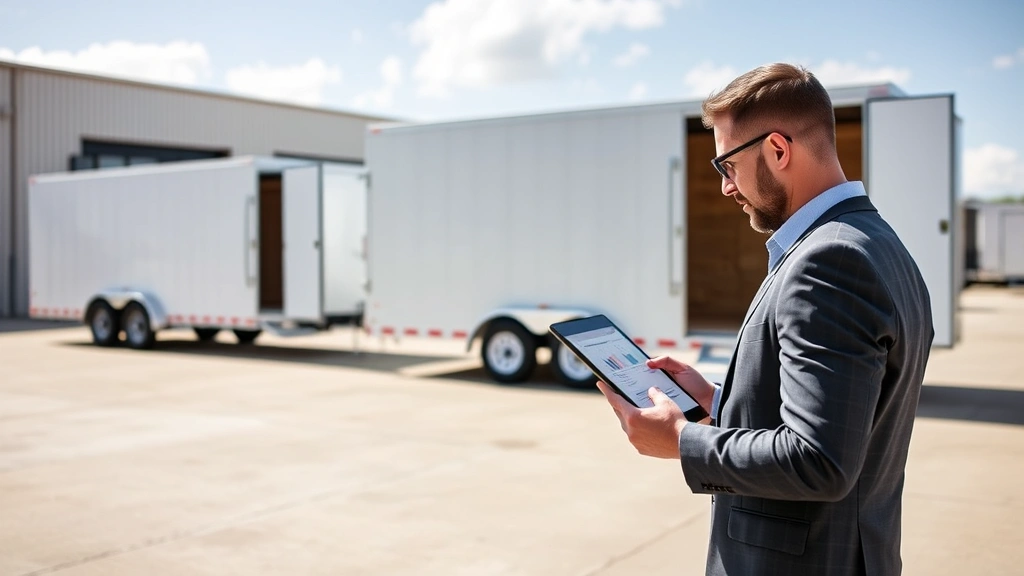
The cargo trailer market encompasses several distinct categories, each designed for specific commercial applications. Understanding these classifications helps you identify which trailer type aligns with your business operations and growth projections.
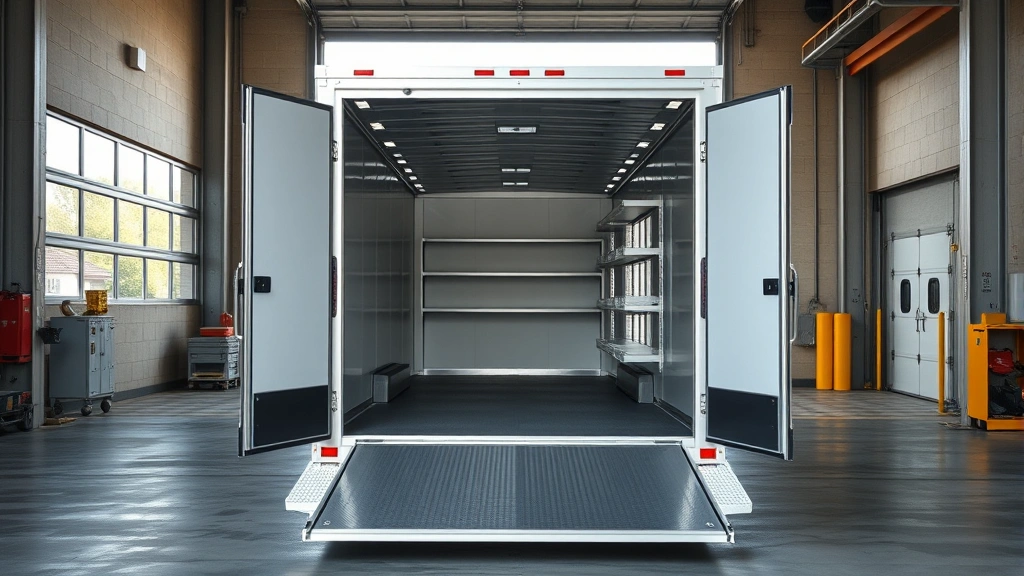
Enclosed cargo trailers provide weather protection and security, making them ideal for high-value merchandise, sensitive inventory, or operations requiring climate control. These trailers feature steel frames with aluminum or steel exterior walls, locking mechanisms, and interior dimensions typically ranging from 6×12 feet to 8.5×24 feet. Businesses operating commercial retail operations frequently utilize enclosed trailers for mobile showrooms and pop-up retail experiences.
Open trailers offer cost-effective solutions for businesses transporting non-perishable goods, construction materials, or bulk merchandise. Their open design reduces acquisition costs by 20-35% compared to enclosed models while simplifying loading and unloading procedures. However, they lack weather protection, making them unsuitable for sensitive inventory or high-theft environments.
Utility trailers represent the entry-level segment, accommodating smaller operations with modest cargo volumes. These compact trailers (typically 4×8 feet to 6×12 feet) serve well for entrepreneurs scaling up from home-based businesses or those managing mobile food operations requiring supplementary cargo capacity.
Refrigerated trailers cater to temperature-sensitive industries including food distribution, pharmaceuticals, and specialty retail. These premium-priced options (often $15,000-$30,000+) incorporate insulation, mechanical or electric cooling systems, and humidity controls essential for regulatory compliance and product preservation.
Flatbed trailers accommodate oversized or irregularly shaped cargo, offering maximum loading flexibility without interior constraints. Construction companies, equipment distributors, and businesses handling bulk materials depend on flatbed configurations for operational efficiency.
Top Cargo Trailer Manufacturers and Models
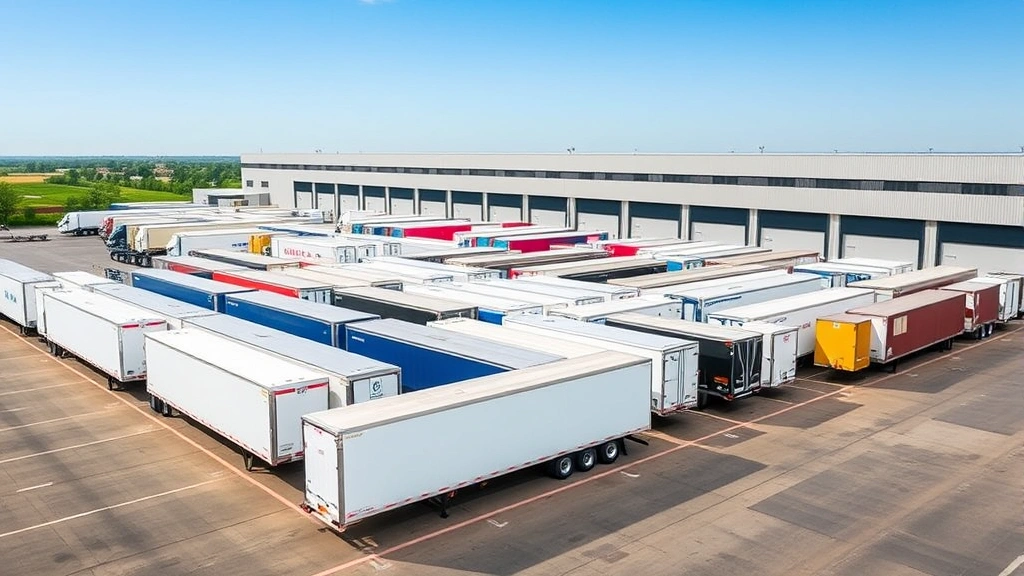
The cargo trailer manufacturing landscape includes established brands with proven track records and emerging manufacturers offering competitive pricing. Selecting from reputable manufacturers ensures quality construction, warranty protection, and resale value preservation.
Pace American stands as a market leader in enclosed cargo trailer manufacturing, offering models ranging from 5×8 feet to 8.5×24 feet. Their construction emphasizes durability with aluminum composite walls, radial tires, and integrated LED lighting. Pace trailers command premium pricing ($3,500-$15,000+) but deliver superior longevity and resale values. Their popularity among entrepreneurs managing commercial property operations reflects their reliability for high-frequency use scenarios.
Haulmark specializes in premium enclosed trailers with emphasis on interior climate control and security features. Their models incorporate aluminum construction, integrated shelving systems, and customization options supporting specialized retail operations. Pricing typically ranges from $4,000-$18,000 depending on specifications and optional features.
ATC Trailers offers mid-range solutions balancing cost-effectiveness with quality construction. Their aluminum-framed designs appeal to small business owners and entrepreneurs seeking reliable cargo solutions without premium pricing. Models range from utility configurations to fully enclosed options priced between $2,500-$12,000.
Wells Cargo manufactures both enclosed and specialized trailers, including models designed for mobile retail, food service, and equipment transport. Their customization capabilities support unique business requirements, though lead times may extend 4-8 weeks for specialized configurations.
Cargo Craft Manufacturing focuses on lightweight aluminum trailers designed for fuel efficiency and easier towing. Their models suit businesses prioritizing operational cost reduction and environmental sustainability, with pricing between $3,000-$14,000 for standard configurations.
According to industry analysis from TruckInfo, the cargo trailer market experienced 18% growth in 2023, driven primarily by e-commerce expansion and small business proliferation. This growth trajectory suggests favorable conditions for entrepreneurs considering cargo trailer investments.
Key Features to Evaluate
Beyond manufacturer reputation and basic specifications, specific features directly influence operational efficiency, maintenance requirements, and long-term value. Careful evaluation of these elements prevents costly mistakes and ensures your trailer investment supports business scalability.
Axle configuration significantly impacts weight capacity and towing requirements. Single-axle trailers accommodate lighter loads (typically 3,500-5,000 lbs) and lower towing vehicle requirements, making them suitable for entrepreneurs with standard vehicles. Tandem-axle configurations distribute weight across dual wheels, enabling 7,000-10,000+ lbs capacity and superior stability during highway transport. Your business’s typical cargo weight determines optimal axle selection.
Flooring materials affect durability, maintenance demands, and operational expenses. Wood flooring offers cost-effectiveness but requires periodic replacement (typically every 3-5 years depending on usage intensity). Aluminum or steel flooring provides superior longevity, resisting moisture and impact damage, though commanding higher initial costs. Rubber-coated flooring options protect cargo while reducing noise, appealing to businesses prioritizing professional image and cargo security.
Ventilation systems prove essential for businesses storing temperature-sensitive merchandise or operating in humid climates. Roof vents, wall louvers, and powered ventilation options prevent moisture accumulation, mold growth, and product degradation. Climate-controlled trailers incorporate insulation and mechanical systems, essential for commercial operations handling perishables or sensitive inventory.
Lighting and electrical systems enable evening loading operations, enhance security, and support specialized equipment operation. LED lighting reduces power consumption and improves visibility compared to traditional incandescent fixtures. Electrical systems should accommodate standard 120V outlets and potentially 240V capabilities for businesses requiring powered equipment operation during transport.
Security features directly correlate with cargo protection and insurance costs. Enclosed trailers with heavy-duty locks, reinforced doors, and optional alarm systems reduce theft risk. GPS tracking integration provides real-time location monitoring, increasingly important for high-value merchandise and regulatory compliance in certain industries.
Customization capabilities determine whether your trailer can evolve with business needs. Modular interior designs, removable shelving, and adjustable partition systems support diverse cargo types without requiring trailer replacement. Manufacturers offering customization options enable entrepreneurs to optimize space utilization and operational workflows.
Pricing and Financing Options
Cargo trailer pricing varies dramatically based on size, materials, features, and manufacturer reputation. Understanding pricing structures and financing mechanisms enables strategic capital allocation and cash flow optimization.
Budget-conscious options start around $1,500-$3,000 for basic utility trailers and open configurations. These entry-level trailers suit entrepreneurs testing business models or managing modest cargo volumes. However, limited features and durability concerns may necessitate earlier replacement, affecting total cost of ownership calculations.
Mid-range cargo trailers typically cost $4,000-$8,000, offering improved construction quality, better weather protection, and enhanced features. This segment represents optimal value for many small business operations, balancing affordability with durability and functionality. Most entrepreneurs establish profitable operations within this pricing tier.
Premium cargo trailers exceed $10,000, incorporating specialized features, superior materials, and advanced customization options. These investments suit established businesses with consistent cargo volumes, specialized requirements, or operations where product protection directly impacts profitability.
Financing options expand accessible opportunities for capital-constrained entrepreneurs. Many manufacturers partner with financing providers offering terms ranging from 24-84 months. Small Business Administration (SBA) loans provide favorable rates and extended repayment periods for qualified borrowers, with some programs specifically supporting equipment purchases. Equipment financing companies typically offer competitive rates (8-15% APR) with flexible terms accommodating business cash flow patterns.
Lease-to-own arrangements provide alternatives for entrepreneurs preferring operational flexibility or uncertain about long-term requirements. Monthly lease payments typically range from $150-$400 depending on trailer value and lease term, with options to purchase at predetermined residual values.
Maintenance and Operating Costs
Comprehensive cost analysis extends beyond purchase price, encompassing maintenance, insurance, registration, and operational expenses throughout the trailer’s lifecycle. Understanding these ongoing costs prevents budget surprises and enables accurate profitability projections.
Routine maintenance includes tire rotations, brake inspections, light replacements, and seal maintenance. Annual maintenance costs typically range from $300-$800 depending on trailer condition and usage intensity. Preventive maintenance programs reduce emergency repair expenses and extend equipment lifespan by 20-30%.
Tire replacement represents a significant expense, with quality trailer tires costing $100-$250 each. Most trailers require 4-6 tires depending on axle configuration, necessitating $400-$1,500 investments every 3-5 years. Proper inflation, rotation, and load management extend tire life and reduce replacement frequency.
Brake system maintenance proves critical for safety and regulatory compliance. Annual brake inspections cost $150-$300, with potential repairs ranging from $200-$1,000+ depending on damage severity. Electric brake systems require periodic adjustment and wiring inspection, adding $100-$400 annually.
Insurance costs vary based on trailer value, usage patterns, and cargo type. Basic coverage for enclosed trailers typically costs $300-$600 annually, while specialized coverage for high-value merchandise or temperature-controlled transport may reach $1,000-$2,000 yearly. Some insurers offer discounts (10-15%) for trailers equipped with GPS tracking or advanced security systems.
Registration and licensing fees depend on trailer weight, state regulations, and intended use classification. Annual registration typically costs $50-$200, with some states implementing higher fees for commercial trailers. Multi-year registration options may provide modest savings (5-10%) compared to annual renewals.
Fuel consumption costs depend on tow vehicle characteristics and trailer aerodynamics. Enclosed trailers create additional wind resistance, increasing fuel consumption 10-20% compared to unloaded towing. Typical costs range from $0.15-$0.30 per mile, varying based on fuel prices and vehicle efficiency ratings.
Research from the Council of Supply Chain Management Professionals indicates businesses underestimating maintenance costs by 15-25%, resulting in budget variances and reduced profitability. Conservative estimates incorporating historical maintenance patterns and manufacturer recommendations prevent these planning failures.
Integration with Your Business Model
Successful cargo trailer deployment requires strategic integration with existing business operations and growth trajectories. Thoughtful implementation maximizes return on investment while supporting scalability objectives.
Mobile retail operations leverage enclosed trailers as pop-up retail spaces, enabling entrepreneurs to reach customers without permanent storefront overhead. Customized interior designs with shelving, lighting, and climate control create professional retail environments. This model particularly suits seasonal businesses, event-based sales, and thrift retailers expanding into physical retail without long-term lease commitments.
E-commerce fulfillment utilizes cargo trailers as mobile warehouses, reducing fulfillment costs and enabling faster regional delivery. Entrepreneurs managing high-volume online operations benefit from trailer-based inventory staging, particularly when operating from residential locations with limited storage space. This approach supports business scaling while maintaining flexibility regarding permanent facility investments.
Service-based businesses employ cargo trailers as mobile service centers, transporting equipment, inventory, and operational supplies to customer locations. Contractors, maintenance service providers, and mobile automotive businesses optimize efficiency through well-organized trailer systems, reducing travel time and improving service delivery.
Inventory management integration requires implementing systems tracking cargo location, contents, and condition. GPS tracking, inventory management software integration, and regular auditing procedures ensure accountability and prevent shrinkage. Businesses managing multiple trailers benefit from centralized tracking systems providing real-time visibility across distributed assets.
Regulatory compliance considerations vary by jurisdiction and trailer usage classification. Commercial trailers may require specific safety certifications, lighting configurations, and brake specifications. Entrepreneurs must verify local regulations regarding commercial vehicle operation, licensing requirements, and liability insurance thresholds before deployment. Consulting with local transportation authorities or industry associations prevents compliance violations and associated penalties.
Scalability planning ensures trailer selection supports projected growth without necessitating rapid replacement. Starting with appropriately-sized trailers prevents underutilization and excessive operating costs, while oversizing creates unnecessary expense. Many successful entrepreneurs deploy multiple smaller trailers rather than single large units, enabling flexible deployment and reducing downtime during maintenance.
Industry data from Small Business Trends shows businesses integrating cargo trailers into operations experience 15-30% improvement in operational flexibility and 20-25% reduction in facility overhead costs, directly improving bottom-line profitability.
FAQ
What size cargo trailer do most small businesses need?
Most small businesses operate effectively with 6×12 feet or 6×14 feet enclosed trailers, offering sufficient capacity for typical inventory volumes while maintaining manageable towing requirements and operating costs. Businesses managing higher volumes may require 7×16 feet or 8.5×20 feet configurations, while those starting out often begin with 5×8 feet or 5×10 feet utility trailers.
Can I finance a cargo trailer purchase through my business?
Yes, multiple financing options exist including equipment financing companies, manufacturer financing programs, SBA loans, and traditional bank business loans. Equipment financing typically offers competitive rates and flexible terms accommodating business cash flow. Ensure your business demonstrates sufficient revenue and creditworthiness to qualify for favorable terms.
How long do cargo trailers typically last?
Quality enclosed cargo trailers from reputable manufacturers generally last 10-15 years with proper maintenance. Operating conditions, maintenance consistency, and usage intensity significantly affect lifespan. Trailers experiencing frequent heavy use may require replacement or major repairs earlier, while well-maintained trailers in moderate-use scenarios may exceed 15 years of productive service.
What insurance coverage do I need for a cargo trailer?
Minimum coverage typically includes liability insurance protecting against damage or injury caused by the trailer, and comprehensive/collision coverage protecting your investment against damage or theft. Additional coverage options include cargo insurance protecting contents, uninsured motorist protection, and equipment breakdown coverage for specialized trailers with mechanical systems. Consult with insurance providers specializing in commercial vehicles to ensure adequate coverage.
Are used cargo trailers a good investment?
Used trailers can provide significant savings (30-50% below new pricing) if purchased from reputable dealers with documented maintenance histories. However, potential buyers should conduct thorough inspections addressing structural integrity, mechanical systems, and interior condition. Older trailers may lack modern features, require more frequent maintenance, and offer shorter remaining service lives. New trailers provide manufacturer warranties, current safety features, and predictable maintenance costs, potentially offering better long-term value despite higher initial costs.
How do I determine towing capacity requirements?
Consult your vehicle’s owner manual for maximum towing capacity, which typically ranges from 3,500 lbs for standard sedans to 10,000+ lbs for trucks and SUVs. Select trailers with empty weight plus maximum loaded capacity not exceeding vehicle specifications. Most enclosed cargo trailers weigh 1,200-3,500 lbs empty, with loaded capacity determined by axle configuration and construction materials.
Can cargo trailers be customized for specific business needs?
Most manufacturers offer extensive customization options including interior shelving, electrical systems, climate control, security features, and specialized storage configurations. Custom builds typically require 4-12 weeks delivery and command 10-25% premiums over standard models. Modular interior designs provide flexibility without custom manufacturing, enabling adaptation as business requirements evolve.