Where to Buy a Maltipoo? Trusted Sources Guide
Finding a healthy, well-bred Maltipoo requires careful research and understanding where to source these beloved designer dogs responsibly. The Maltipoo—a cross between a Maltese and a Poodle—has become increasingly popular among dog lovers seeking a small, intelligent companion with minimal shedding. However, the surge in demand has also attracted unethical breeders and puppy mills, making it essential for prospective owners to know where to buy with confidence.
Whether you’re searching for maltipoo for sale through reputable breeders, rescue organizations, or certified platforms, this comprehensive guide walks you through every legitimate avenue available. We’ll examine the pros and cons of each source, what questions to ask, and red flags to avoid. By the end, you’ll understand how to navigate the marketplace intelligently and make a purchase decision that supports ethical breeding practices while ensuring you bring home a healthy puppy.

Reputable Breeders: The Gold Standard
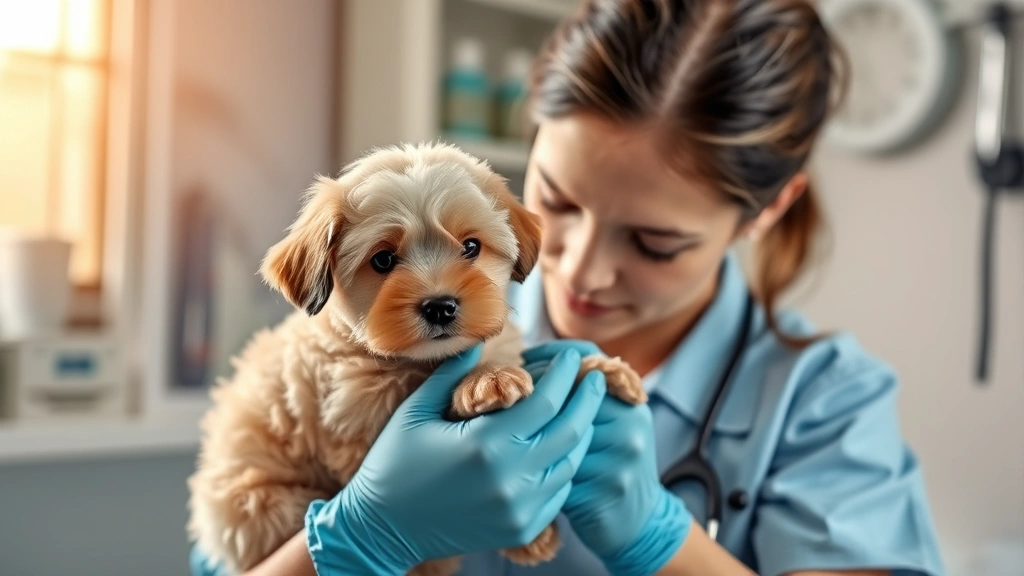
Working directly with ethical, reputable breeders represents the most reliable way to purchase a Maltipoo. These dedicated professionals invest years in understanding breed standards, genetics, and temperament to produce healthy puppies with predictable characteristics. Reputable breeders typically specialize in their breed, maintain transparent communication, and welcome site visits to their facilities.
When evaluating a breeder, look for those who conduct comprehensive health testing on parent dogs. This includes screening for genetic conditions common in Maltese and Poodle lines, such as patellar luxation, eye problems, and heart conditions. Ethical breeders provide health certifications from veterinary organizations and offer written guarantees covering genetic defects. They also maintain relationships with past buyers and often have waiting lists, indicating high demand and quality reputation.
Reputable breeders typically charge between $1,500 and $3,500 for a Maltipoo puppy, reflecting the investment in proper breeding practices. While this represents a significant expense, the cost difference compared to cheaper sources often translates to healthier dogs with fewer medical problems down the road. Many reputable breeders also provide ongoing support throughout the dog’s life, offering advice on training, nutrition, and health concerns.
To find legitimate breeders, start by researching breed clubs and associations dedicated to Maltipoos or their parent breeds. Ask for references from veterinarians, breed club members, and previous customers. Attend dog shows where you can meet breeders in person and observe their dogs’ temperament and physical condition. The American Kennel Club website provides resources for finding registered breeders of parent breeds.
Certified Breeding Associations and Registries
Several organizations maintain registries of ethical breeders who adhere to strict standards. These associations provide valuable vetting processes that individual buyers might find difficult to conduct independently. Membership in these organizations typically requires meeting specific criteria related to health testing, breeding practices, and animal welfare.
The Orthopedic Foundation for Animals (OFA) maintains a database of dogs that have passed health screenings. Breeders whose dogs are registered with OFA have demonstrated commitment to reducing hereditary diseases. Similarly, the Canine Health Information Center (CHIC) provides a registry of dogs tested for genetic conditions relevant to their breeds.
When researching associations, verify that they require health testing, maintain ethical breeding standards, and have processes for handling complaints. Some organizations offer breeder directories where you can search by location and breed. These resources significantly reduce your risk of encountering unethical operations. Members of legitimate associations understand that their reputation depends on producing healthy, well-adjusted puppies, creating accountability that benefits consumers.
Breeders affiliated with established associations often display membership certifications and welcome inquiries about their credentials. This transparency indicates confidence in their practices and commitment to industry standards. Don’t hesitate to contact associations directly to verify membership status and inquire about any complaints against specific breeders.
Rescue Organizations and Adoption Centers
Adopting a Maltipoo from a rescue organization offers a rewarding alternative to purchasing from breeders. Many Maltipoos end up in rescue due to life changes affecting their owners, not behavioral or health problems. Rescue organizations thoroughly evaluate each dog’s temperament and health, providing detailed information to potential adopters. Adoption fees typically range from $200 to $800, substantially less than breeder prices.
Rescue organizations conduct home visits, require applications, and perform follow-up checks, creating a structured adoption process that prioritizes dog welfare. They often provide medical records, vaccination history, and behavioral assessments. Many rescues offer trial periods allowing you to ensure compatibility before finalizing adoption. This reduces the risk of bringing home a dog that doesn’t fit your household.
To locate Maltipoo rescue organizations, search online for breed-specific rescues in your region. National platforms like Petfinder and Adopt-a-Pet allow you to filter searches by breed and location. Many rescues maintain social media pages showcasing available dogs and sharing success stories. Contacting local animal shelters can also yield information about Maltipoos currently in their care or expected arrivals.
The emotional satisfaction of rescuing a dog that needs a home cannot be overstated. Many adopters report that rescue dogs display remarkable gratitude and bonding, creating deeply meaningful relationships. Supporting rescue organizations also helps fund their operations, enabling them to help more animals in need.
Online Marketplaces and Pet Platforms
Digital platforms have revolutionized pet purchasing, offering convenience and access to numerous options. Established pet platforms like AKC Marketplace, Petland, and breed-specific websites connect buyers with vetted sellers. These platforms typically implement verification processes, requiring breeders to provide documentation and pass background checks. However, the quality of breeders on these platforms varies considerably, requiring careful evaluation.
When using online marketplaces, prioritize platforms that implement seller verification and offer buyer protection policies. Review seller ratings, customer testimonials, and available documentation thoroughly. Request additional photos and videos of puppies in different settings. Legitimate sellers readily provide extensive information and welcome video calls to observe puppies in real-time.
Be cautious of online listings offering prices significantly below market rates, as this often indicates problematic breeding operations. Scammers frequently use stolen photos from reputable breeders, requiring you to verify image authenticity. Never wire payment funds before thoroughly vetting the seller and establishing clear contracts outlining terms, health guarantees, and return policies.
Some reputable e-commerce platforms specializing in pet commerce have implemented stringent seller standards. Rover and similar services connect pet owners with service providers and can offer referrals to trusted local breeders. These platforms benefit from reputation systems that hold sellers accountable, creating incentives for ethical business practices.
Local Pet Stores and Chain Retailers
While some local pet stores work with responsible breeders, many obtain puppies from problematic sources. Chain pet retailers like Petco and PetSmart historically have faced criticism for sourcing from puppy mills, though many have reformed their policies. Before purchasing from any retail location, investigate their breeder relationships and sourcing practices thoroughly.
Reputable pet stores can provide valuable resources including quality food, training supplies, and veterinary services. Some maintain relationships with local breeders and offer knowledgeable staff who can answer questions about breed characteristics. However, the retail environment itself—displaying puppies in store windows—can indicate business models prioritizing sales over animal welfare.
Ask pet store managers detailed questions about puppy sources, health guarantees, and breeder credentials. Request documentation proving health testing and genetic screening. Legitimate retailers welcome such inquiries and provide transparent answers. If store staff cannot provide detailed breeder information or deflect questions, this signals potential problems.
Many conscientious pet retailers have shifted toward focusing on established local breeders they can verify personally. Some have eliminated puppy sales entirely, instead directing customers toward rescue organizations and reputable breeders. Supporting these progressive retailers encourages industry-wide improvement in ethical practices.
What to Avoid: Red Flags and Scams
Recognizing warning signs protects you from unethical breeders and scammers. Puppy mills prioritize profit over animal welfare, resulting in unhealthy, poorly socialized dogs. These operations typically maintain poor living conditions, lack health testing, and breed dogs excessively. Identifying and avoiding these sources prevents supporting animal cruelty and reduces your risk of purchasing a sick puppy.
Major red flags include: breeders unwilling to meet in person or allow facility visits, refusal to provide health certifications or veterinary references, pressure to purchase quickly, prices significantly below market rates, and lack of written contracts. Scammers frequently use high-pressure sales tactics, demand deposits via untraceable payment methods, and disappear after receiving payment. Never wire funds internationally or use gift cards for pet purchases.
Be skeptical of breeders claiming their dogs don’t require health testing because they’re “mixed breeds.” Designer dog breeders should still conduct health screening on parent dogs to minimize inherited conditions. Reputable breeders of any dog type prioritize health above profit margins.
Verify information independently rather than trusting seller claims. Contact local veterinary associations to confirm credentials. Search online for reviews and complaints using the breeder’s name and phone number. Ask for references and actually contact them. Trust your instincts—if something feels off about an interaction, move on to another source. The time invested in thorough vetting prevents costly mistakes and supports ethical business practices.
Questions to Ask Before Purchasing
Preparing a comprehensive list of questions ensures you gather essential information before committing. Ask about the parent dogs’ health testing, including specific certifications and test results. Inquire about genetic conditions common in Maltese and Poodle lines and how the breeder screens for them. Request information about the puppy’s lineage, including grandparents and other ancestors.
Ask detailed questions about the puppy’s early socialization experiences. Breeders should expose puppies to various environments, sounds, and human interactions starting at young ages. This foundation significantly impacts adult temperament and trainability. Question the breeder about their breeding philosophy, how often they breed their dogs, and their plans for retiring breeding animals.
Inquire about ongoing support and what happens if you cannot keep the dog. Ethical breeders take responsibility for their animals throughout their lives, requesting return of dogs rather than allowing them to end up in shelters. Ask about their refund or replacement policy if genetic issues develop. Understand the payment terms, including deposit requirements and timeline to puppy pickup.
Ask how they match puppies to families and whether they consider your lifestyle when selecting your specific puppy. Responsible breeders carefully consider temperament compatibility rather than simply selling to whoever pays first. Their willingness to discuss your household situation and make recommendations demonstrates genuine care for puppy welfare.
Request copies of all documentation including health records, vaccination history, microchip information, and pedigree. Ask about recommended veterinary care, including vaccination schedules, parasite prevention, and age-appropriate health screenings. Understanding a breeder’s expectations for ongoing care helps ensure you provide the best possible environment for your new pet.
Health Guarantees and Contracts
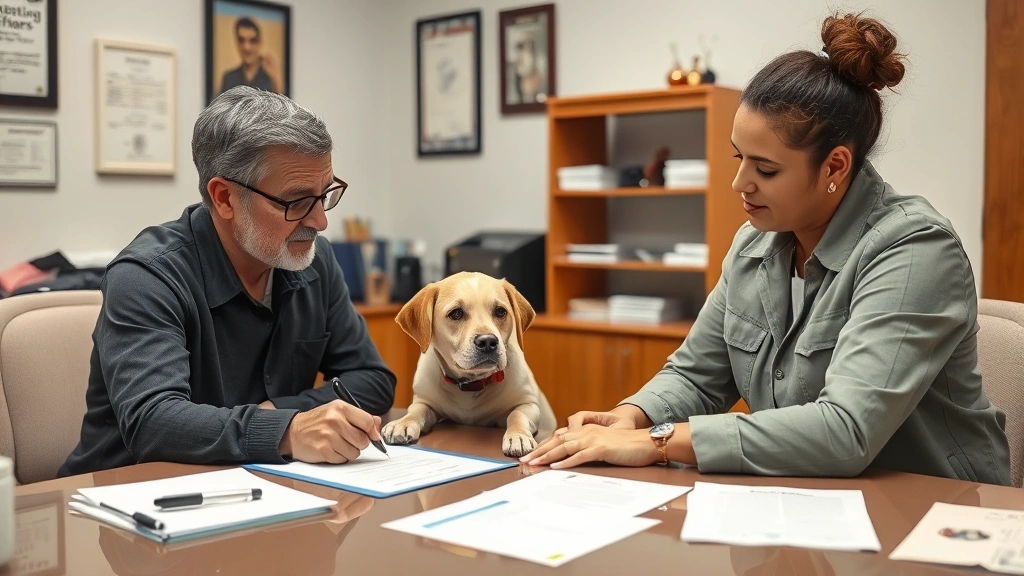
Legitimate sellers provide written contracts protecting both parties. These documents outline terms of sale, price, payment schedule, and delivery arrangements. Health guarantees specify which genetic conditions are covered, for how long, and what documentation is required. Clear contracts prevent misunderstandings and establish accountability.
A reputable breeder’s health guarantee typically covers genetic conditions for one to two years, requiring veterinary diagnosis to activate coverage. The contract should specify whether the breeder will replace the puppy, provide refund, or offer other compensation. Understand the exact process for claiming warranty coverage, including required veterinary documentation.
Contracts often include clauses requiring you to provide appropriate care, maintain health insurance or savings for veterinary emergencies, and return the dog to the breeder rather than rehoming if circumstances change. These provisions reflect the breeder’s commitment to puppy welfare. Some contracts include spay/neuter requirements for non-breeding puppies, preventing uncontrolled breeding.
Review contracts carefully before signing, seeking clarification on any unclear terms. Don’t let breeders pressure you into signing without reading thoroughly. If offered a contract with concerning clauses or vague language, this indicates potential problems. Legitimate breeders welcome questions and are willing to explain every provision.
Understand the difference between health guarantees and health insurance. A breeder’s guarantee covers specific genetic conditions they bred for, while pet insurance covers accidents, illnesses, and wellness care. Many new owners benefit from purchasing pet insurance during puppyhood, protecting against unexpected medical expenses. Research options through platforms like pet insurance providers to understand available coverage.
FAQ
How much does a Maltipoo puppy cost?
Prices vary significantly based on source. Reputable breeders typically charge $1,500 to $3,500. Rescue organizations charge $200 to $800. Online marketplaces range from $500 to $3,000. Avoid extremely cheap puppies, as low prices often indicate poor breeding practices or scams.
Are Maltipoos recognized by kennel clubs?
Maltipoos are designer dogs not recognized by major kennel clubs like the AKC. However, parent breeds (Maltese and Poodle) are recognized. Some registries specifically for designer dogs exist, though they lack the stringent standards of traditional kennel clubs.
What health problems do Maltipoos commonly experience?
Common concerns include patellar luxation, eye problems, heart conditions, and dental disease. Responsible breeders test parent dogs for these conditions. Ask breeders specifically about health screening for conditions affecting Maltese and Poodle lines.
Should I adopt or purchase from a breeder?
Both options have merit. Adoption supports rescue organizations and saves a life. Purchasing from reputable breeders supports ethical breeding practices. Your choice depends on your preferences, timeline, and commitment to supporting responsible breeding.
How can I verify a breeder’s reputation?
Contact breed clubs and associations, ask for veterinary references, speak with previous customers, visit facilities in person, and search online for complaints. Legitimate breeders welcome verification attempts and provide transparent information.
What should I do if I suspect a puppy mill?
Report suspected puppy mills to local animal control, humane societies, or organizations like the ASPCA. Avoid purchasing from suspicious operations, as this funds their continuation. Supporting rescue organizations and ethical breeders creates market incentives for improvement.
Is shipping puppies safe?
Professional pet shipping services exist, but many veterinarians recommend avoiding air travel for puppies when possible. Shipping introduces stress and health risks. Meeting breeders in person or arranging ground transportation is preferable.