Where to Buy M1 Garand? Trusted Sources for Collectors and Enthusiasts
The M1 Garand remains one of the most sought-after rifles in the United States, prized by military history collectors, shooting enthusiasts, and investors alike. Finding a legitimate M1 Garand for sale requires understanding where to look, what to expect, and how to verify authenticity. Whether you’re a seasoned collector or a first-time buyer, navigating the marketplace for these iconic weapons demands careful research and knowledge of legal requirements.
The M1 Garand, officially the United States Rifle, Caliber .30, M1, served as the standard-issue rifle for the U.S. military from 1936 to 1957. Today, these rifles command significant attention in the secondary market, with prices ranging from $800 to over $5,000 depending on condition, manufacturer, and historical significance. Understanding where to find authentic examples and how to evaluate sellers is essential for any buyer.
Licensed Firearms Dealers and Gun Shops
The safest and most regulated avenue for purchasing an M1 Garand is through licensed firearms dealers (FFLs—Federal Firearms Licensees). These dealers operate under strict federal and state regulations, ensuring legal compliance and proper documentation. When you buy from a licensed dealer, you benefit from their expertise, warranty protections, and adherence to background check requirements.
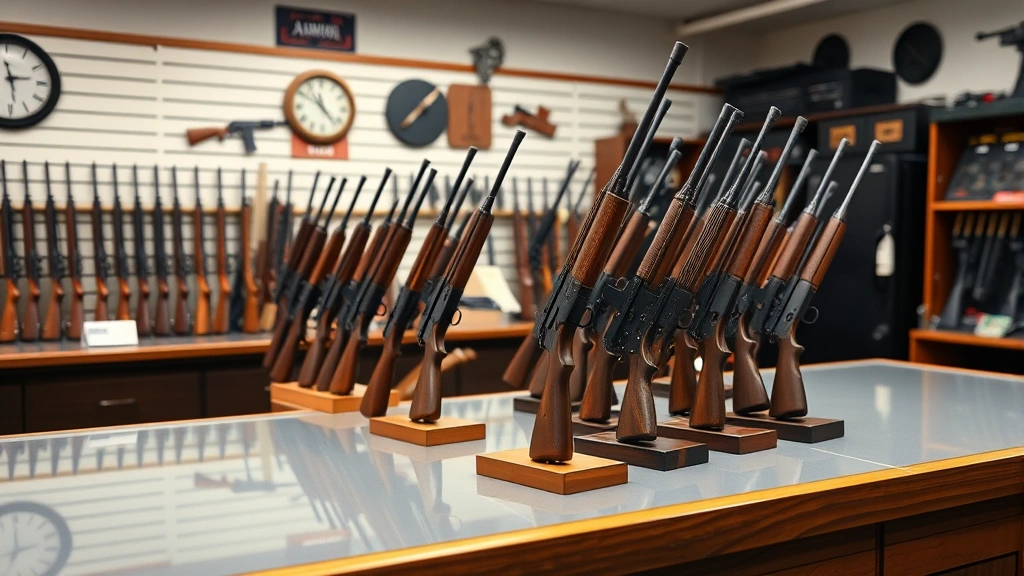
Local gun shops are excellent starting points for buyers seeking an M1 Garand. These establishments typically maintain inventory of military surplus rifles and can provide detailed information about each rifle’s condition, manufacturer markings, and historical background. Many dealers specialize in vintage military firearms and employ knowledgeable staff who can guide you through the selection process. They can also facilitate the necessary paperwork and ensure all legal requirements are met before you take possession.
National chains like Bass Pro Shops, Cabela’s, and Academy Sports + Outdoors occasionally stock M1 Garands, though availability varies by location. These retailers offer the advantage of consistent policies, return options, and established reputation management. Their staff training ensures you receive accurate information about specifications and legal considerations. Many of these retailers also offer layaway programs and financing options, making purchases more accessible to budget-conscious collectors.
When visiting a gun shop, ask to see the dealer’s licensing credentials and inquire about their return policy, warranty coverage, and authentication guarantees. Reputable dealers welcome questions and provide documentation of inspection reports or professional assessments.

Online Marketplaces for Firearms
Several established online platforms facilitate legal firearm sales, including M1 Garands. These marketplaces connect buyers with licensed dealers and private sellers, though all transactions must be completed through an FFL to comply with federal law. Understanding how these platforms operate is crucial for safe online purchasing.
Gunbroker.com is the largest online firearms marketplace in the United States, hosting thousands of M1 Garand listings from verified dealers and collectors. The platform operates under strict compliance protocols, requiring all shipments to be sent to licensed dealers in the buyer’s state. Gunbroker offers buyer protection programs and maintains a feedback system to help evaluate seller reliability. The auction format can yield competitive pricing, though popular lots may exceed retail values significantly.
Gunbroker charges listing fees and final value fees, but these costs are typically absorbed by the seller. Buyers should carefully review item descriptions, condition ratings, and high-resolution photographs before bidding. The platform provides detailed seller ratings and allows you to communicate directly with dealers regarding questions about specific rifles.
Armslist.com operates as a classified ads platform for firearms, connecting local buyers and sellers. This service allows you to filter searches by location, reducing shipping costs and enabling in-person inspections before purchase. However, Armslist requires greater due diligence from buyers, as the platform hosts both licensed dealers and private individuals. Always verify seller credentials and conduct transactions through proper channels.
Firearms.com and Guns.com also list M1 Garands from licensed dealers nationwide. These platforms typically feature dealer inventory exclusively, providing higher assurance of legitimacy and legal compliance compared to peer-to-peer marketplaces. Many dealers use multiple online platforms to reach broader audiences, so you may encounter the same rifle listed across several websites.
When purchasing online, request detailed photographs showing the serial number, receiver markings, barrel condition, and stock condition from multiple angles. Ask about the rifle’s history, any prior refinishing, and whether original parts have been replaced. Reputable online dealers provide comprehensive condition descriptions and stand behind their representations.
Auction Houses and Estate Sales
Auction houses specializing in firearms and militaria frequently feature M1 Garands, often at competitive prices. Estate auctions present opportunities to acquire rifles from personal collections, sometimes at below-market valuations. However, auction purchases require careful evaluation and understanding of auction terms and conditions.
Rock Island Auction Company and James D. Julia Auctioneers are among the nation’s premier firearms auctioneers, hosting specialized military and firearms auctions several times annually. These houses employ expert appraisers who authenticate items and provide detailed condition assessments. Their auctions attract serious collectors and dealers, resulting in competitive bidding and market-rate pricing or higher.
Regional auction houses often feature M1 Garands in general antiques and estate auctions. These venues may offer opportunities to acquire rifles at lower prices, as casual estate liquidators may not fully appreciate the value of military firearms. Attending preview days allows you to inspect rifles personally and evaluate condition before committing to bids.
Be aware of auction house fees, which typically include a buyer’s premium ranging from 10-20% of the hammer price. Shipping costs and insurance must be factored into your total purchase price. Review auction terms regarding returns, authentication guarantees, and payment deadlines before participating.
Specialized Collectors and Private Sales
Private sales between collectors can yield excellent values for knowledgeable buyers, though these transactions demand heightened caution and verification efforts. Engaging with established collector communities increases your access to quality rifles and reliable sellers. If you’re interested in starting a specialized business around military memorabilia, understanding the collector market is essential.
Military firearms collector associations and clubs, such as the Garand Collectors Association, connect enthusiasts and facilitate peer-to-peer sales. Members typically possess deep knowledge of M1 Garand variations, manufacturing details, and market values. Joining these organizations provides networking opportunities, educational resources, and access to vetted community members.
Gun shows represent traditional venues for private sales, allowing face-to-face transactions and personal inspection of rifles. However, gun shows also attract less scrupulous sellers, so bring expertise or knowledgeable friends to evaluate purchases. All gun show transactions must still comply with federal law, requiring licensed dealer involvement for out-of-state sales.
When dealing with private sellers, request comprehensive documentation including purchase history, maintenance records, and any certificates of authenticity. Arrange inspections in safe, public locations and consider having a gunsmith or expert evaluate the rifle before completing the transaction. Private sales may offer discounts compared to dealer pricing, but the burden of authentication and verification rests entirely on the buyer.
Government and Military Surplus Sources
The U.S. government occasionally releases military surplus firearms through controlled channels. The Civilian Marksmanship Program (CMP) represents the primary government source for M1 Garands, though availability has become increasingly limited as historical inventory depletes. Understanding CMP eligibility and procedures is valuable for buyers seeking government-sourced rifles at reasonable prices.
The Civilian Marksmanship Program was established to promote firearms training and marksmanship among civilians. The program distributes surplus M1 Garands to eligible members, with strict requirements regarding membership status, background checks, and stated use. CMP rifles are priced significantly below market rates, typically ranging from $700-$1,200 depending on condition classification.
Eligibility for CMP purchases requires membership in a qualifying organization and completion of background checks. The program prioritizes sales to military veterans, law enforcement, and active marksmanship competitors. Non-competitive civilians may also purchase, but availability is limited. CMP rifles are shipped directly to your home, eliminating the need for FFL transfers, though this privilege is exclusive to government-sourced firearms.
International military surplus dealers occasionally import M1 Garands from foreign military arsenals or private collections abroad. These rifles may offer unique variations or pricing advantages, though importation involves additional regulations and potential customs considerations. Ensure any imported rifle complies with federal importation laws and contains no prohibited modifications.
Authentication and Verification Tips
Authenticating M1 Garands requires knowledge of manufacturing details, serial number systems, and common counterfeiting methods. Whether purchasing from dealers or private sellers, understanding how to verify authenticity protects your investment and ensures legal compliance. Much like evaluating any specialized market—whether you’re considering starting an online thrift store or collecting valuable items—due diligence is paramount.
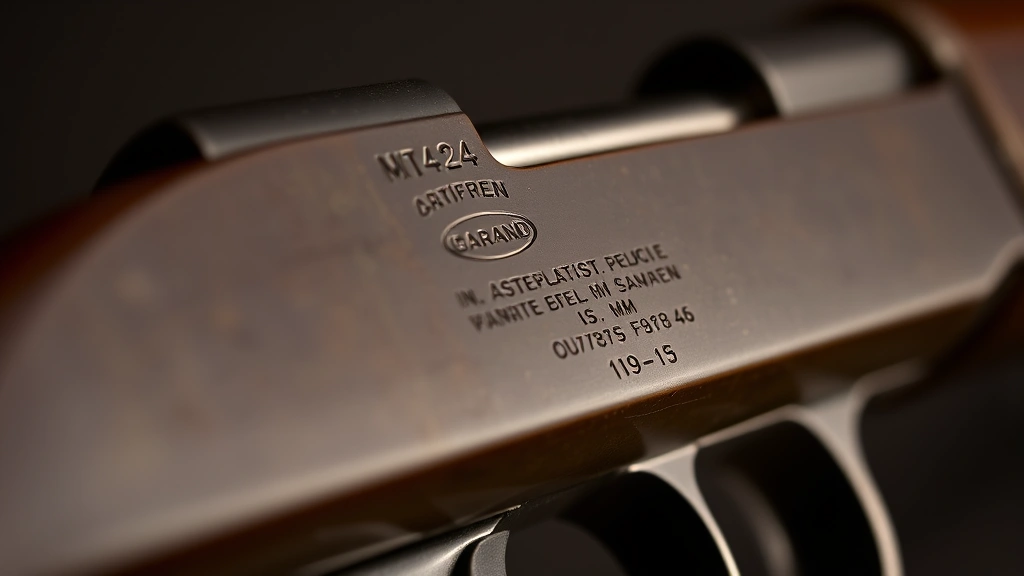
Examine the serial number location and format, which varies by manufacturer and production period. Springfield Armory, Winchester, and International Harvester produced M1 Garands during different eras, each with distinctive serial number characteristics. Research your specific rifle’s manufacturer code to verify authenticity against known production records.
Inspect receiver markings carefully, as counterfeiters sometimes attempt to alter or fabricate manufacturer stamps. Authentic receivers display consistent, clearly-defined markings produced through original manufacturing processes. Use magnification to examine stamp depth, letter clarity, and overall quality. Examine the wood furniture and metal components for manufacturing inconsistencies or signs of recent refinishing.
Request documentation of prior ownership, inspection reports, or professional authentication certificates. Expert gunsmiths and specialized appraisers can examine rifles and provide detailed condition assessments and authenticity opinions. This documentation protects future resale value and provides peace of mind regarding your purchase legitimacy.
Compare asking prices against recent market sales data from auction results and dealer inventories. Exceptionally low prices may indicate condition issues, non-matching parts, or potential counterfeits. Conversely, premium pricing should correspond with documented rarity, exceptional condition, or significant historical provenance.
Verify that all transactions comply with federal and state firearms laws. Confirm that the seller is appropriately licensed for their jurisdiction and that proper background checks and documentation have been completed. Understanding best e-commerce practices for regulated products applies equally to firearms transactions, emphasizing the importance of compliance and transparency.
Request detailed photographs showing the serial number from multiple angles, the barrel condition and markings, the stock quality and any repairs, the operating rod and gas tube, and the trigger group assembly. Professional sellers provide comprehensive documentation and welcome detailed inquiries about condition and authenticity.
FAQ
What is the average price range for an M1 Garand in 2024?
M1 Garand prices vary significantly based on condition, manufacturer, and market demand. Standard examples typically range from $800-$1,500 for rifles in good to very good condition. Exceptional examples, rare manufacturers, or those with documented historical significance may command $2,000-$5,000 or higher. CMP sources offer prices around $700-$1,200, while auction results frequently exceed standard retail pricing.
Do I need a special license to purchase an M1 Garand?
You do not need a special license as a private buyer, but you must comply with federal firearms regulations. Background checks are required for all purchases through licensed dealers. Some states impose additional requirements including waiting periods, permits, or registration. Verify your state and local regulations before attempting to purchase.
Can I purchase an M1 Garand online and have it shipped to my home?
Online purchases must be shipped to a licensed firearms dealer in your state, who will conduct the transfer and background check. The exception is CMP rifles, which ship directly to eligible members’ homes. All other online purchases require FFL transfer involvement to comply with federal law.
What should I look for when inspecting an M1 Garand in person?
Examine the bore condition using a bore light, check for rust or corrosion on metal surfaces, inspect the stock for cracks or repairs, verify serial number authenticity, confirm that all original parts are present, and test the operating mechanism. Have a gunsmith evaluate the rifle if you lack expertise in firearms inspection.
Are surplus M1 Garands safe to shoot?
Properly maintained and authenticated M1 Garands are safe to shoot when used with appropriate ammunition and maintained according to specifications. Have a qualified gunsmith inspect any rifle before firing, especially older surplus examples. Use only .30-06 ammunition and follow all safety protocols.
How do I verify a rifle’s manufacturer?
Manufacturer identification appears in receiver markings, typically on the top or side of the receiver. Research your specific serial number against published manufacturing records for Springfield Armory, Winchester, and International Harvester production. Reference materials and collector association resources provide detailed information about manufacturer-specific characteristics.