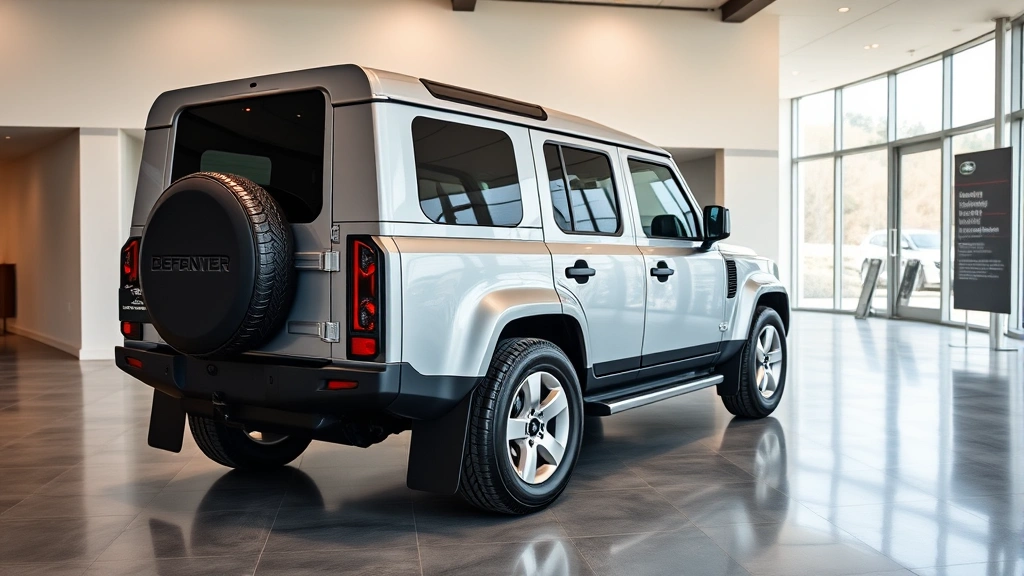
Land Rover Defender 130: Comprehensive Buyer’s Guide for 2023
The Land Rover Defender 130 represents a significant investment for both commercial operators and private buyers seeking a versatile, capable vehicle platform. With its extended wheelbase design, enhanced cargo capacity, and proven off-road credentials, the Defender 130 has become a cornerstone model in the global automotive marketplace. Whether you’re evaluating this vehicle for commercial fleet operations, adventure tourism, or personal use, understanding the market dynamics, pricing structures, and available options is essential for making an informed purchase decision.
The 2023 model year brings refined engineering improvements, updated technology integration, and expanded customization possibilities that distinguish it from previous generations. This comprehensive guide examines the critical factors that influence purchase decisions, from initial acquisition costs to long-term ownership considerations, helping buyers navigate the complex process of selecting the right Defender 130 configuration for their specific needs.
Market Overview and Pricing Dynamics
The Land Rover Defender 130 occupies a unique market segment where commercial utility intersects with premium lifestyle positioning. Current market analysis indicates that Land Rover Defender 130 for sale listings reflect significant regional price variations, influenced by local demand, regulatory requirements, and dealer inventory levels. In 2023, the baseline Defender 130 pricing ranges from approximately $65,000 to $85,000 USD, depending on market location and specification level.
Market research from Cox Automotive demonstrates that premium utility vehicles have experienced sustained demand throughout 2023, with the Defender 130 maintaining strong residual value projections. The extended wheelbase configuration commands a price premium of 8-12% compared to the standard Defender 110, reflecting the additional cargo space and passenger capacity. Buyers should note that dealer markups, destination charges, and regional taxes can add $5,000-$15,000 to advertised base prices.
The secondary market for used Defender 130 models shows robust pricing, with 2022-2023 model year vehicles retaining 75-85% of original purchase price. This strong residual value proposition makes the Defender 130 an attractive option for lease-to-purchase scenarios and fleet operators planning multi-year deployment strategies. Understanding these pricing dynamics helps buyers identify fair market value and negotiate effectively with dealers.
Engine Options and Performance Specifications
The 2023 Defender 130 lineup includes multiple powertrain configurations designed to accommodate diverse operational requirements and emission standards across global markets. The primary engine option is a turbocharged diesel unit producing 201 horsepower and 317 pound-feet of torque, delivering robust pulling capacity suitable for towing operations and challenging terrain. This diesel variant achieves approximately 24-28 miles per gallon combined, making it economical for high-mileage commercial applications.
For markets prioritizing reduced emissions and premium performance, Land Rover offers a petrol-powered option featuring a turbocharged gasoline engine with 296 horsepower and comparable torque delivery. While the petrol variant delivers superior acceleration and refined driving dynamics, fuel consumption typically ranges from 18-22 miles per gallon, making it better suited for private buyers prioritizing performance over operational economy. Both engines pair with an eight-speed automatic transmission featuring intelligent shift logic optimized for varied driving conditions.
The mild-hybrid technology integration across both powertrains enhances efficiency through regenerative braking and engine start-stop functionality, contributing to improved fuel economy without sacrificing driving responsiveness. Towing capacity reaches 3,500 kilograms (7,700 pounds) across configurations, with payload ratings supporting substantial cargo loads essential for commercial deployments. Buyers evaluating engine selection should consider their primary use case, local fuel availability, and long-term ownership projections to determine optimal powertrain alignment.
Interior Features and Technology Integration
The 2023 Defender 130 interior reflects significant advancement in user interface design, material quality, and functional ergonomics compared to earlier generations. The standard infotainment system features a 11.4-inch touchscreen display with intuitive menu architecture, smartphone integration via Apple CarPlay and Android Auto, and voice control functionality supporting multiple languages. This technology foundation enables seamless connectivity for navigation, communication, and entertainment across the extended driving day typical of commercial operations.
Premium trim levels introduce additional features including a configurable digital instrument cluster, premium audio systems from established manufacturers, and enhanced climate control with zone-specific temperature management. Heated and ventilated seating options provide comfort across diverse climatic conditions, while panoramic roof options enhance the sense of spaciousness in the extended cabin. The modular interior architecture allows flexible configuration between passenger and cargo capacity, accommodating everything from executive transport to field operations.
Safety technology integration includes adaptive headlight systems, lane-keeping assistance, collision avoidance systems, and 360-degree camera functionality providing critical visibility during low-speed maneuvering. The comprehensive driver assistance suite addresses modern safety expectations while maintaining the robust, uncluttered interior aesthetic characteristic of the Defender brand. Understanding technology preferences and utilization patterns helps buyers select appropriate trim levels and optional packages without overpaying for underutilized features.
When considering technology investments, buyers should evaluate how these systems integrate with existing fleet management infrastructure. For commercial operators already utilizing analytics tools and data management systems, the Defender 130’s telematics capabilities can provide valuable operational insights into vehicle performance, driver behavior, and maintenance scheduling.
Off-Road Capabilities and Terrain Response
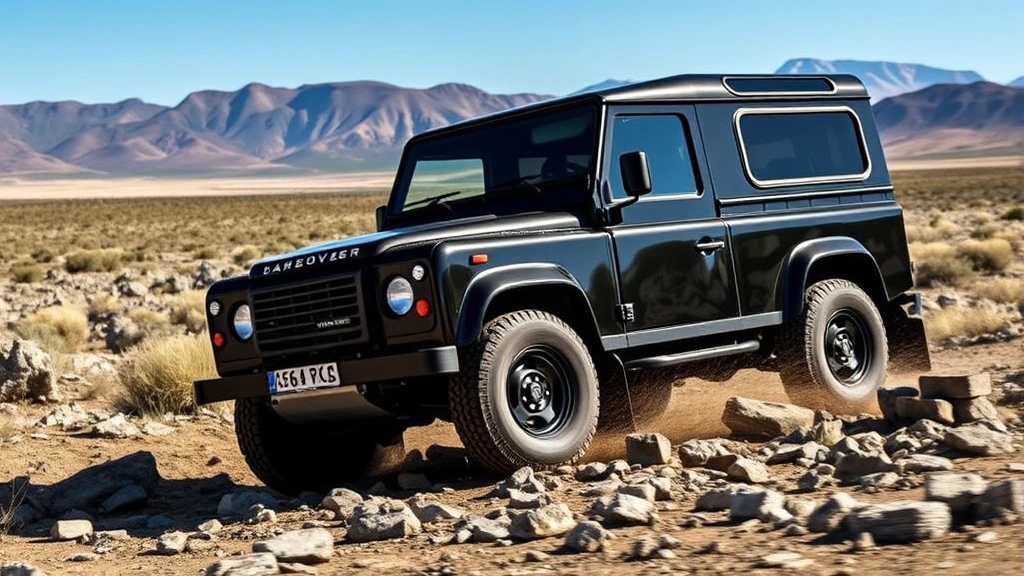
The Defender 130’s engineering foundation prioritizes genuine off-road capability, distinguishing it from lifestyle-oriented competitors. The Terrain Response system automatically adjusts suspension characteristics, traction control parameters, and drivetrain engagement based on detected surface conditions. This intelligent system recognizes sand, mud, rock, and grass environments, optimizing performance without requiring manual intervention. The technology foundation reflects decades of Land Rover experience in extreme environment deployment.
Ground clearance of 283 millimeters combined with optimized approach and departure angles enables navigation through challenging topography while maintaining undercarriage protection. The all-terrain tire options available across configurations provide enhanced grip on loose surfaces while maintaining highway stability and noise characteristics. The independent double-wishbone suspension architecture balances comfort during extended on-road driving with articulation necessary for severe terrain engagement.
Commercial operators evaluating the Defender 130 for expedition support, remote facility access, or challenging terrain deployment should prioritize the all-terrain tire option and underbody protection packages. These additions increase acquisition cost by $2,000-$4,000 but provide substantial long-term value through reduced maintenance requirements and extended operational service life. Testing the Terrain Response system across varied surfaces during the evaluation process provides essential insight into real-world performance alignment with operational requirements.
Customization and Configuration Options
The modular design philosophy underlying the Defender 130 platform enables extensive customization addressing specific operational requirements. Cargo configuration options range from standardized flatbed designs to enclosed commercial bodywork, specialized storage systems, and integrated equipment mounting. Commercial buyers can specify factory-integrated solutions for tools, hydraulic systems, and specialized equipment, eliminating aftermarket fabrication costs and ensuring warranty compliance.
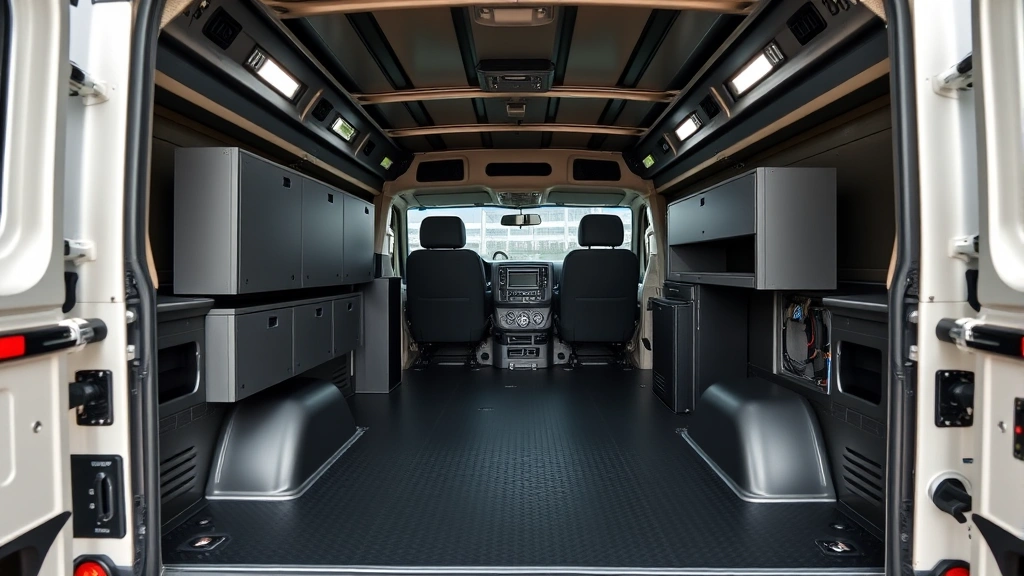
Interior customization extends beyond aesthetic selections to functional modifications including reinforced flooring for heavy equipment transport, integrated tie-down systems, and specialized seating configurations. Buyers can select between basic commercial-grade materials and premium trim finishes, allowing budget optimization without sacrificing capability. The extended length of the 130 chassis provides approximately 1,000 liters of additional cargo volume compared to the standard 110 model, translating to meaningful capacity advantages for commercial applications.
Roof-mounted equipment options include integrated roof racks, safari bars, and specialized carrier systems accommodating everything from spare fuel containers to expedition equipment. The modular nature of these systems allows phased implementation, enabling buyers to expand capabilities as operational requirements evolve. Understanding your specific customization requirements before entering dealer negotiations enables more effective specification and pricing discussions.
Financing and Purchase Strategies
Prospective Defender 130 buyers should evaluate financing options beyond traditional dealership offers. Manufacturer financing programs often provide competitive interest rates for qualified buyers, with promotional periods featuring reduced rates on specific trim levels or configurations. Comparing manufacturer offers against independent bank financing and credit union options frequently reveals 1-3% interest rate variations with substantial long-term payment implications.
Commercial buyers should explore fleet financing programs offering volume discounts and specialized terms accommodating multi-vehicle deployments. Established fleet financiers understand the operational requirements and residual value characteristics of commercial vehicles, often providing more favorable terms than consumer-focused lenders. Lease-to-purchase arrangements can provide tax advantages for commercial operators while managing capital expenditure timing.
Timing purchase decisions around model year transitions often yields negotiating advantages, with dealers motivated to clear previous year inventory. End-of-quarter and end-of-year periods typically feature enhanced incentives as dealerships pursue sales targets. Building relationships with multiple dealers through marketplace platforms and dealer networks enables competitive bidding on available inventory and improved negotiating position.
Trade-in valuations should be obtained from multiple sources, including independent appraisers and competing dealerships, ensuring fair credit toward new Defender 130 acquisition. Many buyers discover that private sale of existing vehicles yields superior returns compared to dealer trade-in allowances, justifying the additional administrative complexity.
Ownership Costs and Maintenance
Long-term ownership economics significantly influence the true cost of Defender 130 acquisition beyond initial purchase price. Scheduled maintenance costs are moderately predictable, with factory service intervals of 12 months or 15,000 kilometers, whichever occurs first. Annual maintenance expenses typically range from $600-$1,200 depending on service complexity and parts costs in your geographic market. Diesel variants generally achieve lower maintenance costs than petrol models over extended ownership periods.
Insurance premiums for the Defender 130 reflect its utility vehicle classification and safety performance, typically ranging from $1,200-$2,000 annually depending on driver age, location, and coverage selections. Commercial use policies command higher premiums than private use classifications, with operators managing multiple vehicles often accessing fleet insurance programs offering meaningful discounts. Obtaining insurance quotes prior to purchase finalization enables accurate total cost assessment.
Fuel consumption economics vary substantially based on driving patterns, terrain characteristics, and load factors. Commercial operators averaging 20,000-30,000 kilometers annually should budget accordingly, with diesel fuel economy providing meaningful advantages for high-mileage applications. Tire replacement costs occur typically every 50,000-70,000 kilometers depending on driving style and terrain characteristics, with premium all-terrain tire options representing significant periodic expenses.
Depreciation projections indicate strong residual value retention, with three-year-old Defender 130 models typically retaining 70-80% of original purchase price. This favorable depreciation trajectory reduces effective ownership costs compared to vehicles experiencing steeper value decline. Understanding these ownership cost components enables informed budgeting and prevents unexpected expense surprises during the ownership cycle.
When evaluating total acquisition and ownership costs, consider how the Defender 130 integrates with broader commercial operations. Buyers operating fleet-based businesses might benefit from exploring e-commerce platforms and digital tools for fleet management and maintenance tracking, optimizing operational efficiency across their vehicle portfolio.
Frequently Asked Questions
What is the typical waiting period for new Defender 130 deliveries?
Current delivery timelines range from 4-8 months depending on geographic location, specification complexity, and dealer inventory levels. Buyers should confirm expected delivery dates during initial ordering to align vehicle acquisition with operational timelines. Some dealers maintain allocated inventory enabling faster delivery for standard configurations.
Are there significant differences between model years 2022 and 2023?
The 2023 model year introduced refinements to infotainment software, enhanced suspension tuning, and expanded customization options. These changes are evolutionary rather than revolutionary, with 2022 models remaining capable vehicles. Buyers should evaluate specific feature requirements rather than assuming newer model years provide proportionally greater value.
How does the Defender 130 compare to competitor extended-wheelbase utility vehicles?
The Defender 130 competes directly with vehicles like the Toyota Land Cruiser and Ford Expedition across different market segments. The Defender 130 emphasizes genuine off-road capability and modular customization, while competitors often prioritize on-road refinement and passenger comfort. Direct comparison testing with competing models helps identify optimal alignment with specific requirements.
What warranty coverage applies to new Defender 130 purchases?
Standard manufacturer warranty provides three years or 60,000 kilometers of comprehensive coverage, with extended warranty options available through dealers. Commercial operators should carefully review warranty terms regarding mileage limitations and usage restrictions, as some policies impose constraints on high-mileage commercial deployment.
Can the Defender 130 accommodate aftermarket modifications without warranty concerns?
While the Defender 130 supports substantial customization, major structural modifications or engine alterations may void certain warranty provisions. Buyers should obtain written warranty confirmation from dealers prior to authorizing aftermarket work. Factory-approved customization options eliminate warranty complications while ensuring proper integration and performance alignment.
What financing terms typically apply to commercial Defender 130 acquisitions?
Commercial financing often extends to 60-84 months with terms reflecting operational use patterns and expected vehicle lifecycle. Interest rates for commercial buyers typically range from 4-7% depending on creditworthiness, down payment percentage, and current market conditions. Fleet buyers should explore volume discounts and specialized commercial financing programs offering improved economics.
How does the Defender 130’s fuel consumption compare to competitor models?
The diesel variant achieves approximately 24-28 miles per gallon combined, positioning it competitively against similarly-sized utility vehicles. Real-world consumption varies significantly based on driving patterns, terrain characteristics, and load factors. Commercial operators should conduct fuel consumption testing under actual operational conditions to refine budgeting accuracy.
Are certified pre-owned Defender 130 models available with warranty coverage?
Many Land Rover dealers offer certified pre-owned programs providing comprehensive warranty coverage on qualifying vehicles. These programs typically cover models within 3-5 years of original manufacture with mileage below 60,000 kilometers. Certified programs provide greater assurance than private party purchases while offering pricing advantages compared to new vehicle acquisition.