Where to Buy Bunnies? Complete Guide to Finding Trusted Sellers
The pet rabbit market has experienced significant growth over the past decade, with the global pet care industry valued at over $261 billion in 2023. As more households consider adding a bunny to their family, understanding where to source these animals from reputable sellers becomes increasingly critical. Whether you’re seeking a Holland Lop, Flemish Giant, or mixed breed rabbit, knowing how to identify trustworthy breeders and sellers can mean the difference between a healthy, well-adjusted companion and potential health complications.
Purchasing a bunny requires careful consideration of seller credentials, animal welfare standards, and your own preparedness as a rabbit owner. This comprehensive guide explores the most reliable channels for acquiring bunnies, evaluates different seller types, and provides actionable strategies for ensuring you bring home a healthy, ethically-sourced animal. We’ll examine everything from established breeders to rescue organizations, online marketplaces, and local resources that connect buyers with sellers.
Understanding the Rabbit Market Landscape
The bunny sales market encompasses multiple distribution channels, each with distinct characteristics regarding animal welfare, pricing, and seller reliability. According to the American Pet Products Association, approximately 2.1 million households in the United States own pet rabbits, representing a substantial consumer base driving demand for quality animals. Understanding market segmentation helps buyers navigate options strategically and avoid common pitfalls associated with impulse purchases or unethical breeding operations.
The rabbit acquisition landscape includes several primary categories: professional breeders registered with national organizations, local hobbyist breeders, rescue organizations, online classified platforms, and traditional pet retail establishments. Each channel presents different advantages and risks. Professional breeders typically maintain detailed genetic records and health documentation, while rescues offer the advantage of adopting animals already acclimated to human interaction. Online platforms provide convenience but require heightened due diligence regarding seller verification. Understanding these distinctions enables informed decision-making aligned with your specific needs and values.
Market research indicates that rabbit owners increasingly prioritize ethical sourcing and animal welfare considerations when selecting where to buy bunnies. This shift reflects broader consumer trends favoring transparency and responsible business practices across the pet industry. B2B sales channels within the pet industry also reflect this emphasis on documented quality standards and accountability throughout the supply chain.
Registered Breeders and Breed Associations
Registered breeders represent the most structured and transparent option for purchasing purebred rabbits with documented lineage and health histories. The American Rabbit Breeders Association (ARBA), founded in 1910, maintains a directory of registered breeders across the United States who adhere to established breed standards and ethical breeding practices. ARBA-registered breeders are required to follow specific guidelines regarding animal care, breeding frequency, and health documentation, providing buyers with measurable quality assurance.
When sourcing bunnies from registered breeders, expect detailed information about parentage, genetic health screening, and breed-specific characteristics. Quality breeders maintain comprehensive records documenting genetic lineage, hereditary health conditions, and vaccination histories. They typically provide written health guarantees and may offer support throughout the rabbit’s lifetime. Prices for registered rabbits generally range from $25 to $75 for standard breeds, with specialty or show-quality animals commanding premium pricing up to $200 or more.
Reputable registered breeders prioritize long-term customer relationships and animal welfare above profit margins. They screen potential buyers to ensure appropriate living conditions and demonstrate commitment to responsible ownership. Many require signed agreements stipulating that if circumstances change, the rabbit should be returned to the breeder rather than surrendered to shelters. This level of accountability distinguishes professional breeders from casual sellers motivated primarily by financial gain.
To locate registered breeders, visit the ARBA official website, which maintains a searchable breeder directory organized by location and breed. Additionally, breed-specific clubs affiliated with ARBA maintain their own registries and can provide referrals to reputable sellers specializing in particular rabbit varieties.
Local Rabbit Rescues and Shelters
Rabbit rescue organizations represent an increasingly viable option for acquiring bunnies while supporting animal welfare initiatives. The House Rabbit Society, established in 1988, coordinates a network of volunteer-operated rabbit rescues across North America dedicated to providing medical care, behavioral rehabilitation, and placement services for abandoned and surrendered rabbits. Adopting from rescues typically costs $35 to $75, with adoption fees covering spay/neuter procedures, vaccinations, and veterinary assessments.
Rescue rabbits offer distinct advantages beyond the ethical satisfaction of adoption. Most rescue organizations provide detailed behavioral assessments documenting temperament, handling preferences, and compatibility with other animals or children. Rabbits have already been socialized with humans and often have established personalities, enabling better compatibility matching. Rescue staff can provide specific guidance regarding individual animal needs and recommend appropriate living arrangements. Additionally, rescue organizations typically offer post-adoption support including dietary counseling, behavior consultation, and medical referrals.
To find local rabbit rescues, search for “rabbit rescue near me” or consult the House Rabbit Society volunteer network, which maintains listings of affiliated organizations nationwide. Many shelters and general animal rescue facilities also house rabbits requiring homes. Regular visits to local shelters can reveal available animals, though shelter staff may lack specialized rabbit knowledge compared to dedicated rescue organizations.
Online Marketplaces and Classified Platforms
Online classified platforms including Craigslist, Facebook Marketplace, and Nextdoor have become primary channels for private sellers offering bunnies for sale. These platforms provide convenience and often feature competitive pricing, with animals typically listed between $10 and $50. However, online marketplaces present elevated risks regarding seller credibility, animal health documentation, and ethical breeding practices. Buyers must exercise substantial due diligence when evaluating listings and communicating with sellers through these channels.
When browsing online platforms for bunnies, prioritize listings providing detailed information about breed, age, vaccination status, and behavioral characteristics. Request multiple photographs documenting the animal’s current condition and living environment. Legitimate sellers respond promptly to inquiries, provide honest answers to health-related questions, and welcome in-person viewings before purchase completion. Be cautious of sellers unwilling to allow inspection, offering unrealistically low prices, or unable to provide basic information about the animal’s background.
Online marketplaces occasionally feature animals from backyard breeding operations lacking proper care standards or genetic health screening. Compare pricing across multiple listings to identify outliers suggesting either exceptional value or potential quality issues. Request veterinary records, vaccination documentation, and information about parents’ health history. Arrange meetings in public locations when possible and bring a knowledgeable companion to assess animal condition and seller credibility. Like researching trucks for sale near me, finding quality animals requires systematic evaluation and verification.
Pet Store Considerations
Traditional pet retail stores represent a convenient but controversial option for acquiring bunnies. While some independent pet retailers maintain high standards and source animals from reputable breeders, many commercial pet store chains obtain rabbits from large-scale breeding operations prioritizing volume over animal welfare. Industry investigations by animal welfare organizations have documented concerning conditions at facilities supplying mass-market pet retailers, including inadequate veterinary care, poor housing standards, and insufficient socialization.
Pet store rabbits typically cost $20 to $60, making them price-competitive with other sources. However, animals sourced from problematic breeding facilities often experience higher rates of genetic health issues, behavioral problems, and shortened lifespans. Pet store staff frequently lack specialized rabbit knowledge, providing inaccurate care guidance that contributes to poor ownership outcomes. Additionally, pet stores may offer minimal health guarantees or documentation regarding animal background and parentage.
If purchasing from pet retailers, conduct research regarding the specific store’s sourcing practices and supplier standards. Ask staff directly about breeder relationships and request documentation regarding the animal’s origin. Examine the rabbit’s physical condition, housing environment, and apparent behavioral state. Verify that the store offers health guarantees and has access to veterinary care. Whenever possible, prioritize alternative sources offering greater transparency and alignment with ethical animal welfare standards.
Evaluating Seller Credibility
Distinguishing trustworthy bunny sellers from unreliable operators requires systematic evaluation of multiple credibility indicators. Professional sellers maintain detailed records, respond to inquiries comprehensively, welcome physical inspections, and provide written documentation regarding animal health, vaccination status, and genetic background. Credible breeders ask potential buyers questions about their living situation, rabbit experience, and long-term commitment, demonstrating genuine concern for placement success rather than mere transaction completion.
Evaluate seller communication patterns, responsiveness, and willingness to address concerns. Reputable sellers provide honest answers about breed characteristics, potential health issues, and realistic care requirements. They discourage impulse purchases and may decline sales to buyers perceived as unprepared for rabbit ownership responsibilities. Request references from previous customers and follow up with actual contact to verify satisfaction and animal health outcomes. Check online reviews and ratings across multiple platforms, recognizing that established sellers typically maintain consistent positive feedback.
Warning signs indicating unreliable sellers include pressure tactics emphasizing limited availability, unwillingness to allow pre-purchase inspections, inability or refusal to provide health documentation, evasiveness regarding breeding practices, and prices significantly lower than market standards. Sellers operating from residential addresses without ARBA registration or breed association affiliation may still be legitimate, but lack third-party accountability structures. Trust your instincts when interactions feel uncomfortable or seller responses seem evasive.
Health Screening and Quarantine Protocols
Implementing health screening and quarantine procedures protects both newly acquired rabbits and existing household animals. Request veterinary health certificates from sellers documenting recent examinations, vaccination status, and absence of communicable diseases. Schedule a veterinary appointment within one week of acquisition, allowing a veterinarian to conduct comprehensive physical examination and identify any underlying health concerns. Many health issues present asymptomatically initially but become apparent during professional evaluation.
Quarantine newly acquired rabbits separately from existing animals for minimum two weeks, using this period to observe behavior, monitor digestive health, and assess social compatibility. Provide separate food and water sources, bedding materials, and litter facilities. Quarantine prevents potential disease transmission while allowing adjustment periods for both new and established animals. Observe the rabbit’s appetite, fecal consistency, respiratory function, and behavior patterns. Any signs of illness including discharge, labored breathing, diarrhea, or behavioral changes warrant immediate veterinary attention.
Discuss vaccination requirements with your veterinarian, as recommendations vary by geographic location and housing situation. Indoor rabbits may require different preventive protocols than outdoor animals. Establish relationships with veterinarians experienced in rabbit medicine, as general practitioners sometimes lack specialized knowledge regarding rabbit-specific health conditions and treatments. Budget $150 to $300 annually for routine veterinary care including examinations, vaccinations, and preventive treatments.
Pricing Benchmarks and Market Rates
Understanding market pricing for bunnies enables identification of value opportunities and recognition of suspiciously low or inflated prices. Standard breed rabbits from reputable sources typically cost $25 to $75, with variations based on breed rarity, animal age, and seller credentials. Show-quality animals from championship bloodlines may command $100 to $300 or higher. Rescue adoption fees typically range $35 to $75, covering spay/neuter procedures and medical care. Online classified listings and pet stores generally offer the lowest prices, ranging $10 to $50, but may reflect compromised welfare standards or health documentation.
Premium pricing doesn’t automatically guarantee superior quality, nor do bargain prices necessarily indicate poor value. Evaluate pricing within context of seller credentials, documentation provided, health guarantees offered, and animal condition. Compare prices across multiple sources for specific breeds to establish realistic market expectations. Recognize that lowest-price sellers may prioritize volume over individual animal welfare, potentially resulting in higher veterinary costs and shortened lifespans offsetting initial savings.
Factor total acquisition costs including veterinary examinations, supplies, housing, and food when evaluating overall investment. A slightly higher initial purchase price from a credible breeder providing health documentation and ongoing support often represents superior long-term value compared to bargain animals requiring extensive medical intervention. Like evaluating Ford trucks for sale, purchasing bunnies requires considering comprehensive value propositions rather than fixating on acquisition price alone.
Legal Considerations for Rabbit Ownership
Before acquiring a bunny, verify that local zoning regulations and housing restrictions permit rabbit ownership. Some municipalities prohibit rabbits entirely, while others impose limits on animal quantity or require specific housing standards. Apartment leases frequently restrict pet ownership or impose additional fees. Verify compliance with local regulations before purchase to avoid situations requiring animal surrender or relocation. Contact local animal control or zoning departments to confirm requirements applicable to your specific jurisdiction.
Certain rabbit breeds face size restrictions in specific locations. Large breeds including Flemish Giants may be prohibited in areas with weight-based animal regulations. Review documentation regarding your rabbit’s breed classification and anticipated adult size to ensure compliance. Some jurisdictions require animal licenses or registration, with associated fees and documentation requirements. Budgeting for these administrative costs ensures smooth ownership transition without legal complications.
If acquiring a bunny through online marketplaces or private sales, request written documentation confirming sale agreement terms, health guarantees, and return policies. Written contracts protect both parties and provide recourse if disputes arise regarding animal condition or seller representations. Clarify whether the seller assumes responsibility for animal return if ownership circumstances change, or whether the buyer retains full responsibility for lifetime care or rehoming.
Building Your Rabbit Care Network
Successful rabbit ownership extends beyond initial acquisition to establishing ongoing support networks and resources. Identify veterinarians specializing in exotic pet or rabbit medicine before acquiring your animal, ensuring immediate access to qualified care if health emergencies develop. Locate nearby rabbit rescues and breed clubs where you can access community support, behavioral guidance, and referrals for specialized services. Join online rabbit communities and forums where experienced owners share knowledge regarding care best practices, health concerns, and behavioral management.
Invest in comprehensive rabbit care resources including books, educational websites, and veterinary consultations during the adjustment period. Many new rabbit owners discover that proper care requires more substantial commitment than anticipated, making pre-acquisition education critical for success. Experienced rabbit communities provide invaluable guidance regarding diet adjustments, behavioral issues, and environmental enrichment strategies that enhance animal welfare and owner satisfaction.
Consider your long-term commitment to rabbit ownership, recognizing that rabbits live 8 to 12 years on average. Plan for potential life changes including relocations, health challenges, or family circumstances that might impact your ability to provide appropriate care. Identify backup caregivers or emergency resources if you become unable to manage daily responsibilities. This forward-thinking approach ensures your rabbit receives consistent, quality care throughout its lifetime regardless of changing circumstances.

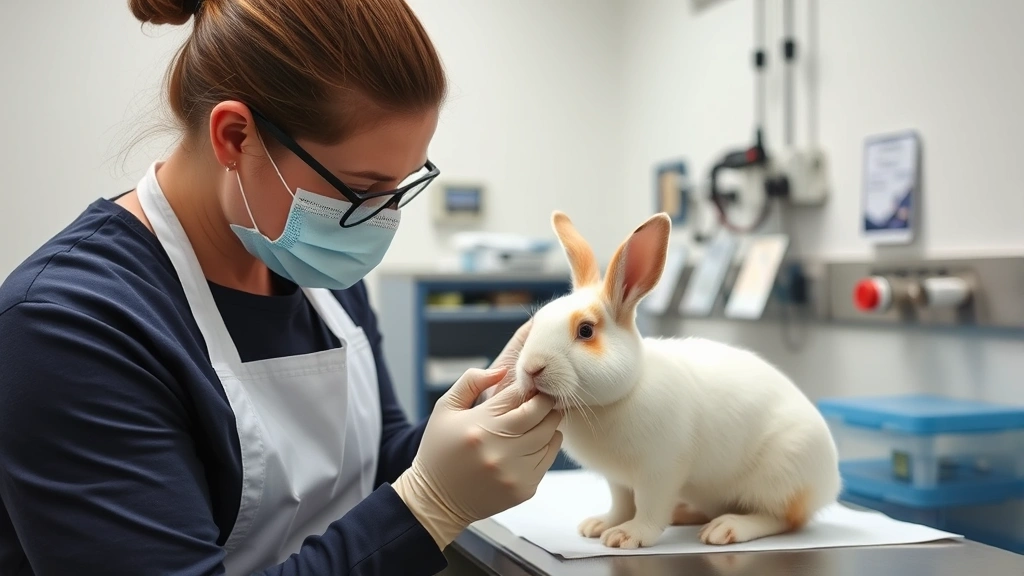
” alt=”Professional breeder examining young rabbit with stethoscope in modern facility with proper ventilation and housing standards”>
Comparing Acquisition Channels: Comprehensive Analysis
Direct comparison of different bunny acquisition channels reveals distinct trade-offs between convenience, cost, ethical considerations, and long-term value. Registered breeders provide superior documentation, genetic screening, and ongoing support but require advance planning and may involve travel. Rescue organizations offer ethical satisfaction and behavioral assessments but provide limited breed selection. Online marketplaces deliver convenience and competitive pricing but demand substantial due diligence. Pet retailers offer immediate availability but frequently involve questionable sourcing practices.
Your optimal acquisition channel depends on specific priorities, budget constraints, breed preferences, and values regarding animal welfare. Buyers prioritizing ethical sourcing and long-term support should consider registered breeders or rescue organizations despite potentially higher initial costs or longer acquisition timelines. Cost-conscious buyers seeking common breeds might explore online marketplaces while implementing rigorous seller verification protocols. Buyers with specific breed requirements and limited local options may justify travel to access reputable regional breeders.
Document your decision-making process and prioritization criteria before beginning your search. This approach prevents emotional impulse purchases and ensures alignment between acquisition channel, personal values, and long-term ownership capacity. Like researching lifted trucks for sale, finding the right bunny requires systematic evaluation rather than reactive decision-making.
Post-Purchase Support and Resources
Quality sellers provide ongoing support extending well beyond transaction completion. Reputable breeders remain accessible for behavioral questions, dietary guidance, and health concerns throughout the rabbit’s lifetime. Many offer replacement guarantees if genetic health issues emerge, or accept animals back if ownership circumstances change. This level of commitment demonstrates genuine investment in placement success rather than mere profit maximization.
Establish written communication channels with your seller and document any agreements regarding post-purchase support. Clarify expectations regarding response timeframes for inquiries, availability for consultation, and willingness to provide guidance as your rabbit matures and exhibits individual personality traits. Quality seller relationships often evolve into valuable ongoing resources as you navigate rabbit ownership challenges and celebrate milestones.
Consider how to start an Etsy shop if you eventually become interested in selling rabbit-related products or services; many rabbit enthusiasts transition from ownership to community contribution through various entrepreneurial endeavors. This pathway allows experienced owners to share knowledge while generating supplementary income.

” alt=”Family with two children holding rabbits in outdoor garden setting with proper housing structure visible in background”>
Industry Trends and Future Considerations
The pet rabbit market continues evolving as consumer preferences shift toward ethical sourcing and transparency. Industry analysts project increased demand for rabbits from rescue organizations and registered breeders as awareness grows regarding welfare concerns associated with mass-market breeding operations. E-commerce platforms increasingly facilitate direct breeder-to-consumer transactions, reducing reliance on traditional retail channels while enabling greater transparency regarding sourcing practices.
Technological innovations including genetic testing and health documentation systems enable breeders to provide unprecedented transparency regarding animal backgrounds and health screening. Blockchain-based verification systems may eventually facilitate verification of breeder credentials and animal histories, further enhancing buyer confidence in ethical sourcing. These developments support broader industry movement toward accountability and animal welfare prioritization.
Regulatory environments continue evolving, with some jurisdictions implementing stricter standards for commercial breeding operations and pet retail facilities. These regulatory changes may reduce availability of rabbits from problematic sources while increasing costs for suppliers implementing higher welfare standards. Buyers valuing ethical sourcing can expect gradual market improvements as regulatory and consumer pressures drive industry transformation.
Frequently Asked Questions
What’s the best source for acquiring a healthy bunny?
Registered breeders affiliated with ARBA provide the highest quality assurance through documentation and health screening, while rescue organizations offer ethical satisfaction and behavioral assessments. Your optimal choice depends on breed preferences, budget, and values regarding animal welfare. Both sources generally produce better outcomes than mass-market pet stores or unvetted online sellers.
How much should I expect to pay for a rabbit?
Standard breed rabbits from reputable sources typically cost $25 to $75, with show-quality animals commanding higher prices. Rescue adoptions generally cost $35 to $75 including medical procedures. Online classifieds and pet stores offer lower prices ($10-$50) but may involve compromised documentation or welfare standards.
What questions should I ask before purchasing a bunny?
Inquire about the rabbit’s age, breed, vaccination status, genetic health screening, parentage documentation, behavioral characteristics, dietary history, and any known health issues. Request veterinary records and references from previous buyers. Ask about the seller’s experience, breeding practices, and post-purchase support availability.
How do I verify a seller’s credibility?
Check ARBA registration, request references from previous customers, review online ratings across multiple platforms, examine documentation provided, assess communication responsiveness, and observe willingness to answer detailed questions. Legitimate sellers welcome inspections, provide comprehensive information, and demonstrate genuine concern for placement success.
Should I adopt from a rescue or purchase from a breeder?
Both options have merit. Rescue organizations provide ethical satisfaction and behavioral assessments, while breeders offer genetic documentation and specific breed selection. Consider your priorities regarding breed preferences, ethical sourcing, behavioral predictability, and willingness to provide special-needs animals with rehabilitation support.
What health screening should I perform after acquiring a bunny?
Schedule a veterinary examination within one week of acquisition. Implement quarantine procedures if you have existing animals. Monitor appetite, digestive health, respiratory function, and behavior patterns. Discuss appropriate vaccinations and preventive care with your veterinarian based on your specific situation and geographic location.
Are online classified platforms safe for purchasing rabbits?
Online marketplaces can be viable but require heightened due diligence. Prioritize detailed listings with multiple photographs, request veterinary documentation, meet sellers in person before purchase, and trust your instincts regarding credibility. Compare pricing across multiple listings to identify outliers suggesting quality concerns.