Find Used Lawn Mowers Nearby: Your Complete Local Deals Guide
Finding a quality used lawn mower in your area doesn’t have to be overwhelming. Whether you’re a homeowner looking to save money or someone just starting their lawn care business, the used equipment market offers tremendous value. The average used lawn mower costs 40-60% less than new models, making it an attractive option for budget-conscious buyers. However, navigating local listings, inspecting equipment properly, and negotiating fair prices requires knowledge and strategy.
This comprehensive guide walks you through every step of finding, evaluating, and purchasing used lawn mowers near you. From understanding where to look online and offline to recognizing red flags during inspections, we’ll cover everything you need to secure the best deal possible. With millions of lawn mowers sold annually in the secondhand market, understanding the landscape helps you avoid common pitfalls and find equipment that meets your specific needs.
The used equipment marketplace has transformed dramatically over the past decade. Digital platforms now connect buyers and sellers instantly, while traditional methods like classified ads and local dealers remain viable options. Understanding which channels work best for your situation—whether you need a push mower, riding mower, or zero-turn machine—directly impacts your success and satisfaction with your purchase.
Where to Find Used Lawn Mowers Locally
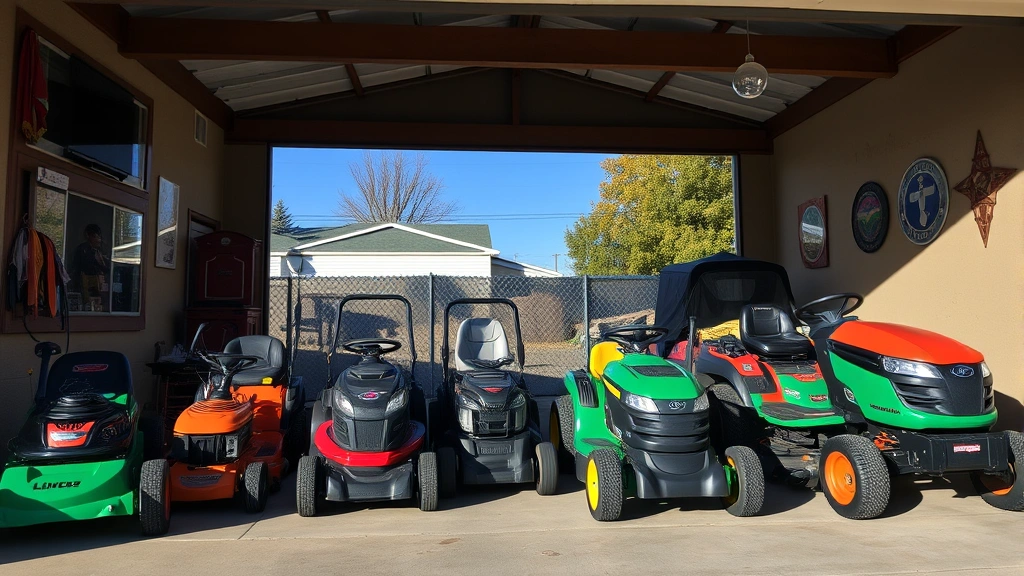
Local purchasing options provide immediate access to equipment and opportunities to inspect items before buying. Exploring multiple channels increases your chances of finding the perfect mower at the right price. Start by checking garage sales near you, where homeowners often sell lawn care equipment they no longer need. Garage sales typically feature lower prices than commercial listings, though selection varies significantly by location and season.
Lawn equipment rental centers and outdoor power equipment dealerships frequently maintain used equipment sections. These establishments often recycle rental inventory or accept trade-ins from customers upgrading to newer models. Dealerships provide advantages like basic warranties, maintenance records, and knowledgeable staff who can answer technical questions. Many dealerships also offer financing options, making larger purchases more manageable. Local landscaping companies sometimes sell surplus equipment, especially at season’s end when they upgrade their fleets.
Pawn shops and general secondhand stores in your area may stock lawn mowers, particularly in suburban and rural regions. While selection isn’t guaranteed, prices tend to be competitive, and these retailers often negotiate. Hardware stores like Home Depot and Lowe’s occasionally sell used equipment through their local rental departments. Farmers markets and agricultural co-ops in rural areas frequently have bulletin boards with equipment listings and direct seller contact information.
Community groups and neighborhood associations sometimes organize equipment swaps or maintain digital marketplaces for members. These venues typically offer trustworthy sellers within your community and provide networking opportunities. Church bulletins, community centers, and local newspapers still feature classified sections where residents list equipment for sale. While less flashy than digital platforms, these traditional channels reach specific demographics and local audiences.
Online Platforms and Marketplaces
Digital marketplaces have revolutionized how buyers and sellers connect. Facebook Marketplace dominates local online sales, offering millions of listings with location-based filtering. The platform’s review system and messaging features facilitate communication, though buyer protection is limited compared to dedicated commerce platforms. Craigslist remains a significant marketplace despite its age, with substantial lawn equipment listings in most metropolitan areas. The site’s simplicity appeals to sellers, resulting in competitive pricing, though scams do occur.
OfferUp and Letgo have merged into a single platform that emphasizes local transactions with built-in messaging and payment protection. These apps integrate shipping options for buyers willing to pay delivery fees, expanding your geographic reach. Marketplace.com, owned by Facebook, provides similar functionality with additional trust signals. eBay’s classified section offers nationwide listings with seller ratings and feedback systems providing transparency. For specialty equipment, GovDeals auctions government surplus equipment including lawn mowers at significant discounts.
Nextdoor, a hyperlocal social network, connects neighbors directly. Sellers on Nextdoor tend to be vetted community members, reducing fraud risk. The platform’s neighborhood focus creates trust and accountability. Craigslist alternatives like Backpage and classified sections on local news websites serve specific regions. Some areas have independent classified sites serving their communities exclusively. Amazon Renewed sells certified refurbished lawn mowers with return guarantees, though selection varies by location.
Specialty equipment marketplaces like Machinery Values cater to commercial and professional buyers seeking used landscaping equipment. These sites often feature detailed specifications and auction features. Local Craigslist equivalents vary by region—some areas have dedicated used equipment sites with stronger communities. Understanding which platforms dominate in your area helps you focus your search effectively and avoid missing deals on less obvious sites.
When using online platforms, set up saved searches with specific parameters. Most sites allow filtering by price range, mower type, condition, and proximity to your location. Enable notifications so you receive alerts when new listings matching your criteria appear. Popular items sell quickly, so prompt responses increase your chances of securing good deals. Comparative shopping across platforms takes time but ensures you’re not overpaying.
Inspecting Used Lawn Mowers
Proper inspection before purchase prevents costly mistakes and buyer’s remorse. Start by examining the mower’s overall condition. Look for rust, dents, and paint condition indicating how well the previous owner maintained the equipment. Surface rust suggests age and outdoor storage, while deep rust indicates neglect or damage. Check the deck for dents that might affect cutting performance or airflow. Examine the frame for cracks or welding repairs that could indicate previous damage.
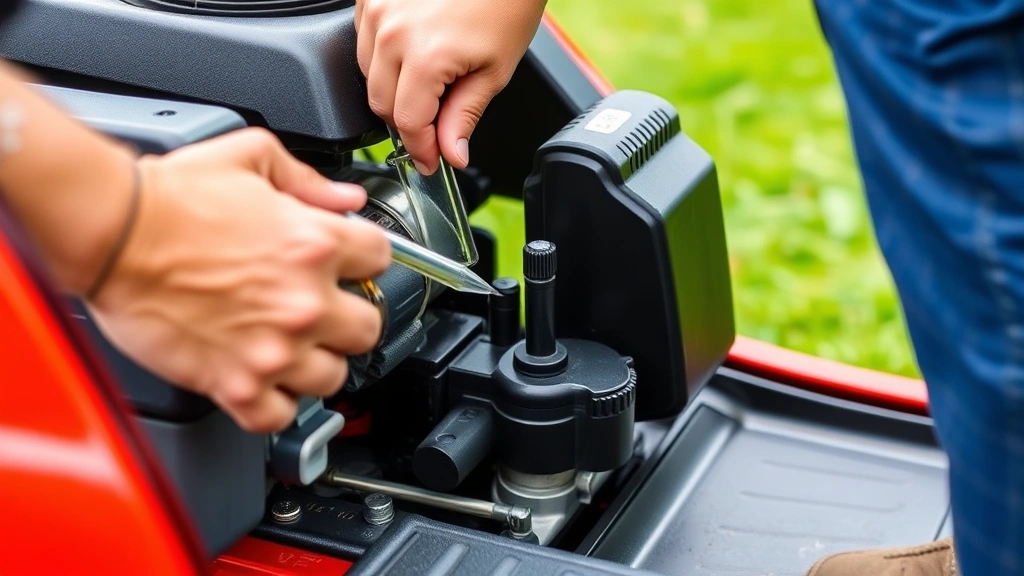
Engine condition directly impacts functionality and longevity. Start the mower and listen for smooth operation without knocking, grinding, or excessive rattling. Black smoke indicates rich fuel mixture or oil burning, while white smoke suggests coolant burning. Let the engine run for several minutes to ensure it doesn’t overheat or stall. Check the oil level and condition—dark, thick oil suggests neglect, while clean oil indicates proper maintenance. Examine spark plugs for heavy carbon buildup or damage.
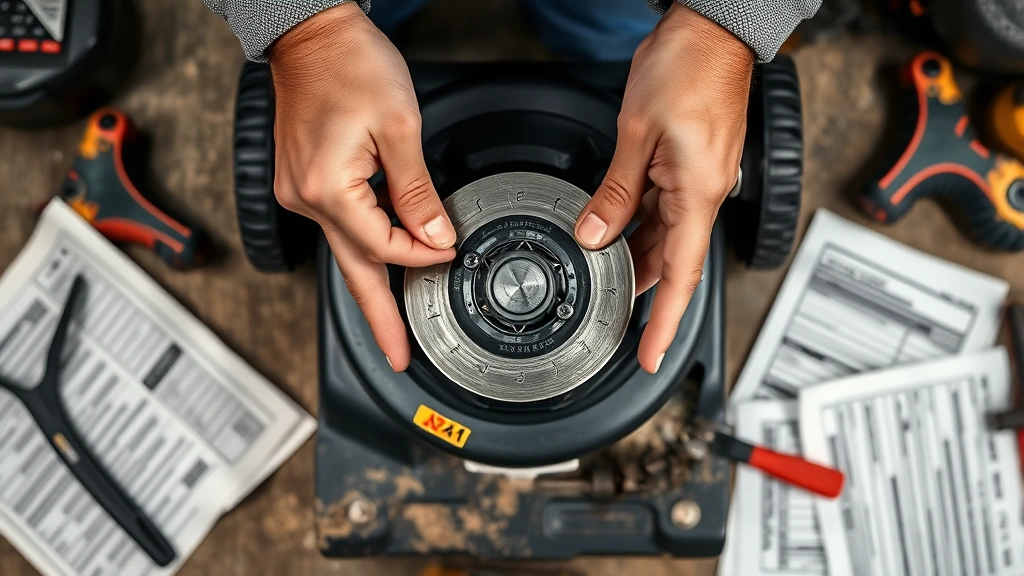
The fuel system requires careful evaluation. Sniff the fuel tank for stale, varnished fuel smell indicating prolonged storage. Ask about the last fuel change and whether fuel stabilizer was used during off-season storage. Clogged fuel lines and carburetors often result from bad fuel sitting too long. Test the blade by rotating it by hand (with spark plugs removed for safety). Blades should spin freely without binding, and cutting edges should be relatively sharp.
Inspect the transmission and drive systems thoroughly. For riding mowers, test forward and reverse gears in neutral and in gear. Listen for grinding sounds indicating clutch or transmission problems. Check tire condition and pressure—cracked, bald, or flat tires suggest neglect and require replacement. Test the steering for excessive play indicating worn components. On push mowers, examine the handle for cracks and test the dead-man switch functionality.
Request maintenance records and service history from the seller. Documented regular oil changes, filter replacements, and seasonal maintenance indicate responsible ownership. Ask about any repairs, parts replacements, or modifications made to the equipment. Understanding the mower’s history helps predict future reliability. For commercial or high-use equipment, verify that professional maintenance was performed. Request the original manual and warranty information if available.
Test the mower’s cutting performance if possible. Ask the seller to demonstrate the mower in operation on actual grass. Observe whether the cut is even across the deck and whether the mower maintains consistent height. Listen for unusual noises during operation. Ask about any quirks or issues the seller has noticed. Honest sellers will disclose problems; evasive answers warrant caution.
Pricing and Negotiation Strategies
Understanding fair pricing requires research into comparable listings and historical data. Check multiple platforms for identical or similar mower models to establish baseline pricing. Recent sales data matters more than asking prices, as listings often remain online after sales. Consider the mower’s age, hours of operation (for riding mowers), condition, and included accessories when comparing prices. A five-year-old push mower in excellent condition typically costs 30-40% less than new, while riding mowers depreciate similarly.
Seasonal pricing fluctuations significantly impact lawn mower values. Mowers sell for less during winter months when demand drops and more during spring when homeowners prepare yards. Buying off-season can yield 15-25% savings, though selection decreases. End-of-summer sales occur as people prepare for fall, offering another opportunity for discounts. Understanding these patterns helps you time purchases strategically.
Brand and model significantly influence pricing. Commercial-grade brands like Toro, John Deere, and Honda command premium prices even used, reflecting durability and resale value. Consumer brands like Craftsman, MTD, and Yard-Man cost less but may have shorter remaining lifespans. Professional-grade zero-turn mowers cost substantially more than standard riding mowers but offer superior efficiency for large properties. Push mowers range from budget models under $200 to premium mulching mowers exceeding $800.
Negotiation tactics help reduce asking prices. Most used equipment sellers expect negotiation and price accordingly. Start by offering 10-15% below asking price and work toward a middle ground. Highlight any issues discovered during inspection—repairs needed reduce value proportionally. Point out comparable listings at lower prices. Bundle multiple items for discounts if the seller has several pieces of equipment. Cash purchases often yield better deals than payment plans or checks.
Timing negotiations matters strategically. Approach sellers with genuine interest but patience. Showing you’re seriously considering their mower without desperation strengthens your negotiating position. If the seller has listed the mower for several weeks, they’re likely motivated to sell and more willing to negotiate. Conversely, newly listed popular items attract multiple buyers, weakening your negotiating leverage.
Document agreed prices and terms in writing before payment. This protects both parties and clarifies expectations regarding condition, included accessories, and any warranties or guarantees. For significant purchases, consider having a lawyer review the agreement, particularly if it’s related to for sale by owner transactions requiring legal documentation.
Legal Considerations and Documentation
State and local regulations govern used equipment sales. Most jurisdictions don’t require titles for lawn mowers, unlike vehicles, but documentation matters for warranty and recall purposes. Request any original receipts, warranty cards, or registration documentation the seller possesses. Manufacturer registration often triggers recall notifications and warranty support.
Sales tax implications vary by location. Some states charge sales tax on used equipment purchases, while others exempt secondhand goods. Understanding your state’s sales tax rules helps you budget accurately. Private party sales sometimes avoid sales tax, though this varies by jurisdiction. Always verify current regulations before assuming tax exemptions.
Payment methods significantly impact transaction safety. Cash payments provide no recourse if problems emerge after purchase. Cashier’s checks offer some protection but can be forged. Electronic payment through platforms with buyer protection provides maximum security. For high-value items, consider escrow services that hold funds until both parties confirm satisfaction. Meet in public locations and bring a trusted friend when conducting cash transactions.
Bill of sale documentation, while not legally required in most states, provides valuable protection. A simple bill of sale includes buyer and seller names, mower description (brand, model, year, serial number), purchase price, date, and both signatures. This document proves you purchased the equipment and establishes the transaction details. Keep copies for warranty claims and potential disputes.
Inspect serial numbers and confirm they match the mower. Stolen equipment occasionally appears in secondhand markets. Verify the serial number hasn’t been altered or obscured. Run the serial number through manufacturer databases or law enforcement resources to confirm legitimate ownership. Purchasing stolen equipment, even unknowingly, can result in the mower being seized.
Maintenance and Warranty Information
Post-purchase maintenance extends equipment lifespan and maintains performance. Change the oil before first use if records don’t confirm recent service. Replace air filters if they appear dirty or clogged. Sharpen blades to ensure proper cutting and reduce engine strain. Check and adjust spark plugs as needed. These simple steps often revive neglected equipment to like-new performance.
Seasonal maintenance prevents problems and keeps equipment ready. Before storing for winter, drain fuel or add fuel stabilizer to prevent varnish buildup. Change oil before storage since old oil contains contaminants that harm engines during dormancy. Clean the deck and undercarriage to remove grass buildup that promotes rust. Inspect tires and inflate to proper pressure. Cover the mower to protect from elements during storage.
Spring preparation readies equipment for the season. Check oil level and condition, changing if necessary. Replace spark plugs and air filters. Inspect belts and pulleys for wear or damage. Sharpen blades to ensure clean cuts. Fill fuel tank with fresh gasoline and run the engine to clear any varnish from winter storage. Test all controls and safety features before full-season use.
Warranty coverage on used equipment varies significantly. Most private sellers provide no warranty, selling equipment “as-is.” Some dealers offer limited warranties covering major components for specific periods. Factory warranties sometimes transfer to second owners if properly registered, though many are non-transferable. Request any remaining warranty documentation and understand what’s covered before purchase.
Extended warranties from retailers or third-party providers protect against unexpected repairs. These plans typically cost 10-20% of equipment value and cover parts and labor for specified periods. Evaluate whether warranty costs justify peace of mind based on equipment age and condition. Older equipment might not qualify for extended coverage.
Building relationships with local lawn equipment technicians provides ongoing support. Establish relationships with repair shops before problems arise. Ask current customers about their experiences and reliability. Knowing a trustworthy technician nearby provides confidence and reduces repair costs through competitive pricing and quality work.
Frequently Asked Questions
What’s the best time of year to buy used lawn mowers?
Winter months (November through February) offer the lowest prices and motivated sellers, though selection decreases. Late summer (August-September) provides good deals as people upgrade equipment. Spring offers the most selection but highest prices as demand peaks. For budget-conscious buyers, off-season purchases provide maximum savings.
How many hours is too many for a used riding mower?
Riding mowers typically last 500-1,000 hours with proper maintenance. Mowers under 300 hours are considered lightly used. Between 300-500 hours indicates moderate use. Over 1,000 hours suggests approaching major maintenance needs. Commercial-grade equipment handles higher hours better than consumer models. Maintenance history matters more than hours alone.
Should I buy from a dealer or private seller?
Dealers offer warranties, service history, and recourse for problems, though prices run higher. Private sellers offer lower prices but provide no protection. For valuable equipment or if you’re uncertain about inspection abilities, dealers provide peace of mind. For budget purchases of simple equipment, private sales offer better value if you’re confident in your evaluation skills.
What equipment should I bring to inspect a used mower?
Bring a spark plug socket and wrench to check spark plugs. Carry a fuel quality testing kit. Bring a pressure gauge to check tire inflation. Wear work gloves for safety during hands-on inspection. Bring a flashlight to examine hard-to-see areas. Consider bringing a mechanic or knowledgeable friend to provide a second opinion.
Can I return a used mower if it breaks down after purchase?
Private party sales typically offer no return rights—equipment sells “as-is.” Dealer sales may include return policies, usually 7-30 days. Extended warranties cover repairs after purchase but require upfront investment. Document the mower’s condition at purchase with photos and video. This protects you if disputes arise about pre-existing damage.
How do I verify a used mower isn’t stolen?
Check serial numbers against manufacturer records when possible. Run serial numbers through law enforcement databases. Ask for proof of purchase or ownership documentation. Be wary of sellers unwilling to provide details or documentation. Meet the seller in public and verify their identity. Trust your instincts—if something feels off, walk away.
What’s a fair price for a used push mower?
Used push mowers typically cost $150-$500 depending on brand, age, and condition. Premium brands like Honda cost more than budget brands. Mulching mowers command higher prices than basic models. Compare multiple listings to establish fair pricing for your specific model. Negotiate starting 10-15% below asking price.
Should I buy a mower that needs repairs?
Only purchase equipment needing repairs if you can perform the work yourself or have obtained accurate repair cost estimates. Calculate total cost including repairs—if it exceeds new equipment pricing, walk away. Negotiate significantly lower prices for equipment requiring repairs. Ensure you understand exactly what repairs are needed before committing.