The Ford Explorer remains one of America’s most popular three-row SUVs, combining spacious interiors, capable performance, and family-friendly features. Whether you’re searching for used Explorers for sale in your local market or online, purchasing a pre-owned vehicle requires careful consideration and systematic evaluation. This comprehensive buyer’s checklist will guide you through the inspection, negotiation, and purchasing process to ensure you make an informed decision that protects your investment.
The used vehicle market has transformed dramatically over the past decade, with inventory fluctuations, pricing volatility, and the rise of online marketplaces changing how consumers shop for pre-owned vehicles. According to Kelley Blue Book’s latest market analysis, used SUV prices have stabilized after recent peaks, creating opportunities for savvy buyers. Understanding what to look for when evaluating used Explorers will help you identify vehicles with strong maintenance histories, minimal mechanical issues, and fair pricing. This guide addresses every critical aspect of the buying process, from pre-purchase inspections to financing strategies.
Pre-Purchase Inspection Essentials
Before committing to any used Explorer purchase, conduct a thorough visual inspection that examines both obvious and subtle signs of wear, damage, or previous accidents. Begin by walking around the vehicle’s exterior, checking for consistent paint color, gaps between body panels, and signs of repainting that might indicate collision history. Look for rust spots, particularly along the rocker panels, wheel wells, and undercarriage—areas where salt and moisture accumulate over time.
Inspect all windows and mirrors for cracks or damage, test each door and the liftgate to ensure smooth operation, and examine the condition of trim pieces, rubber seals, and weatherstripping. Check tire tread depth using the penny test: insert a penny into the tread with Lincoln’s head upside down; if you can see the top of his head, the tread is too shallow. Verify that all four tires match or are appropriately paired, and inspect them for uneven wear patterns that indicate alignment or suspension issues.
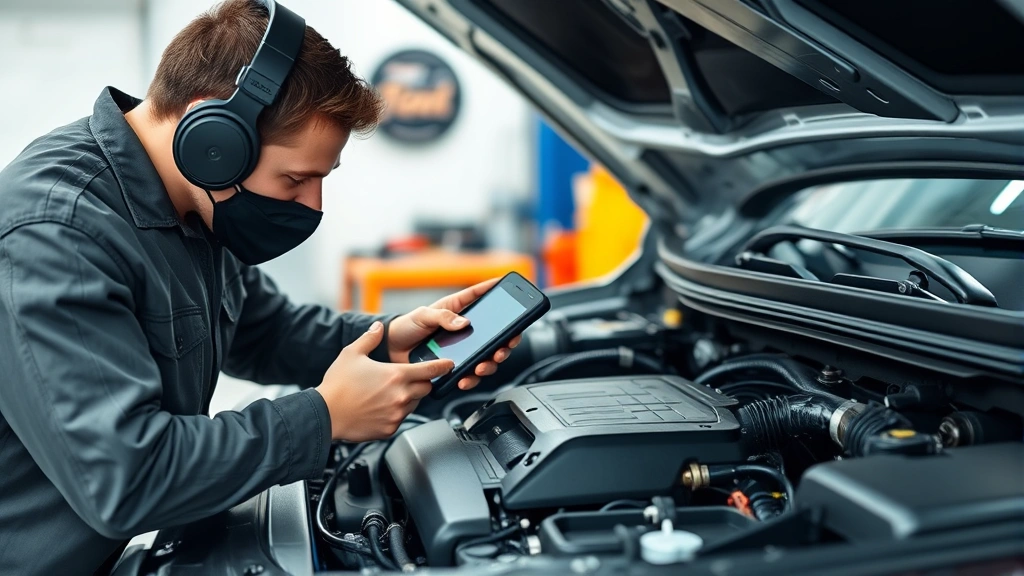
Request a pre-purchase inspection from a trusted independent mechanic before finalizing your purchase. This professional evaluation, typically costing $150–$300, can identify hidden mechanical problems, upcoming maintenance needs, and safety concerns that untrained eyes might miss. Many dealerships and private sellers will accommodate this request, and reputable sellers often welcome it as proof of their vehicle’s quality. Compare the mechanic’s findings with the vehicle’s maintenance records to identify any gaps in service history.
Engine and Mechanical Systems
The engine is the heart of any vehicle, and its condition directly impacts reliability and resale value. Start the engine from cold and listen for unusual noises—rough idle, knocking sounds, or excessive rattling may indicate significant mechanical problems. Watch for warning lights on the dashboard and note any that illuminate. Check the engine oil level, color, and consistency; dark, gritty oil suggests infrequent changes, while milky appearance might indicate coolant leakage.
Examine the transmission fluid, which should be bright red or pink and have a slightly sweet smell. Dark, burnt-smelling fluid or low levels suggest transmission issues that could be expensive to repair. Test the transmission by shifting through all gears, listening for smooth engagement and feeling for any hesitation or harsh shifts. During a test drive, accelerate gradually to listen for transmission noise and smoothness.
Inspect the cooling system by checking coolant level and condition—it should be bright green, orange, or pink depending on the type, never rusty or discolored. Look for leaks around hoses, the radiator, and the water pump. Test the air conditioning system to ensure it blows cold air, as repairs can be costly. Check the battery terminals for corrosion, test the electrical system by turning on all lights and accessories, and verify that the starter engages smoothly without grinding sounds.
Examine the suspension and steering by looking for leaking shock absorbers or struts, checking the condition of bushings and ball joints, and listening for creaks or clunks during the test drive. The braking system is critical—inspect brake pads for thickness, rotors for warping, and hoses for leaks or damage. Test brakes during the test drive, noting responsiveness and any pulsation or pulling to one side. If the vehicle has been in an accident, request detailed repair documentation from the collision repair shop.
If you’re also considering alternatives, you might explore Ford F-150 models or Jeep Gladiator options for comparison purposes, as these vehicles share similar mechanical platforms and service ecosystems.
Interior Condition and Features
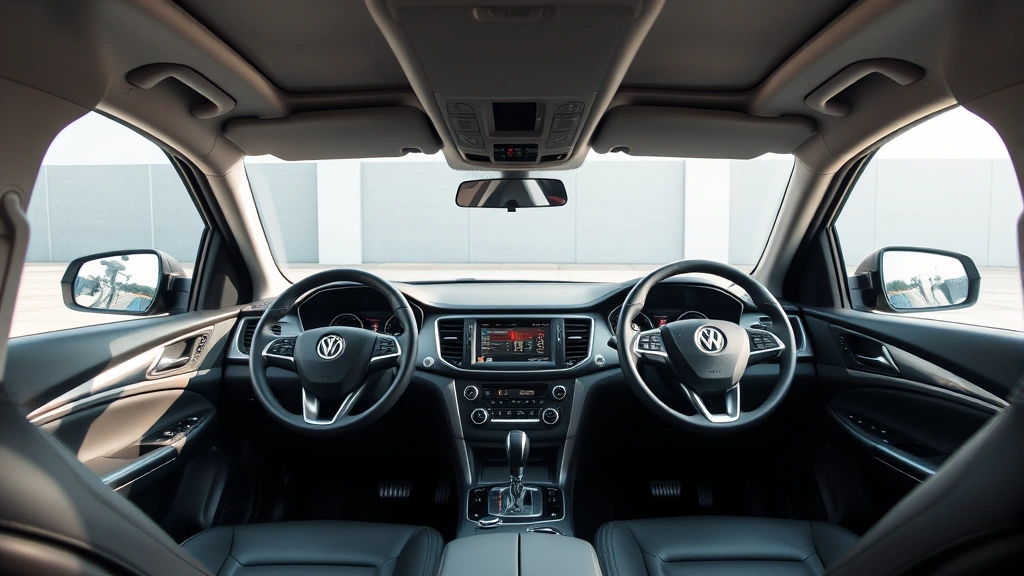
The interior reveals how well previous owners maintained the vehicle and how much wear to expect. Check the upholstery for tears, stains, and excessive wear; minor damage is normal in used vehicles, but extensive damage may indicate poor care or heavy use. Test all seat adjustments, heating, and cooling functions to ensure they operate smoothly. Verify that all power windows, locks, and mirrors function correctly.
Inspect the dashboard for cracks, which are common in older Explorers and difficult to repair. Test the climate control system in both heating and cooling modes, checking that all vents direct air properly. Examine the infotainment system, testing the display, audio system, and any integrated features like backup cameras or navigation. Check all storage compartments for damage and proper function.
Verify that all safety features work correctly, including power steering, brake assist, and stability control systems. Test the horn, windshield wipers, and washer fluid system. If the vehicle has third-row seating, ensure the seats fold and recline smoothly and that any mechanisms function properly. Check the cargo area for water stains, odors, or signs of leakage that might indicate roof or window seal issues.
Look for signs of smoking inside the vehicle—discoloration on the headliner, lingering odors, and ash residue—as smoke damage is difficult to eliminate and may affect resale value. Similarly, check for water damage or mold, particularly in areas prone to leakage. Open all doors and windows to air out the interior during your inspection, allowing you to detect any hidden odors or moisture issues.
Ownership History and Documentation
Request the vehicle’s complete history report from CARFAX or AutoCheck, which document accident history, title status, mileage records, and service history. These reports aren’t perfect—they rely on reported incidents—but they provide valuable insights into the vehicle’s past. Look for consistent mileage progression, which indicates accurate odometer readings, and note any gaps in service records that might suggest neglect.
Verify that the title is clean with no liens, flood damage, or salvage designation. A salvage title indicates the vehicle was previously declared a total loss by an insurance company, which significantly impacts value and insurability. Request the original purchase receipt, maintenance records, warranty documentation, and any recall completion certificates. These documents prove that the previous owner invested in proper maintenance and addressed manufacturer-identified issues.
Ask the seller directly about accident history, repairs, and any known issues with the vehicle. Many states require sellers to disclose known defects, and honest communication often reveals details not captured in history reports. If the vehicle was in an accident, request repair estimates or invoices from the collision shop to understand the extent of damage and quality of repairs.
Check for open recalls by entering the vehicle identification number (VIN) on the National Highway Traffic Safety Administration website. Many recalls can be completed for free at dealerships, and addressing them before purchase ensures the vehicle meets safety standards. Verify the VIN on the title, door jamb, and engine block to ensure they match and confirm the vehicle hasn’t been stolen or salvaged.
Pricing Strategy and Negotiation
Research fair market value using multiple resources including Kelley Blue Book, NADA Guides, and Edmunds, which provide pricing based on year, mileage, condition, and local market factors. Compare similar vehicles currently listed in your area to understand competitive pricing and identify undervalued or overpriced options. Factor in the cost of any needed repairs identified during inspection—if a vehicle requires $2,000 in repairs, that cost should reduce your offer accordingly.
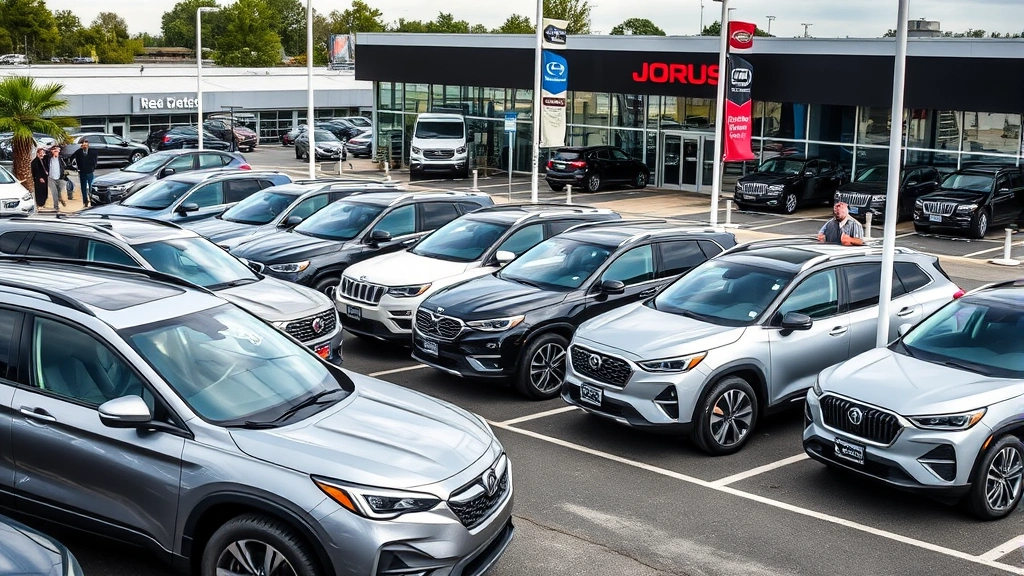
Understand that dealer inventory differs from private party sales; dealerships typically price vehicles higher but offer warranty protection and easier financing, while private sellers often price lower but offer no recourse if problems arise. The J.D. Power automotive research shows that market conditions significantly impact pricing, with seasonal variations and inventory levels affecting what buyers should expect to pay.
Make an initial offer 10–15% below asking price, providing documentation of comparable sales and the cost of needed repairs to justify your position. Be prepared to negotiate based on inspection findings, and don’t hesitate to walk away if the seller won’t meet reasonable expectations. Successful negotiation requires patience and willingness to lose the deal if terms aren’t favorable.
Get pre-approved for financing before shopping, which strengthens your negotiating position and prevents dealers from inflating interest rates. Compare financing options from banks, credit unions, and dealerships to secure the best rates. Factor in sales tax, registration, and insurance costs when budgeting for your purchase.
Financing Options for Used Vehicles
Multiple financing avenues exist for purchasing used Explorers, each with distinct advantages and disadvantages. Bank financing typically offers competitive rates for borrowers with good credit, while credit unions often provide lower rates and more flexible terms for members. Dealership financing offers convenience and may include promotional rates, but compare these offers against bank quotes to ensure you’re receiving competitive terms.
Consider the loan term carefully: while longer terms reduce monthly payments, they increase total interest paid and may result in owing more than the vehicle’s worth (being underwater on the loan). A 60-month loan is common for used vehicles, but if possible, aim for 48 months or less to minimize interest costs and build equity faster.
Understand the importance of your credit score, which directly impacts interest rates you’ll qualify for. Check your credit report for errors before applying for financing, and address any issues that might lower your score. Even a 50-point difference in credit score can result in hundreds of dollars in additional interest over the loan term.
Evaluate extended warranty options, which provide coverage beyond the manufacturer’s warranty or dealer’s included protection. While warranties aren’t required, they offer peace of mind for higher-mileage vehicles or if you plan to keep the Explorer beyond the typical ownership period. Compare warranty coverage details and exclusions carefully before purchasing.
Don’t overlook gap insurance, which covers the difference between your loan balance and the vehicle’s value if it’s declared a total loss. This protection is particularly valuable if you’re financing a significant portion of the purchase price or if the vehicle depreciates quickly.
For additional perspectives on vehicle purchasing strategies, review comprehensive guides on Consumer Reports automotive reviews and consider how data-driven decision making applies to major purchases, much like the principles discussed in our guide to e-commerce analytics tools.
If you’re comparing Explorer options with other vehicles, explore our resources on Dodge Ram 2500 availability for additional truck and SUV comparisons.
FAQ
What mileage is considered too high for a used Explorer?
Mileage expectations depend on the vehicle’s age and maintenance history. Generally, 12,000–15,000 miles per year is average, so a 5-year-old Explorer with 75,000 miles is reasonable. However, a well-maintained vehicle with 150,000 miles may be preferable to a poorly maintained vehicle with 80,000 miles. Focus on maintenance history and condition rather than mileage alone.
Should I buy from a dealer or private seller?
Dealers offer consumer protection, warranty options, and financing convenience, but charge higher prices. Private sellers offer lower prices but provide no recourse if problems arise. Your choice depends on risk tolerance, budget, and preference for buyer protection. Always conduct thorough inspections regardless of source.
What warranty coverage should I expect?
Used Explorers from Ford dealerships typically include a limited warranty covering major components, often 3 years or 36,000 miles. Private party sales offer no manufacturer warranty unless coverage remains from original purchase. Extended warranties are available for additional cost and can provide valuable protection.
How do I verify a vehicle hasn’t been in a major accident?
Request CARFAX or AutoCheck reports, which document accident history. Have an independent mechanic inspect the vehicle, paying attention to panel alignment, paint consistency, and frame damage indicators. Request accident repair documentation from the seller, and check structural components for signs of welding or replacement.
What’s the best time of year to buy a used Explorer?
Late fall and winter typically offer better selection and pricing as demand decreases. End-of-month and end-of-quarter sales periods often feature promotional pricing. Avoid peak buying seasons in spring and early summer when inventory is limited and prices are higher.
Can I negotiate price after the inspection?
Absolutely. Use inspection findings to justify lower offers, presenting repair estimates and comparable sales data. Sellers often expect post-inspection negotiation, particularly if significant issues are identified. Professional inspection reports carry weight in negotiations.