Where to Buy Used Dirt Bikes? Comprehensive Buyer Tips and Marketplace Guide
The used dirt bike market has experienced significant growth over the past five years, with consumers increasingly turning to secondary markets to find quality machines at competitive prices. Whether you’re a seasoned rider looking to upgrade or a beginner entering the sport, understanding where to buy used dirt bikes and what to evaluate before purchasing is essential for making a smart investment. The landscape of available purchasing channels has expanded dramatically, from traditional dealerships to online marketplaces, private sellers, and specialized platforms that cater exclusively to off-road enthusiasts.
Finding the right used dirt bike involves more than simply identifying a seller with inventory. Buyers must navigate multiple channels, understand pricing dynamics, perform thorough inspections, and verify ownership documentation. This comprehensive guide explores the best places to purchase used dirt bikes, provides actionable evaluation criteria, and offers strategic tips to help you secure the best possible deal while minimizing risk and ensuring you acquire a machine that meets your riding needs and budget requirements.
Top Marketplaces for Used Dirt Bikes
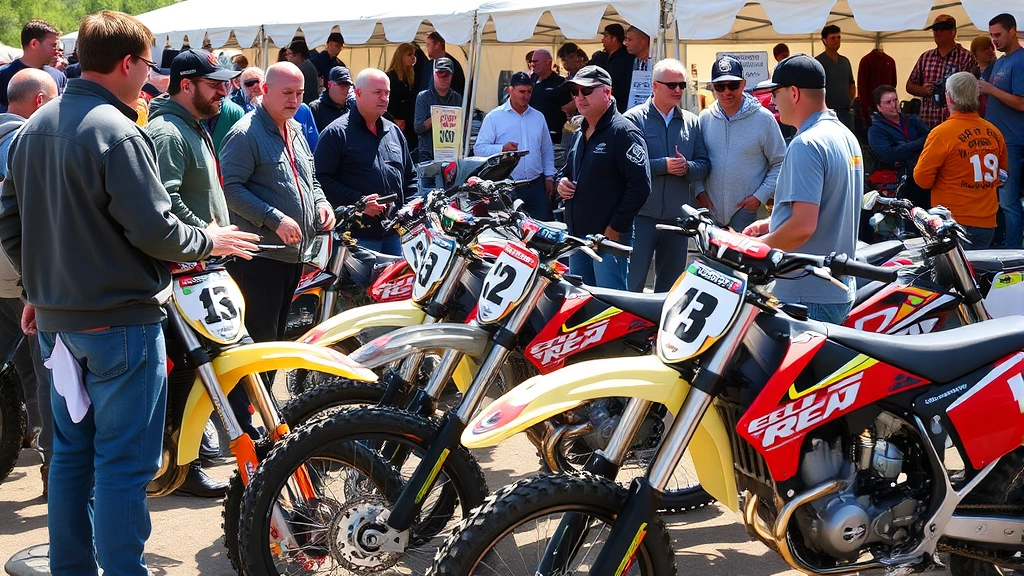
The digital revolution has transformed how consumers find used dirt bikes for sale, creating multiple channels that cater to different buyer preferences and search methodologies. Understanding each marketplace’s strengths, weaknesses, and typical seller profiles helps you allocate your search efforts effectively and increase the likelihood of finding quality machines at fair prices.
Online Classified Platforms remain among the most popular destinations for used dirt bike transactions. Craigslist continues to dominate local classifieds, offering direct connections between private sellers and buyers within specific geographic areas. Facebook Marketplace has emerged as a formidable competitor, leveraging social networks and location-based algorithms to connect buyers with nearby sellers. These platforms typically feature lower listing fees and allow detailed descriptions, multiple photos, and direct messaging capabilities. However, they require greater diligence regarding seller verification and transaction safety.
eBay Motors represents a significant player in the used dirt bike marketplace, providing structured bidding mechanisms, seller ratings systems, and buyer protection policies. The platform attracts both individual sellers and dealers, offering a wider geographic reach than local classifieds. Auction-style listings can yield competitive pricing, though reserve prices and shipping logistics require careful consideration. eBay’s feedback system provides valuable insights into seller reliability and transaction history.
Specialized Motorsports Platforms like CycleTrader and OfferUp have carved out significant market share by focusing exclusively on motorcycles and powersports equipment. CycleTrader, owned by Autotrader, benefits from professional dealer networks, comprehensive vehicle histories, and financing options. These specialized platforms attract serious buyers and sellers with deep industry knowledge, resulting in more competitive pricing and higher-quality listings. The trade-off involves potentially narrower inventory compared to general classifieds.
Dealership networks and local powersports shops represent traditional channels that maintain inventory of used dirt bikes. Authorized Yamaha, Honda, KTM, and Suzuki dealers typically offer certified pre-owned programs with warranties, financing options, and trade-in opportunities. While prices may run higher than private sales, dealership purchases provide institutional credibility, service history documentation, and recourse mechanisms. Many dealerships also offer extended warranty programs and maintenance packages that enhance long-term value.
Auction sites and estate sales occasionally yield exceptional opportunities for informed buyers willing to invest time in research. Police auctions, government surplus sales, and bankruptcy liquidations can feature used dirt bikes at significant discounts. However, these channels typically prohibit pre-purchase inspections and offer no return policies, making them suitable only for experienced buyers confident in their assessment abilities.
Evaluating Condition and Performance
Thorough evaluation separates successful used dirt bike purchases from costly mistakes. Developing a systematic inspection methodology protects your investment and ensures the machine meets your riding requirements and safety standards.
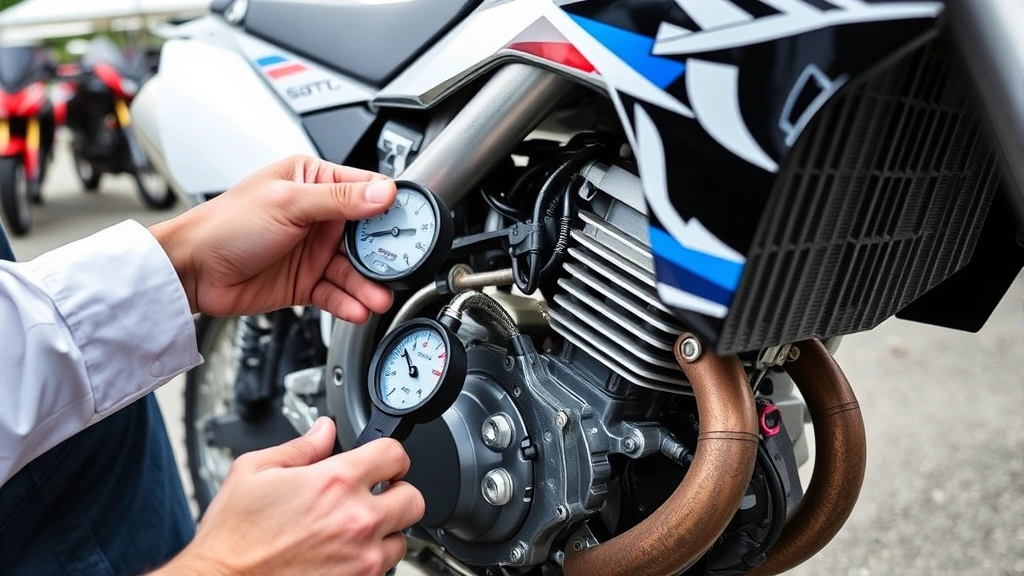
Engine and Mechanical Systems warrant the most intensive scrutiny during evaluations. Start by checking compression using a compression gauge—healthy engines typically measure 120-180 PSI depending on the model and displacement. Listen for unusual noises during startup, including knocking, grinding, or rattling sounds that suggest internal damage. Examine the spark plug for color and wear patterns; a tan or light brown appearance indicates normal operation, while black deposits suggest rich fuel mixtures or incomplete combustion. Inspect the air filter for excessive dirt accumulation or damage affecting engine breathing.
Transmission and clutch systems require hands-on evaluation. Shift through all gears while the engine runs to identify grinding, hesitation, or difficulty engaging specific gears. Check clutch lever feel and engagement point consistency. Examine the clutch cable for fraying, kinks, or excessive wear. For automatic transmissions, verify smooth power delivery without slipping or delayed engagement. Drain and examine transmission fluid; dark, burnt-smelling fluid indicates excessive wear or inadequate maintenance.
Suspension components directly impact ride quality and safety. Compress the front forks and rear shock to evaluate damping characteristics and observe for smooth, controlled movement without bottoming out. Check for fluid leaks around seals, which indicate worn components requiring replacement. Measure suspension sag with the rider’s weight to verify proper setup. Inspect visible damage including bent tubes, cracks in welds, or cosmetic deterioration suggesting rough handling or crashes.
Braking systems demand careful assessment since they’re critical for safety. Squeeze brake levers to confirm firm, progressive pressure without sponginess or excessive travel. Inspect brake pads for remaining thickness—minimum legal depth is typically 1-2mm, though performance riders prefer greater reserves. Examine brake fluid condition; dark, cloudy fluid suggests moisture contamination or age-related degradation. Check rotors for warping, cracking, or excessive wear. Verify brake line condition for leaks, cracks, or damage.
Tire and wheel condition significantly affects handling and safety. Check tread depth using the penny test or dedicated gauge—minimum legal depth is 2/32 inch, though off-road riders often prefer greater traction reserves. Inspect sidewalls for cracks, bulges, or embedded debris. Examine wheel rims for bends, dents, or cracks that affect balance and structural integrity. Spin wheels freely to confirm proper bearing condition without wobbling or grinding.
Frame integrity assessment requires careful visual inspection and, when appropriate, professional evaluation. Look for cracks in the frame, particularly around welds and stress points. Check frame alignment by observing if wheels track directly behind one another. Examine the steering head for damage or misalignment that affects handling. For bikes with crash damage history, consider professional frame inspection to identify hidden structural compromise.
Pricing Strategies and Negotiation
Understanding market pricing dynamics and developing negotiation strategies maximizes your purchasing power and ensures fair value. The used dirt bike market responds to seasonal fluctuations, model popularity, condition factors, and geographic supply-demand imbalances.
Market Research and Valuation form the foundation of effective negotiation. Utilize resources like NADA Guides and Kelley Blue Book to establish baseline values for specific models, years, and conditions. These resources provide wholesale, average retail, and premium pricing tiers that reflect market realities. Compare multiple listings across platforms to identify pricing outliers and understand local market conditions. Document comparable sales including mileage, condition, modifications, and asking prices to build a negotiation foundation.
Seasonal dynamics significantly impact pricing. Spring and early summer typically see increased demand and higher prices as riders prepare for peak season. Fall and winter present opportunities for negotiation as inventory accumulates and buyer interest declines. End-of-month and end-of-quarter periods sometimes incentivize dealers to move inventory through price reductions or financing concessions.
Negotiation Tactics should balance assertiveness with reasonableness. Begin by expressing genuine interest while noting specific condition issues that justify price reductions. Reference comparable listings with lower asking prices to establish negotiating positions grounded in market data. Ask about deferred maintenance, repairs, or modifications that affect value. Inquire whether sellers have flexibility on pricing, financing terms, or included accessories. For dealer purchases, explore trade-in opportunities, extended warranty packages, or service credits as negotiation alternatives to pure price reductions.
Cash offers provide negotiating leverage—many sellers value immediate payment certainty over potential future complications. However, avoid aggressive lowball offers that offend sellers and terminate negotiations. Reasonable reductions of 10-15% from asking prices typically receive consideration, particularly for bikes with documented maintenance issues or cosmetic wear. Document any agreed-upon repairs or concessions in writing before finalizing transactions.
Legal and Documentation Requirements
Proper documentation protects your ownership rights and ensures legitimate transactions free from legal complications. Requirements vary by jurisdiction, but certain universal principles apply across most regions.
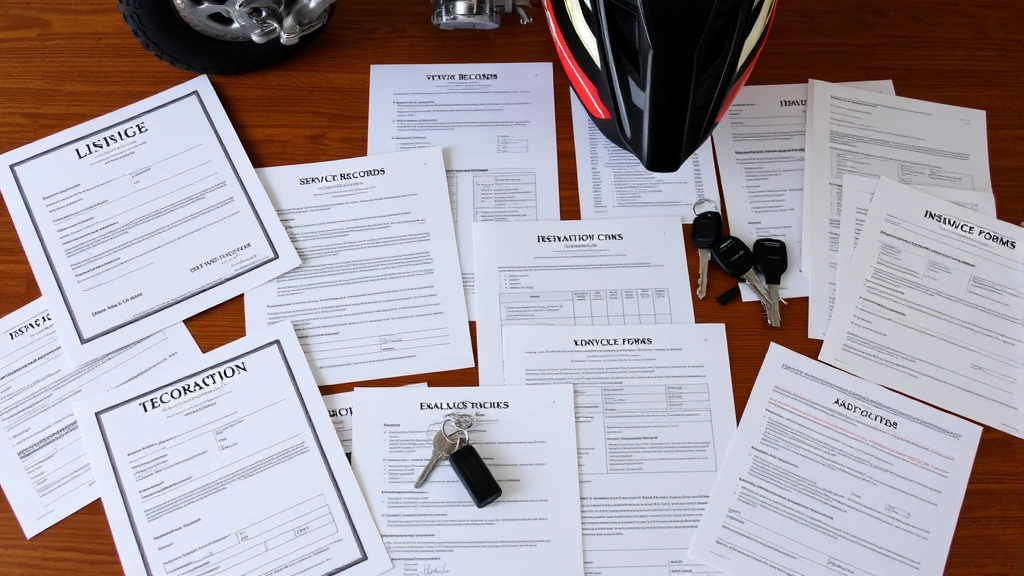
Title and Ownership Verification represent the most critical documentation element. Confirm the seller possesses a clean, transferable title matching the vehicle identification number (VIN) on the motorcycle. Request a title inspection before payment to verify no liens, salvage designations, or ownership disputes exist. Many states allow online title searches through DMV databases, providing verification without physical document inspection. Be particularly cautious with titles marked as salvage, rebuilt, or reconstructed, which indicate accident history and may restrict future resale or insurance eligibility.
Bill of sale documentation creates a transaction record protecting both parties. Include the vehicle identification number, description of the motorcycle, purchase price, date of sale, and signatures from both buyer and seller. Retain copies for your records and insurance documentation. Even in states where bills of sale aren’t legally required, they provide valuable evidence of legitimate ownership transfer.
Registration and licensing requirements vary by state but typically involve transferring registration within 10-30 days of purchase. Contact your state’s DMV or Department of Motor Vehicles to understand specific requirements for your jurisdiction. Some states require emissions testing or safety inspections before registration. Budget for registration fees, which typically range from $50-$300 depending on location and vehicle value.
Insurance documentation becomes necessary before legal road use. Contact insurance providers to obtain quotes and verify coverage requirements for your state. Most states mandate minimum liability coverage; comprehensive and collision coverage depend on financing arrangements and personal risk tolerance. Insurance companies may require inspection photos or in-person assessment before issuing policies, particularly for high-value purchases.
Service records and maintenance documentation enhance value and provide peace of mind regarding the machine’s condition history. Request receipts for recent repairs, parts replacements, or professional servicing. Detailed maintenance records suggest responsible ownership and help justify asking prices. Conversely, lack of documentation may indicate neglected maintenance, justifying price reductions or increased inspection scrutiny.
Safety Considerations Before Purchase
Purchasing a used dirt bike involves inherent risks that responsible buyers actively manage through systematic evaluation and professional assistance.
Professional Pre-Purchase Inspections provide invaluable third-party assessment of mechanical condition and hidden damage. Experienced motorcycle mechanics charge $75-$200 for comprehensive inspections, examining engine compression, transmission function, brake system integrity, and suspension performance. This investment typically proves worthwhile for bikes exceeding $2,000 or when personal mechanical knowledge is limited. Mechanics can identify costly repairs masquerading as minor issues, protecting your long-term investment.
Accident history research prevents purchasing damaged goods misrepresented as clean. Utilize services like CARFAX and AutoCheck to access damage history reports when available. While motorcycle history reporting remains less comprehensive than automobile databases, these services capture insurance claims and title issues. Direct questioning about previous accidents, along with careful frame and suspension inspection, helps identify crash damage. Be skeptical of sellers avoiding accident history questions or providing vague responses.
Test rides provide essential hands-on evaluation impossible through visual inspection alone. Insist on test riding any potential purchase before committing funds. During test rides, evaluate throttle response, braking performance, suspension feel, and overall handling characteristics. Listen for unusual engine sounds under load, assess clutch and transmission smoothness, and verify that all controls function properly. Refuse to purchase bikes without test ride opportunities—legitimate sellers accommodate this requirement.
Mileage verification prevents purchasing high-mileage machines presented as low-use. Check odometer readings and compare against maintenance records and visual wear indicators. Be suspicious of bikes with very low mileage but significant cosmetic wear, which suggests odometer tampering or neglected storage. Excessive mileage doesn’t necessarily disqualify machines if maintenance records demonstrate proper care, but it should factor into pricing negotiations.
Financing and payment security protect against fraud and ensure legitimate transactions. Avoid cash-only deals with unfamiliar sellers, which eliminate recourse for fraud or mechanical failure. When possible, arrange financing through established institutions that verify vehicle ownership and provide buyer protections. Never wire funds to unfamiliar sellers or provide personal financial information before verifying legitimacy. Meet transactions in public locations and bring trusted companions who can provide objective assessment and security.
FAQ
What’s the best time to buy a used dirt bike?
Fall and winter months typically offer the best pricing and negotiating opportunities as demand declines and inventory accumulates. However, selection may be more limited. Spring brings better selection but higher prices due to increased demand. Consider your local climate and riding season when timing purchases.
Should I buy from a dealer or private seller?
Dealers offer warranties, service history, and institutional credibility but charge premium prices. Private sellers typically offer lower prices but require greater diligence regarding condition assessment and documentation. Your choice depends on budget, mechanical knowledge, and risk tolerance. Consider a marketplace platform that connects both seller types for maximum optionality.
How do I verify a dirt bike’s authenticity and ownership?
Request the original title and verify it matches the VIN on the motorcycle. Check your state’s DMV database for title records. Ask for registration documentation and service records. Be cautious of sellers unable to provide clear titles or documentation suggesting recent ownership transfers.
What modifications should concern me when buying used?
Extensive engine modifications may void warranties and create reliability concerns. Aftermarket suspension and brake upgrades can indicate serious riding use and potential stress on components. Cosmetic modifications are typically inconsequential. Assess whether modifications align with your riding style and verify that work was performed by reputable shops.
How much should I budget for post-purchase repairs?
Budget 10-15% of the purchase price for immediate repairs and maintenance. Used dirt bikes often require new consumables including tires, brake pads, chains, and fluids. Set aside additional funds for unexpected mechanical issues discovered after purchase. Professional inspection estimates help establish realistic repair budgets.
What financing options exist for used dirt bikes?
Many dealerships offer in-house financing or partner with established lenders. Banks and credit unions provide motorcycle loans with competitive rates. Online lenders offer rapid approval processes. Seller financing appears occasionally in private transactions. Compare rates and terms across multiple providers before committing. Consider how financing affects your total purchase cost through interest and fees.
Are online purchases safe for used dirt bikes?
Online purchases require greater diligence but remain viable when proper precautions are taken. Utilize established platforms with buyer protection policies. Arrange professional inspections before payment. Meet sellers in public locations. Never wire funds before inspecting the motorcycle in person. Video calls with sellers can provide preliminary assessment before travel investment.


