
Best Used 4Runner Deals? Market Insights for Smart Buyers
The used 4Runner market has experienced significant volatility over the past few years, creating both challenges and opportunities for savvy buyers. Toyota’s legendary 4Runner has maintained its reputation as one of the most reliable and capable SUVs available, which directly impacts pricing and availability in the secondary market. Understanding current market dynamics, pricing trends, and where to find the best used 4Runner for sale listings can help you secure a vehicle that offers exceptional value without compromising quality or performance.
Whether you’re seeking a model from the fifth generation (2010-present) or earlier iterations, the used 4Runner market reflects broader trends in automotive commerce. Supply chain disruptions, semiconductor shortages, and increased consumer demand for adventure-ready vehicles have all influenced pricing. This comprehensive guide explores market insights, pricing strategies, and practical advice for finding deals that align with your budget and requirements.
Current Market Dynamics for Used 4Runners
The used 4Runner market reflects unique supply and demand characteristics that distinguish it from the broader used vehicle market. Toyota’s limited production capacity for new 4Runners has created sustained demand for used models, particularly those with lower mileage and recent model years. According to Manheim Auctions, used SUV prices remain elevated compared to pre-pandemic levels, with premium vehicles like the 4Runner commanding particularly strong pricing.
Market inventory levels have gradually stabilized after acute shortages in 2021-2022, providing buyers with more selection. However, this stabilization hasn’t translated to significant price reductions, as demand from both individual buyers and fleet operators continues to support valuations. The 4Runner’s off-road capability and resale value make it attractive to a diverse buyer demographic ranging from outdoor enthusiasts to commercial operators.
Regional variations significantly impact availability and pricing. Markets in the Southwest and Mountain West regions typically feature more 4Runner inventory due to higher consumer preference for capable SUVs. Coastal urban markets often display higher prices but potentially fewer listings. Understanding your regional market dynamics helps establish realistic expectations when searching for used 4Runner listings on Facebook Marketplace and other platforms.

Pricing Trends and Value Assessment
Used 4Runner pricing varies substantially based on model year, mileage, condition, and specific trim level. Fifth-generation models (2010-present) generally command prices between $25,000 and $55,000 depending on these factors, while earlier generations typically range from $8,000 to $25,000. Recent market data indicates that 4Runners with under 100,000 miles trade at approximately 65-75% of their original MSRP, reflecting strong residual value.
The Limited trim consistently outperforms other variants in terms of pricing, often commanding 10-15% premiums over base SR5 models. Diesel-equipped variants, where available, typically attract 5-10% premiums due to perceived durability and fuel economy benefits. Color, interior condition, and feature packages (navigation, premium audio, sunroofs) all contribute to pricing variations within specific model years.
According to Kelley Blue Book, 4Runner values have demonstrated remarkable stability compared to other vehicle segments. The typical depreciation curve shows steeper drops during the first three years of ownership, then stabilizes significantly. This pattern creates opportunities for buyers seeking vehicles in the 5-8 year age range, where prices have stabilized but vehicles remain relatively current in terms of technology and features.
When assessing whether a specific listing represents a genuine deal, consider comparable sales in your market using resources like Edmunds, NADA Guides, and local classified data. A vehicle priced 10-15% below market average warrants investigation into condition and history before assuming exceptional value.
Where to Find the Best Deals
Successful used 4Runner buyers employ multiple sourcing channels to maximize deal potential. Each platform offers distinct advantages and disadvantages that influence both pricing and inventory quality. The most effective approach combines multiple channels while understanding how each platform’s market dynamics affect pricing.
Dealer Inventory: Franchised Toyota dealers and multi-brand dealerships typically maintain consistent 4Runner inventory with certified pre-owned options. While dealer pricing generally runs 8-12% higher than private sales, the warranty protection, documented service history, and financing convenience provide value for many buyers. Dealers often incentivize buyers at month-end and quarter-end to meet sales targets.
Online Marketplaces: Facebook Marketplace has emerged as a significant platform for private 4Runner sales, offering direct buyer-seller negotiation without dealer markups. Autotrader, Cars.com, and Carvana aggregate listings from multiple sources while providing vehicle history reports and marketplace protections. These platforms typically feature more competitive pricing than dealer inventory.
Auction Platforms: Copart and IAA (Insurance Auto Auctions) offer vehicles from insurance salvage, fleet disposition, and lease returns. Savvy buyers can identify well-maintained vehicles at substantial discounts, though inspection access varies. These channels require more due diligence but reward thorough researchers with significant savings.
Private Party Sales: Direct purchases from individual sellers frequently offer the lowest prices, though without warranty protection or recourse if undisclosed issues emerge. Building relationships within 4Runner enthusiast communities and forums often reveals private listings before they reach mainstream platforms.
Fleet and Commercial Sources: Companies disposing of fleet vehicles sometimes offer substantial discounts on well-maintained examples. Government surplus auctions occasionally feature law enforcement and agency 4Runners with complete service records.
Evaluating Vehicle Condition and History
Protecting yourself against overpriced or problematic vehicles requires systematic evaluation of condition and documentation. A comprehensive pre-purchase inspection process significantly reduces acquisition risk and identifies negotiation leverage.
Vehicle History Reports: Obtain reports from CarFax or AutoCheck for every vehicle under consideration. These reports reveal title status, accident history, service records, and odometer consistency. A clean history report doesn’t guarantee problem-free operation but provides baseline transparency. Watch for salvage titles, flood damage indicators, and multiple ownership changes.
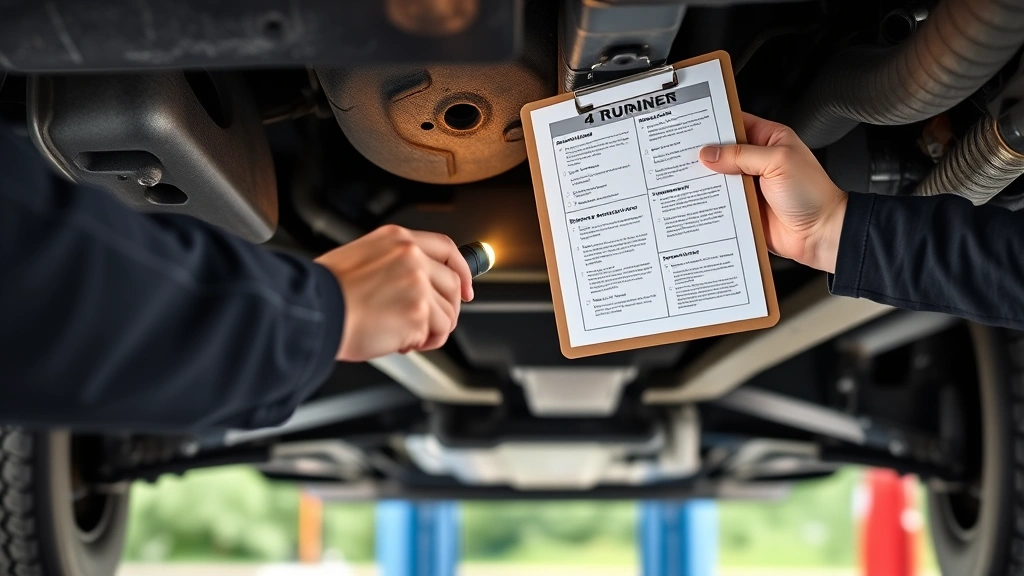
Physical Inspection: Engage a trusted independent mechanic to conduct comprehensive pre-purchase inspections, costing $150-300 but potentially saving thousands by identifying major issues. Focus on transmission condition, engine compression, suspension wear, and roof/frame integrity—areas where 4Runner problems commonly emerge. Request documentation of any repairs recommended during inspection.
Service History Evaluation: 4Runners with documented regular maintenance command premiums over vehicles lacking service records. Consistent oil changes, transmission fluid services, and preventive maintenance indicate responsible ownership. Vehicles with major service gaps or recent expensive repairs warrant skepticism about underlying problems.
Mileage Assessment: While 4Runners commonly exceed 200,000 miles with proper maintenance, mileage consistency matters. Vehicles with unusually low mileage for their age may have been driven infrequently, potentially causing different wear patterns. Cross-reference mileage against service records and title history to identify inconsistencies.
Negotiation Strategies for Maximum Savings
Effective negotiation transforms market knowledge into concrete savings. The 4Runner market’s strong pricing means negotiation leverage differs from more distressed segments, requiring strategic approaches.
Establish Your Maximum Price: Determine your budget ceiling before viewing vehicles, based on market research and your financial capacity. Emotion-driven decisions frequently result in overpaying. Use e-commerce and market analytics tools to track pricing patterns over time, identifying seasonal and cyclical trends that inform your offer strategy.
Use Market Data as Leverage: Provide sellers and dealers with comparable sales data demonstrating market pricing. Highlight specific comparable vehicles priced lower, forcing acknowledgment of your market position. Dealers often have more flexibility than initially presented when shown competitive alternatives.
Identify Negotiable Elements Beyond Price: When sellers resist price reductions, negotiate warranty extensions, maintenance packages, tire replacements, or detailing services. These concessions cost sellers less than price cuts but increase your value.
Timing Leverage: Purchase during slower seasons (winter months, early week) when dealers and private sellers face reduced buyer traffic. End-of-month and year-end periods often bring increased negotiation flexibility as salespeople pursue quotas.
Walk Away Readiness: Your strongest negotiation position emerges when you’re genuinely prepared to decline the deal. Sellers and dealers sense desperation and respond with higher prices. Maintain multiple viable options to strengthen your negotiating position.
Seasonal Buying Patterns
Understanding seasonal market dynamics provides additional negotiation leverage and access to better inventory selection. The 4Runner market exhibits pronounced seasonal patterns influenced by weather, consumer behavior, and dealer inventory cycles.
Winter Months (November-February): Reduced buyer activity, particularly in northern regions, creates temporary inventory surpluses and pricing softness. Dealers face pressure to clear inventory before year-end and spring new model arrivals. This period offers maximum negotiation leverage, though inventory selection may be limited.
Spring and Summer (March-August): Increased consumer activity and vacation season planning drive demand upward. Buyers actively seeking adventure vehicles create competitive bidding situations and pricing firmness. Inventory selection improves but negotiation leverage diminishes.
Fall (September-October): Back-to-school and early holiday shopping create moderate demand. New model year arrivals may influence dealer pricing on previous-generation inventory. This transitional period offers balanced opportunities between winter and summer dynamics.
Financing and Payment Options
Securing favorable financing significantly impacts your effective purchase price and overall cost of ownership. Multiple financing channels serve used vehicle buyers with varying terms and requirements.
Dealer Financing: Franchised dealers typically offer financing through captive lenders and bank relationships. While convenient, dealer financing frequently carries higher rates than bank alternatives. Negotiate financing terms separately from vehicle price, as dealers often have flexibility in both areas.
Bank and Credit Union Financing: Local banks and credit unions frequently offer competitive rates for members or qualifying borrowers. Obtaining pre-approval before shopping establishes negotiating power and demonstrates financial capability. Credit unions particularly offer favorable terms for used vehicle purchases.
Online Lenders: Digital lending platforms provide pre-approval and competitive rates, though qualification requirements vary. These options work well for borrowers with strong credit profiles seeking streamlined processes.
Cash Purchases: Buying with cash eliminates financing costs and strengthens negotiation position, though it requires substantial capital reserves. Cash buyers frequently negotiate successfully for 5-10% discounts, particularly in private sales.
Gap Insurance and Extended Warranties: Used 4Runners purchased from dealers often include extended warranty options and gap insurance. Evaluate these protections based on your risk tolerance and vehicle age, recognizing that independent warranty providers sometimes offer better value than dealer packages.
FAQ
What is a realistic budget for a quality used 4Runner?
Budget expectations depend on model year and condition. Fifth-generation models with 80,000-120,000 miles typically range from $32,000-$42,000, while older fourth-generation models cost $12,000-$22,000. Factor in pre-purchase inspections, insurance, and potential repairs when establishing total acquisition cost.
How many miles is too many for a used 4Runner?
4Runners commonly exceed 200,000 miles with proper maintenance. Mileage alone doesn’t determine value—maintenance history matters more. A 150,000-mile vehicle with documented service may be superior to a 80,000-mile example with unknown history.
Should I buy from a dealer or private seller?
Dealers offer warranty protection and convenience; private sellers offer lower prices. Dealers suit buyers prioritizing peace of mind; private sales suit budget-conscious buyers comfortable with greater due diligence. Evaluate based on your risk tolerance and inspection capabilities.
What common 4Runner problems should I watch for?
Fifth-generation models occasionally experience transmission hesitation, panoramic sunroof issues, and rust in certain climates. Fourth-generation models commonly develop timing belt wear at higher mileage. Pre-purchase inspections specifically targeting known issues protect against expensive surprises.
Is now a good time to buy a used 4Runner?
Current market conditions favor buyers more than 2021-2022, with improved inventory and modest pricing softness. However, 4Runners remain relatively expensive compared to other SUVs. If you need a vehicle now, focus on finding the best example within your budget rather than waiting for additional price declines.
What financing term makes sense for a used 4Runner?
Four to five-year financing terms typically balance monthly affordability with interest cost efficiency. Longer terms increase total interest paid; shorter terms create higher monthly obligations. Match financing terms to your planned ownership duration and expected vehicle reliability.