Suzuki Samurai for Sale? Complete Buyer’s Checklist for 2024
The Suzuki Samurai remains one of the most iconic compact SUVs ever produced, with a devoted following among off-road enthusiasts and collectors worldwide. Whether you’re searching for a Suzuki Samurai for sale as your first off-road vehicle or adding to an existing collection, understanding what to look for is essential. These Japanese-engineered vehicles, produced from 1985 to 1998, have experienced a significant resurgence in value and desirability, making informed purchasing decisions more critical than ever.
Finding the right Samurai requires more than just checking online listings—it demands a systematic approach to evaluating mechanical condition, authenticity, market pricing, and long-term ownership costs. This comprehensive guide walks you through every step of the buying process, from initial research through final negotiation, ensuring you make a confident investment in a vehicle that could provide decades of reliable service.
Current Market Overview for Suzuki Samurai Sales
The market for Suzuki Samurai vehicles has transformed dramatically over the past five years. What was once considered a bargain basement used vehicle has evolved into a sought-after collectible, with prices reflecting increased demand from millennials discovering classic off-roaders and experienced enthusiasts seeking alternatives to overpriced Jeep Wranglers. According to recent Hagerty valuation data, average Samurai prices have increased between 35-45% since 2019, with exceptional examples commanding premium prices in specialized markets.
Several factors contribute to this market shift. First, the nostalgia factor drives collector interest, particularly among Gen X buyers who remember these vehicles from their childhood. Second, social media platforms like Instagram and TikTok have amplified the cool factor of Samurai builds, inspiring younger buyers to enter the market. Third, the global supply chain disruptions affecting new vehicle production have made reliable used vehicles more attractive to budget-conscious consumers seeking alternative purchasing channels and marketplace options.
Regional variations significantly impact pricing. Samurais in California, Colorado, and Utah command 20-30% premiums compared to Midwest locations due to proximity to popular off-roading destinations and higher concentrations of enthusiasts. Conversely, vehicles in rust-belt states may offer better value but require thorough inspection for corrosion damage that could compromise structural integrity.

Pre-Purchase Research and Valuation
Before visiting a single listing, establish your budget and understand fair market value for your target vehicle. Multiple resources provide reliable pricing data: NADA Guides, Kelley Blue Book, and Edmunds offer baseline valuations, though these often underestimate Samurai values given the specialized collector market. Hagerty’s valuation tool and specialist forums provide more accurate pricing reflecting current demand.
Create a detailed specification sheet identifying your ideal Samurai. Document critical factors: model year preferences (earlier models offer simpler mechanics; later models provide improved reliability), transmission type (five-speed manual versus automatic), condition level (original unmolested examples versus modified builds), and mileage tolerance. This specification sheet prevents emotional purchases that don’t align with your actual needs and budget constraints.
Research available inventory across multiple platforms. Craigslist, Facebook Marketplace, and eBay Motors typically feature the widest selection, though require careful vetting for legitimacy. Specialized sites like Cars.com, Autotrader, and Bring a Trailer feature dealer inventory and auction results providing market transparency. Subscribing to saved searches across platforms ensures you’re notified immediately when matching vehicles appear, providing negotiating advantage before other buyers discover listings.
Document comparable sales from the past 30-60 days in your geographic region. Track selling prices rather than asking prices—the gap between these figures often reveals market conditions and negotiating room. Screenshot listings with asking prices, mileage, condition details, and location to build a comprehensive market analysis supporting your offers.
Mechanical Inspection Checklist
Never purchase a Samurai without comprehensive mechanical inspection, ideally by an independent mechanic familiar with these vehicles. The following checklist addresses common problem areas requiring attention:
- Engine condition: Samurai engines (1.3L or 1.6L displacement) are remarkably durable, but high-mileage examples may exhibit valve cover gasket leaks, timing chain rattle, or oil consumption issues. Request service history documenting regular oil changes, coolant flushes, and maintenance intervals. Listen for unusual noises indicating bearing wear or timing chain problems.
- Transmission evaluation: Manual transmissions typically outlast automatics. Test all gears for grinding, jumping out of gear, or synchronizer issues. Automatic transmissions may exhibit hesitation during shifts, fluid leaks, or failure to engage. Request transmission fluid analysis if high mileage is suspected.
- Cooling system assessment: Overheating represents a serious concern in Samurais, particularly in hot climates or during aggressive off-roading. Verify radiator condition, thermostat operation, and hose integrity. Check for white residue indicating coolant leaks or head gasket compromise.
- Electrical system testing: Older Samurais experience charging system failures, corroded battery terminals, and wiring harness degradation. Verify alternator output, battery condition, and all lighting functionality including brake lights and turn signals.
- Suspension and steering inspection: Examine ball joints, tie rods, and control arm bushings for excessive wear causing wandering or vibration. Test steering response and check for play in the steering wheel. Inspect shock absorbers for leaks or ineffective damping.
- Brake system evaluation: Samurai brakes are adequate for normal driving but may feel soft or spongy if brake lines corroded or master cylinder failed. Test brake pedal firmness and responsiveness. Inspect brake pads, rotors, and wheel cylinders for wear.
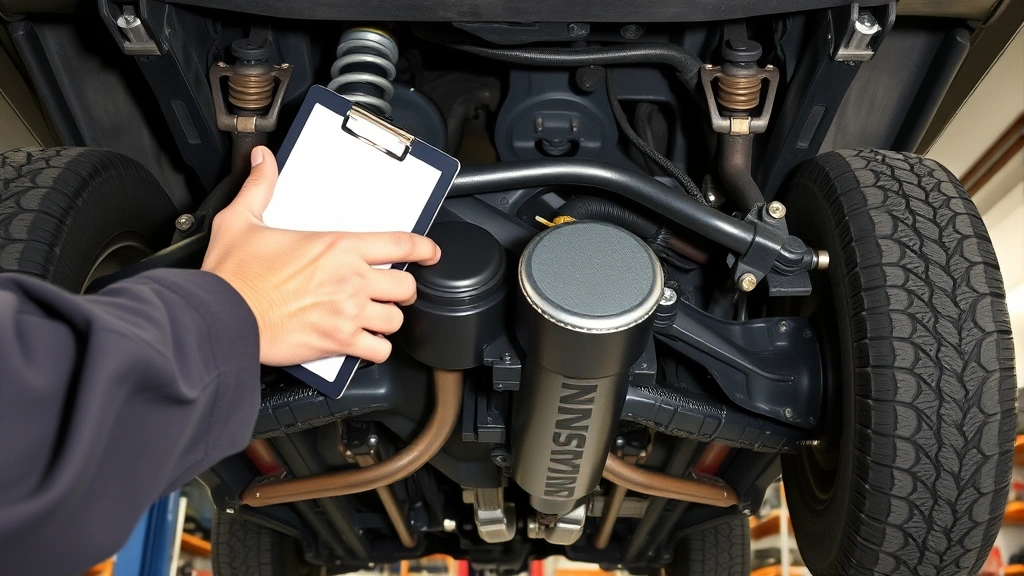
- Undercarriage assessment: This is critical. Examine frame rails for rust perforation, particularly in the door sills and rocker panels. Check for evidence of accident damage, welding repairs, or structural compromise. Rust in critical structural areas may render a vehicle unsafe regardless of mechanical soundness.
- Interior condition: While cosmetic issues don’t affect functionality, they indicate overall maintenance history. Check upholstery for excessive wear, dashboard cracks, and window regulator operation. Verify all gauges function properly.
Consider hiring a pre-purchase inspection service specializing in classic vehicles. Services like YourMechanic or local specialists typically charge $150-300 for comprehensive inspections, providing detailed reports justifying your investment and supporting negotiation positions.
Documentation and Title Verification
Verify clear title ownership before proceeding with any transaction. Run a vehicle history report through Carfax or AutoCheck, checking for salvage titles, flood damage, accident history, or odometer discrepancies. While minor accident history doesn’t automatically disqualify a vehicle, disclosure requirements vary by state—ensure sellers provide accurate information.
Request complete service records documenting maintenance history. Organized records indicating regular oil changes, fluid flushes, and preventive maintenance suggest a well-cared-for vehicle. Conversely, no service history or sporadic maintenance may indicate neglect requiring expensive repairs post-purchase.
Verify VIN matches all documentation including title, registration, and inspection reports. Confirm the vehicle’s actual production year, as some model years have known issues requiring awareness. Check for manufacturer recalls affecting your specific vehicle—the NHTSA website provides comprehensive recall information searchable by VIN.
In states requiring emissions testing, confirm the vehicle passes current standards. Some areas restrict non-compliant vehicles from registration, potentially creating future registration challenges. Verify your state’s specific requirements before purchasing.
Pricing Strategy and Negotiation Tips
Armed with market research, approach negotiation strategically. Develop a maximum price ceiling based on comparable sales, condition assessment, and required repairs. Identify negotiable items: mechanical work needed, cosmetic restoration, new tires, or maintenance items. Calculate these costs realistically—don’t underestimate restoration expenses.
Open negotiations 10-15% below asking price for well-researched offers. Provide documented comparable sales supporting your position. Most sellers expect negotiation and build padding into asking prices. Reasonable offers backed by data typically receive serious consideration.
Request seller transparency regarding known issues, accident history, and reason for sale. Honest sellers appreciating serious buyers often provide additional information or concessions. Conversely, evasive responses or pressure tactics suggest moving to alternative options.
Consider timing advantages. Vehicles listed during off-season (winter months for off-road vehicles) or seasonal transitions may face less competition, strengthening your negotiating position. Private sellers often accept lower offers than dealers—leverage this when applicable.
Secure pre-approval financing before negotiating, strengthening your position with cash offers. Some sellers provide financing at competitive rates—compare terms carefully before accepting. Never commit to purchase without satisfactory inspection completion and title verification.
Long-Term Ownership Costs
Purchasing price represents only one component of total ownership expense. Budget for ongoing maintenance, insurance, repairs, and potential restoration work. Samurai ownership costs vary significantly based on usage patterns and condition.
Routine maintenance includes oil changes every 3,000-5,000 miles, fluid flushes, filter replacements, and wear item replacement. Plan annual maintenance costs of $500-1,000 for well-maintained examples, increasing substantially for neglected vehicles requiring catch-up service.
Insurance costs typically run $50-150 monthly depending on coverage levels, driving record, and location. Specialty insurers like Hagerty Insurance offer agreed-value policies protecting collector vehicles from depreciation, often providing superior coverage at competitive rates compared to standard insurers.
Unexpected repairs represent the largest ownership wildcard. Engine rebuilds cost $2,000-4,000, transmission work ranges $1,500-3,500, and frame restoration may exceed $5,000 depending on damage severity. Maintain a repair reserve fund covering potential major expenses.
Modification and customization appeal to many Samurai owners but escalate costs significantly. Off-road upgrades including suspension lifts, armor plating, and tire replacements add $3,000-10,000+ to ownership investment. Budget modifications carefully and prioritize based on actual usage needs.
Factor resale value into long-term calculations. Well-maintained Samurais with documented history appreciate or maintain value, making them relatively sound investments compared to depreciating mainstream vehicles. However, heavily modified examples appeal to niche audiences, potentially limiting resale markets.
Consider storage and seasonal usage patterns. Climate-controlled storage preserves vehicle condition and extends component lifespan. Winterization procedures protect against rust and corrosion in harsh climates, adding modest annual expenses but preventing catastrophic deterioration.
FAQ
What’s the average price for a Suzuki Samurai for sale in 2024?
Average prices range from $8,000-18,000 for examples in good condition with reasonable mileage. Exceptional models, rare color combinations, or low-mileage examples command $20,000-35,000+. Heavily modified builds or rare variants may exceed these ranges. Prices vary significantly by region, condition, and market segment.
How many miles is too many for a Samurai purchase?
Samurais regularly exceed 150,000 miles with proper maintenance. Mileage matters less than service history and condition. A well-maintained 120,000-mile example may be preferable to a 60,000-mile neglected vehicle. Verify oil change intervals, fluid condition, and wear item replacement when evaluating high-mileage vehicles.
Should I buy an original or modified Samurai?
Original unmolested examples appeal to collectors seeking preservation and appreciate faster. Modified builds attract enthusiasts prioritizing functionality and customization. Original examples typically offer better resale value and lower ownership uncertainty. Evaluate personal preferences and intended usage when deciding.
What are the most common Samurai problems I should know about?
Common issues include overheating in hot climates, rust in structural areas, worn suspension components causing wandering steering, electrical gremlins affecting charging systems, and transmission issues in higher-mileage automatics. Frame rust represents the most serious concern affecting safety and resale value.
Can I get financing for a Suzuki Samurai purchase?
Many banks and credit unions finance vehicles older than 10 years, though terms may be less favorable than newer vehicles. Specialty lenders focus on classic and collector vehicles offering competitive rates. Personal loans represent alternatives if traditional auto financing isn’t available. Compare rates across multiple lenders before committing.
Is a Samurai a good investment vehicle?
Samurais have appreciated significantly recently, making them reasonable collector investments compared to depreciating mainstream vehicles. However, market conditions fluctuate—purchase based on personal enjoyment rather than purely speculative investment. Well-maintained original examples typically hold value better than heavily modified builds.