Best Steak Salad Recipe? Chef’s Secret Guide to Restaurant-Quality Results
The perfect steak salad combines tender, perfectly-seared beef with crisp greens and a balanced vinaigrette that elevates each ingredient. Whether you’re preparing this dish for a special dinner or looking to master a restaurant favorite at home, understanding the fundamentals of steak selection, cooking technique, and flavor pairing transforms an ordinary salad into a culinary centerpiece. This comprehensive guide reveals professional chef techniques that deliver consistently exceptional results.
Steak salads have become a cornerstone of modern dining, bridging the gap between hearty main courses and lighter, health-conscious meals. The key to excellence lies not in complexity but in precision—selecting quality ingredients, executing proper cooking methods, and understanding how flavors interact. From choosing the right cut of beef to mastering the art of the perfect sear, this guide covers every element you need to create restaurant-quality steak salads in your own kitchen.
Selecting the Perfect Steak Cut
The foundation of any exceptional steak salad begins with choosing the right cut of beef. Professional chefs understand that certain cuts perform better in salads than others, balancing tenderness, flavor, and texture. Ribeye, strip steak, and filet mignon are traditional choices, each offering distinct characteristics that influence the final dish.
Ribeye steaks deliver rich marbling that creates juicy, flavorful results even when cut into salad-sized pieces. The intramuscular fat renders during cooking, keeping the meat tender and imparting a luxurious taste. Strip steaks offer a leaner profile with excellent beef flavor and a firmer texture that holds up well when sliced and combined with other ingredients. Filet mignon provides ultimate tenderness and a more delicate beef flavor, making it ideal for those preferring subtle, refined tastes.
When shopping, look for steaks that are at least one and a half inches thick. Thinner cuts tend to overcook quickly and dry out during the searing process. The meat should display bright red color with white marbling rather than yellow fat, indicating freshness and proper handling. Room temperature beef cooks more evenly than cold meat straight from the refrigerator, so remove your steak 30-40 minutes before cooking.
Grass-fed versus grain-fed beef presents another consideration. Grass-fed beef often has a more pronounced, earthy flavor that some prefer, while grain-fed beef tends to be more consistently tender with subtle flavor profiles. Both work excellently in steak salads; your choice depends on personal preference and availability. Consider sourcing from local butchers who can provide detailed information about their beef suppliers and quality standards.
Preparing Your Ingredients
Preparation separates amateur cooks from professionals. Before you begin cooking, gather and properly prepare all ingredients—a practice chefs call mise en place. This approach ensures smooth execution and prevents scrambling during the cooking process.
For your steak, pat it completely dry with paper towels. Moisture on the surface prevents proper browning and creates steam rather than the desired crust. Season generously with kosher salt and freshly ground black pepper 40 minutes before cooking, or immediately before—never in between. This timing principle allows salt to either fully dissolve into the meat or remain on the surface; intermediate timing causes surface moisture that inhibits browning.
Prepare your salad greens by washing them thoroughly and drying completely. Wet greens dilute your dressing and create an unpleasant soggy texture. Invest in a salad spinner or use the paper towel method to remove excess moisture. Tear or cut greens into bite-sized pieces, avoiding bruising that causes browning and oxidation.
Slice your vegetables in advance—bell peppers, red onions, cucumbers, and tomatoes all benefit from advance preparation. Store them in separate containers to maintain freshness and prevent flavor transfer. Prepare any components requiring cooking, such as roasted vegetables or crisped bacon, completely before you begin searing your steak.
Mastering the Sear
The sear is where magic happens. Creating a proper crust requires high heat, adequate fat, and patience. Professional kitchens use cast iron or stainless steel pans heated until they’re nearly smoking—around 450-500°F. This temperature creates the Maillard reaction, the chemical process that develops complex, savory flavors and creates an appetizing brown crust.
Use an oil with a high smoke point—avocado oil, refined vegetable oil, or clarified butter work excellently. Avoid olive oil, which burns at high temperatures and imparts bitter flavors. Add just enough oil to coat the pan’s bottom, about one tablespoon for a standard skillet.
Place your steak in the hot pan and resist the urge to move it. The crust develops through direct contact with the hot surface. Flip only once, after 3-4 minutes, depending on thickness. The second side requires 2-3 minutes for medium-rare. Use an instant-read thermometer to verify doneness: 125°F for rare, 135°F for medium-rare, 145°F for medium. Remember that carryover cooking continues after removal from heat, so remove the steak 5°F below your target temperature.
This searing technique applies whether you’re preparing a single steak or multiple cuts. For larger quantities, work in batches rather than crowding the pan, which lowers temperature and creates steaming instead of searing.
After cooking, transfer your steak to a cutting board and rest for 5-10 minutes. This crucial step allows muscle fibers to relax and reabsorb juices, ensuring tender, juicy results. During rest, loosely cover with foil to maintain warmth without creating trapped steam.
Building Your Salad Base
A quality steak salad requires a well-constructed base that complements rather than competes with the beef. Begin with a blend of greens that offer varied textures and subtle flavor profiles. Arugula, mixed field greens, romaine, and butter lettuce create interesting contrast—peppery arugula, delicate butter lettuce, crisp romaine, and tender field greens together provide complexity.
Layer your greens on the plate or in a large bowl, then add complementary vegetables. Roasted vegetables like beets, carrots, and Brussels sprouts add depth and visual appeal. Fresh vegetables including cherry tomatoes, cucumbers, and radishes provide crunch and brightness. Red onions offer sharp bite that cuts through the richness of beef and dressing.
Consider texture contrasts throughout your salad. Crispy elements like toasted nuts, croutons, or fried onions provide textural interest against soft greens and tender beef. Cheese selections matter significantly—creamy blue cheese, sharp aged cheddar, or tangy goat cheese all pair beautifully with beef. Proteins like hard-boiled eggs, chickpeas, or beans add substance and nutritional balance.
Herbs elevate your salad dramatically. Fresh parsley, chives, and cilantro add brightness and freshness. A light sprinkle of fleur de sel and cracked pepper just before serving enhances all flavors without overwhelming.
Vinaigrette and Dressing Secrets
The dressing makes or breaks a steak salad. Professional chefs understand that proper emulsification, acid balance, and flavor development distinguish exceptional dressings from mediocre ones. A classic vinaigrette uses a 3:1 ratio of oil to acid, though personal preference and ingredient choices influence this ratio.
Quality vinegars make tremendous differences. Balsamic vinegar adds sweetness and depth, red wine vinegar provides sharp acidity, and sherry vinegar offers subtle complexity. Experiment with different vinegars to discover your preferred flavor profile. Fresh lemon or lime juice works beautifully, especially for lighter salads.
Create emulsification by whisking acid with Dijon mustard, which contains natural emulsifiers that help oil and vinegar combine smoothly. Add minced shallots, garlic, and fresh herbs to your base, then slowly whisk in oil while maintaining constant motion. This technique creates a creamy, cohesive dressing that clings to greens.
For a creamier dressing, incorporate mayonnaise, Greek yogurt, or sour cream. These additions create luxurious texture while maintaining brightness. A blue cheese dressing, made by crumbling quality blue cheese into a creamy base with vinegar and herbs, pairs exceptionally with beef.
Season your dressing appropriately. Taste as you develop it, adjusting acid, salt, and pepper until flavors sing. Remember that dressing flavors mellow once combined with greens and other ingredients, so season slightly more assertively than you might for standalone tasting.
Dress your salad immediately before serving. If prepared in advance, the greens absorb excess dressing and become soggy. For composed salads where you’re arranging components on a plate, dress the greens lightly and drizzle additional dressing around the plate for visual appeal and flavor control.
Assembly and Presentation
Professional presentation transforms your steak salad from simple to spectacular. Begin by arranging greens as your base—either tossed together or arranged strategically on the plate. For composed salads, create visual height and interest by varying ingredient placement rather than mixing everything uniformly.
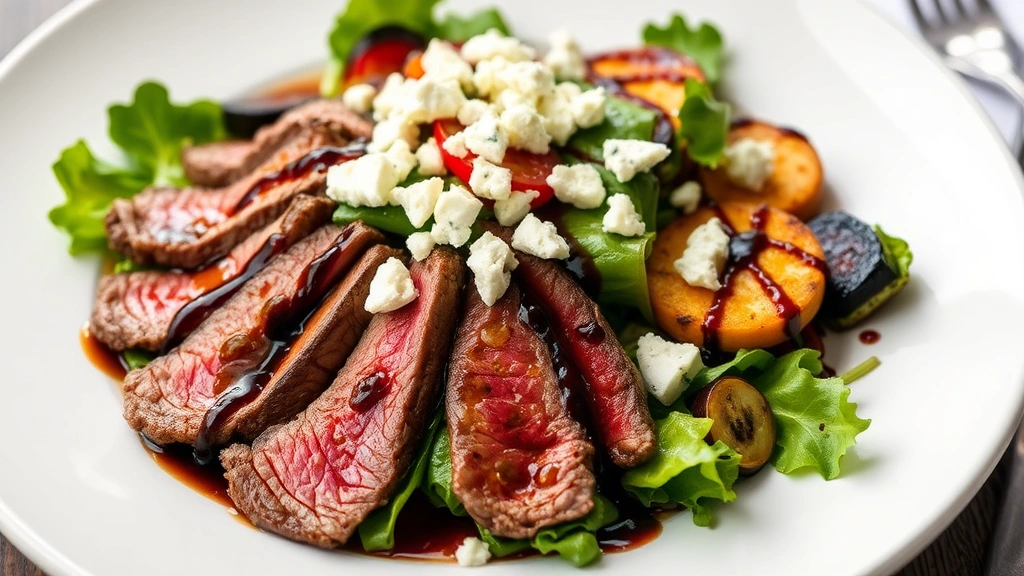
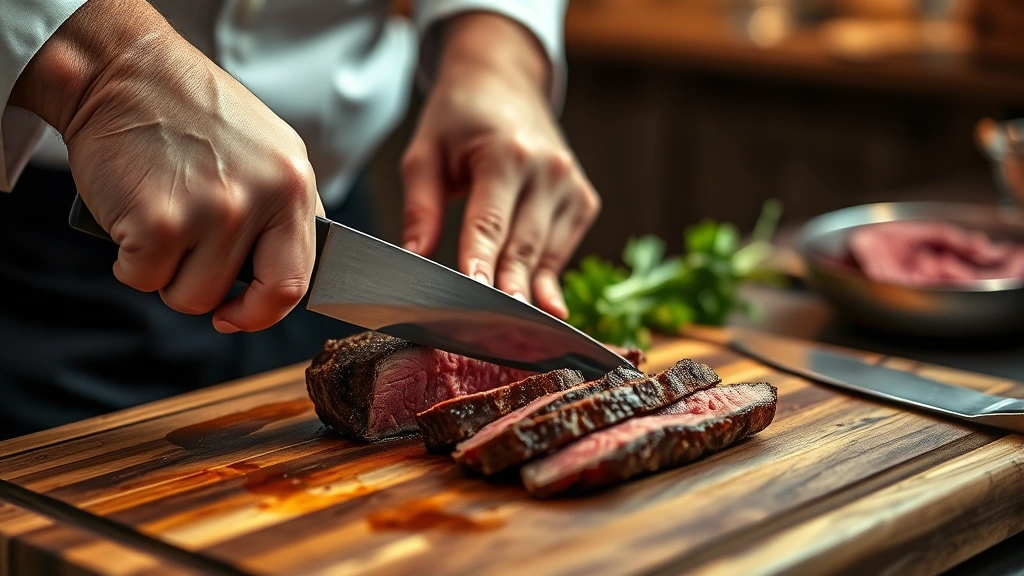
Slice your rested steak against the grain into strips approximately one-quarter inch thick. Slicing against the grain shortens muscle fibers, creating tenderness even with tougher cuts. Arrange these slices atop your greens in an organized, visually appealing manner.
Layer complementary ingredients strategically. Place roasted vegetables, cheese, and proteins thoughtfully to create visual balance and ensure each forkful contains varied components. Garnish with fresh herbs and finishing touches like microgreens, edible flowers, or crispy elements added just before serving.
Temperature balance matters. Serve your greens chilled, your steak warm or at room temperature depending on preference, and your dressing at room temperature. This temperature contrast creates interesting sensory experience.
Plating technique reflects care and attention. Avoid piling ingredients haphazardly; instead, arrange components with intention. Use negative space—white plate space—to create visual impact. A steak salad presented thoughtfully becomes worthy of fine dining establishments, elevating the entire dining experience.
Variations and Customizations
Once you master the fundamentals, explore variations that suit your preferences and available ingredients. A classic preparation provides foundation, but creativity within structure produces exciting results.
Asian-inspired versions incorporate sesame oil-based dressings, ginger, soy sauce, and wasabi. Add crispy wonton strips, cucumber, bell peppers, and scallions. Cilantro and sesame seeds provide finishing touches. This variation highlights beef’s savory qualities while introducing complementary Asian flavors.
Mediterranean variations feature sun-dried tomatoes, Kalamata olives, feta cheese, and fresh oregano. Use red wine vinaigrette with garlic and herbs. Add roasted red peppers and artichoke hearts for depth. This approach creates a lighter, brighter profile.
Warm salad versions combine warm beef and greens with warm roasted vegetables, creating comforting winter dishes. Use heartier greens like kale or spinach that hold up to warmth. Warm vinaigrettes complement this approach beautifully.
Composed salad approaches arrange components separately on the plate, allowing diners to control flavor intensity and combination. This method works excellently for entertaining, as guests can customize their experience.
Consider dietary modifications. Grain-free versions work beautifully—eliminate croutons and add extra nuts for crunch. Lower-fat preparations use Greek yogurt-based dressings instead of oil-heavy vinaigrettes. Vegetarian versions substitute plant-based proteins, though beef remains central to traditional steak salads.
Seasonal variations take advantage of available produce. Spring salads feature tender greens and fresh vegetables. Summer versions incorporate grilled vegetables and bright citrus dressings. Fall salads include roasted root vegetables and warming spices. Winter preparations use hearty greens and rich, creamy dressings.
For entertaining, prepare components in advance and assemble just before serving. This approach reduces stress and ensures optimal freshness and temperature. Professional culinary publications consistently recommend this strategy for successful dinner parties.
FAQ
What’s the best steak cut for salads?
Ribeye, strip steak, and filet mignon are excellent choices. Ribeye offers rich flavor and juiciness, strip steak provides lean meat with excellent beef taste, and filet mignon delivers ultimate tenderness. Choose based on your preferences for marbling and flavor intensity. All perform well when properly cooked and sliced.
How do I prevent my steak from drying out?
Use proper searing technique with high heat and minimal movement. Cook to proper doneness using a thermometer rather than guessing. Rest your meat for 5-10 minutes after cooking—this crucial step allows juices to redistribute throughout the meat. Avoid overcooking, which dries out even quality cuts.
Can I prepare steak salad components in advance?
Absolutely. Prepare greens, vegetables, and dressing separately hours in advance. Cook your steak 30 minutes before serving and rest it while you finish other components. Assemble immediately before eating to prevent sogginess and maintain optimal temperatures and textures.
What dressing works best with steak salad?
Classic balsamic vinaigrette, blue cheese dressing, and red wine vinaigrette are traditional choices. Lighter vinegars suit summer preparations, while creamier dressings work for heartier salads. Choose dressings that complement your specific ingredient combinations rather than overwhelming delicate flavors.
How should I slice my steak for salad?
Slice against the grain into strips approximately one-quarter inch thick. Slicing against the grain shortens muscle fibers, ensuring tenderness. This technique applies regardless of cut selected. Use a sharp knife for clean cuts that don’t shred or tear the meat.
Can I make steak salad vegetarian?
Traditional steak salad centers on beef, but you can create satisfying vegetarian versions using plant-based proteins, legumes, or extra vegetables. However, the dish loses its defining characteristic without beef. Consider alternative salad preparations that better suit vegetarian preferences.
What temperature should my steak reach?
For medium-rare, cook to 135°F internal temperature. Remove at 130°F accounting for carryover cooking. Rare reaches 125°F (remove at 120°F), medium reaches 145°F (remove at 140°F). Use an instant-read thermometer for accuracy. Personal preference determines final doneness.
How far in advance can I prepare a steak salad?
Prepare components separately up to several hours in advance. Assemble the finished salad no more than 15-20 minutes before serving to prevent greens from absorbing excess dressing and becoming soggy. Cook your steak within 30 minutes of serving for optimal temperature and flavor.