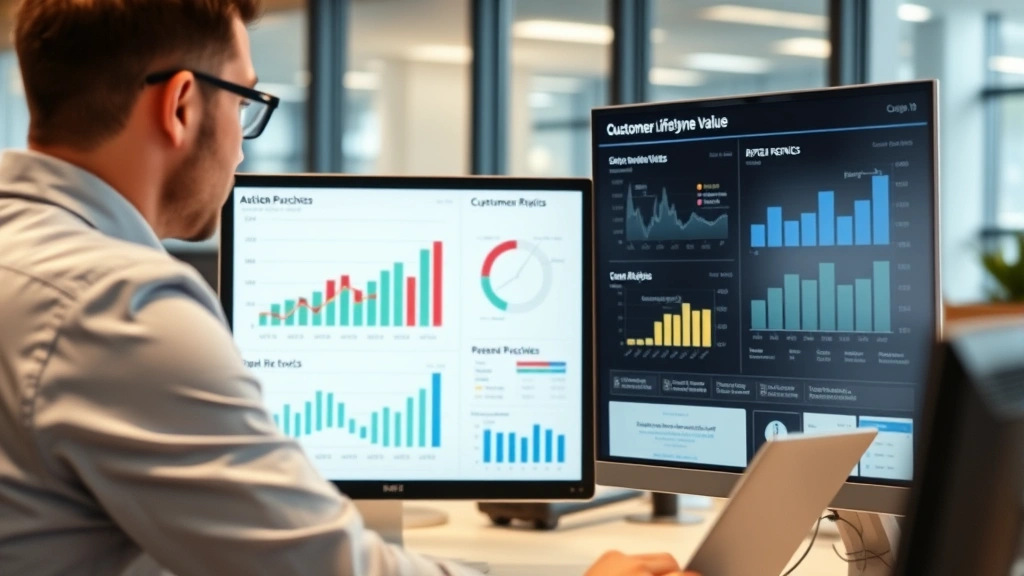
Second Sale Strategies: Proven Success Tips to Maximize Customer Lifetime Value
Converting a first-time buyer into a repeat customer is one of the most valuable achievements in e-commerce. While acquiring that initial sale requires significant effort and investment, the second sale is often where true profitability begins. Research shows that repeat customers spend 67% more than new customers, yet many businesses fail to capitalize on this opportunity. The difference between a one-time transaction and a loyal customer relationship often comes down to strategic planning and execution.
The journey from first purchase to second purchase represents a critical inflection point in customer relationships. Businesses that master this transition unlock sustainable growth, reduce customer acquisition costs, and build the foundation for lifetime value. This comprehensive guide explores evidence-based strategies that have proven successful across industries, from software companies to consumer goods retailers.

Why the Second Sale Matters More Than You Think
Understanding the economics of customer acquisition reveals why the second sale is disproportionately important. Most businesses spend between 5-25% of revenue on customer acquisition, with average CAC (Customer Acquisition Cost) ranging from $45-$150 depending on industry. When a customer makes only one purchase, companies often operate at a loss on that transaction alone.
The second sale changes this equation fundamentally. According to Bain & Company research, increasing customer retention rates by just 5% can increase profits by 25-95%. This isn’t because the second sale itself is larger—though it often is—but because repeat customers require 25-40% less marketing spend to convert. They already trust your brand, understand your value proposition, and have experienced your product quality firsthand.
Your e-commerce marketing strategies should prioritize second sales as aggressively as first-sale acquisition. The psychological shift from prospect to customer is dramatic. First-time buyers carry purchase anxiety, uncertainty about product fit, and skepticism about brand promises. Second-time buyers have eliminated these barriers. They’re predisposed to buy again if you give them reasons to do so.
Data from Shopify’s customer behavior analysis indicates that 20-40% of e-commerce revenue comes from repeat customers, despite representing only 8% of the customer base. This concentration of value means that small improvements in second sale conversion rates deliver outsized returns.
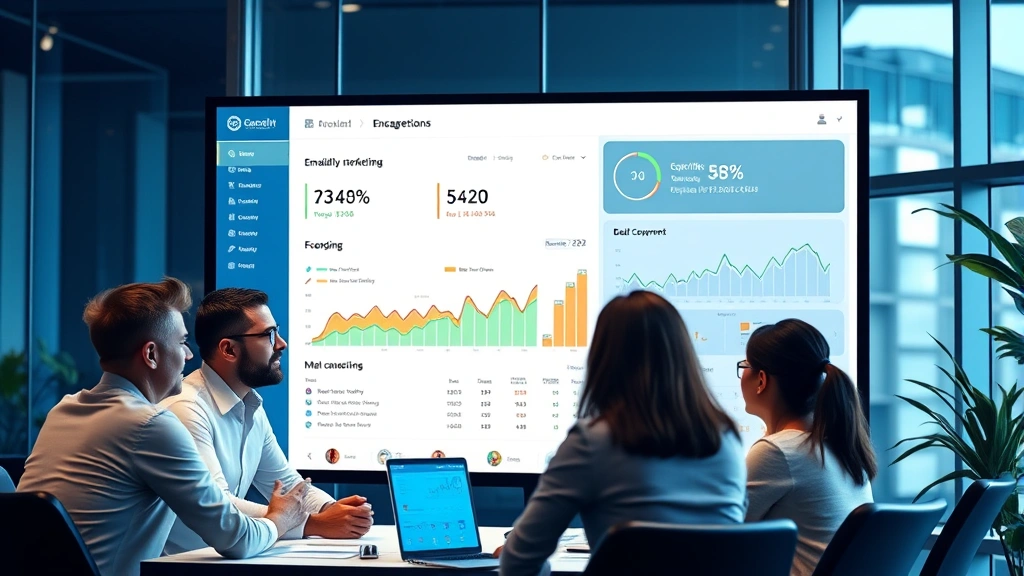
Email Nurturing: The Foundation of Second Sale Success
Email remains the highest-ROI marketing channel for driving second sales, delivering $42 for every $1 spent according to industry benchmarks. However, generic promotional emails rarely convert. Successful second sale email strategies employ segmentation, behavioral triggers, and progressive personalization.
The first email should arrive within 24-48 hours of the first purchase. This window is critical—customer satisfaction is highest immediately after successful delivery, and purchase intent is still active. This email should accomplish three goals: confirm order fulfillment, thank the customer for their business, and provide clear next steps for getting the most value from their purchase.
The second email sequence, arriving 5-7 days post-purchase, should focus on usage and satisfaction. Ask customers how they’re using the product, request feedback, and provide educational content that increases product value. This positions your brand as genuinely invested in customer success, not just transactional revenue.
Your third email, arriving 14-21 days post-purchase, introduces relevant product recommendations. This is where you strategically present the second sale opportunity. Use purchase data to recommend complementary products, related items, or consumables that pair naturally with their first purchase. If they bought a coffee maker, suggest premium coffee beans. If they purchased running shoes, recommend moisture-wicking socks. This relevance dramatically increases conversion probability.
Consider implementing inventory management systems that track product affinity and enable automated email recommendations based on what’s actually in stock. This prevents promoting items you can’t immediately fulfill.
Timing Your Follow-Up: Data-Driven Intervals
The optimal timing for second sale outreach varies significantly by product category, price point, and customer demographics. Consumable products (coffee, supplements, toiletries) warrant faster follow-up—typically 7-14 days—since customers deplete inventory quickly. Durable goods (furniture, electronics, appliances) require longer intervals, typically 30-60 days, to avoid appearing aggressive.
Seasonal factors also influence timing. For fashion retailers, second purchase windows expand during season transitions. For home goods, they spike around holidays and moving season. Analyze your own historical data to identify when your customer base is most receptive to repurchase communications.
Behavioral signals provide the most accurate timing cues. Track customer engagement: Did they open your welcome email? Click product links? Browse your website after purchase? Customers showing high engagement are ready for second sale offers much faster than those showing minimal interaction. Conversely, if a customer hasn’t engaged with any communications, a second sale offer may be premature.
The concept of “purchase readiness windows” is crucial. Most customers have natural intervals between purchases determined by consumption rates, budgets, or seasonal needs. A customer who bought winter boots in October won’t need another pair until next year, but they might purchase complementary items (insoles, waterproofing spray, boot storage) within weeks. Align your second sale timing with product category logic rather than arbitrary schedules.
Personalization and Product Recommendations
Generic “shop now” emails rarely convert on second sales. Personalization increases email click-through rates by 14% and conversion rates by 10%, according to Experian research. The most effective second sale emails make specific product recommendations based on purchase history, browsing behavior, and customer attributes.
Implement recommendation engines that analyze multiple data points: What did they buy? What price point are they comfortable with? What categories do they browse? What do similar customers purchase? This data-driven approach beats human intuition consistently. A customer who spent $150 on their first purchase and browsed premium product pages is a better candidate for a $120 second purchase than someone who bought a $25 item and browsed clearance sections.
Dynamic content blocks in emails allow you to show different products to different customers within the same email template. Customer A sees hiking boots; Customer B sees trail shoes; Customer C sees outdoor apparel. This personalization requires more technical setup but delivers substantially higher conversion rates.
Consider implementing cross-sell and upsell strategies within your e-commerce site architecture. Product pages should recommend complementary items, and checkout pages can suggest upgrades. These on-site recommendations often convert better than email because they’re presented at high-intent moments.
Creating Irresistible Second Purchase Offers
The second sale offer requires careful calibration. Too aggressive (50% off), and you train customers to expect discounts, eroding margins and brand value. Too conservative (5% off), and it fails to motivate action. Research suggests 10-15% discounts are optimal for second purchases—substantial enough to feel meaningful but not so extreme that they damage perceived value.
However, discounts aren’t the only lever. Consider alternative offers that drive second sales without margin compression:
- Free shipping on second purchases removes a common checkout friction point
- Bundle deals that combine complementary products at a slight discount increase average order value while offering perceived value
- Loyalty points that accumulate toward future discounts incentivize repeat behavior
- Exclusive access to new products or sales rewards repeat customers with status
- Extended warranties or service packages add value without direct discounting
- Gift with purchase promotions create surprise and delight
The most sophisticated second sale offers combine multiple elements. For example: “Get 12% off your second purchase when you buy two complementary items, plus free shipping and exclusive early access to our new collection.” This multi-layered approach increases perceived value while protecting margins.
Timing offers strategically also matters. Don’t lead with the discount in your subject line—lead with value. Subject lines like “Your personalized second purchase recommendation” outperform “15% off your next order” because they emphasize relevance over price. The offer becomes a bonus discovery, not the primary motivation.
Loyalty Programs That Drive Repeat Purchases
Formal loyalty programs transform second sales from one-time events into systematic repeat behavior. However, program design significantly impacts effectiveness. The most successful programs are simple, transparent, and offer rewards customers actually want.
Points-based systems remain popular but are increasingly commoditized. More sophisticated programs use tiered structures where increased loyalty unlocks better benefits. A customer making their second purchase might earn standard rewards, while a customer making their fifth purchase receives VIP treatment: free shipping, early access to sales, exclusive customer service numbers, birthday bonuses.
The psychology of loyalty programs is well-researched. Customers are motivated not just by the rewards themselves but by progress toward goals. Programs that make progress visible—showing how close customers are to the next reward tier—drive significantly higher engagement. A customer who needs just 500 more points to reach gold status is more motivated to make another purchase than one who sees an abstract points balance.
Exclusive experiences often outmotivate discounts. Consider offering loyalty members: early access to new products, invitation-only sales, exclusive content, or special experiences (webinars, consultations, events). These create emotional connection beyond transactional value.
If you’re selling digital products online, loyalty programs can include digital benefits: extended trial periods, premium features, exclusive digital content, or community access. Digital benefits have zero marginal cost but high perceived value.
Customer Feedback Integration
Requesting feedback after the first purchase serves dual purposes: it gathers insights for improvement and it deepens customer engagement. Customers who provide feedback show significantly higher second purchase rates because the feedback process creates investment in your brand’s success.
Post-purchase surveys should be brief (3-5 questions) and focused on actionable insights. Ask: “How satisfied are you with your purchase?” “What could we improve?” “What other products interest you?” The third question is particularly valuable—it reveals second purchase opportunities directly from the customer.
Critically, respond to feedback. When customers see that their input influenced product improvements, company decisions, or personalized recommendations, they feel heard and valued. This emotional connection is a powerful second sale driver. Send follow-up emails like: “Thank you for suggesting waterproof variants—we’re launching them next month, and we’d like you to be among the first to know.”
Implement customer feedback loops that inform product development and marketing strategy. When customers influence company direction, they become advocates who drive both their own repeat purchases and referrals to their networks.
Retargeting Across Multiple Channels
Email is powerful, but omnichannel approaches drive superior second sale conversion. Customers interact with brands across websites, social media, text messaging, and physical locations. Coordinating messaging across these channels increases exposure and accommodates different customer preferences.
Display retargeting shows ads to previous customers as they browse other websites. A customer who purchased running shoes sees ads for complementary running gear as they read fitness blogs. This passive reinforcement keeps your brand top-of-mind and drives second purchases through low-pressure exposure.
Social media retargeting is particularly effective for second sales. Platform algorithms allow you to target customers by purchase history, enabling you to show product-specific ads to customers who bought related items. A customer who purchased a yoga mat sees ads for yoga apparel and accessories specifically designed for mat users.
SMS marketing, while often overlooked, delivers exceptional second sale results because it reaches customers in their pockets with high open rates (98%). Text messages announcing limited-time second purchase offers, flash sales, or new product launches drive immediate action. However, SMS should be reserved for customers who explicitly opt in and for genuinely time-sensitive offers—overuse damages customer relationships.
If you operate physical retail locations alongside e-commerce, integrate location-based marketing. Customers who made online purchases can receive in-store offers when they’re near your location, creating opportunities for second purchases in environments where they can experience products firsthand.
When starting an Etsy shop or other marketplace stores, leverage platform-specific retargeting tools. Etsy’s Ads program, Google Shopping ads, and Facebook/Instagram ads all offer customer list targeting that enables you to reach previous buyers with second purchase offers.
FAQ
What’s the average time between first and second purchase?
This varies significantly by industry. For consumables (coffee, supplements), the average is 14-30 days. For apparel, it’s 45-90 days. For higher-ticket items (furniture, appliances), it can extend to 6-12 months. Analyze your own customer data to determine baseline intervals, then use this to time your second sale outreach strategically.
Should I use discounts to drive second sales?
Discounts can be effective but aren’t necessary. A 10-15% discount is often optimal—substantial enough to motivate action without training customers to expect heavy discounting. Consider alternative offers like free shipping, loyalty points, bundle deals, or exclusive access that create value without margin compression.
How many emails should I send before the second sale opportunity?
A three-email sequence is typical: welcome/confirmation, usage/education, and product recommendation. However, monitor engagement. If customers aren’t opening emails, pause the sequence and try different approaches. Quality matters more than quantity.
Can I use the same second sale strategy for all customer segments?
No. Segment customers by purchase value, product category, engagement level, and demographics. A high-value customer who spent $500 warrants different treatment than a customer who spent $25. Personalize your approach accordingly.
How do I measure second sale strategy effectiveness?
Track second purchase rate (percentage of first-time customers making a second purchase), time to second purchase, second purchase average order value, and customer lifetime value. Compare these metrics across different campaigns to identify what works best for your business.
What if customers aren’t making second purchases?
Investigate root causes. Are they satisfied with their first purchase? Survey customers. Is your product a one-time purchase or consumable? Adjust strategy accordingly. Are you timing follow-up appropriately? Test different intervals. Is your second sale offer compelling? A/B test different offers. The answer usually emerges from testing and customer feedback.