How to Buy Used Vans: Expert Tips Inside
Purchasing a used van represents one of the most significant commercial investments for small businesses, entrepreneurs, and individuals seeking affordable transportation solutions. Whether you’re launching a delivery service, starting a mobile business, or simply need reliable transportation, understanding the nuances of the used van market can save you thousands of dollars and prevent costly mistakes. The used vehicle market has evolved dramatically, with more transparent pricing, comprehensive vehicle history reports, and digital marketplaces making the buying process more accessible than ever before.
The decision to buy used rather than new often reflects smart financial strategy. Used vans typically depreciate more slowly than passenger vehicles, and many commercial-grade vans maintain their utility value across multiple ownership cycles. However, purchasing used vehicles requires diligent research, proper inspection protocols, and knowledge of market dynamics. This comprehensive guide walks you through every step of the used van buying process, from initial research through final negotiation and purchase.
Understanding the Used Van Market
The used van market operates differently from the broader used vehicle market. Commercial vehicles, including vans, maintain stronger residual value because their utility doesn’t diminish significantly with age if properly maintained. Understanding current market conditions helps you identify fair pricing and avoid overpaying. Recent industry data shows that used commercial vehicles remain in high demand, particularly as small businesses and entrepreneurs continue to invest in mobile service operations.
Market dynamics vary significantly based on van type, mileage, condition, and regional demand. Full-size cargo vans command different price points than passenger vans or specialized commercial vehicles. The transition toward electric and hybrid commercial vehicles has also influenced used van pricing, with traditional diesel and gasoline vans remaining affordable entry points for cost-conscious buyers. When researching market conditions, consult Manheim’s vehicle valuation reports and NADA Guides for comprehensive pricing data across different van models and years.
Seasonal variations also impact used van availability and pricing. Spring and summer typically see increased inventory as sellers prepare for business expansion, while winter months may offer better negotiating leverage due to reduced buyer competition. Understanding these patterns allows you to time your purchase strategically, whether you’re seeking the widest selection or the best possible price.
Determining Your Budget and Financing Options
Before beginning your search for sale used vans, establish a realistic budget that accounts for the vehicle purchase price plus additional costs including insurance, maintenance, registration, and potential repairs. Many buyers focus exclusively on the purchase price and overlook ongoing operational expenses that significantly impact total cost of ownership. A comprehensive financial assessment ensures you select a vehicle that aligns with your long-term business or personal goals.
Financing options for used vans extend beyond traditional bank loans. Many buyers explore multiple pathways including dealer financing, bank loans, credit union financing, and private lending arrangements. If you’re purchasing a used van for business purposes, consider whether this investment qualifies for business for sale considerations or represents a capital asset requiring specific accounting treatment. Commercial financing often offers different terms and rates compared to personal vehicle loans, potentially providing better overall value.
Credit unions frequently offer competitive rates for used vehicle purchases, particularly for members with established financial relationships. Online lenders have also expanded options for buyers with varied credit profiles, though interest rates vary considerably. Before committing to any financing arrangement, obtain pre-approval to establish your precise borrowing capacity and understand monthly payment obligations. This pre-approval also strengthens your negotiating position with private sellers who appreciate working with qualified buyers.
Consider the total cost of ownership calculation: purchase price plus estimated annual maintenance, insurance, fuel, registration, and potential repairs. Older vans with lower purchase prices may incur higher maintenance costs, while newer used vans command premium prices but potentially offer lower operational expenses. This analysis guides you toward the optimal balance between upfront investment and long-term affordability.
Where to Find Quality Used Vans
Multiple channels exist for locating used vans, each offering distinct advantages and requiring different evaluation approaches. Online marketplaces like AutoTrader and Craigslist provide extensive inventories with detailed listings and seller contact information. These platforms enable comprehensive comparison shopping and price research across geographic regions. However, online purchases require careful vetting of seller credibility and vehicle authenticity through vehicle history reports and pre-purchase inspections.
Established dealerships specializing in commercial vehicles offer professionally inspected inventory with warranty protections and financing assistance. While dealership pricing typically exceeds private seller prices, the reduced risk and professional support justify the premium for many buyers. When evaluating dealership options, prioritize those with strong reputations in your local market and transparent pricing structures. Reading customer reviews on independent platforms provides insight into dealership reliability and customer service quality.
Fleet auctions represent another valuable source for used vans, particularly corporate and government surplus vehicles. These auctions feature well-maintained vehicles with documented service histories, though purchasing requires understanding auction processes and potential additional costs. Government and commercial fleet auctions often occur regularly, providing consistent inventory opportunities throughout the year.
Private sellers frequently offer competitive pricing and opportunities for direct negotiation. However, purchasing from private sellers requires heightened diligence regarding vehicle condition, ownership verification, and title clarity. Always request comprehensive vehicle history reports and conduct thorough mechanical inspections before committing to private purchases. Personal networks and industry connections sometimes reveal used van opportunities before they reach public marketplaces, potentially offering better pricing and detailed ownership history.
Inspection and Mechanical Evaluation
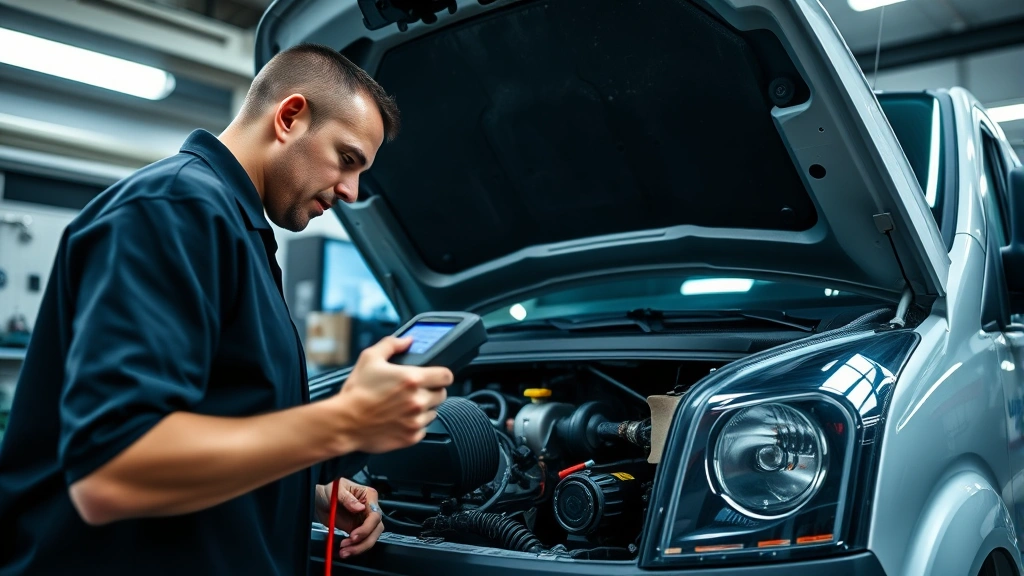
Comprehensive vehicle inspection represents the most critical step in used van purchasing. Never rely solely on seller descriptions or visual assessment; professional mechanical evaluation identifies hidden issues that could become expensive problems post-purchase. Hire qualified mechanics to conduct pre-purchase inspections, examining engine condition, transmission performance, brake systems, suspension, electrical components, and structural integrity.
Key inspection areas for used vans include engine compression testing, transmission fluid condition and smell, coolant system integrity, brake pad thickness and rotor condition, suspension component wear, rust and corrosion assessment, and frame straightness verification. Modern diagnostic equipment reveals fault codes and performance issues invisible to casual inspection. A comprehensive inspection typically costs $150-$300 but prevents significantly more expensive problems.
Document mileage verification against service records and ownership history. Odometer fraud occasionally occurs in used vehicle markets, making independent verification essential. Request complete service records demonstrating regular maintenance intervals and major repairs performed. Vehicles with documented maintenance histories command premium pricing because they indicate responsible ownership and reduced risk of hidden mechanical issues.
Examine the vehicle’s interior condition including upholstery, dashboard, controls, and cargo area. Commercial vans experience heavier use than passenger vehicles, potentially accelerating interior wear. Assess whether interior condition matches the stated mileage and usage history. Rust, water damage, and electrical issues in commercial vans sometimes indicate previous accident involvement or environmental exposure requiring careful evaluation.
Negotiation Strategies and Price Analysis
Effective negotiation begins with comprehensive market research establishing fair pricing for comparable vehicles in your region. Utilize multiple valuation sources including NADA Guides, Kelley Blue Book, and local market listings to establish realistic price ranges. Understanding market conditions strengthens your negotiating position by enabling fact-based discussions rather than subjective arguments.
When negotiating used van prices, emphasize inspection findings as legitimate basis for price reductions. Documented mechanical issues, needed repairs, or cosmetic damage provide concrete negotiating leverage. Professional inspection reports demonstrating specific issues prove more persuasive than general observations. Calculate estimated repair costs and present them as price reduction justifications during negotiations.
Timing impacts negotiation success significantly. End-of-month or end-of-quarter purchasing often yields better pricing as dealers attempt to meet sales quotas. Private sellers sometimes become more flexible as seasons change or personal circumstances create urgency. Demonstrating qualified buyer status through pre-approval financing strengthens your negotiating position substantially.
Avoid emotional attachment to specific vehicles, which undermines negotiating effectiveness. Multiple vehicle options create healthy competition and reduce pressure to accept unfavorable terms. Walk away from deals that don’t align with your budget and requirements; additional inventory always exists for patient buyers. Professional buyers understand that successful negotiation sometimes means declining attractive vehicles that don’t meet specific criteria or pricing targets.
Documentation and Legal Requirements
Proper documentation protects your investment and ensures legal vehicle ownership transfer. Request complete title documentation, ownership history, and maintenance records from sellers. Verify title status through your state’s motor vehicle department, confirming the seller possesses legitimate ownership authority. Titles with liens or outstanding payments create significant problems post-purchase, making clear title verification essential.
Obtain comprehensive vehicle history reports through Carfax or AutoCheck revealing accident history, title issues, service records, and ownership changes. These reports cost $20-$40 but provide invaluable information regarding vehicle background. Multiple accident records, salvage titles, or flood damage significantly impact vehicle value and reliability.
Complete bill of sale documentation protecting both buyer and seller, clearly specifying vehicle identification number, purchase price, condition statement, and any warranties included. This documentation proves ownership transfer and protects against future disputes. State-specific requirements vary regarding bill of sale formats and notarization requirements; consult your state’s motor vehicle department for specific guidelines.
Insurance verification before completing purchase ensures you can legally operate the vehicle immediately after purchase. Contact insurance providers to confirm coverage availability and obtain quotes. Some specialty vans or vehicles with unusual modification history may require specialized insurance policies affecting total cost of ownership calculations. Address insurance considerations before finalizing purchases to avoid unexpected expenses.
Registration and title transfer processes vary by state but typically occur at your state’s motor vehicle department. Required documentation usually includes bill of sale, title documents, proof of insurance, identification, and completed registration forms. Some states impose sales taxes on used vehicle purchases, while others exempt certain commercial vehicles; understand your state’s specific requirements before completing transactions.

” alt=”Professional mechanic conducting comprehensive inspection of used commercial van engine compartment”>
When evaluating high ticket sales investments like commercial vehicles, treat the purchase process with appropriate seriousness and professional rigor. Used vans represent significant capital deployment requiring comprehensive due diligence matching enterprise-level purchasing standards.
Post-Purchase Considerations
Immediately after purchase, schedule comprehensive maintenance establishing baseline vehicle condition and addressing any deferred maintenance identified during inspection. Oil changes, fluid top-ups, filter replacements, and belt inspections ensure reliable operation. New owners sometimes discover additional issues after purchase requiring prompt professional attention to prevent larger problems.
Develop preventive maintenance schedules maintaining vehicle reliability and protecting your investment. Regular oil changes, fluid monitoring, brake inspections, and suspension checks extend vehicle lifespan and reduce emergency repair costs. Commercial vans used for business purposes benefit from rigorous maintenance discipline ensuring consistent operational availability.
Consider extended warranty options for additional peace of mind, particularly for older vehicles or those with higher mileage. Third-party warranty providers offer coverage plans extending beyond factory warranties, though costs and coverage limitations vary significantly. Evaluate warranty terms carefully, understanding what components receive coverage and what exclusions apply.
Track all maintenance and repair expenses for tax deduction purposes if using the van for business. Detailed records also document vehicle care quality, supporting future resale value claims. This documentation proves valuable when eventually selling the used van, demonstrating responsible ownership and maintenance discipline.

” alt=”Business owner reviewing maintenance records and documentation for commercial van fleet management”>
Commercial Van Specialization Considerations
Specialized commercial vans require additional evaluation criteria beyond standard vehicle inspection. Refrigerated vans, electrical service vans, plumbing vans, and other specialized configurations demand assessment of specialized systems and equipment functionality. Verify that specialized equipment operates correctly and requires no expensive repairs or replacement.
When purchasing vans for headless commerce operations or mobile retail businesses, evaluate interior configurations supporting your specific business model. Custom shelving, display systems, point-of-sale equipment integration, and cargo management solutions may require professional installation or modification. Factor these customization costs into your total investment calculations.
Fleet purchasing for multiple vans sometimes qualifies for volume discounts or fleet financing programs offering better terms than individual vehicle purchases. If expanding your business requires multiple vehicle acquisition, explore fleet dealer options and commercial financing programs designed for multi-vehicle transactions. These specialized programs often provide better pricing and streamlined purchasing processes.
Environmental regulations increasingly impact commercial vehicle operations in certain jurisdictions. Verify that used vans meet current emission standards for your operating region, preventing future regulatory compliance issues. Some regions restrict older diesel vehicles or impose specific emission control requirements; confirm compliance before purchase to avoid costly retrofitting or operational restrictions.
FAQ
What mileage range should I target when buying used vans?
Used vans typically maintain reliability through 150,000-200,000 miles if properly maintained, though individual vehicle condition matters more than mileage alone. Commercial vans often accumulate higher mileage than passenger vehicles while maintaining functionality. Focus on overall condition, maintenance history, and inspection results rather than establishing rigid mileage cutoffs.
Should I buy from a dealer or private seller?
Both options offer advantages. Dealers provide warranty protection and professional inspection but charge premium pricing. Private sellers offer better pricing but require heightened due diligence and assume greater risk. Your choice depends on risk tolerance, available time for thorough evaluation, and budget constraints.
What financing options work best for used van purchases?
Pre-approval financing from banks or credit unions often provides competitive rates and strengthens negotiating position. Dealer financing offers convenience but typically features higher interest rates. Compare multiple options before committing, considering both interest rates and loan terms.
How much should I budget for maintenance after purchase?
Plan for approximately 10-15% of the purchase price annually for maintenance and repairs, varying based on vehicle age and condition. Newer used vans typically require lower maintenance expenses, while older vehicles may exceed these estimates significantly.
What red flags indicate I should avoid a specific used van?
Avoid vehicles with salvage titles, multiple accident history, rust damage, transmission issues, or mismatched maintenance records. Seller reluctance to provide documentation, pressure to purchase quickly, or refusal to allow professional inspection should trigger serious concerns.
Can I negotiate the price of used vans at dealerships?
Absolutely. Dealership prices represent opening positions rather than fixed amounts. Comparable market research, inspection findings, and demonstrated buyer qualification strengthen negotiating leverage. Professional dealerships expect negotiation and build markup into initial pricing.
What paperwork do I need for legal vehicle ownership transfer?
Required documentation includes bill of sale, title documents, proof of insurance, identification, and completed registration forms. Specific requirements vary by state; consult your state’s motor vehicle department for complete checklists.
Should I purchase extended warranties for used vans?
Extended warranties provide peace of mind for older vehicles or those with higher mileage, though costs and coverage limitations vary significantly. Evaluate warranty terms carefully, comparing coverage scope against typical repair costs for your vehicle type.