
RAV4 for Sale: Expert Buying Tips for Smart Consumers
The Toyota RAV4 remains one of the most sought-after vehicles in the automotive market, consistently ranking as a top-selling compact SUV globally. Whether you’re searching for a brand-new model or a reliable used RAV4, understanding the buying process can save you thousands of dollars and help you avoid costly mistakes. This comprehensive guide provides actionable insights for anyone looking to purchase a RAV4, covering everything from pricing strategies to negotiation tactics.
The RAV4’s popularity stems from its reputation for reliability, fuel efficiency, and versatility. However, with high demand comes competitive pricing and limited inventory in many markets. Savvy buyers need to approach their purchase strategically, whether they’re working with dealerships, private sellers, or online marketplaces. This guide equips you with the knowledge to make informed decisions throughout the buying journey.
Understanding RAV4 Market Pricing and Trends
RAV4 pricing fluctuates based on multiple factors including model year, mileage, condition, location, and current market demand. According to Edmunds, the average price for a new RAV4 ranges from $28,000 to $38,000 depending on trim level and features. Used RAV4 prices typically range from $15,000 to $32,000, with significant variation based on age and condition.
Market trends show that RAV4 values remain stable compared to other compact SUVs, making them excellent investments for long-term ownership. The vehicle’s strong resale value means you’ll recover a higher percentage of your initial investment if you decide to sell later. Research from Kelley Blue Book indicates that RAV4s retain approximately 60-70% of their original value after five years, outperforming many competitors in the segment.
When evaluating prices, consider seasonal variations. Prices tend to be lower during winter months and higher during spring and summer when demand peaks. Model year transitions also create opportunities—purchasing the previous year’s model can result in significant savings once new models arrive. Understanding these market dynamics helps you time your purchase strategically.
New vs. Used RAV4: Which Option Makes Sense
The decision between purchasing a new or used RAV4 depends on your budget, priorities, and long-term ownership plans. New RAV4s offer the latest technology features, full manufacturer warranties (typically 3 years/36,000 miles), and the satisfaction of being the first owner. However, you’ll pay a premium and experience immediate depreciation—new vehicles lose 15-20% of their value in the first year.
Used RAV4s provide exceptional value, especially models 3-5 years old. These vehicles have already absorbed the steepest depreciation but typically retain significant remaining lifespan. A well-maintained used RAV4 with 40,000-60,000 miles can provide 200,000+ additional miles of reliable service. Extended warranties are often available for used purchases, providing peace of mind similar to new vehicle ownership.
Consider your driving habits when making this decision. If you drive fewer than 12,000 miles annually, a used RAV4 is likely the more economical choice. For higher-mileage drivers, a new RAV4 might justify the additional investment through improved fuel economy and lower maintenance costs. Calculate the total cost of ownership—including insurance, maintenance, repairs, and fuel—rather than focusing solely on purchase price.
Where to Find RAV4 Vehicles for Sale
Multiple channels exist for finding RAV4 vehicles, each with distinct advantages and considerations. Traditional dealerships remain the most common source, offering certified pre-owned (CPO) vehicles with warranties and comprehensive inspections. Toyota dealerships specifically provide brand-specific expertise and access to Toyota Certified Pre-Owned inventory.
Private sellers often offer competitive pricing since they eliminate dealer markups. Platforms like Facebook Marketplace have revolutionized private vehicle sales, though you’ll need to follow proper procedures. Our guide on how to use Facebook Marketplace provides detailed steps for safely purchasing vehicles through this platform. Always meet in public locations and bring a trusted companion when viewing private-party vehicles.
Online marketplaces like AutoTrader, Cars.com, and Craigslist aggregate listings from multiple sources, allowing you to compare options across wide geographic areas. These platforms typically provide vehicle history reports and allow you to filter by price, mileage, and features. If you’re considering a for sale by owner contract, ensure you understand the legal requirements in your jurisdiction.
Auction sites and fleet sales offer potential bargains but require careful inspection since vehicles are often sold as-is without warranties. Government auctions, police department vehicle sales, and corporate fleet liquidations can yield significant savings for patient buyers willing to conduct thorough due diligence.
Certified pre-owned (CPO) programs deserve special consideration. Toyota’s CPO program includes 12-month/12,000-mile comprehensive coverage and 7-year/100,000-mile powertrain coverage. These vehicles undergo rigorous inspections, making them excellent compromises between new and used purchases.
Evaluating Vehicle Condition and History
Before making any purchase commitment, thoroughly evaluate the RAV4’s condition and history. Request the vehicle history report using the VIN (Vehicle Identification Number)—services like CARFAX and AutoCheck reveal accident history, title status, service records, and other critical information. Pay particular attention to whether the title is clean, salvage, or branded for flood damage.
Conduct a comprehensive visual inspection examining the exterior for rust, dents, paint inconsistencies, and signs of previous repairs. Check that all lights, wipers, and exterior accessories function properly. Inspect tires for wear patterns—uneven wear might indicate alignment issues or suspension problems requiring expensive repairs.
Interior condition assessment should include checking all seats for tears or stains, testing all electronic features (windows, locks, climate control, infotainment system), and examining the odometer and mileage consistency. Smell the interior—musty odors suggest water damage or mold issues that are expensive to remedy.
Mechanical inspection is crucial. Listen for unusual noises during startup and while driving. Check fluid levels and condition—dark or burnt-smelling oil suggests deferred maintenance. Examine the transmission for smooth shifting, brakes for responsiveness, and suspension for unusual sounds or bouncing.
Hire a pre-purchase inspection (PPI) from an independent mechanic—typically costing $100-150. This professional assessment can identify hidden problems and provides leverage for price negotiations. Many private sellers and dealerships will allow inspections, and their willingness to accommodate this request indicates confidence in the vehicle’s condition.
Negotiation Strategies and Getting the Best Deal
Successful negotiation requires preparation, knowledge, and strategic approach. Research fair market value using resources like Edmunds True Market Value and KBB’s pricing guides—these tools consider your specific location, mileage, and condition. Knowledge of fair pricing eliminates dealer advantages and prevents overpaying.
Start negotiations with a reasonable but lower offer—typically 5-10% below asking price for used vehicles. Dealers expect negotiation; starting too high signals inexperience. Support your offer with documentation: market comparables, inspection reports revealing needed repairs, and maintenance cost estimates.
Focus negotiations on total price rather than monthly payments. Dealers often manipulate payment amounts through extended loan terms, higher interest rates, or inflated add-ons. Establish your target price and loan terms before visiting dealerships, then evaluate whether the dealer’s offer meets your criteria.
Identify negotiable elements beyond base price: extended warranties, maintenance packages, trade-in value, and add-ons like floor mats or roof racks. Sometimes dealers will reduce price by $500 but add $1,000 in unnecessary add-ons. Request itemized breakdowns and refuse unnecessary additions.
Timing provides negotiation leverage. End-of-month, end-of-quarter, and end-of-year sales periods create dealer pressure to meet quotas. Weekday purchases often result in better negotiations than weekend shopping when demand peaks. Rainy days and winter months see fewer buyers, strengthening your negotiating position.
Walk away if terms don’t meet your criteria. This demonstrates seriousness and often prompts final concessions. Multiple dealers competing for your business inevitably produces better offers than accepting the first proposal.
Financing Options and Payment Considerations
Financing decisions significantly impact your total purchase cost. Secure pre-approval from banks or credit unions before shopping—this provides negotiating power and prevents dealer financing manipulation. Credit unions often offer lower interest rates than dealership financing, potentially saving thousands over the loan term.
Compare loan terms carefully. A 60-month loan at 4% interest costs substantially less than a 72-month loan at 6% interest, even though monthly payments appear similar. Calculate total interest paid across the full loan term—this reveals the true cost of financing.
Down payment size influences both interest rates and monthly payments. Larger down payments (20% or more) typically qualify for better rates and reduce the amount financed. However, ensure you maintain adequate emergency savings—depleting reserves to maximize down payment creates financial vulnerability.
Consider the trade-in option carefully. Dealerships often overvalue trade-ins to inflate the apparent discount, then compensate by increasing vehicle prices. Get independent valuations from multiple sources and compare dealer offers against private sale values for your trade-in vehicle.
Lease options deserve consideration for those who prefer new vehicles with warranty coverage and predictable costs. Leasing typically includes maintenance and insurance, simplifying ownership. However, mileage limitations (usually 10,000-12,000 miles annually) and wear-and-tear charges make leasing expensive for high-mileage drivers.
Red Flags and Common Pitfalls
Recognize warning signs indicating problematic vehicles or untrustworthy sellers. Pressure tactics—”this offer expires today” or “another buyer is interested”—suggest the seller prioritizes quick sales over honest dealing. Legitimate sellers and dealers welcome thoughtful consideration.
Reluctance to provide maintenance records, accident history, or allow inspections indicates potential problems. Honest sellers welcome thorough evaluation because they’re confident in their vehicles’ condition. Evasive responses to direct questions about mechanical issues or accident history should trigger immediate disqualification.
Suspicious pricing—significantly below market rates—often indicates title problems, mechanical issues, or fraud. Stolen vehicles and those with salvage titles occasionally appear on marketplaces at suspiciously low prices. Verify title status and ownership before proceeding with any transaction.
Overheated engines, fluid leaks, and transmission problems represent expensive repairs requiring $2,000-$5,000+ in repairs. Brake issues, suspension damage, and electrical problems similarly demand expensive professional service. These issues should dramatically reduce acceptable purchase prices or trigger complete disqualification.
Avoid extended warranties and service packages that duplicate manufacturer coverage or offer minimal protection. Calculate whether warranty costs justify potential repairs—for newer used vehicles with factory warranty remaining, additional coverage often provides poor value.
Beware of odometer fraud, particularly with older vehicles. Mileage should correspond with maintenance records and overall vehicle condition. Suspiciously low mileage combined with worn interiors and aged components indicates potential tampering.
FAQ
What is the average RAV4 price in 2024?
New RAV4 prices range from $28,000-$38,000 depending on trim level, while used RAV4s typically cost $15,000-$32,000 based on model year, mileage, and condition. Prices vary by location and current market demand.
Is buying a used RAV4 a good investment?
Yes, used RAV4s are excellent investments due to their reliability, strong resale value, and longevity. Well-maintained vehicles typically provide 200,000+ miles of service, making them economical long-term purchases despite higher initial mileage.
Should I buy from a dealership or private seller?
Dealerships offer warranties, professional inspections, and legal protections, though at higher prices. Private sellers provide better pricing but require more diligence regarding inspections and legal documentation. Your choice depends on risk tolerance and budget priorities.
What mileage is acceptable for a used RAV4?
RAV4s with 40,000-80,000 miles represent excellent value, offering significant remaining lifespan while having absorbed initial depreciation. Higher-mileage vehicles (100,000+) can still provide reliable service if well-maintained, though they warrant thorough inspection.
How much should I budget for RAV4 maintenance?
Annual maintenance typically costs $500-$1,000 for oil changes, filters, and routine service. Major repairs (transmission, engine, suspension) can range from $1,000-$5,000+. Budget accordingly or purchase extended warranties for peace of mind.
What documents do I need when purchasing a RAV4?
Essential documents include the vehicle title, bill of sale, maintenance records, warranty information, and vehicle history report. For financed purchases, include loan documents and insurance proof. Verify seller identity matches title documentation.
How can I avoid RAV4 scams?
Verify title status, request maintenance records, conduct pre-purchase inspections, use secure payment methods, and meet in public locations. Avoid wire transfers or checks to unknown parties. Research seller reputation and trust your instincts—legitimate deals don’t require excessive pressure or secrecy.
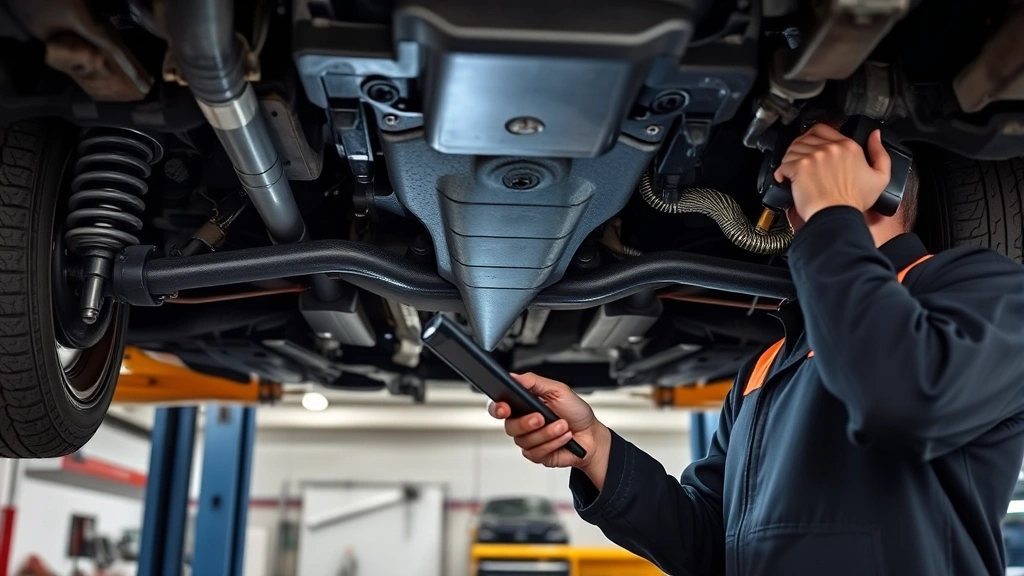
” alt=”Professional mechanic inspecting vehicle undercarriage during pre-purchase inspection, using diagnostic tools and flashlight to examine suspension and brake components in automotive service facility.”/>
” alt=”Diverse group of customers reviewing vehicle documents and shaking hands with dealership sales representative in modern showroom setting, completing vehicle purchase transaction.”/>


