Where to Buy Queen Bees: Trusted Sellers Guide for Beekeepers
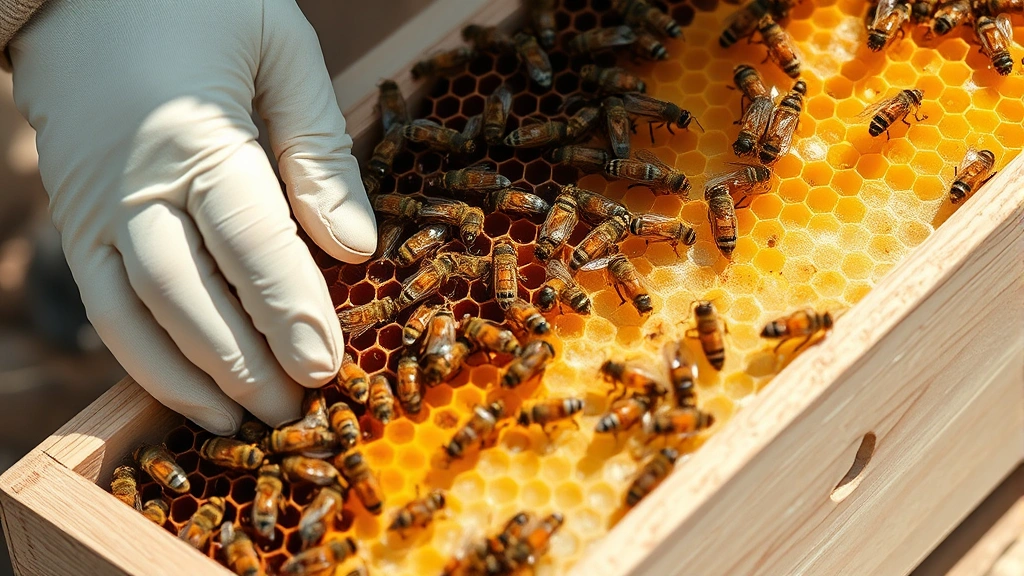
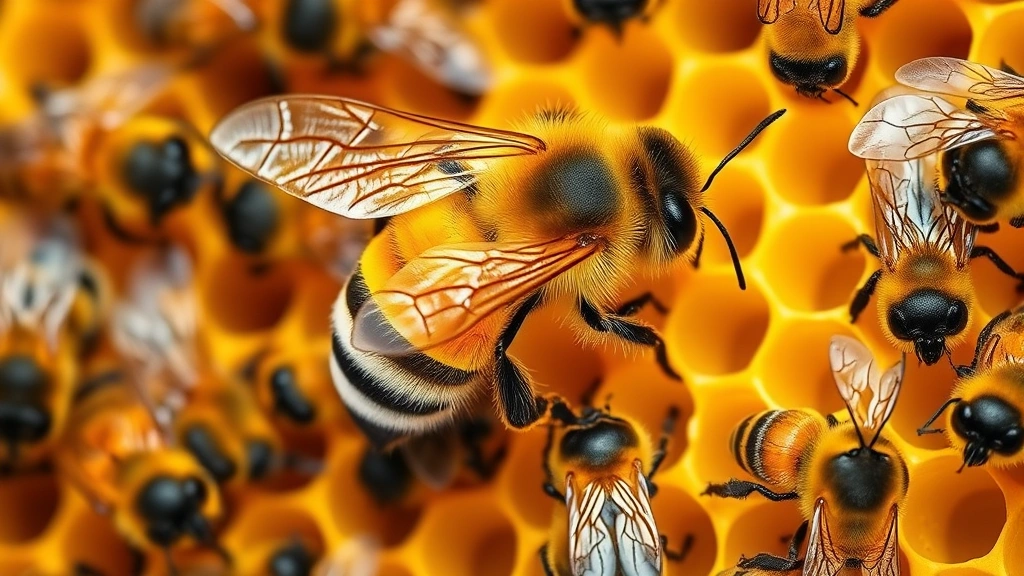
The queen bee market has evolved significantly over the past decade, transforming from a niche agricultural sector into a thriving e-commerce ecosystem. Whether you’re a commercial beekeeper managing hundreds of hives or a hobbyist maintaining a backyard apiary, finding reliable queen bee sellers has become more accessible than ever. According to the United States Department of Agriculture, the demand for quality queen bees has increased by over 35% in the last five years, driven by both colony expansion needs and the critical role queens play in hive productivity and disease resistance.
The process of sourcing queen bees requires careful consideration of multiple factors: seller reputation, genetic lineage, health certifications, shipping methods, and pricing structures. Unlike traditional retail commerce where you can inspect products before purchase, buying queen bees demands a different approach. You’re essentially investing in the genetic future of your apiary, making seller selection one of the most consequential decisions you’ll make as a beekeeper. This comprehensive guide explores the landscape of queen bee suppliers, evaluating their strengths, weaknesses, and specializations to help you make an informed purchasing decision.
Understanding the nuances of this specialized market is crucial because queen bee quality directly impacts hive productivity, longevity, and overall colony health. A poor-quality queen can compromise your entire operation, leading to reduced honey production, increased disease susceptibility, and colony losses. Conversely, investing in premium genetics from trusted sellers often yields superior returns through increased productivity and colony resilience.
Understanding the Queen Bee Market
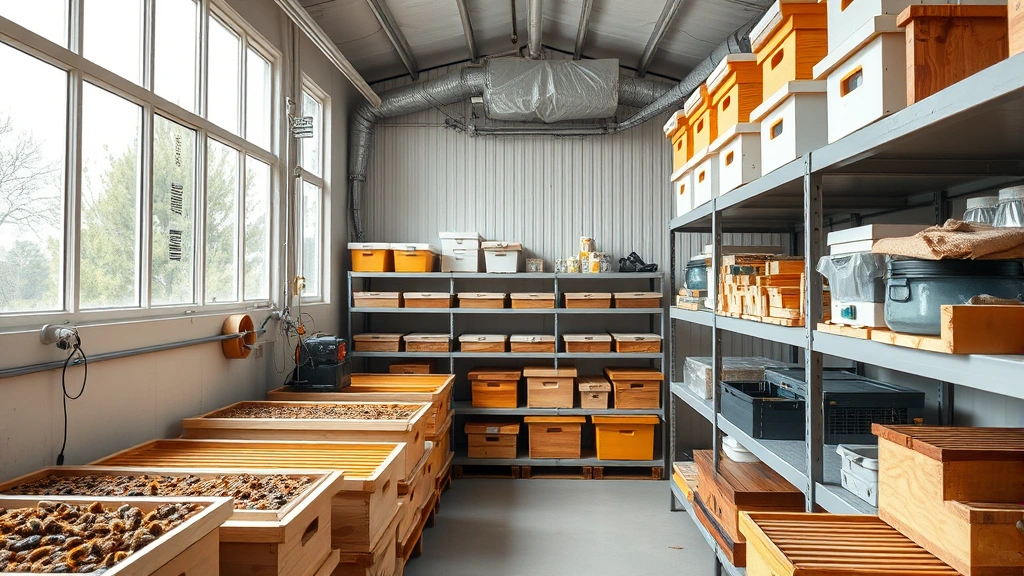
The queen bee sales industry operates through multiple distribution channels, each serving different customer segments and geographic regions. The market has matured considerably, with professional breeders, commercial operations, and small-scale producers all competing for market share. Understanding this ecosystem helps you identify which sellers align with your specific needs and operational scale.
Commercial queen bee production is concentrated in several key regions, particularly California, Hawaii, and parts of the Southeast. These areas benefit from favorable climates that allow for extended breeding seasons and year-round production capabilities. The American Beekeeping Federation maintains comprehensive databases of registered queen breeders, providing a valuable starting point for your search. The market also includes international sellers, though importing queens involves additional regulatory requirements and health certifications.
When exploring where to buy queen bees for sale, you’ll encounter several business models. Some sellers specialize in specific genetic lines, such as Italian, Carniolan, or Russian bees. Others focus on traits like gentleness, productivity, or disease resistance. Understanding these specializations helps you identify sellers whose genetics match your beekeeping goals and environmental conditions. The pricing structure varies considerably based on queen age, genetic purity, health certifications, and delivery methods.
Top Certified Queen Bee Sellers
Several established queen bee producers have built exceptional reputations through decades of consistent quality and customer service. These sellers typically maintain certification from state apiary boards, participate in industry associations, and provide comprehensive health documentation with every sale.
Glenn Apiaries stands as one of the most respected queen bee suppliers in North America, operating continuously since 1952. They specialize in Italian and hybrid queens, maintaining rigorous health standards and offering multiple pricing tiers based on queen age and genetic selection. Their operation includes detailed genetic tracking, allowing customers to understand the lineage of their queens and make informed breeding decisions.
Another premier option is Strachan Apiaries, based in California and serving beekeepers nationwide. They emphasize disease-resistant genetics and maintain partnerships with university research programs to incorporate the latest genetic advances. Their quality assurance protocols include rigorous health screening and viability testing before shipment.
Olivarez Honey Bees represents another top-tier supplier, particularly known for their focus on sustainable breeding practices and genetic diversity. They offer queens at various price points and maintain excellent documentation of their breeding program’s genetic background. Their customer service team provides consultation on queen selection based on your specific beekeeping goals.
For beekeepers seeking specialized genetics, Sundance Bee Supply offers carefully bred lines with emphasis on specific traits. They work directly with small-scale beekeepers and commercial operations alike, providing personalized recommendations for queen selection. Their transparent breeding philosophy appeals to beekeepers interested in understanding the genetic foundation of their operations.
Online Platforms and Marketplaces
The rise of e-commerce has dramatically expanded access to queen bee sellers, with many traditional producers now operating sophisticated online ordering systems. These platforms function similarly to how you might approach best e-commerce platforms for small businesses, allowing sellers to reach customers across geographic boundaries with unprecedented efficiency.
Established beekeeping supply retailers like Dadant & Sons and Mann Lake operate comprehensive online stores featuring queen bee selections from multiple suppliers. This marketplace approach offers convenience and variety, allowing you to compare options from different breeders within a single platform. However, you should verify that these retailers maintain direct relationships with producers and can confirm the genetic background and health status of queens they offer.
Specialty online retailers dedicated exclusively to queen bees have emerged, such as Premier Queen Bees and California Queens, offering streamlined ordering processes and real-time availability updates. These platforms typically provide detailed product descriptions, genetic information, and customer reviews that help inform purchasing decisions. Many include educational resources explaining different genetic lines and their suitability for various climates and management styles.
Some forward-thinking beekeeping supply businesses have adopted approaches similar to how entrepreneurs start an Etsy shop, using marketplace platforms to reach niche audiences. While Etsy isn’t typically used for live bee sales due to shipping restrictions, some sellers use these platforms to sell queen bee packages, breeding documentation, and related services. This diversification strategy reflects the broader trend of specialized commerce moving online.
Facebook groups and online beekeeping communities have become informal marketplaces where local beekeepers connect with nearby queen producers. While these channels can offer good deals and personalized service, they require more due diligence regarding seller credibility and health certifications. Always request documentation of health status and genetic information before completing any transaction through informal channels.
Regional and Specialty Suppliers
Beyond national producers, regional suppliers often provide exceptional value and service for local beekeepers. These smaller operations typically maintain deep expertise in genetic lines best suited to their specific climate zones and have established relationships with local beekeeping associations.
The Pacific Northwest hosts several respected queen producers specializing in genetics suited to cooler climates and wet conditions. These suppliers often emphasize disease resistance traits developed through generations of breeding in challenging environmental conditions. Beekeepers in this region benefit from purchasing locally, as queens acclimated to regional conditions often demonstrate superior performance.
Southern suppliers concentrate on breeding for heat tolerance and early spring buildup, traits critical for extended foraging seasons. Florida and Texas producers have become increasingly prominent, with some achieving national recognition for their breeding programs. These operations often offer competitive pricing due to extended production seasons and lower operational costs.
Specialty breeders focusing on specific traits—such as low swarming tendency, exceptional honey production, or disease resistance—operate throughout the country. These niche producers often command premium pricing but serve beekeepers with particular operational requirements. Identifying specialty breeders aligned with your goals often yields superior results compared to purchasing generic queen types.
International suppliers, particularly from New Zealand, Australia, and European countries, offer unique genetic lines unavailable domestically. However, importing queens involves significant regulatory complexity, including quarantine requirements, health certifications, and import permits. The USDA’s Animal and Plant Health Inspection Service maintains current regulations governing queen bee imports, which vary by state and country of origin.
Evaluating Seller Credibility
Assessing queen bee seller credibility requires evaluating multiple dimensions of their operation and reputation. Start by verifying state and federal certifications, which indicate compliance with health and safety regulations. Most reputable sellers prominently display these credentials on their websites and marketing materials.
Check membership in professional organizations such as the American Beekeeping Federation, state beekeeping associations, and regional producer groups. These memberships demonstrate commitment to industry standards and participation in continuing education. Many organizations maintain directories of verified members, providing an additional verification layer.
Customer reviews and testimonials offer valuable insights, though they should be evaluated critically. Look for specific feedback regarding queen viability, genetic performance, and customer service responsiveness. Be cautious of sellers with exclusively positive reviews, as credible operations typically acknowledge occasional challenges. Conversely, sellers dismissing all negative feedback or avoiding customer interaction raise red flags.
Request documentation of health screening and genetic testing. Legitimate producers maintain records of disease testing for Nosema, American Foulbrood, and other common pathogens. They should provide this documentation without hesitation and explain their testing protocols in detail. Genetic documentation should include lineage information, breeding goals, and performance data from previous generations.
Evaluate communication quality and responsiveness. Reputable sellers answer technical questions thoroughly, provide guidance on queen selection, and offer post-sale support. Avoid sellers who seem dismissive of questions or provide vague responses about their breeding program. The willingness to discuss genetic details and breeding philosophy indicates confidence in their product quality.
Shipping and Handling Considerations
Queen bee shipping has become a specialized service, with most reputable sellers offering carefully designed packaging and delivery methods that prioritize queen survival and health. Understanding shipping options and associated costs is critical to your purchasing decision.
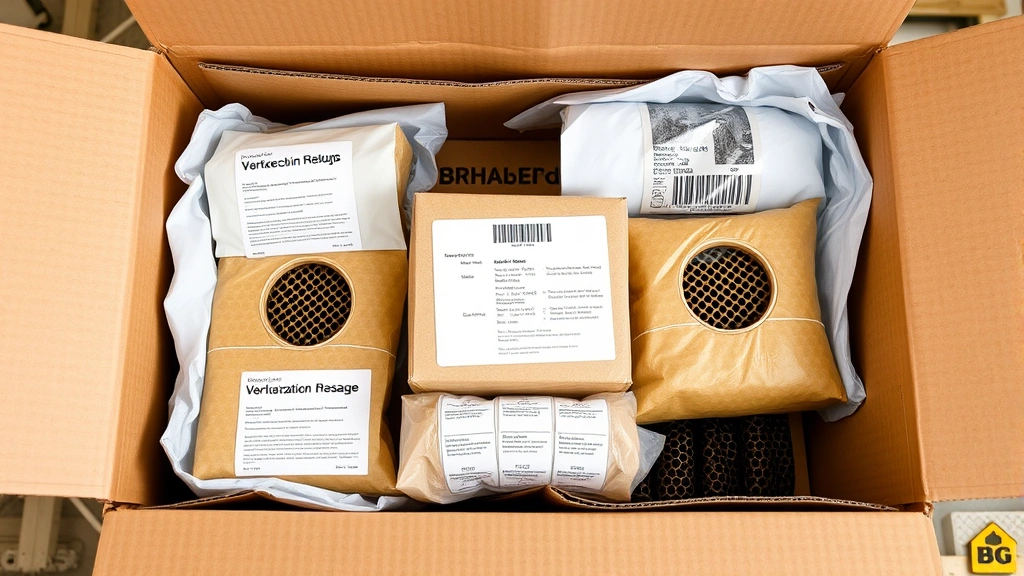
Most domestic sellers offer standard shipping with delivery within 3-5 business days, though some provide expedited options for premium pricing. Shipping containers must maintain appropriate temperature and humidity levels while preventing excessive movement. Quality sellers invest in specialized packaging materials and include attendant bees to support the queen during transit.
Arrival guarantees vary significantly among sellers. Some offer full refunds for DOA (dead on arrival) queens if the buyer provides photographic documentation within a specified timeframe. Others provide replacement queens at no charge. Understanding the specific guarantee before purchasing protects your investment and clarifies expectations regarding acceptable loss rates.
Climate considerations significantly impact shipping success. Summer shipping poses challenges due to heat stress, while winter shipping requires insulated packaging to prevent chilling. Many sellers restrict shipping during extreme temperature seasons, offering pre-orders for delivery during optimal periods. Planning purchases around these seasonal considerations often improves outcomes and reduces costs.
International shipping involves additional complexities, including customs clearance, health certificates, and quarantine requirements. Sellers experienced in international shipments understand these processes and can guide you through necessary documentation. However, international shipping significantly increases costs and risk, making it viable only for specialty genetics unavailable domestically.
Pricing and Value Assessment
Queen bee pricing reflects multiple factors including genetic quality, health certifications, age, and market demand. Understanding pricing structures helps you identify genuine value rather than simply pursuing the lowest cost.
Unmarked queens, typically the least expensive option, range from $15-$35 per queen. These are pure genetic lines but lack the physical marking on their thorax that aids hive identification. Marked queens command premiums of $5-$15 per queen, as the marking process requires additional labor and expertise. Clipped queens, with one wing trimmed to prevent swarming, typically cost $3-$5 more than unmarked equivalents.
Premium genetics from established breeding programs often cost $40-$75 per queen, reflecting years of selective breeding for specific traits. Specialty lines, such as those bred for exceptional honey production or disease resistance, may exceed $100 per queen. These premium prices reflect genuine value for beekeepers seeking superior performance and are often justified by increased productivity and colony longevity.
Bulk purchasing typically offers significant discounts, with prices decreasing incrementally as order quantities increase. Commercial beekeepers often achieve per-queen costs 25-40% lower than retail pricing through volume purchases. However, bulk orders require careful planning regarding timing and storage, as queens cannot be held indefinitely without significant mortality risk.
Comparing total cost requires accounting for shipping, handling, and arrival guarantees rather than focusing solely on per-queen price. A slightly more expensive queen from a seller offering superior packaging and arrival guarantees often represents better overall value than a cheap option with high mortality risk during shipping.
Building Long-term Supplier Relationships
Many successful beekeepers develop long-term relationships with trusted suppliers, similar to how online retailers cultivate customer loyalty through consistent service and value. These relationships often yield benefits beyond simple transactional advantages.
Establishing rapport with a seller can lead to preferential access to limited genetic lines, advance notification of new breeding programs, and personalized recommendations for queen selection. Some sellers reserve premium queens for established customers or offer loyalty pricing for repeat purchases. These benefits accumulate significantly for commercial operations making regular purchases.
Regular communication with your supplier provides valuable feedback loops. Sellers appreciate learning how their queens perform in different geographic regions and management systems. Providing this feedback, while also requesting guidance on genetic selection, strengthens the relationship and often leads to better recommendations for future purchases.
Consider visiting supplier operations when possible. Many queen breeders welcome customer visits and appreciate the opportunity to demonstrate their breeding program, facilities, and quality control processes. These visits build confidence in your supplier and often reveal details about their operation that justify their pricing and quality standards.
Understanding your supplier’s seasonal production cycles helps optimize your purchasing timing. Most producers experience peak output during spring and early summer, offering maximum selection and competitive pricing during these periods. Planning purchases around production cycles often results in better availability and pricing compared to emergency purchases during off-seasons.
When exploring how to optimize your supplier relationships and communication strategies, consider implementing approaches similar to how businesses use best tools for social media management for customer engagement. Many modern queen bee suppliers maintain social media presences where they share breeding updates, availability notices, and educational content. Following these channels keeps you informed and demonstrates engagement with the supplier’s business.
FAQ
What should I look for in a quality queen bee?
Quality indicators include genetic documentation, health certifications, proven performance history, and seller reputation. The queen should demonstrate vigor, proper coloration for her genetic line, and come from a breeder specializing in your desired traits. Always request health screening documentation confirming the absence of common bee diseases.
How long do queen bees typically live?
A well-maintained queen generally lives 2-4 years in a managed hive, though some exceptional queens may reach 5 years. However, most commercial beekeepers replace queens annually or every two years to maintain colony productivity and disease resistance. Queen lifespan varies based on genetics, nutrition, and environmental stress factors.
Can I order queen bees year-round?
Most sellers restrict ordering during winter months and extreme heat periods due to shipping challenges. Peak availability typically occurs from March through August, with many producers accepting orders for spring and summer delivery. Some specialty breeders offer limited winter availability at premium pricing. Check individual seller schedules for specific restrictions.
What’s the difference between Italian and Carniolan queens?
Italian queens produce colonies known for gentleness, strong spring buildup, and excellent honey production. Carniolan queens produce bees adapted to cooler climates with lower swarming tendency and superior overwintering ability. The choice depends on your climate, management style, and production goals. Italian bees suit warmer regions and beekeepers preferring minimal swarming management.
How should I receive and introduce a new queen?
Most sellers include detailed introduction instructions with each queen. Standard procedures involve a 3-7 day confinement period in a cage or small enclosure, allowing the colony to accept the new queen’s pheromone signature. Gradual introduction reduces rejection risk and helps establish the new queen’s authority within the colony. Always follow the specific breeder’s instructions, as introduction methods vary based on colony conditions.
What guarantees do queen bee sellers typically offer?
Common guarantees include arrival viability guarantees (replacement for DOA queens), genetic purity certifications, and health screening confirmations. Most sellers guarantee at least 90% arrival viability with photographic proof of dead-on-arrival queens. Review specific guarantees before purchasing, as they vary significantly among sellers and impact overall value.
Should I buy from local suppliers or established national producers?
Both options offer distinct advantages. Local suppliers provide personalized service, climate-adapted genetics, and reduced shipping stress. National producers offer greater selection, established reputations, and consistent quality standards. Many successful beekeepers maintain relationships with both, purchasing locally for routine needs and ordering specialty genetics from national specialists. The optimal choice depends on your specific requirements and geographic location.
How do I verify a seller’s health certifications?
Contact your state apiary board or department of agriculture to verify seller licensing and certifications. Most reputable sellers maintain current registrations and readily provide certification numbers for verification. The Bee Informed Partnership maintains resources for evaluating seller credentials and industry standards. Request documentation directly from sellers and verify independently through official channels.