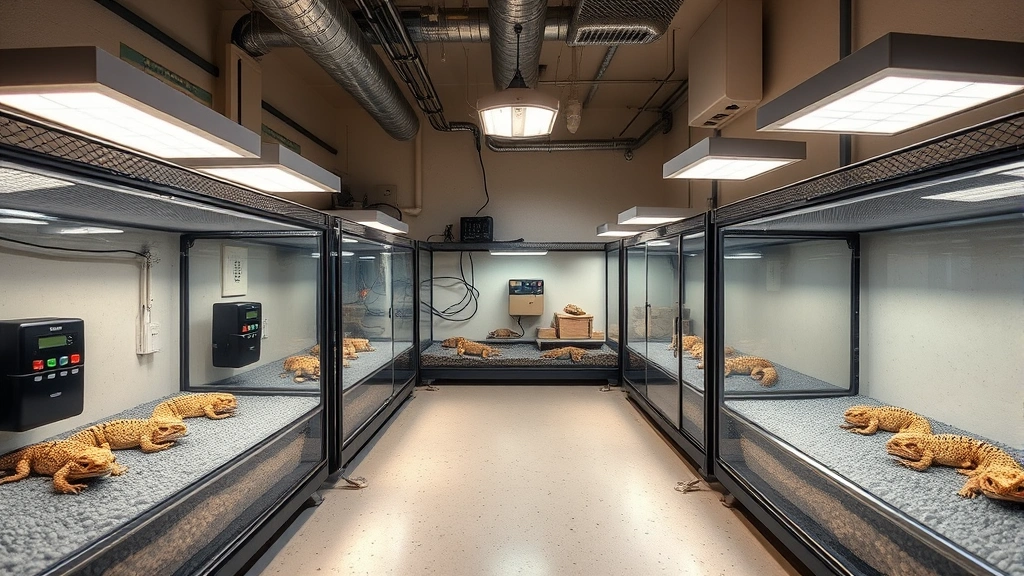
Where to Buy Pogona: Trusted Seller Guide for Bearded Dragon Enthusiasts
Finding a healthy, well-bred bearded dragon requires careful research and knowledge of reputable sources. Whether you’re a first-time reptile owner or an experienced herpetologist, understanding where to purchase a pogona—commonly known as a bearded dragon—is essential for ensuring you bring home a thriving pet. The market for these popular reptiles has expanded significantly, creating both opportunities and risks for potential buyers.
Bearded dragons have become one of the most sought-after pet reptiles in North America, with demand driving a diverse marketplace of breeders, pet stores, and online platforms. However, not all sources maintain the same standards of animal welfare, genetic quality, or customer support. This comprehensive guide explores trusted channels for acquiring a pogona, evaluates the pros and cons of each option, and provides actionable advice for making an informed purchase decision that prioritizes the health and longevity of your new reptile companion.
Reputable Breeders: The Gold Standard
Purchasing directly from established bearded dragon breeders represents the most reliable pathway to acquiring a healthy pogona. Professional breeders invest years in understanding genetics, temperament, and breeding practices that produce superior specimens. When you buy from a reputable breeder, you gain access to detailed lineage information, health guarantees, and ongoing support throughout your pet’s life.
The best breeders maintain transparent operations, allowing potential buyers to visit facilities or view video documentation of breeding stock and hatchlings. They prioritize genetic diversity, health screening, and selective breeding for desirable traits like docility and vibrant coloration. Look for breeders who are members of recognized herpetological organizations and maintain active social media presence with regular updates about their animals.
Reputable breeders typically offer written contracts that specify health guarantees, return policies, and care instructions. They conduct thorough interviews with potential buyers to ensure their pogona will receive appropriate care. Many establish long-term relationships with customers, providing guidance on nutrition, habitat setup, and behavioral management. While breeder-sourced bearded dragons often cost more than other options—typically ranging from $150 to $500—the investment yields substantial returns in animal quality and longevity.
To locate quality breeders, search for members of the International Herpetological Society or regional reptile associations. Attend reptile expos where established breeders showcase their animals and network with other enthusiasts. Ask for references and request documentation of health testing and genetic backgrounds. Legitimate breeders welcome scrutiny and provide comprehensive information about their breeding practices and the specific pogona you’re considering.
Specialized Reptile Retailers
Dedicated reptile specialty stores represent a middle ground between mass-market pet retailers and private breeders. These establishments employ knowledgeable staff with expertise in reptile care, housing requirements, and species-specific needs. They typically source animals from multiple quality breeders, allowing customers to choose from diverse morphs and age ranges within a single location.
Specialty reptile retailers often provide superior customer service compared to general pet stores. Staff members can answer detailed questions about bearded dragon behavior, dietary requirements, and environmental setup. Many offer package deals that include necessary equipment—terrarium, heating elements, substrate, and feeding supplies—bundled with the purchase of a pogona. This convenience factor appeals to new owners who need guidance assembling a complete habitat.
When evaluating a specialty retailer, observe the condition of animals on display. Healthy bearded dragons exhibit alert behavior, clear eyes, and proper body weight. The facility should maintain appropriate temperature gradients, proper lighting, and clean enclosures. Ask about the retailer’s supplier relationships and whether they maintain any health guarantees. Reputable specialty stores often employ certified herpetologists or individuals with extensive field experience.
The advantage of specialty retailers lies in their local accessibility and immediate availability. Unlike breeders who may have waitlists or limited seasonal availability, specialty stores maintain inventory year-round. However, margins on animal sales are typically lower than on equipment and supplies, so some retailers may prioritize volume over individual animal welfare. Visit the store multiple times, observe staff interactions with animals, and speak with other customers about their experiences before making a purchase.
Online Marketplaces and Platforms
E-commerce has revolutionized the pogona market, connecting buyers with sellers across continental distances. Platforms like MorphMarket, specialized reptile sales websites, and social media groups facilitate transactions between private breeders and customers. Online shopping offers access to rare morphs, specific age ranges, and animals with documented genetic lineages that may be unavailable locally.
The primary concern with online purchases involves shipping logistics and inability to inspect the animal before purchase. Reputable online sellers provide extensive photo documentation, video clips of the pogona in motion, and detailed descriptions of temperament and health status. Many offer live arrival guarantees and health assurances backed by return policies. Shipping costs for reptiles are substantial—typically $50 to $150—and must be factored into the total purchase price.
Before buying from an online source, verify the seller’s reputation through customer reviews and testimonials. Check how long they’ve been operating, examine their return policies, and confirm they use specialized reptile shipping services that maintain proper temperature control during transit. Request references from previous buyers and ask about their experience with the seller’s communication and animal quality.
Online marketplaces have introduced standardized rating systems and dispute resolution mechanisms that provide buyer protection. However, the lack of in-person inspection remains a significant risk factor. Only purchase from sellers who provide multiple high-quality photos from various angles, document the animal’s weight and measurements, and clearly disclose any health issues or behavioral quirks. Insist on detailed shipping information and real-time tracking to monitor your pogona’s transit.
Pet Store Considerations
Large chain pet retailers and general pet stores present a complex landscape for pogona acquisition. While convenient and widely accessible, many mass-market pet stores prioritize profit margins over animal welfare. Animals sourced from high-volume distributors may originate from less rigorous breeding operations, resulting in genetic predisposition to health problems or behavioral issues.
The conditions in chain pet stores often prove suboptimal for reptile wellbeing. Inadequate heating, improper lighting, inappropriate cage sizes, and minimal staff training frequently compromise animal health. Bearded dragons held in poor conditions may harbor parasites, respiratory infections, or nutritional deficiencies that only manifest weeks after purchase. Additionally, chain stores rarely provide health guarantees or accept returns once animals leave the facility.
However, some regional pet store chains maintain higher standards by partnering with quality breeders and employing knowledgeable reptile specialists. If considering a chain pet store, thoroughly evaluate the facility’s conditions, staff expertise, and animal health. Ask about the source of their animals and whether they offer any health documentation or guarantees. Request to see the specific pogona you’re considering and observe its behavior, body condition, and overall appearance.
If you must purchase from a chain retailer, have the animal examined by a reptile veterinarian within 48 hours of purchase. Many reputable stores offer limited guarantees if a veterinarian documents pre-existing health conditions. Understand that you may inherit significant veterinary bills if the pogona has underlying issues. In most cases, investing more upfront with a quality breeder or specialty retailer saves money and stress in the long term.
Rescue and Adoption Options
Reptile rescue organizations and adoption networks offer an ethical alternative for acquiring a pogona while supporting animal welfare efforts. Rescued bearded dragons may have been surrendered due to owner circumstances, improper care, or behavioral challenges that are correctable with appropriate rehabilitation. Many rescue animals are healthy adults with established personalities, allowing adopters to select animals matching their lifestyle and experience level.
Reputable reptile rescues conduct thorough health assessments, provide veterinary care, and work with animals to address behavioral issues before placement. Adoption fees—typically $50 to $200—are substantially lower than purchase prices and directly support the rescue’s operations. Adopters often receive detailed information about the animal’s history, temperament, and special needs, facilitating successful transitions to new homes.
To locate rescue organizations, search online directories, contact local herpetological societies, and inquire at specialty reptile retailers about rescue partnerships. Many rescues maintain waiting lists and can help match you with an appropriate pogona based on your experience level and living situation. The adoption process typically involves an application, interview, and sometimes a home visit to ensure appropriate housing setup.
Rescue adoption represents a meaningful way to provide a second home for animals in need while freeing rescue resources for additional animals. However, rescued pogonas may have behavioral quirks or health challenges requiring patience and expertise. First-time owners might benefit from adopting an adult rescue with established temperament rather than a hatchling requiring intensive care and socialization.
Health Screening and Guarantees
Regardless of where you purchase a pogona, comprehensive health screening before and after acquisition is essential. Reputable sellers provide documentation of recent health assessments, feeding records, and fecal testing for parasites. Request copies of any veterinary examinations and ask specific questions about the animal’s feeding history, appetite, and recent behavior.
Quality sellers offer written health guarantees—typically 14 to 30 days—that cover genetic defects and pre-existing conditions discovered shortly after purchase. These guarantees usually require veterinary documentation and may allow return or replacement of the animal. Some sellers extend guarantees to 90 days or longer, reflecting confidence in their breeding and care practices.
Schedule a veterinary examination with a reptile-certified veterinarian within the first week of ownership. This establishes baseline health status, identifies any issues requiring immediate attention, and creates a medical record for future reference. Veterinary costs for initial examination typically range from $75 to $200, representing a valuable investment in preventative care.
During veterinary examination, request fecal analysis to screen for parasites, assessment of body weight and condition, and evaluation of respiratory and digestive function. Ask the veterinarian about the animal’s long-term health outlook and any breed-specific concerns. This professional assessment provides documentation supporting any warranty claims if health issues arise.
Pricing and Value Assessment
Bearded dragon pricing varies dramatically based on source, morph, age, and pedigree. Understanding pricing dynamics helps you evaluate value and avoid overpaying for animals while recognizing when seemingly low prices signal quality concerns. A comprehensive market analysis reveals significant price variations across distribution channels.
Hatchlings from quality breeders typically cost $150 to $300, while rare morphs or championship bloodlines command $400 to $1,000. Juvenile and adult pogonas from specialty retailers generally range from $75 to $250. Rescue animals usually cost $50 to $150. Chain pet stores often price animals at $40 to $150, reflecting lower sourcing standards and lack of health guarantees.
When evaluating price, factor in the total cost of ownership including shipping, initial equipment, veterinary examination, and long-term care. A $50 discount on a low-quality pogona may cost hundreds in veterinary bills and replacement expenses. Conversely, premium pricing from renowned breeders reflects superior genetics, health screening, and support services.
Compare total value rather than focusing solely on animal price. Some sellers bundle equipment, provide feeding supplies, or include extended care consultations that enhance overall value. Others offer payment plans, making premium-quality animals more accessible. Calculate the true cost of ownership across the pogona’s 10-15 year lifespan to contextualize initial purchase decisions.
Research current market pricing through multiple channels before making a purchase decision. Visit local reptile expos to compare prices and quality across numerous sellers. Monitor online classifieds and specialty platforms to understand typical pricing for your desired morph and age range. This market intelligence positions you to recognize fair pricing and avoid exploitative sellers.
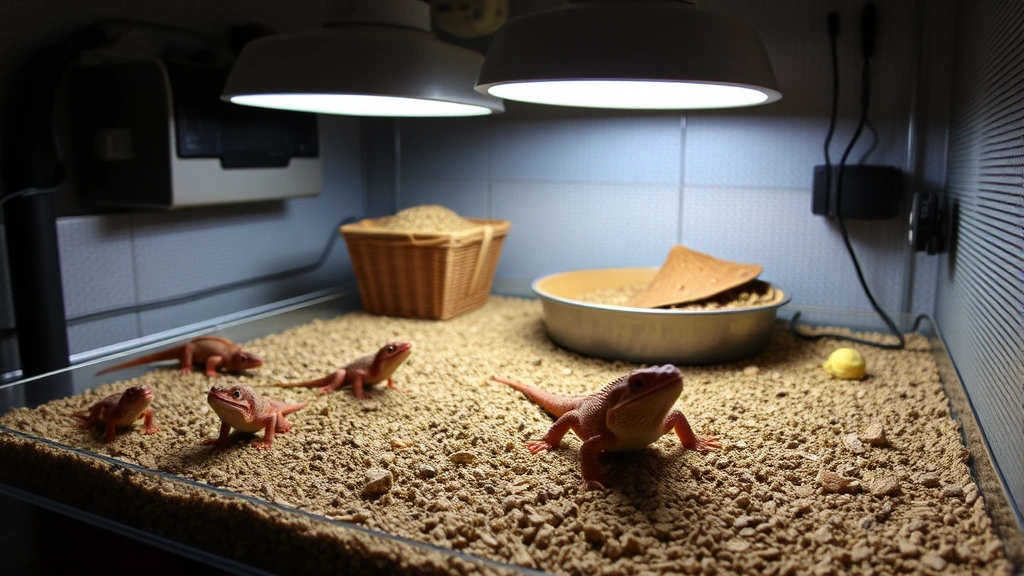
” alt=”Professional reptile breeder facility with proper heating and lighting setups for bearded dragon hatchlings” style=”width: 100%; height: auto; border-radius: 8px;”>
Red Flags and Seller Evaluation
Identifying problematic sellers protects you from acquiring unhealthy animals and supporting unethical practices. Several warning signs indicate a seller may not meet acceptable standards. Unwillingness to provide photos, health documentation, or references suggests the seller has something to hide. Pressure to purchase immediately without allowing adequate consideration indicates the seller prioritizes sales over customer satisfaction.
Avoid sellers who cannot articulate their breeding philosophy, genetic selection criteria, or health screening practices. Legitimate breeders discuss their work with passion and detail. Sellers offering unusually low prices without reasonable explanation likely source animals from high-volume operations prioritizing profit over welfare. Be cautious of sellers with no online presence or verifiable history—newer sellers may be legitimate, but lack of track record limits your ability to assess reliability.
Sellers who refuse returns or offer no health guarantees operate without accountability. Professional sellers stand behind their animals and provide recourse if problems arise. Avoid purchasing from individuals breeding multiple species without apparent specialization in bearded dragons—generalist breeders typically lack the focused expertise that produces superior animals.
Request references and actually contact previous buyers. Ask about their experience with the seller, animal quality, health status, and whether they would recommend the seller to others. Legitimate sellers have no problem providing references and often encourage contact with satisfied customers. Lack of available references or reluctance to share contact information warrants serious concern.
Preparation Before Purchase
Before acquiring a pogona, ensure you’ve completed thorough preparation that sets the stage for successful ownership. Research bearded dragon care requirements, including habitat setup, temperature gradients, lighting specifications, dietary needs, and behavioral characteristics. Understanding these requirements before purchase ensures you can provide appropriate care from day one.
Establish relationships with reptile-knowledgeable veterinarians in your area. Locate at least two practitioners with experience treating bearded dragons and confirm their availability for emergency care. Having a veterinarian identified before acquiring your pogona enables rapid response if health issues arise. Request recommendations from local herpetological societies or specialty reptile retailers.
Assemble all necessary equipment before bringing your pogona home. A proper enclosure requires appropriate dimensions (minimum 40-gallon breeder tank for adults), proper heating elements maintaining temperature gradients of 95-105°F on the warm side and 75-80°F on the cool side, UVA and UVB lighting, appropriate substrate, hiding places, and décor supporting natural behavior. Rushing equipment assembly after purchase creates stress for both animal and owner.
Develop a feeding plan incorporating appropriate insects, vegetables, and supplements. Purchase or cultivate feeder insects—crickets, dubias, and mealworms—ensuring availability before your pogona arrives. Understand nutritional requirements for different life stages, as hatchlings require more frequent feeding with higher insect-to-vegetable ratios than adults. Proper nutrition from the beginning prevents metabolic bone disease and other deficiency-related conditions.
Supporting Ethical Sellers and Industry Standards
Your purchasing decisions influence market dynamics and seller behavior. Supporting ethical breeders and quality retailers reinforces industry standards and encourages continued improvement in animal welfare practices. Consider the broader implications of your purchase beyond the individual animal you acquire.
Ethical sellers invest in proper facilities, health screening, genetic selection, and customer support—all elements that increase costs. When you pay premium prices for quality animals, you validate and reward these practices. Conversely, purchasing from low-cost sources that prioritize volume over welfare perpetuates poor industry practices and animal suffering.
Share your positive experiences with quality sellers through online reviews, social media recommendations, and word-of-mouth referrals. These endorsements help reputable sellers attract customers and expand their operations. Conversely, document problematic experiences with unethical sellers, warning others and creating market consequences for poor practices.
Engage with industry organizations promoting herpetological education and responsible breeding. These groups establish standards, provide resources, and advocate for animal welfare. Supporting their work through membership, donations, or volunteer efforts strengthens the infrastructure supporting ethical pogona acquisition and care.

” alt=”Happy bearded dragon in naturalistic terrarium setup with proper basking area and vegetation” style=”width: 100%; height: auto; border-radius: 8px;”>
FAQ
What is the average cost of a healthy bearded dragon from a reputable breeder?
Quality breeders typically price bearded dragons between $150 and $500, depending on morph rarity, pedigree, and specific traits. Rare morphs or championship bloodlines may exceed $1,000. Prices reflect investment in genetic selection, health screening, and customer support services.
How can I verify a breeder’s reputation before purchasing?
Request references from previous customers and contact them directly. Search for online reviews and social media presence. Verify membership in recognized herpetological organizations. Ask about health guarantees, return policies, and willingness to provide facility photos or video documentation. Legitimate breeders welcome scrutiny and provide comprehensive information.
Is it safe to purchase a bearded dragon online?
Online purchase is safe when conducted with reputable sellers offering extensive documentation, live arrival guarantees, and professional shipping services. Verify seller credentials, request multiple photos and videos, and confirm return policies. Have the animal examined by a veterinarian within 48 hours of arrival to document health status.
What health screening should I request before purchasing?
Request documentation of recent veterinary examination, fecal analysis for parasites, feeding records, and any genetic or health testing the seller has conducted. Ask about the animal’s appetite, recent behavior, and any pre-existing conditions. Schedule your own veterinary examination within the first week of ownership.
Are rescue bearded dragons good for first-time owners?
Rescue adoption can work well for first-time owners, particularly when adopting adult animals with established temperaments. However, some rescued dragons may have behavioral quirks or health challenges requiring patience and expertise. Discuss your experience level with the rescue organization to ensure appropriate matching.
What questions should I ask sellers before purchasing?
Inquire about the animal’s age, feeding history, appetite, temperament, and any health issues. Ask about genetic background, breeding practices, and why this particular animal is available. Confirm health guarantees, return policies, and availability for future questions. Request references and detailed documentation of care history.
How do I know if a seller’s prices are fair?
Research current market pricing through multiple channels including reptile expos, online platforms, and specialty retailers. Compare prices for similar morphs, ages, and pedigrees. Factor in health guarantees, customer support, and included services when evaluating value. Unusually low prices typically indicate quality concerns.
What should I do if my new bearded dragon shows signs of illness?
Contact a reptile veterinarian immediately for professional evaluation. Document any symptoms and the timeline of when they appeared. If the animal was recently purchased with a health guarantee, contact the seller with veterinary documentation. Many sellers offer return or replacement options if illness develops within the guarantee period.


