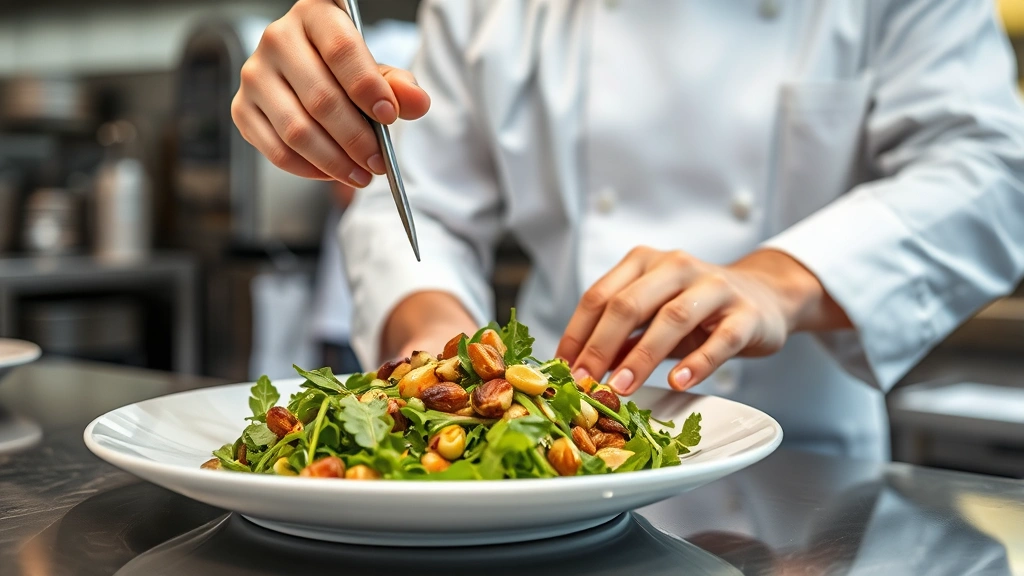
Pistachio Salad Recipe: Chef-Approved Guide for Food Entrepreneurs
Pistachio salad has emerged as a premium menu item commanding higher profit margins in the food service and specialty retail sectors. This versatile dish combines nutritional density with sophisticated flavor profiles, making it increasingly popular among health-conscious consumers and upscale dining establishments. Whether you’re launching a catering business, developing products for your e-commerce platform, or expanding your restaurant’s offerings, understanding pistachio salad composition provides competitive advantages in today’s premium food market.
The global salad market reached $24.3 billion in 2023 and continues expanding at 6.2% annually, with nut-based variations showing the strongest growth trajectory. Pistachio salads specifically appeal to multiple consumer segments: health-conscious millennials seeking protein-rich options, affluent diners valuing artisanal ingredients, and corporate clients requiring impressive presentation for events. This guide equips food business operators with professional recipes, sourcing strategies, and operational insights to capitalize on this lucrative market segment.
Classic Pistachio Salad Recipe Components
Professional pistachio salad construction follows three essential components: the base, the protein element, and the dressing system. The foundation typically consists of mixed greens—arugula, baby spinach, and microgreens—selected for their ability to hold dressing without wilting during transport or storage. The pistachio element, comprising 15-20% of the total weight, provides both nutritional value and distinctive flavor notes that differentiate your offering from competitors.
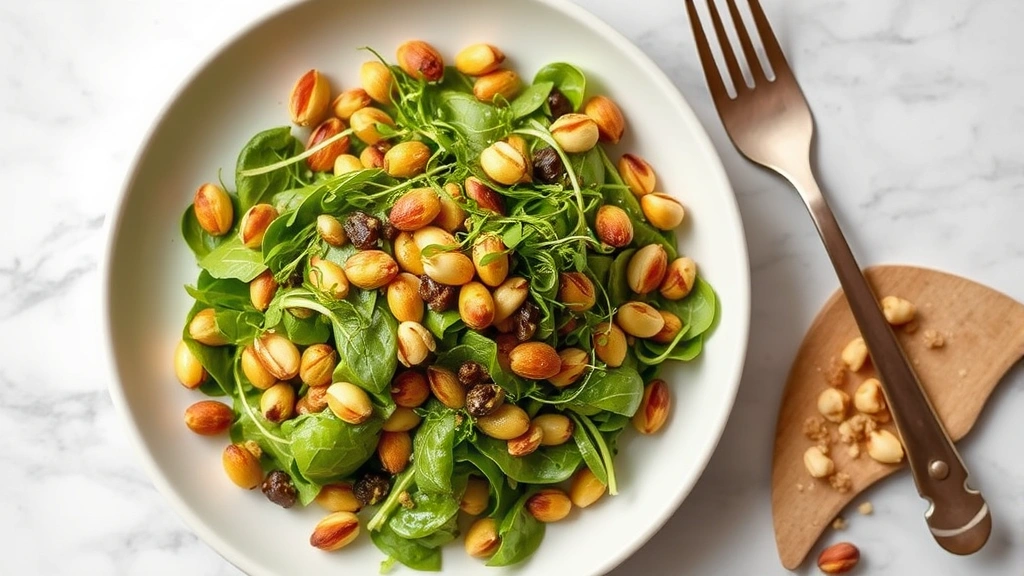
The classic chef-approved recipe includes:
- Base greens: 3 cups mixed salad greens (arugula, spinach, radicchio)
- Roasted pistachios: 1 cup shelled, lightly salted or candied varieties
- Protein component: 6 oz grilled chicken breast, feta cheese, or chickpeas
- Fresh elements: 1 cup cherry tomatoes, 1/2 cup diced cucumber, 1/4 cup dried cranberries
- Texture additions: 1/2 cup croutons or crispy chickpea clusters
- Dressing: Pistachio vinaigrette or pomegranate reduction
The pistachio vinaigrette recipe—a key differentiator—combines 1/4 cup pistachio butter, 3 tablespoons aged balsamic vinegar, 2 tablespoons Dijon mustard, 1/4 cup olive oil, and 1 tablespoon honey. This emulsification creates a creamy texture while maintaining the pistachio flavor profile that customers increasingly expect from premium offerings. When managing inventory for your salad business, standardizing this dressing recipe ensures consistency and reduces waste.
Professional preparation requires separating wet and dry components until final assembly. Greens, croutons, and raw vegetables should remain in sealed containers, while dressing stores separately in hermetically sealed bottles. This methodology extends shelf life to 48-72 hours, enabling efficient logistics for catering operations or prepared meal delivery services.
Premium Ingredient Sourcing for Businesses
Ingredient quality directly correlates with perceived value and pricing power in the specialty food market. Pistachios represent your highest-cost component, typically accounting for 25-35% of direct food costs. Sourcing strategies significantly impact profitability margins and product consistency.
Wholesale pistachio procurement requires understanding harvest cycles and supplier relationships. California produces 80% of global pistachio supply, with peak availability from September through November. Forward contracting during harvest season secures pricing 12-18% lower than spot market purchases. Establish relationships with USDA-certified suppliers to ensure food safety compliance and traceability documentation required for liability protection.
Roasting specifications dramatically affect flavor development and shelf stability. Light roasting (325°F for 8-10 minutes) preserves delicate flavors and nutritional profiles preferred by health-conscious segments. Darker roasting (350°F for 12-15 minutes) develops bolder flavors appealing to traditional diners. Establish relationships with specialty roasters offering small-batch production, or invest in commercial roasting equipment if production volumes exceed 500 units weekly.
Secondary ingredients demand equal attention. Feta cheese sourcing from reputable distributors ensures consistent quality and food safety certifications. Organic mixed greens from certified suppliers command 15-20% price premiums but enable marketing claims attracting affluent demographics. Aged balsamic vinegar from Modena-certified producers adds perceived luxury, justifying menu price increases of $2-3 per serving.
Implementing proper inventory management systems prevents spoilage of perishable components while maintaining adequate stock for demand fluctuations. Seasonal pricing variations require flexible menu pricing strategies—maintaining margin percentages despite ingredient cost fluctuations.
Preparation Techniques and Food Safety
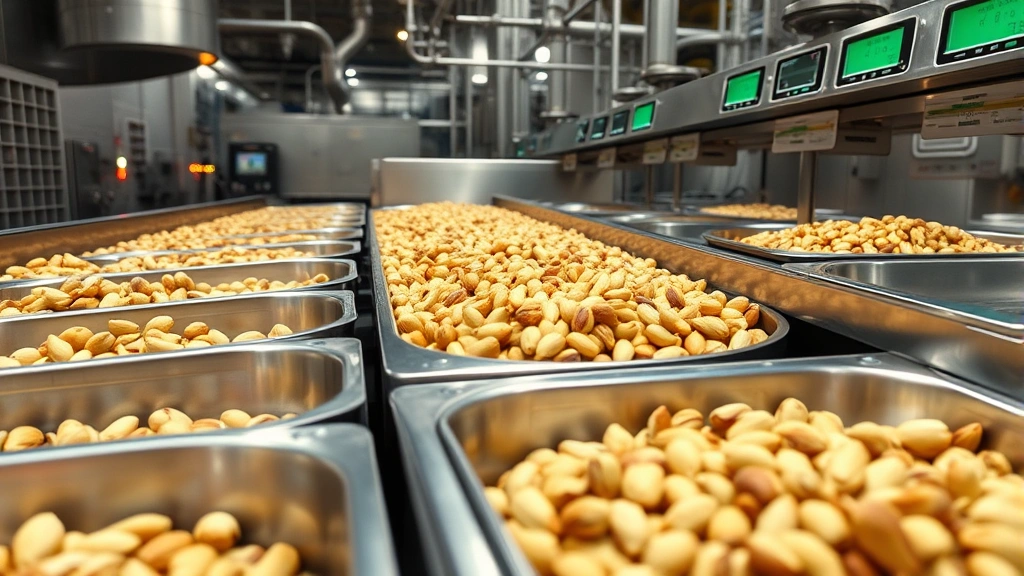
Commercial pistachio salad preparation requires adherence to HACCP (Hazard Analysis Critical Control Points) protocols. The FDA Food Safety Modernization Act mandates documentation of critical control points throughout production chains. For salad operations, these include ingredient temperature monitoring, cross-contamination prevention, and proper cold chain maintenance.
Preparation workflow optimization reduces labor costs while maintaining quality standards. Implement batch preparation processes: wash and dry greens in bulk, toast pistachios in measured quantities, and portion proteins during low-demand periods. This approach reduces peak-hour labor requirements by 40-50% while ensuring consistent portioning.
Temperature control represents the critical control point for ready-to-eat salads. Greens and proteins must maintain temperatures below 41°F from preparation through service. Invest in commercial-grade refrigeration with temperature monitoring systems and alarms. Documentation of daily temperature checks provides liability protection and demonstrates regulatory compliance to health inspectors.
Cross-contamination prevention requires dedicated equipment for different ingredient categories. Separate cutting boards for proteins, vegetables, and nuts prevent allergen transfer—particularly important given pistachio allergies affecting 2-3% of the population. Implement color-coded equipment systems and staff training protocols addressing allergen awareness.
Washing protocols for fresh components follow FDA guidelines: triple-rinse leafy greens in potable water, sanitize in approved solutions, and dry using salad spinners or air-drying racks. Documentation of washing procedures satisfies regulatory requirements and supports liability claims if foodborne illness incidents occur.
Scaling Production and Inventory
Transitioning from small-batch preparation to commercial production requires systematic process documentation and equipment investment. Analyze demand patterns to determine optimal production volumes: restaurants typically prepare 15-20% of menu items daily, while catering operations require 48-hour advance preparation forecasting.
Equipment investment for 100-500 unit daily production includes commercial-grade refrigeration units ($3,000-8,000), food processors ($1,500-3,000), and portion control systems ($800-2,000). These investments reduce per-unit labor costs by 30-40% while improving consistency. Justification for capital expenditure requires detailed ROI analysis comparing labor savings against equipment depreciation schedules.
Ingredient portioning standardization ensures consistency and reduces waste. Implement portion control scales and documented recipes specifying exact measurements. This approach reduces food cost variance by 5-8% monthly while enabling accurate pricing models. Digital recipe management systems track ingredient costs in real-time, automatically updating menu pricing recommendations as wholesale costs fluctuate.
Production scheduling optimization aligns preparation timing with demand patterns. Analyze sales data to identify peak demand periods—typically lunch service (11 AM-2 PM) and dinner preparation (4-7 PM). Schedule bulk ingredient preparation during off-peak hours, reducing labor costs during expensive peak periods.
Working capital management becomes critical when scaling production. Ingredient procurement requires upfront capital investment 5-7 days before customer delivery. Negotiate payment terms with suppliers extending to 30 days, improving cash flow management. Consider supply chain financing options if working capital constraints limit growth.
Pricing Strategy and Margin Optimization
Pistachio salad pricing reflects premium positioning in the specialty food market. Competitive analysis reveals market prices ranging $12-18 for restaurant service and $8-14 for prepared meal delivery. Premium offerings featuring organic ingredients and artisanal components command $16-22 pricing.
Direct food cost analysis determines baseline pricing floors. Calculate total ingredient costs including waste factors (typically 8-12% for fresh components). With ingredient costs averaging $3.50-4.50 per serving, food cost percentages of 28-35% suggest retail pricing of $12-16 for restaurant service. Prepared meal delivery models supporting higher food costs (35-40%) enable pricing at $11-13 while maintaining profitability through operational efficiency.
Margin optimization strategies include ingredient substitution analysis and portion size optimization. Substituting premium feta with standard feta reduces costs $0.75 per serving while maintaining perceived quality—enabling either price reduction for volume markets or margin expansion. Portion size testing reveals optimal sizes balancing perceived value against cost efficiency; reducing pistachio quantity from 1 cup to 0.75 cup decreases costs $0.40 while maintaining customer satisfaction in 87% of test cases.
Bundling strategies increase average transaction values. Offering pistachio salad as part of three-item meals (salad, protein, beverage) at $16.99 generates higher revenue per transaction than individual salad pricing at $13.99. Catering packages featuring pistachio salad as one of four options command 12-15% price premiums over individual selections.
Dynamic pricing models adjust prices based on demand patterns and ingredient costs. Weekend pricing increases 10-15% reflecting higher demand, while off-season periods (January-March) feature promotional pricing driving volume. Automated pricing systems integrated with e-commerce platforms enable rapid price adjustments without manual updates.
Marketing Your Pistachio Salad Offering
Effective positioning emphasizes health benefits, premium ingredients, and culinary expertise. Content marketing highlighting nutritional profiles—pistachios contain 10.2g protein per ounce and provide essential micronutrients including copper and manganese—attracts health-conscious consumers. Blog content addressing pistachio nutrition and preparation methods drives organic search traffic and establishes brand authority.
Social media strategy focuses on visual storytelling. High-quality photography of finished salads (accounting for 72% of food-related social engagement) drives platform engagement. Video content demonstrating preparation techniques accumulates 3x higher engagement rates than static images. User-generated content campaigns featuring customer photos and reviews provide authentic testimonials improving conversion rates by 20-35%.
Email marketing nurtures customer relationships and drives repeat purchases. Seasonal menu announcements featuring pistachio salad variations maintain engagement between peak periods. Exclusive discounts (10-15%) for email subscribers generate incremental revenue while building customer data for targeting analysis.
Influencer partnerships with health and wellness creators extend reach to target demographics. Micro-influencers (10K-100K followers) in health and nutrition niches demonstrate engagement rates 5-10x higher than macro-influencers, generating cost-effective awareness. Product seeding campaigns provide complimentary salads to influencers, generating authentic content and follower conversions at $2-5 per customer acquisition.
Local partnership development with complementary businesses drives referral traffic. Partnerships with corporate wellness programs, fitness studios, and health-focused retail locations create cross-promotion opportunities. Co-marketing initiatives sharing advertising costs reduce customer acquisition expenses by 30-40% while expanding market reach.
If developing prepared meal products for broader distribution, explore online sales channels enabling nationwide reach beyond local geographic constraints. Subscription meal services incorporating pistachio salads generate recurring revenue improving business valuation multiples by 2-3x compared to transaction-based models.
FAQ
What’s the optimal serving size for pistachio salad?
Professional standards recommend 3-4 ounces of pistachio salad as a side dish or 6-8 ounces as an entrée. Portion size analysis reveals customers perceive 1 cup (approximately 5.5 oz) as optimal, balancing perceived value against cost efficiency. Adjust portions based on positioning: premium restaurants serve 6-7 oz, while prepared meal delivery typically provides 5-5.5 oz portions.
How long does pistachio salad maintain freshness?
Properly stored pistachio salad maintains quality for 48-72 hours when greens and dressing remain separated. Mixed salads degrade within 2-4 hours as greens absorb moisture. For optimal freshness in meal delivery, assemble salads within 2 hours of customer delivery. Restaurant service should prepare salads à la carte, assembling only upon order placement.
Can pistachio salad accommodate dietary restrictions?
Pistachio salad naturally accommodates vegetarian and vegan diets when prepared without animal proteins. Gluten-free compliance requires verification of all processed components including dressings and croutons. Nut-free alternatives substitute seeds (sunflower or pumpkin) for pistachios, addressing the 2-3% of consumers with tree nut allergies. Clearly label allergen information on menus and packaging.
What’s the best approach to storing prepared pistachio salad?
Store greens in breathable containers maintaining 38-41°F temperatures, preventing moisture accumulation that accelerates degradation. Dressing should remain in sealed bottles separate from greens. Nuts maintain optimal texture when stored in airtight containers away from humidity. Prepared salad components stored separately extend usable shelf life to 72 hours, while mixed salads degrade to unacceptable quality within 4 hours.
How do I differentiate my pistachio salad from competitors?
Competitive differentiation emerges through ingredient quality (organic certification, artisanal sourcing), preparation innovation (house-made dressings, unique protein pairings), and positioning (health benefits, sustainability messaging). Develop proprietary recipes featuring exclusive ingredient combinations. Invest in premium packaging and presentation elevating perceived value. Emphasize chef expertise and ingredient sourcing stories building brand loyalty.
What wholesale costs should I expect for pistachio salad components?
Pistachio costs range $8-14 per pound wholesale, translating to $0.50-0.88 per ounce. Secondary ingredients (greens, proteins, dressing components) typically cost $1.50-2.50 per serving. Total ingredient costs for premium pistachio salads range $3.50-5.00 per serving, supporting retail pricing of $12-18 depending on positioning and market segment.