Nissan Maxima for Sale? Complete Buyer’s Checklist for Smart Purchasing
Purchasing a Nissan Maxima requires careful evaluation of multiple factors to ensure you’re making a sound investment. Whether you’re buying from a private seller or a dealership, understanding the vehicle’s condition, market value, and maintenance history is essential for negotiating the best deal. This comprehensive guide walks you through every critical checkpoint before committing to your purchase.
The Nissan Maxima has earned its reputation as a midsize luxury sedan offering performance, comfort, and reliability. However, like any used vehicle purchase, thorough due diligence protects your financial interests and ensures you drive home a vehicle that meets your expectations and safety standards.

Pre-Purchase Vehicle Inspection Essentials
Before scheduling a test drive, examine the vehicle’s exterior thoroughly. Look for signs of rust, particularly around wheel wells, door frames, and the undercarriage. Paint inconsistencies or overspray indicate previous collision repairs, which may signal hidden structural damage. Check all door seals, window operation, and weather stripping to identify potential water leak issues.
Inspect the tires for uneven wear patterns, which suggest alignment problems or suspension issues requiring expensive repairs. Measure tread depth using a penny test—insert a penny into the tread with Lincoln’s head upside down; if you see the top of his head, the tread is insufficient. Document the condition of all four tires, as replacement costs can reach $800-$1,200 for quality sets.
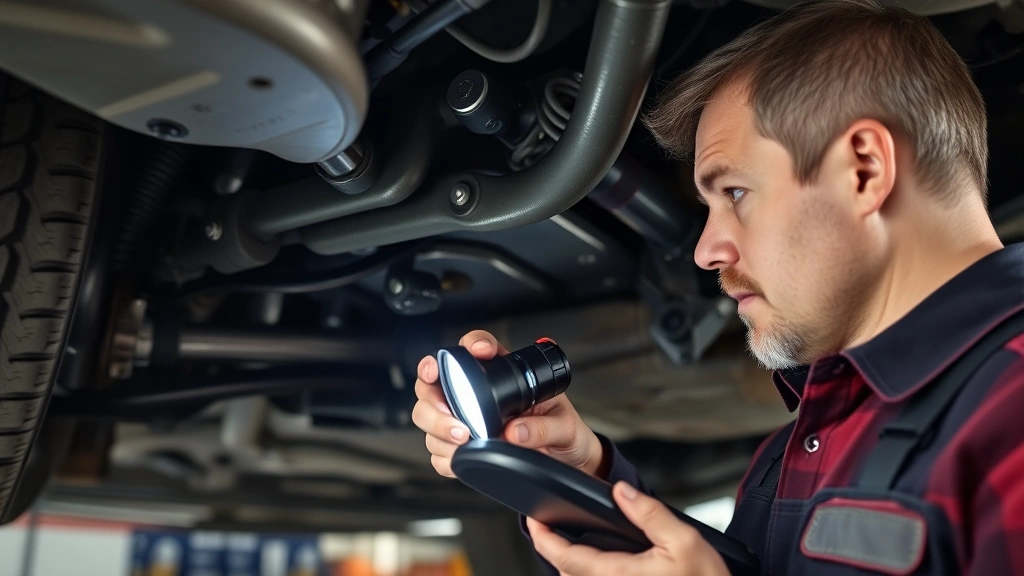
Examine the vehicle’s undercarriage for leaks, damaged components, or evidence of flooding. Request the seller raise the vehicle on a lift if possible, or use a flashlight to inspect underneath. Look for fluid drips, rust accumulation, or bent suspension components. The undercarriage reveals maintenance quality and potential structural concerns invisible during normal viewing.
Check the headlights, taillights, brake lights, and turn signals for proper function. Corroded or damaged light assemblies suggest neglected maintenance. Inspect the windshield for cracks or chips—even small damage can spread rapidly and require expensive replacement.

Mechanical and Engine Assessment
Start the engine and listen carefully for unusual noises. Knocking sounds indicate engine problems, while grinding noises suggest transmission issues. The engine should start smoothly without excessive cranking. Once running, observe the exhaust smoke color—white smoke suggests coolant leaks, blue smoke indicates oil burning, and black smoke points to fuel system problems.
Check all fluid levels including engine oil, transmission fluid, coolant, and brake fluid. Oil should be amber-colored; dark brown or black oil indicates infrequent changes and poor maintenance. Transmission fluid should be bright red without a burnt smell. Low or discolored fluids suggest deferred maintenance or more serious mechanical problems.
Request the vehicle’s complete service history. Regular oil changes every 3,000-5,000 miles demonstrate owner responsibility. Gaps in service records raise red flags about neglected maintenance. Verify major repairs including transmission servicing, coolant flushes, and brake inspections. A well-maintained Maxima will show consistent service intervals and preventative maintenance records.
Inspect the battery condition and age. Most batteries last 3-5 years; batteries older than this may need replacement soon. Check all hoses for cracks, leaks, or brittleness. Deteriorating hoses can rupture unexpectedly, causing overheating or fluid loss.
Have a trusted mechanic perform a pre-purchase inspection. This typically costs $100-$200 but provides invaluable insights into hidden problems. Professional mechanics use diagnostic equipment to identify issues you might miss, including transmission problems, electrical faults, and emission system failures. This investment protects against purchasing a vehicle with expensive hidden damage. Consider consulting the Car Care Council for maintenance resources.
Title and Documentation Verification
Obtain a vehicle history report using services like Carfax or AutoCheck. These reports reveal accident history, title problems, odometer readings, and service records. Look for title brands such as “salvage,” “rebuilt,” or “flood damage,” which significantly reduce vehicle value and may indicate structural or mechanical compromise.
Verify the vehicle identification number (VIN) matches across the title, registration, and vehicle itself. Check the VIN on the dashboard and driver’s side door jamb to ensure they match. Mismatched VINs suggest title fraud or stolen vehicle concerns. The VIN also provides specific information about the Maxima’s production year, engine type, and original features.
Confirm the seller’s ownership of the vehicle by matching their name on the title. If the title shows multiple previous owners in a short timeframe, this suggests potential problems that prompted quick resales. A title with few ownership changes indicates more stability and satisfaction with the vehicle.
Check for outstanding liens on the vehicle through your state’s DMV. A lien indicates the previous owner still owes money on the vehicle, which could complicate your purchase. The seller must pay off any liens before transferring clean title to you.
Request maintenance records and original purchase documentation. These documents verify the vehicle’s history and demonstrate the seller’s transparency. Missing records don’t necessarily indicate problems, but comprehensive documentation provides peace of mind.
Pricing Strategy and Market Research
Research comparable Nissan Maxima listings in your local market using resources like Kelley Blue Book, NADA Guides, and Edmunds. These platforms calculate fair market value based on model year, mileage, condition, and local demand. Enter specific details about the vehicle you’re considering to generate accurate pricing recommendations.
Factor in the vehicle’s condition relative to market comparables. A Maxima with lower mileage, excellent service history, and no accidents should command a premium price. Conversely, vehicles with mechanical issues, high mileage, or accident history should be discounted accordingly.
Consider the total cost of ownership beyond the purchase price. Factor in insurance costs, fuel consumption (Maximas typically achieve 21-28 MPG depending on year and driving conditions), maintenance expenses, and potential repairs. Older models may require more frequent servicing, affecting long-term affordability. Review Nissan’s official website for maintenance schedules and typical service costs.
Determine your maximum acceptable price and walk away if the seller demands more. Emotional attachment to a specific vehicle often leads to overpaying. Remember that other Maximas will become available, and patience often yields better deals.
Check seasonal pricing trends. Used vehicle prices typically fluctuate with seasons, with prices generally higher in spring and summer when demand peaks. Purchasing in fall or winter may yield better negotiating positions.
Test Drive Protocol
Schedule test drives during daylight hours when you can see exterior and interior condition clearly. Bring a trusted friend or family member to provide objective feedback. Never test drive alone, and always inform someone of your location and expected return time.
Drive on various road types including highways, city streets, and residential areas. Listen for unusual engine noises, transmission hesitation, or brake problems. Test acceleration, braking, and steering responsiveness. The vehicle should accelerate smoothly without jerking or hesitation. Brakes should engage firmly without pulsing or soft pedal feel.
Evaluate the transmission behavior. Automatic transmissions should shift smoothly without grinding or clunking. Manual transmissions should engage cleanly without grinding or slipping. Listen for transmission fluid leaks under the vehicle after parking.
Test all comfort features including air conditioning, heating, power windows, locks, and seat adjustments. Non-functional features may indicate electrical problems or require repair expenses. Check the stereo system, power outlets, and dashboard lighting.
Assess handling and suspension quality. The vehicle should track straight without pulling to either side. Bumps should be absorbed smoothly without excessive bouncing. Clunking sounds during turns suggest suspension wear or damage.
Pay attention to your instincts during the test drive. If something feels wrong, trust your judgment. Experienced drivers often sense mechanical problems through steering feel, brake response, and engine smoothness that diagnostic equipment might miss.
Negotiation Tactics
Armed with research data and inspection findings, approach negotiations from a position of knowledge. Present documented issues from your mechanic’s inspection as justification for your offer. Sellers expect negotiation; starting 10-15% below asking price is reasonable for vehicles with identified problems.
Avoid disclosing your maximum budget or emotional attachment to the vehicle. Maintain a professional demeanor and focus on objective facts rather than personal preferences. If the seller refuses reasonable offers, walk away—this signals you’re a serious buyer with standards, not desperate.
Bundle negotiation points rather than discussing them individually. For example: “Given the transmission fluid leak, needed brake service, and tire replacement requirements, I’m offering $X, which accounts for these necessary repairs.” This approach acknowledges the vehicle’s value while justifying your reduced offer.
Consider requesting the seller cover specific repairs as part of the deal. This may be more acceptable than accepting a lower price, particularly if you have estimates from qualified mechanics. Ensure any agreed repairs are completed before you take possession and transfer funds.
Negotiate final details including warranty provisions, delivery arrangements, and paperwork handling. Some private sellers provide brief warranties; dealerships typically offer longer coverage. Clarify what’s included and get all terms in writing. When looking for additional selling resources, review our guide on how to sell digital products online for broader marketplace strategies.
Document all negotiations in writing, including the agreed price, condition disclosures, and any seller promises regarding repairs or adjustments. This protects both parties and prevents misunderstandings after the sale.
FAQ
What Nissan Maxima model years are most reliable?
The 2009-2014 generation and 2016-2018 models generally offer strong reliability records with fewer reported issues. Avoid 2007-2008 models due to transmission problems. Research specific model years using resources like Consumer Reports for detailed reliability ratings.
How much mileage is too much for a used Nissan Maxima?
Maximas typically remain reliable up to 150,000-200,000 miles with proper maintenance. Vehicles exceeding 200,000 miles require more frequent repairs and may have reduced resale value. Mileage alone doesn’t determine value; maintenance history is equally important.
What are common Nissan Maxima problems?
Transmission issues appear in some model years, particularly 2007-2008. CVT transmission problems affect certain models. Check your specific model year’s known issues before purchasing. Suspension wear becomes common after 100,000 miles.
Should I buy a Nissan Maxima with accident history?
Vehicles with minor accident history and documented repairs can still be good purchases, particularly if repairs were completed by reputable shops. Major accidents affecting the frame or structural integrity should be avoided. Request detailed repair documentation and have your mechanic inspect any previously damaged areas.
What warranty options exist for used Nissan Maximas?
Certified pre-owned Maximas from Nissan dealerships include manufacturer warranties. Private sales typically offer no warranty unless negotiated. Extended warranties from third-party providers are available but vary in coverage and cost.
How do I transfer title and register a purchased Maxima?
Title transfer procedures vary by state. Generally, you’ll need the signed title, bill of sale, identification, and proof of insurance. Visit your local DMV with these documents to complete registration. Ask the seller to provide a signed title in advance to expedite the process.